

















Navigating Intimacy in Long-Distance Relationships Among Gay Men
Discover expert strategies for navigating intimacy in long-distance relationships among gay men, ensuring your love thrives across the miles.

Key Takeaways-Navigating Intimacy in Long-Distance Relationships Among Gay Men
- Long-distance relationships (LDRs) among gay men require unique strategies to maintain intimacy and connection.
- Effective communication, trust-building, and emotional support are crucial for the success of LDRs.
- Mental health plays a significant role in managing the challenges of LDRs.
- Utilizing technology and planning regular visits can enhance relationship satisfaction and resilience.
- Access to LGBTQ+-friendly resources and communities supports the well-being of individuals in LDRs.
- Understanding and addressing societal pressures and internalized homophobia can strengthen relationship bonds.
Table of Contents
- Introduction
- The Importance of Intimacy in Relationships
- Unique Challenges in Long-Distance Relationships
- Effective Communication Strategies
- Building and Maintaining Trust
- Providing Emotional Support
- Utilizing Technology to Enhance Connection
- Planning Regular Visits
- The Role of Mental Health
- Accessing LGBTQ+-Friendly Resources
- Case Study: Successfully Navigating a Long-Distance Relationship
- Visual Table: Communication Strategies vs. Relationship Benefits
- Conclusion
- Frequently Asked Questions
- References
Introduction
Long-distance relationships (LDRs) present unique challenges and opportunities for intimacy, especially among gay men. The dynamics of maintaining a close and fulfilling relationship across geographical boundaries require intentional strategies, effective communication, and a deep commitment from both partners. This comprehensive guide explores the best practices for navigating intimacy in long-distance relationships among gay men, providing insights, strategies, and resources to foster healthy and resilient partnerships.









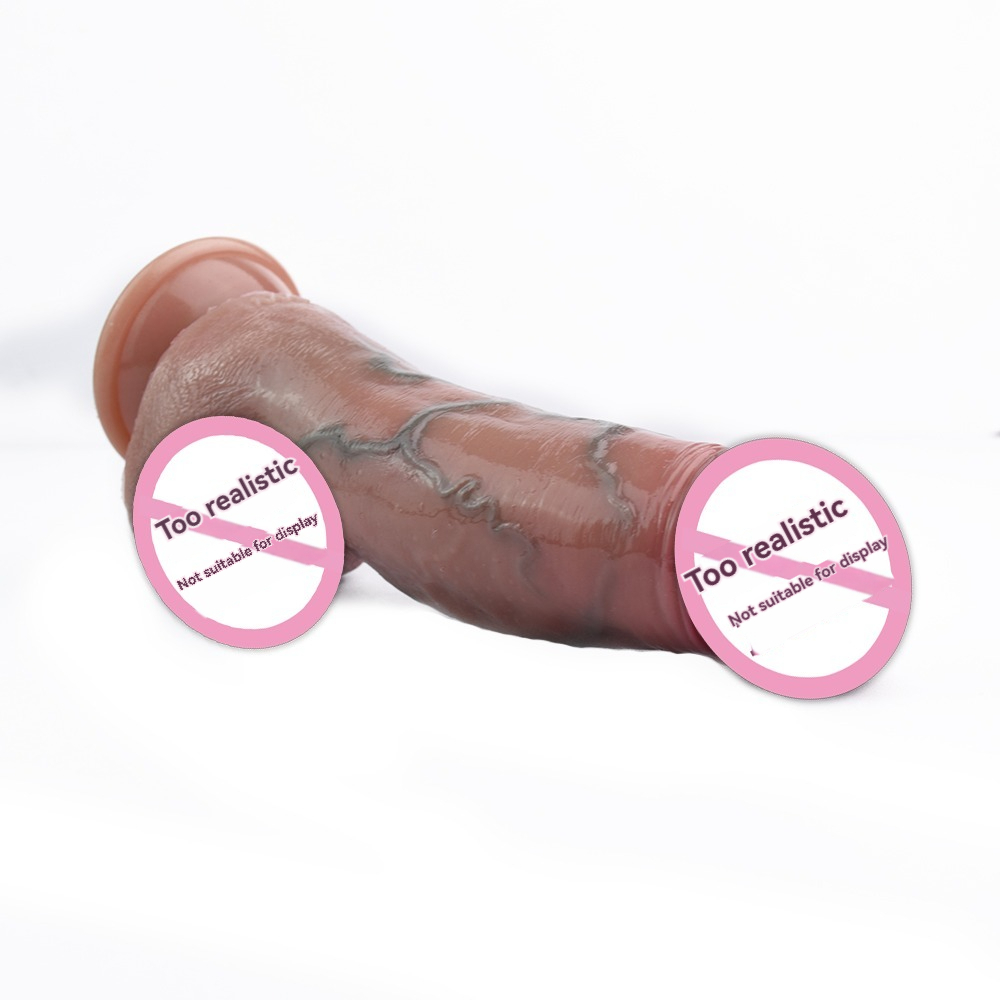

Whether you are embarking on a new long-distance relationship or seeking to strengthen an existing one, understanding the intricacies of maintaining intimacy over distance is crucial. This guide is extensively researched, incorporating academic insights, real-life examples, and practical tips to ensure that gay men in LDRs can build and sustain meaningful connections despite the physical separation.
The Importance of Intimacy in Relationships
Intimacy is the foundation of any meaningful relationship, encompassing emotional closeness, physical connection, and psychological bonding. In the context of long-distance relationships, maintaining intimacy becomes even more critical as partners navigate the challenges of physical separation and limited face-to-face interactions.
- Emotional Connection: Sharing feelings, thoughts, and vulnerabilities fosters a deeper emotional bond between partners, enhancing mutual understanding and empathy.
- Physical Connection: While physical presence is limited, finding ways to connect physically, even remotely, helps sustain the relationship’s closeness.
- Psychological Bonding: Building a strong psychological bond ensures that both partners feel supported and valued, even in the absence of daily physical interactions.
For gay men, the importance of intimacy is further amplified by societal pressures, discrimination, and the need to navigate unique relationship dynamics. Maintaining intimacy in LDRs requires deliberate efforts to bridge the distance and create a sense of closeness despite geographical separation.
Unique Challenges in Long-Distance Relationships
Long-distance relationships among gay men face specific challenges that can impact intimacy and relationship satisfaction. Understanding these challenges is essential for developing effective strategies to overcome them.
Societal Stigma and Discrimination
Despite progress in LGBTQ+ rights, gay men may still encounter societal stigma and discrimination. These external pressures can create stress and anxiety, making it difficult to communicate openly and maintain intimacy in the relationship (Herek, 2009).
Internalized Homophobia
Internalized homophobia, or the internalization of societal negative attitudes towards homosexuality, can result in self-doubt, shame, and reluctance to express one’s true identity and desires. This internal conflict can hinder open communication and emotional connection between partners (Meyer, 2003).
Time Zone Differences
Time zone differences can complicate communication, leading to delays and reduced opportunities for real-time interactions. This can create feelings of disconnection and frustration, impacting the relationship’s overall health (Thibaut & Kelley, 1959).
Limited Physical Intimacy
The lack of physical presence can limit opportunities for physical intimacy, which is a crucial component of overall relationship satisfaction. Finding ways to maintain physical closeness, even remotely, is essential for sustaining intimacy in LDRs.
Financial Constraints
Long-distance relationships can be financially demanding, with costs associated with travel, communication tools, and maintaining separate households. Financial stress can strain the relationship and divert focus away from building intimacy (Flores, 2015).
Different Life Stages
Partners in LDRs may find themselves at different life stages or pursuing separate career paths, leading to divergent priorities and potential conflicts. Aligning life goals and maintaining mutual support despite these differences is crucial for relationship stability (Bowlby, 1982).
Addressing these unique challenges requires a multifaceted approach that includes effective communication, trust-building, emotional support, and strategic planning. By recognizing and understanding these barriers, gay men can develop strategies to enhance intimacy and foster healthier long-distance relationships.

Effective Communication Strategies
Communication is the cornerstone of any successful relationship, and it becomes even more critical in long-distance relationships. For gay men in LDRs, implementing effective communication strategies is essential for maintaining intimacy and connection.
Establishing Regular Communication Routines
Creating a consistent communication schedule helps partners stay connected and reduces feelings of uncertainty. Regular check-ins, whether daily or weekly, provide opportunities to share updates, discuss feelings, and address any concerns.
- Examples:
- Daily morning or evening video calls to start or end the day together.
- Weekly virtual dates where partners engage in shared activities online.
- Monthly in-depth conversations to discuss relationship goals and challenges.
Example: Scheduling a weekly virtual dinner date allows partners to enjoy a meal together, fostering a sense of normalcy and shared experience despite the distance.
Utilizing Multiple Communication Channels
Diversifying communication methods ensures that partners can stay connected through various means, catering to different preferences and circumstances. Combining synchronous and asynchronous communication tools enhances flexibility and accessibility.
- Types of Communication Channels:
- Video calls for face-to-face interactions and visual connection.
- Instant messaging for quick and informal conversations.
- Email or letters for more thoughtful and detailed exchanges.
- Social media platforms to share moments and updates.
Example: Using a combination of video calls for weekly check-ins and instant messaging for daily interactions ensures continuous connection and support.
Active Listening and Empathy
Active listening involves fully concentrating on what the other person is saying, understanding their message, and responding thoughtfully. Empathy is the ability to understand and share the feelings of another, fostering a deeper emotional connection.
- Tips for Active Listening:
- Maintain eye contact during video calls to show attentiveness.
- Avoid interrupting and allow your partner to express themselves fully.
- Reflect back what you’ve heard to confirm understanding.
- Ask open-ended questions to encourage deeper conversation.
Example: During a video call, if one partner expresses feeling lonely, the other can respond by reflecting their understanding and offering reassurance, such as, “I understand that you’re feeling lonely right now. I’m here for you.”
Expressing Appreciation and Gratitude
Regularly expressing appreciation and gratitude strengthens the emotional bond and fosters a positive relationship environment. Acknowledging each other’s efforts and qualities reinforces mutual respect and affection.
- Ways to Express Appreciation:
- Send thoughtful messages or notes expressing gratitude.
- Compliment your partner on their achievements and positive traits.
- Surprise your partner with small gifts or gestures that show you care.
Example: Sending a heartfelt message after a challenging day shows your partner that you value and appreciate their strength and resilience.
Conflict Resolution Techniques
Conflicts are inevitable in any relationship, including LDRs. Implementing effective conflict resolution techniques ensures that disagreements do not escalate and negatively impact the relationship.
- Strategies for Conflict Resolution:
- Address conflicts promptly to prevent escalation.
- Focus on the issue at hand rather than bringing up past grievances.
- Use “I” statements to express your feelings without blaming your partner.
- Seek mutually acceptable solutions through compromise and collaboration.
Example: If a partner feels neglected due to differing communication schedules, addressing the issue by negotiating a more compatible routine can resolve the conflict constructively.
Maintaining Transparency and Honesty
Transparency and honesty are fundamental for building trust in LDRs. Being open about your feelings, actions, and intentions helps prevent misunderstandings and fosters a secure and trusting relationship environment.
- Tips for Maintaining Transparency:
- Share your daily experiences and emotions openly.
- Be honest about your needs and expectations.
- Avoid keeping secrets that could undermine trust.
Example: If one partner is feeling overwhelmed with work, being transparent about their stress levels allows both partners to support each other effectively.
Implementing these communication strategies is essential for maintaining intimacy and connection in long-distance relationships among gay men. By fostering effective communication, couples can navigate the challenges of distance and build a strong, resilient partnership.
Building and Maintaining Trust
Trust is the cornerstone of any successful relationship, and it becomes even more crucial in long-distance relationships. Building and maintaining trust requires consistent effort, honesty, and reliability from both partners.
Establishing Clear Expectations
Setting clear expectations helps prevent misunderstandings and ensures that both partners are on the same page regarding the relationship’s boundaries and goals. Discussing expectations about communication frequency, exclusivity, and future plans can provide a sense of security and direction.
- Ways to Establish Expectations:
- Have open discussions about what each partner expects from the relationship.
- Set mutual goals for the future of the relationship.
- Agree on communication routines and frequency that work for both partners.
Example: Agreeing to have a weekly virtual date night ensures regular quality time together, reinforcing the relationship’s stability and commitment.
Consistency and Reliability
Being consistent and reliable in actions and communication builds trust over time. Following through on promises, being punctual for scheduled calls, and maintaining consistent communication patterns demonstrate dependability.
- Tips for Consistency:
- Stick to agreed-upon communication schedules.
- Keep promises and commitments to show reliability.
- Be present and attentive during interactions to demonstrate dedication.
Example: If a partner commits to a daily check-in call, consistently honoring that commitment reinforces trust and reliability in the relationship.
Honesty and Transparency
Honesty and transparency are essential for fostering trust in LDRs. Being truthful about feelings, actions, and intentions helps prevent doubts and insecurities that can undermine the relationship.
- Ways to Promote Honesty:
- Encourage open dialogue about any concerns or doubts.
- Be truthful about your whereabouts and activities without invading privacy.
- Avoid keeping secrets that could create mistrust.
Example: If one partner is feeling insecure about the relationship, openly discussing these feelings and seeking reassurance can prevent the development of mistrust.
Building a Shared Vision
Developing a shared vision for the relationship strengthens trust and commitment. Discussing long-term goals, future plans, and mutual aspirations ensures that both partners are working towards a common objective, fostering a deeper sense of partnership.
- Strategies for Building a Shared Vision:
- Discuss future goals, such as moving in together or marriage.
- Align on career and personal aspirations to ensure compatibility.
- Set mutual objectives for the relationship, including communication goals and intimacy milestones.
Example: Creating a shared bucket list of activities and goals can help partners feel connected and motivated to work towards their future together.
Addressing Trust Issues Promptly
When trust issues arise, addressing them promptly is crucial for maintaining relationship integrity. Ignoring or avoiding trust-related problems can lead to resentment and further erosion of trust.
- Steps to Address Trust Issues:
- Identify the root cause of the trust issue.
- Have an open and honest conversation about the concern.
- Develop a plan to rebuild trust, including setting new boundaries or seeking professional help if needed.
Example: If one partner feels neglected due to the other’s busy schedule, addressing the issue by renegotiating communication routines can help restore trust and prevent further disconnection.
Building and maintaining trust in long-distance relationships requires intentional effort and commitment. By establishing clear expectations, demonstrating consistency, promoting honesty, building a shared vision, and addressing trust issues promptly, gay men in LDRs can cultivate a strong and resilient relationship foundation.

Providing Emotional Support
Emotional support is vital for sustaining intimacy and connection in long-distance relationships. Providing consistent and meaningful emotional support helps partners feel valued, understood, and connected despite the physical separation.
Active Listening and Validation
Active listening involves fully concentrating on what the other person is saying, understanding their message, and responding thoughtfully. Validation means acknowledging and affirming your partner’s feelings and experiences, fostering a sense of being heard and understood.
- Techniques for Active Listening:
- Maintain eye contact during video calls to show attentiveness.
- Avoid interrupting and allow your partner to express themselves fully.
- Reflect back what you’ve heard to confirm understanding.
- Ask open-ended questions to encourage deeper conversation.
Example: If a partner shares feelings of loneliness, responding with empathy and understanding, such as, “I understand that you’re feeling lonely. I’m here for you,” validates their emotions and reinforces support.
Providing Reassurance and Encouragement
Reassurance and encouragement help partners feel secure and supported in their relationship. Affirming your commitment and expressing confidence in the relationship’s strength fosters a positive emotional environment.
- Ways to Provide Reassurance:
- Express your love and commitment regularly through words and actions.
- Encourage your partner’s personal and professional goals.
- Celebrate each other’s achievements and milestones.
Example: Sending a message of encouragement before an important event can boost your partner’s confidence and demonstrate your support.
Offering Practical Support
Practical support involves assisting your partner with daily tasks, responsibilities, or challenges, even from a distance. This type of support alleviates stress and demonstrates reliability and care.
- Examples of Practical Support:
- Helping with research or planning for significant life events.
- Providing resources or information to address specific needs.
- Assisting with household tasks remotely, such as coordinating services or deliveries.
Example: Assisting a partner in finding a new job by reviewing their resume or practicing interview skills demonstrates practical support and commitment.
Sharing Experiences and Creating Memories
Sharing experiences and creating memories, even from a distance, helps sustain emotional intimacy and a sense of shared history. Engaging in activities together, such as watching movies simultaneously or playing online games, fosters connection and enjoyment.
- Ideas for Shared Experiences:
- Participate in virtual activities like online gaming, watching movies, or attending virtual events together.
- Send each other care packages or thoughtful gifts to create tangible connections.
- Plan future visits and activities to look forward to, strengthening the sense of partnership.
Example: Scheduling a virtual movie night where both partners watch the same film and discuss it afterward can create a shared experience and enhance emotional connection.
Providing emotional support in long-distance relationships is essential for maintaining intimacy and fostering a strong, resilient partnership. Through active listening, reassurance, practical support, and shared experiences, gay men in LDRs can sustain a deep and meaningful emotional connection despite the physical distance.
Utilizing Technology to Enhance Connection
Technology plays a pivotal role in bridging the gap in long-distance relationships, providing various tools and platforms to enhance communication and connection. For gay men in LDRs, leveraging technology effectively can significantly impact relationship satisfaction and intimacy.
Video Calls and Virtual Meetings
Video calls offer face-to-face interaction, allowing partners to see each other’s expressions and body language, which fosters a deeper emotional connection. Regular virtual meetings through platforms like Zoom, Skype, or FaceTime can mimic in-person interactions and maintain intimacy.
- Benefits of Video Calls:
- Enhances non-verbal communication and emotional expression.
- Creates a sense of presence and closeness despite the distance.
- Allows for interactive and engaging conversations.
Example: Scheduling daily video calls helps maintain a consistent presence in each other’s lives, reinforcing the emotional bond and reducing feelings of isolation.
Instant Messaging and Social Media
Instant messaging and social media platforms provide convenient ways to stay connected throughout the day. These tools allow for quick check-ins, sharing of updates, and maintaining continuous communication.
- Advantages of Instant Messaging:
- Facilitates ongoing, real-time communication.
- Allows for sharing of multimedia content such as photos, videos, and voice messages.
- Provides a platform for casual and spontaneous interactions.
Example: Sending instant messages throughout the day to share experiences or simply say “I miss you” keeps the connection alive and provides emotional support.
Shared Online Activities
Engaging in shared online activities strengthens the sense of partnership and creates shared experiences. Participating in virtual games, watching movies simultaneously, or attending online workshops together can enhance intimacy and enjoyment.
- Examples of Shared Online Activities:
- Playing online multiplayer games to have fun and interact collaboratively.
- Watching the same movie or TV show simultaneously using streaming services and discussing it afterward.
- Attending virtual events, webinars, or workshops together to learn and grow as a couple.
Example: Scheduling a virtual game night where both partners play an online game together fosters teamwork and shared enjoyment, enhancing the relationship’s emotional bond.
Digital Tools and Apps for Relationship Management
Numerous digital tools and apps are designed to support relationship management and enhance connection in long-distance relationships. These tools offer features such as shared calendars, goal tracking, and communication enhancements.
- Popular Relationship Management Apps:
- Couples: An app that provides shared calendars, to-do lists, and chat features to keep both partners organized and connected.
- Between: A private messaging app that allows couples to share messages, photos, and special moments securely.
- Love Nudge: An app based on the “5 Love Languages” concept, helping couples understand and meet each other’s emotional needs.
Example: Using a shared calendar app helps partners coordinate visits, virtual dates, and important dates, ensuring that both partners stay aligned on their schedules and commitments.
Maintaining Privacy and Security
While utilizing technology to enhance connection, it’s essential to maintain privacy and security to protect the relationship from potential breaches. Ensuring that communication channels are secure and being mindful of privacy settings helps safeguard the relationship’s integrity.
- Tips for Maintaining Privacy:
- Use secure and encrypted communication platforms for sensitive conversations.
- Regularly update passwords and use two-factor authentication for online accounts.
- Be cautious about sharing personal information on public forums or social media.
Example: Utilizing encrypted messaging apps for private conversations ensures that sensitive information remains secure and protected from unauthorized access.
Leveraging technology effectively can bridge the physical gap in long-distance relationships, fostering intimacy and connection through consistent and meaningful interactions. By utilizing video calls, instant messaging, shared online activities, and relationship management apps, gay men in LDRs can maintain a strong emotional bond and navigate the challenges of distance with resilience and creativity.
Planning Regular Visits
Regular visits are crucial for maintaining intimacy and connection in long-distance relationships. Physical presence strengthens the emotional bond, provides opportunities for shared experiences, and reinforces commitment.
Scheduling Visits Strategically
Planning visits strategically helps manage time and financial resources effectively. Aligning schedules, budgeting for travel expenses, and choosing convenient times for both partners are essential for successful visits.
- Tips for Scheduling Visits:
- Coordinate work and personal schedules to find mutually convenient times for visits.
- Plan visits well in advance to secure affordable travel options.
- Align visit schedules with significant dates or milestones in the relationship.
Example: Planning a visit during a holiday season can provide additional opportunities for shared celebrations and memorable experiences.
Maximizing Visit Quality
Making the most of each visit enhances the relationship’s quality and provides meaningful memories. Engaging in activities that both partners enjoy and prioritizing quality time together can strengthen the emotional bond.
- Ideas for Enhancing Visit Quality:
- Plan special activities or outings that both partners enjoy.
- Create a balanced schedule that includes both planned activities and free time.
- Focus on creating new shared experiences to build a strong relational foundation.
Example: Planning a weekend getaway to a nearby city allows partners to explore new environments together and create lasting memories.
Managing Expectations During Visits
Managing expectations during visits helps prevent disappointments and ensures that both partners are on the same page regarding the visit’s purpose and activities. Clear communication about what each partner hopes to achieve during the visit fosters mutual understanding and satisfaction.
- Strategies for Managing Expectations:
- Discuss the goals and intentions for the visit beforehand.
- Be realistic about what can be achieved during the visit.
- Prioritize key activities that are important to both partners.
Example: Agreeing to spend quality time together without distractions ensures that both partners can focus on strengthening their emotional bond during the visit.
Planning Future Goals and Visits
Planning future goals and visits provides a sense of direction and optimism in the relationship. Setting long-term objectives, such as living in the same city or planning significant milestones, fosters commitment and shared purpose.
- Steps for Planning Future Goals:
- Discuss long-term aspirations and align on relationship goals.
- Create a timeline for achieving key milestones, such as moving in together.
- Plan future visits and activities that contribute to the relationship’s growth.
Example: Setting a goal to visit each other every three months provides a clear timeline and shared objective, enhancing relationship stability and commitment.
Regular visits play a crucial role in sustaining intimacy and connection in long-distance relationships. By strategically scheduling visits, maximizing visit quality, managing expectations, and planning future goals, gay men in LDRs can strengthen their emotional bond and foster a resilient and fulfilling partnership.
The Role of Mental Health
Mental health significantly influences the dynamics and success of long-distance relationships. For gay men, maintaining good mental health is essential for navigating the unique challenges of LDRs, fostering intimacy, and ensuring overall relationship satisfaction.
Mental Health Challenges in Long-Distance Relationships
Long-distance relationships can exacerbate existing mental health issues and introduce new challenges. Common mental health challenges in LDRs include:
- Loneliness and Isolation: Physical separation can lead to feelings of loneliness and isolation, impacting emotional well-being.
- Stress and Anxiety: Uncertainty about the future, financial pressures, and logistical challenges can increase stress and anxiety levels.
- Depression: Prolonged separation and lack of physical intimacy can contribute to depressive symptoms.
- Communication Stress: Miscommunications or lack of effective communication can lead to misunderstandings and relational strain.
Impact on Relationships: These mental health challenges can lead to reduced intimacy, increased conflict, and lower overall relationship satisfaction. Addressing mental health proactively is crucial for maintaining a healthy and fulfilling partnership.
Strategies for Enhancing Mental Health in LDRs
Implementing strategies to support mental health within LDRs enhances relationship resilience and intimacy. These strategies include seeking professional help, building a supportive network, practicing self-care, and fostering open communication.
Seeking Professional Help
Professional mental health services, such as therapy or counseling, provide valuable support for individuals and couples in LDRs. Mental health professionals can offer coping strategies, conflict resolution techniques, and emotional support tailored to the unique needs of long-distance partnerships (Meyer, 2003).
- Benefits of Therapy:
- Provides a safe space to discuss relationship challenges and personal issues.
- Offers tools and techniques to manage stress, anxiety, and other mental health concerns.
- Enhances communication and emotional connection between partners.
Example: Participating in couples therapy can help partners develop effective communication strategies and address underlying issues that may be impacting their relationship.
Building a Supportive Network
Establishing a supportive network of friends, family, and LGBTQ+ communities provides essential emotional support and reduces feelings of isolation. Engaging with others who understand and empathize with the challenges of LDRs fosters a sense of belonging and resilience (Flores, 2015).
- Ways to Build a Supportive Network:
- Connect with friends and family members who provide emotional support.
- Join LGBTQ+ support groups or online communities for shared experiences and advice.
- Participate in social activities and events to build new connections.
Example: Joining an online LGBTQ+ support group can provide a platform for sharing experiences, seeking advice, and building meaningful connections with others facing similar challenges.
Practicing Self-Care
Prioritizing self-care is essential for maintaining mental health in LDRs. Engaging in activities that promote relaxation, well-being, and personal growth helps individuals manage stress and maintain a positive outlook on the relationship.
- Self-Care Practices:
- Engage in regular physical activity, such as exercise or yoga, to reduce stress and improve mood.
- Practice mindfulness or meditation to enhance emotional regulation and reduce anxiety.
- Allocate time for hobbies and interests that bring joy and fulfillment.
Example: Incorporating a daily meditation routine can help manage anxiety and foster a sense of calm and balance, enhancing overall mental well-being.
Fostering Open Communication
Open and honest communication is vital for addressing mental health concerns and maintaining intimacy in LDRs. Encouraging transparent dialogue about feelings, challenges, and needs ensures that both partners feel supported and understood.
- Strategies for Open Communication:
- Set aside dedicated time for meaningful conversations without distractions.
- Express feelings and concerns honestly and respectfully.
- Listen actively and empathetically to your partner’s experiences.
Example: Scheduling a weekly “relationship check-in” allows partners to discuss their emotional states, address any concerns, and reinforce their commitment to supporting each other.
Balancing Independence and Togetherness
Maintaining a healthy balance between independence and togetherness is crucial for personal growth and relationship satisfaction in LDRs. Encouraging each other’s individual pursuits while nurturing the relationship fosters mutual respect and support.
- Ways to Balance Independence and Togetherness:
- Encourage personal hobbies and interests outside the relationship.
- Set personal goals that contribute to individual growth and well-being.
- Respect each other’s need for space and time apart.
Example: Supporting a partner’s pursuit of a new hobby or career goal demonstrates respect for their individuality and promotes personal fulfillment, strengthening the overall relationship.
Addressing mental health challenges in long-distance relationships requires a proactive and multifaceted approach. By seeking professional help, building a supportive network, practicing self-care, fostering open communication, and balancing independence with togetherness, gay men in LDRs can navigate the complexities of distance and maintain a healthy and intimate relationship.
Accessing LGBTQ+-Friendly Resources
Access to LGBTQ+-friendly resources is essential for supporting mental health and relationship wellness in long-distance relationships. These resources provide specialized support, information, and community connections tailored to the unique needs of gay men.
Finding LGBTQ+-Friendly Mental Health Services
Identifying mental health services that are inclusive and affirming of LGBTQ+ identities ensures that gay men receive appropriate and respectful care. Resources such as the Gay and Lesbian Medical Association (GLMA) directory and local LGBTQ+ health centers can help locate inclusive mental health services (GLMA, 2022).
- Steps to Find LGBTQ+-Friendly Services:
- Use directories like GLMA to find LGBTQ+-competent mental health professionals.
- Seek recommendations from LGBTQ+ support groups and communities.
- Research providers’ credentials and experience in LGBTQ+ mental health issues.
- Schedule initial consultations to assess comfort levels and provider sensitivity.
Example: Utilizing the GLMA directory to find a therapist who specializes in LGBTQ+ mental health ensures that both partners receive knowledgeable and affirming support.
Joining LGBTQ+ Support Groups
LGBTQ+ support groups offer a sense of community and belonging, providing a platform for gay men in LDRs to share experiences, seek advice, and receive emotional support. These groups can be found both online and in-person, catering to various needs and preferences (Flores, 2015).
- Benefits of Support Groups:
- Provide a safe and affirming environment for sharing personal experiences.
- Offer resources and information on managing LDR challenges.
- Facilitate connections with others who understand and empathize with your situation.
Example: Joining an online LGBTQ+ support group for long-distance couples can provide a space to share tips, seek advice, and connect with others facing similar challenges.
Educational Resources and Workshops
Engaging with educational resources and workshops helps gay men in LDRs develop skills and knowledge to enhance their relationships. Topics may include effective communication, conflict resolution, and mental health management.
- Examples of Educational Resources:
- Online courses and webinars focused on relationship skills.
- Books and articles on maintaining intimacy in LDRs.
- Workshops and seminars offered by LGBTQ+ organizations.
Example: Participating in a virtual workshop on communication strategies for LDRs equips partners with tools to improve their interactions and emotional connection.
Utilizing Online Platforms and Tools
Online platforms and tools designed for relationship management provide additional support for gay men in LDRs. These tools offer features such as shared calendars, goal tracking, and communication enhancements, making it easier to maintain a strong connection.
- Popular Online Platforms:
- Couples: An app that offers shared calendars, to-do lists, and chat features to keep both partners organized and connected.
- Between: A private messaging app that allows couples to share messages, photos, and special moments securely.
- Love Nudge: An app based on the “5 Love Languages” concept, helping couples understand and meet each other’s emotional needs.
Example: Using a shared calendar app helps partners coordinate visits, virtual dates, and important dates, ensuring that both partners stay aligned on their schedules and commitments.
Accessing LGBTQ+-friendly resources empowers gay men in long-distance relationships to navigate the challenges effectively, fostering mental health, emotional support, and relationship resilience. By leveraging these specialized resources, couples can build stronger, more intimate, and fulfilling partnerships despite the physical separation.

Case Study: Successfully Navigating a Long-Distance Relationship
To illustrate the practical application of the strategies discussed, let’s examine a case study involving Marcus and Julian, a couple who successfully navigated the challenges of a long-distance relationship.
Background
Marcus and Julian met while studying abroad and decided to continue their relationship despite returning to different cities. Faced with the challenges of maintaining intimacy and connection across a long distance, they sought to implement effective strategies to sustain their relationship.
Identifying Challenges
Through open discussions, Marcus and Julian identified several challenges that could impact their relationship:
- Time zone differences causing communication delays.
- Feelings of loneliness and isolation.
- Managing trust and preventing insecurities.
- Balancing individual lives with relationship commitments.
Implementing Strategies
To address these challenges, Marcus and Julian implemented the following strategies:
Establishing Regular Communication Routines
They set up a consistent schedule for video calls, ensuring that they had dedicated time each day to connect and share their experiences. This routine helped maintain a sense of presence and emotional closeness.
Utilizing Multiple Communication Channels
In addition to video calls, they used instant messaging for daily interactions and email for more thoughtful and detailed conversations. This combination allowed them to stay connected throughout the day and address more complex topics when needed.
Building Trust Through Transparency
Marcus and Julian prioritized honesty and transparency in their relationship. They openly discussed their feelings, concerns, and any challenges they were facing, which helped build and maintain trust.
Planning Regular Visits
They scheduled regular visits every three months, allowing them to spend quality time together and reinforce their emotional bond. Planning these visits gave them both something to look forward to and helped mitigate feelings of isolation.
Engaging in Shared Online Activities
To create shared experiences, Marcus and Julian participated in online gaming sessions and watched movies simultaneously while video calling. These activities provided fun and interactive ways to stay connected.
Mental Health Support
Recognizing the impact of the distance on their mental health, both partners engaged in individual therapy to manage stress and anxiety. Additionally, they attended couples counseling to enhance their communication skills and address any relational issues.
Expressing Appreciation and Gratitude
They made it a point to express appreciation and gratitude regularly, acknowledging each other’s efforts to maintain the relationship. This practice fostered a positive and supportive environment.
Outcome
By implementing these strategies, Marcus and Julian were able to maintain a strong and intimate connection despite the physical distance. Their relationship remained resilient, with both partners feeling supported, valued, and connected. The consistent communication routines, trust-building efforts, and shared experiences contributed to their overall relationship satisfaction and longevity.
This case study demonstrates how intentional and strategic efforts can overcome the challenges of long-distance relationships, fostering intimacy and emotional connection among gay men.
Visual Table: Communication Strategies vs. Relationship Benefits
| Communication Strategy | Description | Relationship Benefits |
|---|---|---|
| Regular Communication Routines | Establishing a consistent schedule for interactions. | Maintains emotional closeness, reduces feelings of isolation. |
| Multiple Communication Channels | Using various platforms like video calls, messaging, and email. | Enhances flexibility and accessibility, accommodates different communication needs. |
| Active Listening and Empathy | Fully concentrating on and understanding your partner’s messages. | Fosters mutual understanding, builds emotional connection. |
| Expressing Appreciation | Regularly acknowledging and valuing your partner’s efforts. | Strengthens emotional bond, promotes a positive relationship environment. |
| Conflict Resolution Techniques | Implementing strategies to address and resolve disagreements constructively. | Prevents escalation of conflicts, maintains relationship harmony. |
| Transparency and Honesty | Being open and truthful about feelings and actions. | Builds trust, prevents misunderstandings and insecurities. |
| Shared Online Activities | Engaging in activities together through digital platforms. | Creates shared experiences, enhances connection and enjoyment. |
| Planning Regular Visits | Scheduling in-person meetings to reinforce emotional bonds. | Provides opportunities for physical intimacy, strengthens commitment. |
| Seeking Professional Help | Engaging in therapy or counseling for individual and relational support. | Enhances mental health, improves communication and relationship skills. |
| Utilizing Technology | Using digital tools and apps to manage and enhance communication. | Increases convenience, provides structured support for relationship management. |
Conclusion
Navigating intimacy in long-distance relationships among gay men requires intentional strategies, effective communication, and a deep commitment to maintaining connection despite physical separation. By understanding the unique challenges of LDRs, implementing effective communication and trust-building techniques, providing emotional support, utilizing technology, planning regular visits, prioritizing mental health, and accessing LGBTQ+-friendly resources, gay men can foster healthy and resilient relationships.
Mental health plays a pivotal role in sustaining intimacy and managing the stressors associated with long-distance relationships. By addressing mental health proactively and supporting each other’s emotional well-being, couples can build a strong foundation that withstands the challenges of distance.
At sextoyforyou.store, we are committed to supporting gay men in their journey towards building intimate and fulfilling relationships, whether near or far. Our curated selection of products and resources is designed to enhance your connection, promote healthy communication, and support your sexual wellness. Explore our offerings to find tools that can help you maintain intimacy and satisfaction in your long-distance relationship.
Embrace these strategies today to transform your long-distance relationship into a source of strength, joy, and profound intimacy. Remember, with the right approaches and mutual dedication, distance is just a physical barrier, not an emotional one.
Frequently Asked Questions
1. How can we maintain emotional intimacy in a long-distance relationship?
Maintaining emotional intimacy in a long-distance relationship involves consistent and meaningful communication, active listening, and expressing appreciation and gratitude regularly. Engaging in shared online activities, setting aside dedicated time for deep conversations, and supporting each other’s emotional needs are essential strategies. Additionally, addressing any feelings of loneliness or stress through open dialogue and seeking professional support when necessary can enhance emotional intimacy (Rosenberg, 2015).
2. What are some effective ways to build and maintain trust in a long-distance relationship?
Building and maintaining trust in a long-distance relationship requires honesty, transparency, and reliability. Establishing clear expectations and communication routines helps prevent misunderstandings. Consistently following through on commitments, being open about your feelings and actions, and addressing any trust issues promptly are crucial. Additionally, planning regular visits and creating a shared vision for the future reinforce the sense of commitment and reliability between partners (Meyer, 2003).
3. How can technology enhance our long-distance relationship?
Technology enhances long-distance relationships by providing various tools and platforms for communication and connection. Video calls facilitate face-to-face interactions, instant messaging allows for daily check-ins, and shared online activities create shared experiences. Relationship management apps help organize schedules and track relationship goals, while social media and online communities offer additional avenues for connection and support. By leveraging these technological tools, partners can maintain a strong emotional bond and navigate the challenges of distance more effectively (Roberts & David, 2020).
References
- Bowlby, J. (1982). Attachment and Loss: Vol. 1. Attachment. Basic Books. https://www.basicbooks.com/titles/john-bowlby/attachment-and-loss-vol-1/9780465095130/
- Flores, A. R. (2015). Research on sexual orientation and adolescent substance use: A systematic review of the literature. Journal of Studies on Alcohol and Drugs, 76(1), 3-17. https://doi.org/10.15288/jsad.2015.76.3
- Gay and Lesbian Medical Association. (2022). Find a GLMA Provider. https://www.glma.org/
- GLMA. (2022). LGBTQ+ Health Care Directory. https://www.glma.org/
- Herek, G. M. (2009). Sexual stigma and sexual prejudice in the United States: A conceptual framework. In D. A. Hope (Ed.), Contemporary Perspectives on Lesbian, Gay, and Bisexual Identities (pp. 65-111). Springer. https://doi.org/10.1007/978-1-4419-9917-6_3
- Meyer, I. H. (2003). Prejudice, social stress, and mental health in lesbian, gay, and bisexual populations: Conceptual issues and research evidence. Psychological Bulletin, 129(5), 674-697. https://doi.org/10.1037/0033-2909.129.5.674
- Petronio, S. (2002). Communication Privacy Management: Theory and Practice. Routledge.
- Rosenberg, M. B. (2015). Nonviolent Communication: A Language of Life. PuddleDancer Press.
- Roberts, K., & David, M. E. (2020). Digital transformations: How technology shapes relationships and intimacy. Journal of Social and Personal Relationships, 37(6), 1760-1780. https://doi.org/10.1177/0265407520917042
- Thibaut, J. W., & Kelley, H. H. (1959). The Social Psychology of Groups. Wiley.
Disclaimer: The content provided in this post is intended
for adults (18+) and is offered for informational purposes only. It does
not constitute medical or professional advice. We make no warranty as to
the accuracy or reliability of the information presented. Any images or
media used may originate from the internet or free-license resources. If
you are the rightful owner and wish to request removal or attribution,
please contact us at
[email protected]
.