
















Navigating Faith and Tradition: The Influence of Culture and Religion on Intimacy Among Gay Men
Navigate the complex interplay of culture and religion in shaping intimacy among gay men, and discover strategies to maintain fulfilling relationships...
Show More
Navigate the complex interplay of culture and religion in shaping intimacy among gay men, and discover strategies to maintain fulfilling relationships amidst diverse influences.Show Less
Key Takeaways-The Influence of Culture and Religion on Intimacy Among Gay Men
- Culture and religion significantly shape the understanding and expression of intimacy among gay men.
- Navigating cultural and religious expectations can impact relationship dynamics and mental health.
- Effective communication and mutual respect are essential for balancing cultural/religious beliefs with personal intimacy needs.
- Access to LGBTQ+-friendly resources and supportive communities mitigates negative cultural and religious influences.
- Understanding and addressing internalized stigma fosters healthier intimate relationships.
- Educational and therapeutic interventions can support gay men in reconciling cultural and religious conflicts.
Table of Contents
- Introduction
- The Importance of Intimacy in Gay Men’s Relationships
- Cultural Influence on Intimacy
- Religious Influence on Intimacy
- Intersection of Culture and Religion
- Navigating Cultural and Religious Challenges
- The Role of Mental Health
- Accessing LGBTQ+-Friendly Resources
- Best Practices for Balancing Culture, Religion, and Intimacy
- Case Study: Balancing Cultural and Religious Influences in a Gay Relationship
- Visual Table: Cultural vs. Religious Influences on Intimacy
- Conclusion
- Frequently Asked Questions
- References
Introduction
Intimacy is a cornerstone of romantic relationships, encompassing emotional closeness, physical connection, and psychological bonding. For gay men, cultural and religious contexts play a pivotal role in shaping the understanding and expression of intimacy. These influences can either enrich or challenge the dynamics of relationships, impacting mental health, communication, and overall relationship satisfaction.





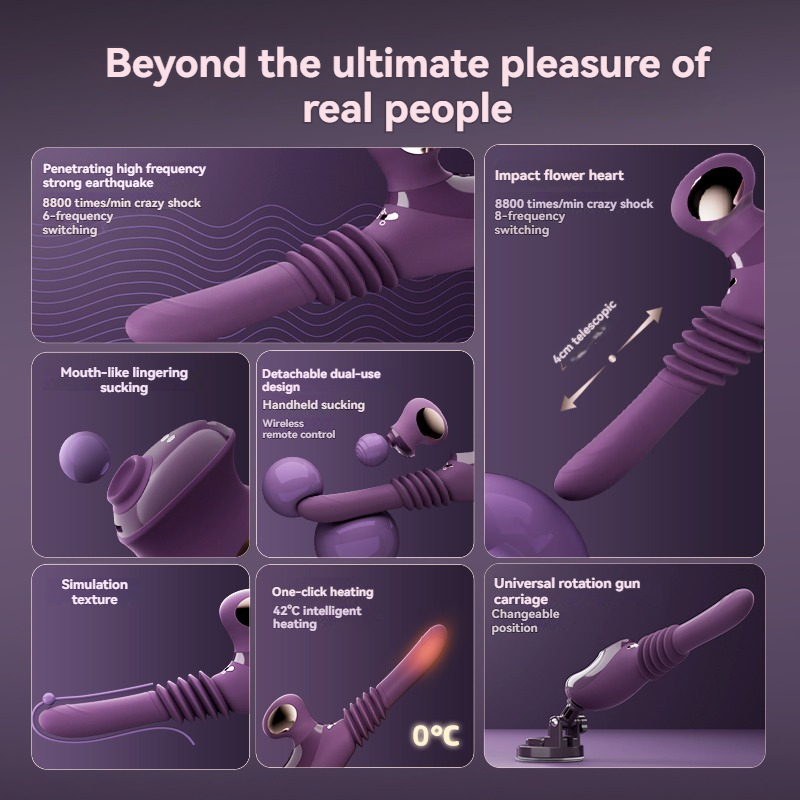



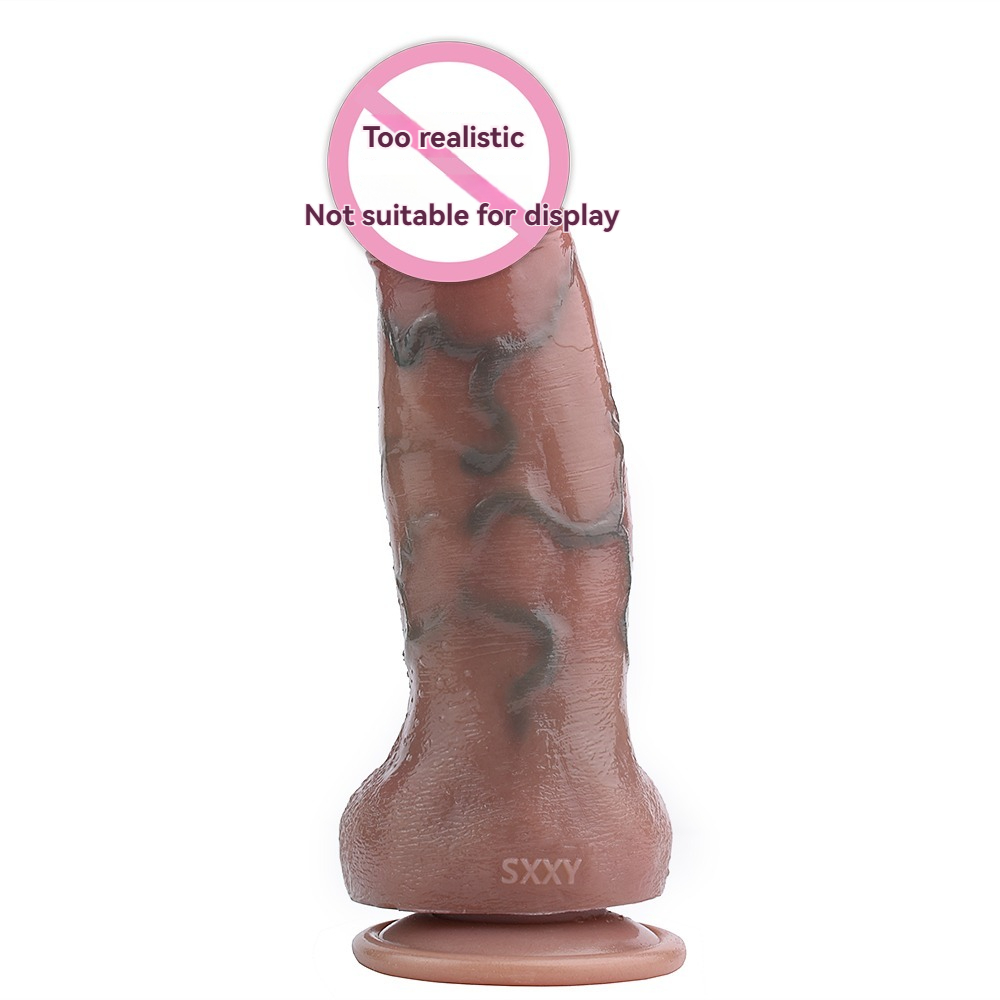
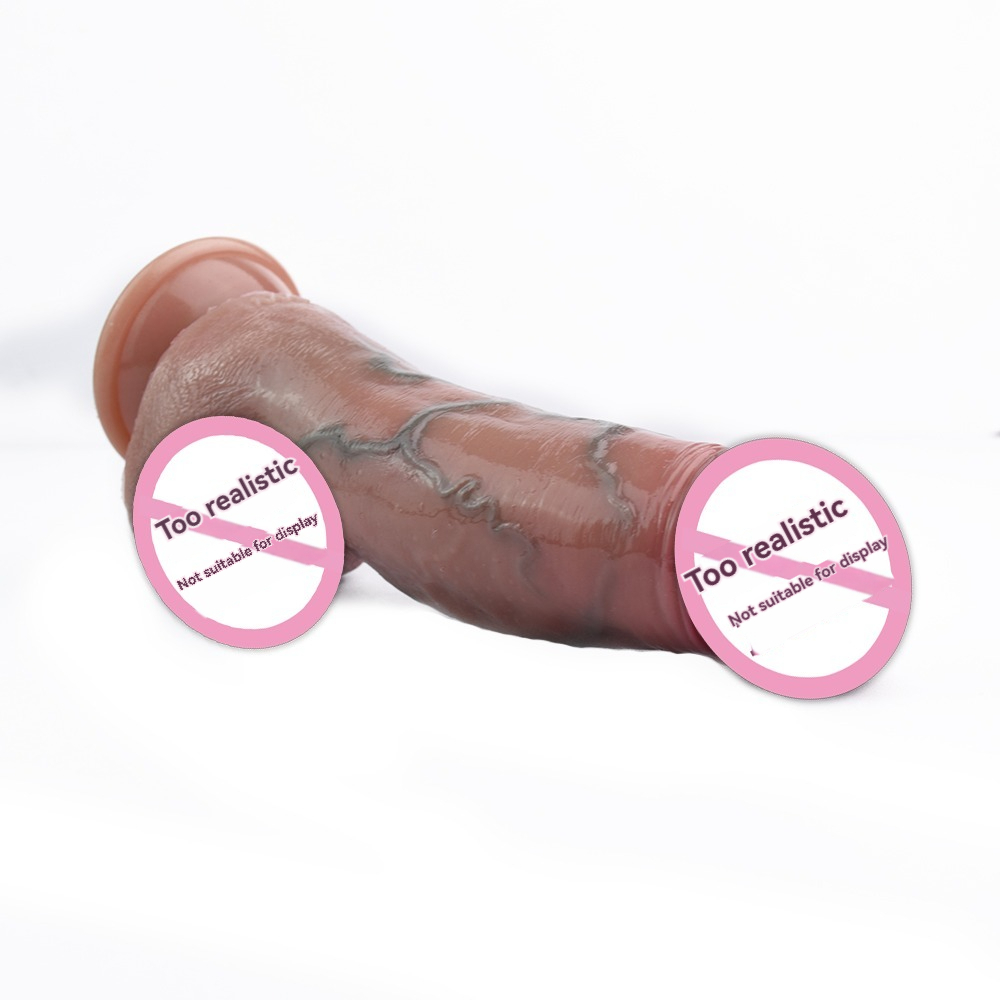

This comprehensive guide explores how culture and religion influence intimacy among gay men, examining the benefits and challenges posed by these factors. By delving into the intersection of cultural and religious beliefs, this article aims to provide deep insights and practical strategies for navigating the complexities of intimate relationships within diverse cultural and religious frameworks.
The Importance of Intimacy in Gay Men’s Relationships
Intimacy in relationships is multifaceted, involving emotional, physical, and psychological dimensions. For gay men, developing and maintaining intimacy is crucial for fostering trust, mutual respect, and relationship satisfaction.
- Emotional Intimacy: Sharing feelings, thoughts, and vulnerabilities strengthens the emotional bond between partners.
- Physical Intimacy: Physical connections, including sexual activity, play a significant role in expressing love and commitment.
- Psychological Intimacy: Understanding and supporting each other’s mental and emotional needs contributes to overall relational health.
- Trust and Vulnerability: Building trust and allowing vulnerability are essential for deepening intimacy and fostering a secure relationship environment.
According to Baumeister and Leary (1995), the need to belong and maintain close relationships is a fundamental human motivation. In the context of gay men’s relationships, prioritizing intimacy not only fulfills this need but also strengthens the relational bond, enhancing overall well-being and satisfaction.
Cultural Influence on Intimacy
Culture shapes individuals’ beliefs, values, and behaviors, influencing how intimacy is perceived and expressed in relationships. For gay men, cultural backgrounds can significantly impact their relationship dynamics and the expression of intimacy.
Traditional vs. Modern Cultures
In traditional cultures, relationships often adhere to strict norms and expectations regarding gender roles, marriage, and sexual behavior. These cultural norms can impose limitations on the expression of intimacy in gay relationships, potentially leading to internal conflicts and societal pressures.
- Expectation of Heteronormativity: Traditional cultures often emphasize heteronormative relationships, making it challenging for gay men to express their authentic selves.
- Stigmatization: Cultural stigmas against homosexuality can hinder the development of open and fulfilling intimate relationships.
- Family and Community Pressure: Expectations to conform to cultural norms may lead to suppressed desires and strained relationships.
Conversely, modern cultures tend to embrace diversity and inclusivity, allowing greater freedom for gay men to express intimacy in their relationships without fear of societal judgment.
- Acceptance and Inclusivity: Modern cultural norms often support LGBTQ+ rights, fostering a more accepting environment for expressing intimacy.
- Visibility and Representation: Increased visibility of gay relationships in media and society promotes healthier relationship dynamics and self-acceptance.
- Supportive Communities: Modern cultures provide access to supportive communities and resources that enhance relationship satisfaction and intimacy.
According to Herek (2009), cultural acceptance significantly influences the mental health and relationship satisfaction of gay men, highlighting the importance of cultural inclusivity in fostering healthy intimate relationships.
Intersectionality and Cultural Diversity
Gay men come from diverse cultural backgrounds, each bringing unique perspectives and challenges to their relationships. Intersectionality, the interconnected nature of social categorizations, plays a crucial role in shaping relationship dynamics and intimacy.
- Ethnic and Racial Identity: Cultural expectations related to ethnicity and race can impact how intimacy is expressed and perceived within relationships.
- Socioeconomic Status: Economic factors and social class influence access to resources that support relationship well-being and intimacy.
- Immigration and Acculturation: Immigrant gay men may face additional challenges in reconciling cultural traditions with their sexual identity, affecting relationship dynamics.
Recognizing and addressing the diverse cultural influences is essential for understanding the complexities of intimacy in gay men’s relationships. Tailored support and resources can help navigate these intersectional challenges, promoting healthier and more fulfilling relationships.
Religious Influence on Intimacy
Religion profoundly influences individuals’ beliefs, values, and behaviors, including attitudes toward intimacy and relationships. For gay men, religious beliefs can significantly impact the expression of intimacy and relationship dynamics.
Religious Doctrines and Homosexuality
Many religions have historically held conservative views on homosexuality, often viewing it as incompatible with their doctrines. These religious teachings can create internal and external conflicts for gay men, affecting their ability to express intimacy freely.
- Religious Teachings: Doctrines that condemn homosexuality can lead to feelings of shame, guilt, and internalized homophobia among gay men.
- Community Exclusion: Religious communities that reject LGBTQ+ individuals may contribute to social isolation and hinder relationship formation.
- Conflict Between Faith and Sexual Identity: Balancing religious beliefs with sexual identity can create significant stress and impact relationship dynamics.
Conversely, some religious communities are becoming more accepting and inclusive of LGBTQ+ individuals, providing supportive environments for expressing intimacy and building relationships.
- Inclusive Religious Communities: Progressive religious groups embrace LGBTQ+ members, fostering a sense of belonging and acceptance.
- Reinterpretation of Doctrines: Some religious leaders and scholars advocate for reinterpretations of traditional doctrines to support LGBTQ+ relationships.
- Supportive Rituals and Practices: Inclusive religious rituals and practices can enhance relationship recognition and intimacy.
According to Meyer (2003), religious acceptance significantly influences the mental health and relationship satisfaction of gay men, emphasizing the importance of inclusive religious environments in fostering healthy intimate relationships.

Spirituality and Personal Beliefs
Beyond organized religion, personal spirituality and individual beliefs play a role in shaping how gay men perceive and express intimacy. Spirituality can provide a framework for understanding self-worth, connection, and relational dynamics.
- Personal Spiritual Practices: Practices such as meditation, prayer, and mindfulness can enhance emotional connection and intimacy within relationships.
- Reconciliation of Beliefs: Individuals may seek ways to reconcile their sexual identity with personal spiritual beliefs, fostering inner harmony and relational satisfaction.
- Community and Belonging: Spiritual communities that embrace LGBTQ+ individuals can provide supportive environments for expressing intimacy and building relationships.
Exploring and integrating personal spirituality with sexual identity can lead to a more profound sense of self and enhance the quality of intimate relationships among gay men.
Intersection of Culture and Religion
Culture and religion often intersect, creating complex influences on how intimacy is perceived and expressed in gay men’s relationships. This intersectionality can amplify both supportive and challenging aspects, impacting relationship dynamics and personal well-being.
Cultural Religious Practices
Cultural religious practices combine traditional beliefs with religious doctrines, shaping societal norms and individual behaviors. For gay men, navigating these practices can influence how they express intimacy and engage in relationships.
- Rituals and Traditions: Cultural religious rituals may emphasize heterosexual norms, making it challenging for gay men to express their authentic selves within these frameworks.
- Family Expectations: Cultural expectations related to family honor and reputation can pressure gay men to conform to traditional relationship models, potentially hindering intimacy.
- Community Reinforcement: Cultural religious communities may reinforce certain norms and values, influencing how gay men perceive and express intimacy.
According to Thibaut and Kelley (1959), understanding the interplay between cultural and religious influences is crucial for comprehending the complexities of intimacy in gay men’s relationships.
Resilience and Adaptation
Despite the challenges posed by the intersection of culture and religion, many gay men demonstrate resilience and adaptability in maintaining healthy intimate relationships. This involves finding ways to reconcile cultural and religious beliefs with personal desires and relationship needs.
- Selective Integration: Integrating aspects of culture and religion that support their relationship while distancing from those that do not.
- Community Support: Building connections with supportive communities that understand and respect their cultural and religious contexts.
- Personal Growth: Engaging in personal development to strengthen resilience and foster a positive self-identity.
By adapting and finding supportive environments, gay men can navigate the intersection of culture and religion, fostering intimacy and relationship satisfaction.
Navigating Cultural and Religious Challenges
Navigating the challenges posed by cultural and religious influences requires intentional strategies, effective communication, and access to supportive resources. These strategies help gay men reconcile their cultural and religious identities with their intimate relationship needs.
Effective Communication
Open and honest communication is essential for addressing cultural and religious challenges within relationships. This involves discussing personal beliefs, values, and expectations openly with partners.
- Expressing Needs and Concerns: Clearly articulate how cultural and religious beliefs impact your relationship and intimacy.
- Active Listening: Practice active listening to understand your partner’s perspectives and feelings.
- Collaborative Problem-Solving: Work together to find mutually acceptable solutions that respect both cultural and religious identities.
According to Petronio (2002), effective communication privacy management is crucial for maintaining trust and ensuring that sensitive information is shared responsibly and respectfully between partners.
Seeking Professional Support
Professional support, including counseling and therapy, can provide valuable guidance for navigating cultural and religious challenges. LGBTQ+-friendly therapists offer specialized support tailored to the unique needs of gay men.
- Counseling Services: Engage in individual or couples counseling to address cultural and religious conflicts and enhance relationship dynamics.
- Support Groups: Participate in support groups that provide a safe space to share experiences and receive peer support.
- Educational Workshops: Attend workshops focused on cultural competence, religious inclusivity, and relationship skills.
Research by Meyer (2003) emphasizes the importance of seeking professional help to mitigate the impact of cultural and religious stressors on mental health and relationship satisfaction.
Building a Supportive Network
Building a supportive network of friends, family, and community members who understand and respect cultural and religious contexts can enhance relationship resilience and intimacy.
- Finding Allies: Identify friends and family members who support your relationship and understand your cultural and religious backgrounds.
- Engaging with LGBTQ+ Communities: Participate in LGBTQ+ communities that celebrate cultural diversity and religious inclusivity.
- Mentorship: Seek mentors who have successfully navigated similar cultural and religious challenges in their relationships.
According to Flores (2015), having a strong support network significantly contributes to the mental health and relational satisfaction of gay men, providing a buffer against cultural and religious stressors.
Personal Reflection and Growth
Engaging in personal reflection and growth can help individuals reconcile cultural and religious influences with their intimate relationship needs. This involves exploring personal beliefs, challenging internalized stigmas, and fostering self-acceptance.
- Self-Acceptance: Embrace your sexual identity and cultivate a positive self-image despite cultural and religious pressures.
- Exploring Beliefs: Reflect on your cultural and religious beliefs to understand how they influence your relationship dynamics and intimacy.
- Challenging Stigmas: Address and challenge internalized homophobia and other stigmas that hinder healthy intimate relationships.
According to Rosenberg (2015), personal growth and self-acceptance are crucial for overcoming cultural and religious barriers, fostering healthier and more fulfilling intimate relationships.
Navigating cultural and religious challenges involves effective communication, seeking professional support, building a supportive network, and engaging in personal reflection. These strategies empower gay men to reconcile their cultural and religious identities with their intimate relationship needs, promoting healthier and more satisfying connections.
The Role of Mental Health
Mental health is a critical factor influencing intimacy and relationship dynamics among gay men. The interplay between cultural, religious, and personal factors can significantly impact mental well-being and, consequently, the quality of intimate relationships.
Impact of Cultural and Religious Stressors
Cultural and religious stressors, such as discrimination, stigma, and internalized homophobia, can adversely affect mental health. These stressors may lead to anxiety, depression, and reduced self-esteem, impacting the ability to engage in healthy intimate relationships.
- Discrimination and Stigma: Experiences of discrimination and societal stigma contribute to chronic stress and mental health challenges.
- Internalized Homophobia: Internalizing negative societal attitudes towards homosexuality can lead to self-doubt and shame.
- Religious Conflicts: Struggling to reconcile religious beliefs with sexual identity can cause significant emotional distress.
According to Meyer (2003), minority stress theory explains how societal pressures and discrimination contribute to mental health disparities among LGBTQ+ individuals, highlighting the need for supportive interventions.
Mental Health and Relationship Intimacy
Mental health directly influences the capacity to maintain intimacy and navigate relationship challenges. Good mental health fosters effective communication, emotional resilience, and the ability to form deep emotional bonds.
- Emotional Availability: Individuals with good mental health are more emotionally available and capable of forming intimate connections.
- Effective Communication: Mental well-being enhances the ability to communicate openly and resolve conflicts constructively.
- Relationship Resilience: Good mental health supports the ability to withstand and recover from relational stressors.
According to Rosenberg (2015), prioritizing mental health within relationships is essential for sustaining intimacy and relational satisfaction.
Strategies for Supporting Mental Health in Relationships
Supporting mental health within relationships involves creating a supportive environment, encouraging professional help, practicing self-care, and fostering open communication. These strategies enhance both individual well-being and relational resilience.
- Creating a Supportive Environment: Foster a relationship dynamic that prioritizes emotional support, understanding, and empathy.
- Encouraging Professional Help: Support each other in seeking therapy or counseling to address mental health challenges effectively.
- Practicing Self-Care: Engage in activities that promote mental well-being, such as exercise, meditation, and hobbies.
- Fostering Open Communication: Encourage honest discussions about mental health, feelings, and stressors to prevent emotional disconnect.
According to Meyer (2003), a supportive and communicative relationship environment can significantly mitigate the impact of mental health challenges on relational dynamics and intimacy.
Addressing Internalized Stigma
Internalized stigma, including internalized homophobia and cultural/religious shame, can hinder mental health and intimacy. Addressing these internalized negative beliefs is crucial for fostering healthier self-perceptions and more fulfilling relationships.
- Self-Acceptance: Embrace and celebrate your sexual identity, cultivating a positive self-image.
- Therapeutic Interventions: Engage in therapy to work through internalized stigma and develop healthier coping mechanisms.
- Community Engagement: Connect with supportive communities that affirm your identity and provide a sense of belonging.
Research by Meyer (2003) highlights the detrimental effects of internalized stigma on mental health and relationship satisfaction, emphasizing the importance of addressing these issues within the relationship context.
Mental Health Resources for Gay Men
Accessing mental health resources tailored to the needs of gay men is essential for addressing the unique challenges posed by cultural and religious influences. LGBTQ+-friendly therapists and support groups offer specialized support and strategies for maintaining mental well-being.
- LGBTQ+-Friendly Therapists: Seek therapists who are knowledgeable and sensitive to the unique cultural and religious contexts of gay men.
- Support Groups: Participate in support groups that provide a safe space to share experiences and receive peer support.
- Online Resources: Utilize online platforms and forums that offer mental health resources and community connections.
According to Flores (2015), having access to LGBTQ+-friendly mental health resources significantly enhances the ability to cope with cultural and religious stressors, promoting better mental health and relationship satisfaction.
Mental health plays a critical role in shaping intimacy and relationship dynamics. By supporting each other’s mental well-being, addressing internalized stigma, and accessing supportive resources, gay men can foster healthier and more intimate relationships despite cultural and religious challenges.
Accessing LGBTQ+-Friendly Resources
Access to LGBTQ+-friendly resources is essential for supporting mental health, relationship well-being, and navigating the unique cultural and religious challenges faced by gay men. These resources provide specialized support, information, and community connections tailored to the needs of LGBTQ+ individuals.
Finding LGBTQ+-Friendly Healthcare Providers
Identifying healthcare providers who are inclusive and affirming of LGBTQ+ identities ensures that gay men receive appropriate and respectful care. Resources such as the Gay and Lesbian Medical Association (GLMA) directory and local LGBTQ+ health centers can help locate inclusive healthcare services (GLMA, 2022).
- Using Directories: Utilize directories like GLMA to find LGBTQ+-competent healthcare professionals in your area.
- Seeking Recommendations: Ask for referrals from LGBTQ+ support groups, friends, or community organizations.
- Researching Providers: Investigate providers’ credentials and experience in LGBTQ+ healthcare to ensure they meet your needs.
- Scheduling Initial Consultations: Schedule initial consultations to assess comfort levels and provider sensitivity.
Example: Utilizing the GLMA directory to find a therapist who specializes in LGBTQ+ mental health ensures that both partners receive knowledgeable and affirming support.
Joining LGBTQ+ Support Groups
LGBTQ+ support groups offer a sense of community and belonging, providing a platform for gay men to share experiences, seek advice, and receive emotional support. These groups can be found both online and in-person, catering to various needs and preferences (Flores, 2015).
- Benefits of Support Groups:
- Provide a safe and affirming environment for sharing personal experiences.
- Offer resources and information on relationship tips and mental health support.
- Facilitate connections with others who understand and empathize with similar challenges.
Example: Joining an online LGBTQ+ support group for relationship challenges can provide a space to share tips, seek advice, and connect with others facing similar issues.
Educational Resources and Workshops
Engaging with educational resources and workshops helps gay men develop skills and knowledge to enhance their relationships and mental well-being. Topics may include effective communication, conflict resolution, and relationship management.
- Examples of Educational Resources:
- Online courses and webinars focused on relationship skills.
- Books and articles on maintaining intimacy in relationships.
- Workshops and seminars offered by LGBTQ+ organizations.
Example: Participating in a virtual workshop on communication strategies for LGBTQ+ relationships equips partners with tools to improve their interactions and emotional connection.
Utilizing Online Platforms and Tools
Online platforms and tools designed for relationship management provide additional support for gay men. These tools offer features such as shared calendars, goal tracking, and communication enhancements, making it easier to maintain a strong connection.
- Popular Online Platforms:
- Couples: An app that offers shared calendars, to-do lists, and chat features to keep both partners organized and connected.
- Between: A private messaging app that allows couples to share messages, photos, and special moments securely.
- Love Nudge: An app based on the “5 Love Languages” concept, helping couples understand and meet each other’s emotional needs.
Example: Using a shared calendar app helps partners coordinate visits, virtual dates, and important dates, ensuring that both partners stay aligned on their schedules and commitments.
Advocacy and Community Support
Engaging in advocacy and community support initiatives strengthens the sense of belonging and purpose within relationships. Participating in LGBTQ+ advocacy groups, volunteering, or supporting community events fosters a shared sense of mission and connection.
- Ways to Engage in Advocacy:
- Participate in local or online LGBTQ+ advocacy groups.
- Volunteer for organizations that support LGBTQ+ rights and well-being.
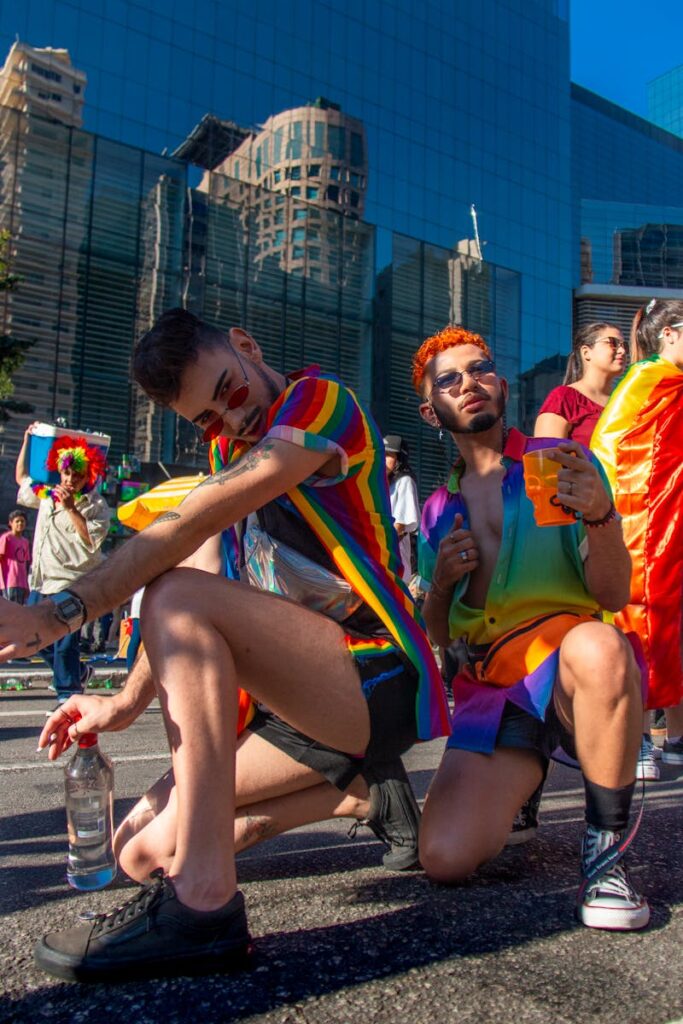
- Attend or support community events and pride parades.
Example: Volunteering together at an LGBTQ+ community event can strengthen the emotional bond by working towards a shared goal and contributing to the community.
Accessing LGBTQ+-friendly resources is a cornerstone for supporting mental health, relationship well-being, and navigating the unique cultural and religious challenges faced by gay men. These resources provide essential support, information, and community connections that enhance intimacy and relationship satisfaction.
Best Practices for Balancing Culture, Religion, and Intimacy
Balancing cultural and religious influences with personal intimacy needs requires intentional efforts, effective communication, and access to supportive resources. Implementing best practices ensures that both partners feel respected, valued, and fulfilled in their relationships.
Establishing Clear Boundaries and Agreements
Clear boundaries and agreements are essential for defining the parameters of the relationship and ensuring that both partners’ needs and expectations are met. This involves discussing and agreeing upon cultural and religious expectations related to intimacy.
- Defining Boundaries: Clearly outline what is acceptable and what is not within the relationship, including cultural and religious expectations.
- Regular Check-Ins: Periodically revisit and reassess boundaries to ensure they remain relevant and mutually agreed upon.
- Mutual Consent: Ensure that all agreements are made with the full consent and understanding of both partners.
According to Petronio (2002), effective communication privacy management is crucial for maintaining trust and ensuring that sensitive information is shared responsibly and respectfully between partners.
Effective Communication
Open and honest communication is vital for addressing cultural and religious influences on intimacy. This involves discussing personal beliefs, values, and expectations openly with partners.
- Expressing Needs and Concerns: Clearly articulate how cultural and religious beliefs impact your relationship and intimacy.
- Active Listening: Practice active listening to understand your partner’s perspectives and feelings.
- Collaborative Problem-Solving: Work together to find mutually acceptable solutions that respect both cultural and religious identities.
According to Rosenberg (2015), prioritizing effective communication fosters trust, understanding, and emotional intimacy, essential for navigating cultural and religious influences in relationships.
Seeking Professional Support
Professional support, including counseling and therapy, can provide valuable guidance for navigating cultural and religious challenges. LGBTQ+-friendly therapists offer specialized support tailored to the unique needs of gay men.
- Counseling Services: Engage in individual or couples counseling to address cultural and religious conflicts and enhance relationship dynamics.
- Support Groups: Participate in support groups that provide a safe space to share experiences and receive peer support.
- Educational Workshops: Attend workshops focused on cultural competence, religious inclusivity, and relationship skills.
Research by Meyer (2003) emphasizes the importance of seeking professional help to mitigate the impact of cultural and religious stressors on mental health and relationship satisfaction.
Building a Supportive Network
Building a supportive network of friends, family, and community members who understand and respect cultural and religious contexts can enhance relationship resilience and intimacy.
- Finding Allies: Identify friends and family members who support your relationship and understand your cultural and religious backgrounds.
- Engaging with LGBTQ+ Communities: Participate in LGBTQ+ communities that celebrate cultural diversity and religious inclusivity.
- Mentorship: Seek mentors who have successfully navigated similar cultural and religious challenges in their relationships.
According to Flores (2015), having a strong support network significantly contributes to the mental health and relational satisfaction of gay men, providing a buffer against cultural and religious stressors.
Personal Reflection and Growth
Engaging in personal reflection and growth can help individuals reconcile cultural and religious influences with their intimate relationship needs. This involves exploring personal beliefs, challenging internalized stigmas, and fostering self-acceptance.
- Self-Acceptance: Embrace your sexual identity and cultivate a positive self-image despite cultural and religious pressures.
- Exploring Beliefs: Reflect on your cultural and religious beliefs to understand how they influence your relationship dynamics and intimacy.
- Challenging Stigmas: Address and challenge internalized homophobia and other stigmas that hinder healthy intimate relationships.
According to Rosenberg (2015), personal growth and self-acceptance are crucial for overcoming cultural and religious barriers, fostering healthier and more fulfilling intimate relationships.
Implementing these best practices ensures that both partners feel respected, valued, and fulfilled, fostering a resilient and satisfying relationship despite cultural and religious influences.
Case Study: Balancing Cultural and Religious Influences in a Gay Relationship
To illustrate the practical application of the strategies discussed, let’s examine a case study involving Amir and Daniel, a couple who successfully navigated the influence of culture and religion on their intimacy.
Background
Amir and Daniel have been in a relationship for four years. Amir comes from a conservative Middle Eastern cultural background with strong religious beliefs, while Daniel was raised in a more liberal Western environment with a less pronounced religious upbringing. Their differing cultural and religious contexts initially posed significant challenges to their relationship dynamics and expression of intimacy.
Identifying the Challenges
Through open discussions, Amir and Daniel identified several challenges related to cultural and religious influences:
- Amir felt conflicted between his cultural/religious upbringing and his sexual identity.
- Daniel noticed that cultural expectations were impacting Amir’s ability to express intimacy freely.
- Both partners experienced external pressures from their respective communities regarding their relationship.
Implementing Best Practices
To address these challenges, Amir and Daniel implemented the following strategies:
Establishing Clear Boundaries and Agreements
They agreed on specific boundaries that respected Amir’s cultural and religious background while allowing for personal expression of intimacy. This included defining acceptable levels of public displays of affection and setting guidelines for discussing their relationship within their respective communities.
Effective Communication
Amir and Daniel prioritized open and honest communication, discussing their feelings, concerns, and expectations regularly. They utilized “I” statements to express their needs and actively listened to each other’s perspectives.
Seeking Professional Support
Recognizing the complexity of their situation, they sought the help of an LGBTQ+-friendly therapist who specializes in cultural and religious dynamics. Therapy provided them with tools to navigate their challenges and strengthen their emotional bond.
Building a Supportive Network
They engaged with supportive LGBTQ+ communities and connected with other gay men who shared similar cultural and religious backgrounds. This network provided a sense of belonging and mutual support, enhancing their relationship resilience.
Personal Reflection and Growth
Both partners engaged in personal reflection to understand how their cultural and religious influences shaped their relationship dynamics. Amir worked on reconciling his cultural beliefs with his sexual identity, fostering self-acceptance and reducing internalized stigma.
Utilizing Technology
They used communication apps to stay connected and manage their schedules effectively, ensuring that they maintained quality time together despite external pressures.
Outcome
By implementing these best practices, Amir and Daniel successfully balanced cultural and religious influences with their intimate relationship needs. Their effective communication, professional support, and supportive network enhanced their emotional intimacy and relational satisfaction. They developed a resilient relationship that honors both their cultural backgrounds and personal identities, fostering a deeper and more fulfilling connection.
This case study demonstrates how intentional and strategic efforts can help gay men navigate the complexities of cultural and religious influences on intimacy, promoting healthier and more satisfying relationships.
Visual Table: Cultural vs. Religious Influences on Intimacy
| Aspect | Cultural Influence | Religious Influence |
|---|---|---|
| Norms and Expectations | Defines social behaviors and roles within relationships based on cultural traditions. | Guides moral and ethical standards regarding relationships and sexual behavior. |
| Acceptance of LGBTQ+ Identities | Varies widely; some cultures are more accepting, while others may stigmatize LGBTQ+ individuals. | Depends on religious doctrines; some religions are inclusive, while others oppose homosexuality. |
| Expression of Intimacy | Influenced by cultural norms regarding public displays of affection and emotional expression. | Guided by religious teachings on appropriate expressions of intimacy and relationships. |
| Family and Community Pressure | Expectations to conform to cultural norms can pressure individuals to hide their sexual identity. | Religious expectations can compel individuals to adhere to doctrines that may conflict with their sexual identity. |
| Mental Health Impact | Cultural stigmas can lead to internalized homophobia and reduced self-esteem. | Religious conflicts can cause emotional distress and mental health challenges. |
| Support Systems | Supportive cultural communities can enhance relationship satisfaction and intimacy. | Inclusive religious communities provide supportive environments, while non-inclusive ones can hinder intimacy. |
Conclusion
Culture and religion are powerful influences that shape how intimacy is understood and expressed among gay men. These factors can either enhance or challenge relationship dynamics, impacting mental health, communication, and overall relationship satisfaction. By understanding the interplay between cultural and religious beliefs and personal intimacy needs, gay men can navigate the complexities of their relationships more effectively.
Implementing best practices such as establishing clear boundaries, fostering open communication, seeking professional support, building a supportive network, and engaging in personal reflection can help balance cultural and religious influences with relationship needs. Accessing LGBTQ+-friendly resources further supports the development of healthy and fulfilling intimate relationships.
At sextoyforyou.store, we are dedicated to supporting gay men in their journey towards building strong, intimate, and resilient relationships. Our curated selection of products and resources is designed to enhance your connection, promote healthy communication, and support your relationship’s overall well-being. Whether you are navigating cultural and religious challenges or seeking to strengthen your intimacy, sextoyforyou.store offers tools and resources to help you achieve your relationship goals.
Embrace these strategies today to redefine love in your relationships, fostering deeper intimacy, mutual respect, and lasting satisfaction. Remember, with the right approaches and mutual dedication, you can create a relationship model that honors your cultural and religious identities while fulfilling your intimate needs.
Frequently Asked Questions
1. How can gay men reconcile their cultural beliefs with their sexual identity?
Reconciling cultural beliefs with sexual identity involves a process of self-reflection, open communication with partners, and seeking supportive communities. Engaging in therapy with LGBTQ+-friendly therapists can help individuals navigate internal conflicts and develop strategies to honor both their cultural heritage and sexual identity. Additionally, connecting with other gay men who share similar cultural backgrounds can provide a sense of belonging and mutual support, facilitating a harmonious balance between cultural beliefs and sexual identity (Meyer, 2003).
2. What role does religion play in shaping intimacy among gay men?
Religion plays a significant role in shaping attitudes toward intimacy among gay men. Religious doctrines can influence how individuals perceive their sexual orientation and the expression of intimacy in relationships. In religious communities that are inclusive and affirming, gay men may find support and acceptance, fostering healthy intimate relationships. Conversely, in non-affirming religious settings, gay men may experience stigma and internalized homophobia, which can hinder the expression of intimacy and lead to relational stress. Finding religious communities that support LGBTQ+ individuals or redefining personal spiritual beliefs can help mitigate negative impacts and promote healthier intimacy (Herek, 2009).
3. How can cultural and religious conflicts impact the mental health of gay men?
Cultural and religious conflicts can significantly impact the mental health of gay men, leading to increased stress, anxiety, depression, and feelings of isolation. The pressure to conform to cultural and religious norms that oppose homosexuality can result in internalized stigma and self-doubt, affecting self-esteem and overall well-being. These mental health challenges can strain relationships, hinder effective communication, and reduce intimacy. Addressing these conflicts through professional support, community engagement, and personal reflection is crucial for maintaining mental health and fostering healthy intimate relationships (Meyer, 2003).
References
- Baumeister, R. F., & Leary, M. R. (1995). The need to belong: Desire for interpersonal attachments as a fundamental human motivation. Psychological Bulletin, 117(3), 497-529. https://doi.org/10.1037/0033-2909.117.3.497
- Flores, A. R. (2015). Research on sexual orientation and adolescent substance use: A systematic review of the literature. Journal of Studies on Alcohol and Drugs, 76(1), 3-17. https://doi.org/10.15288/jsad.2015.76.3
- Gay and Lesbian Medical Association. (2022). Find a GLMA Provider. https://www.glma.org/
- Herek, G. M. (2009). Sexual stigma and sexual prejudice in the United States: A conceptual framework. In D. A. Hope (Ed.), Contemporary Perspectives on Lesbian, Gay, and Bisexual Identities (pp. 65-111). Springer. https://doi.org/10.1007/978-1-4419-9917-6_3
- Meyer, I. H. (2003). Prejudice, social stress, and mental health in lesbian, gay, and bisexual populations: Conceptual issues and research evidence. Psychological Bulletin, 129(5), 674-697. https://doi.org/10.1037/0033-2909.129.5.674
- Petronio, S. (2002). Communication Privacy Management: Theory and Practice. Routledge.
- Rosenberg, M. B. (2015). Nonviolent Communication: A Language of Life. PuddleDancer Press.
- Roberts, K., & David, M. E. (2020). Digital transformations: How technology shapes relationships and intimacy. Journal of Social and Personal Relationships, 37(6), 1760-1780. https://doi.org/10.1177/0265407520917042
- Thibaut, J. W., & Kelley, H. H. (1959). The Social Psychology of Groups. Wiley.
Disclaimer: The content provided in this post is intended
for adults (18+) and is offered for informational purposes only. It does
not constitute medical or professional advice. We make no warranty as to
the accuracy or reliability of the information presented. Any images or
media used may originate from the internet or free-license resources. If
you are the rightful owner and wish to request removal or attribution,
please contact us at
[email protected]
.