

















A Comprehensive Guide on How Lesbians Have Sex
Curious about how lesbians express intimacy and love? Our comprehensive guide delves into the diverse ways lesbian couples connect, emphasizing commun...
Show More
Curious about how lesbians express intimacy and love? Our comprehensive guide delves into the diverse ways lesbian couples connect, emphasizing communication, emotional closeness, and the many forms of physical intimacy. Whether you're seeking to understand your own experiences or broaden your knowledge, this resource offers valuable insights into lesbian sexuality.Show Less

Key Takeaways
- Lesbian sex is a diverse and personalized experience, encompassing various forms of intimacy and connection.
- Effective communication about desires, boundaries, and consent fosters deeper emotional and physical relationships.
- Safe sex practices, including the use of barriers like dental dams and regular health check-ups, are vital for sexual health.
- Sex toys can significantly enhance pleasure and intimacy in lesbian relationships when introduced thoughtfully and safely.
- Emotional connection is at the heart of many lesbian sexual experiences, strengthening both the physical and psychological aspects of intimacy.
Table of Contents
- Introduction
- Defining Lesbian Sexuality
- Purpose of the Guide
- Breaking Myths and Stereotypes
- Common Misconceptions About Lesbian Sex
- Embracing Diversity in Sexual Expression
- The Importance of Communication
- Discussing Desires and Boundaries
- Consent and Mutual Respect
- Forms of Lesbian Sexual Intimacy
- Kissing and Touching
- Oral Sex (Cunnilingus)
- Fingering and Manual Stimulation
- Tribadism (Scissoring)
- Use of Sex Toys and Accessories
- Role of BDSM and Kink
- Exploring Sex Toys in Lesbian Relationships
- Vibrators, Dildos, and Strap-Ons
- How to Introduce Toys into the Relationship
- Safety and Hygiene Practices
- Emotional Intimacy and Connection
- Building Trust and Vulnerability
- The Role of Emotional Closeness in Sexual Satisfaction
- Safe Sex Practices
- Understanding Sexual Health Risks
- Protection Methods
- Regular Health Check-Ups and STI Testing
- Navigating First-Time Experiences
- Overcoming Nerves and Anxiety
- Tips for a Comfortable and Enjoyable Experience
- Cultural and Social Considerations
- Impact of Society on Lesbian Sexuality
- Resources and Communities for Support
- FAQs
- Conclusion
- References
1. Introduction
Defining Lesbian Sexuality
Lesbian sexuality encompasses intimate and emotional connections between women. Unlike traditional views of sex, which often emphasize penetration, lesbian sex includes a wide range of activities such as kissing, touching, oral sex, and the use of toys. The focus often shifts to mutual satisfaction and emotional intimacy, creating a deeply personal experience.
Purpose of the Guide
This guide serves as a resource for individuals exploring lesbian sexuality, whether they are part of the LGBTQ+ community or simply seeking to understand. It aims to:












- Dispel common myths and stereotypes.
- Provide practical tips for enhancing intimacy and sexual satisfaction.
- Offer a safe, inclusive space to learn and grow.

2. Breaking Myths and Stereotypes
Common Misconceptions About Lesbian Sex
- “Lesbian sex isn’t real sex.”
Lesbian intimacy challenges traditional definitions of sex, focusing on mutual pleasure and connection rather than specific acts. - “Lesbians don’t need safe sex practices.”
STIs can still be transmitted between women through bodily fluids, emphasizing the importance of protection. - “Penetration is essential for sexual satisfaction.”
Many lesbians find fulfillment through non-penetrative acts such as oral sex, touching, and emotional bonding.
Embracing Diversity in Sexual Expression
There is no universal way to experience intimacy in lesbian relationships. Every individual and couple has unique preferences and comfort levels. This diversity should be celebrated, not judged. Whether it involves traditional acts, kink, or emotional intimacy, all forms of expression are valid.
3. The Importance of Communication
Discussing Desires and Boundaries
Open and honest communication is the cornerstone of a healthy sexual relationship. Tips include:
- Starting the Conversation: Use non-threatening language like, “What do you enjoy most about our intimate moments?” to encourage dialogue.
- Establishing Boundaries: Clearly define what is comfortable and what is off-limits.
- Regular Check-Ins: Revisit the conversation regularly to adapt to changing desires.
Consent and Mutual Respect
Consent is non-negotiable in any relationship. Practicing enthusiastic consent—ensuring all parties are fully on board—creates a safe space for exploration. Respect for each other’s limits fosters trust and deepens intimacy.
4. Forms of Lesbian Sexual Intimacy
Kissing and Touching
Kissing and touching form the foundation of physical intimacy. Variations include:
- Soft and Gentle Touches: Ideal for setting a romantic tone.
- Passionate, Deep Kisses: Heighten arousal and connection.
- Exploratory Touching: Discovering erogenous zones such as the neck, thighs, or back.
Oral Sex (Cunnilingus)
Oral sex involves stimulating the vulva or clitoris with the mouth, tongue, or lips. Key tips:
- Communication: Ask for feedback on speed, pressure, and technique.
- Variety: Alternate between long, slow strokes and quicker, more focused movements.
- Comfortable Positions: Find positions that allow both partners to relax and enjoy.
Fingering and Manual Stimulation
Manual stimulation offers versatility:
- Exploration: Use different fingers, rhythms, and depths.
- Combining Techniques: Pair fingering with clitoral stimulation or kissing.
Tribadism (Scissoring)
Tribadism involves genital-to-genital contact, creating a sense of closeness and shared pleasure. It requires communication to align comfort and movements.
Use of Sex Toys and Accessories
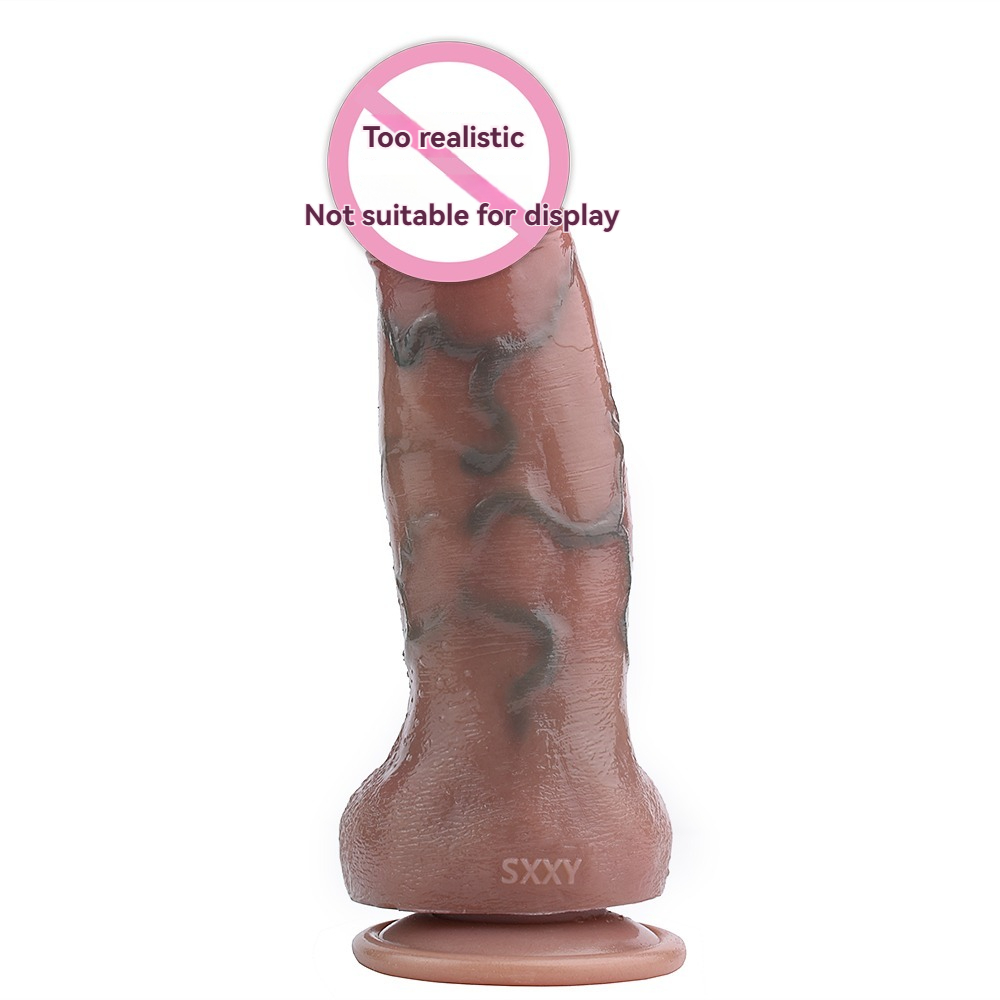
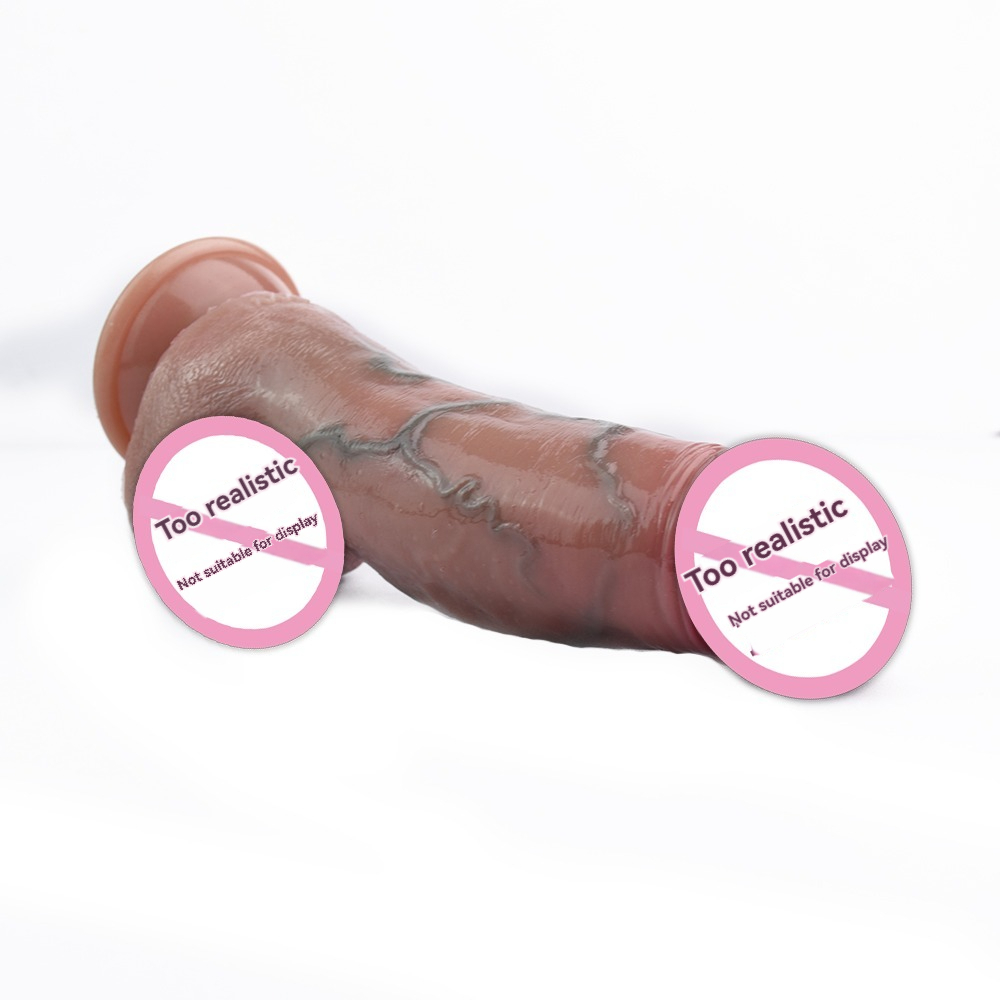
Sex toys like vibrators, dildos, and strap-ons add variety to intimacy. They can:
- Enhance stimulation.
- Explore new sensations.
- Support partners who enjoy penetration.
Role of BDSM and Kink
For couples interested in kink, consensual power dynamics, sensory play, or light bondage can add excitement. Key principles include:
- Consent: Establish clear boundaries and safe words.
- Preparation: Research and practice safely to avoid injuries.
5. Exploring Sex Toys in Lesbian Relationships
Vibrators, Dildos, and Strap-Ons
Sex toys are common in lesbian relationships for:
- Clitoral Stimulation: Vibrators offer precise pleasure.
- Penetration: Dildos and strap-ons provide depth and variety.
- Couples Play: Remote-controlled toys allow interactive experiences.
How to Introduce Toys into the Relationship
- Start Small: Introduce simple toys like a bullet vibrator.
- Explore Together: Research and shop for toys as a couple.
- Be Patient: Allow time to adjust and discover what feels good.
Safety and Hygiene Practices
- Cleaning: Wash toys with warm water and mild soap after every use.
- Lubricants: Use water-based or silicone-based lubes depending on the toy material.
- Storage: Keep toys in clean, dry spaces to prevent contamination.

A loving embrace between two young women in a modern kitchen, highlighting their deep connection and affection for each other.

6. Emotional Intimacy and Connection in Lesbian Relationships
Building Trust and Vulnerability
Emotional intimacy is the cornerstone of a fulfilling and enduring relationship, especially for lesbian couples who often place a high value on connection, understanding, and mutual support. When partners feel emotionally connected, their physical connection becomes more meaningful and satisfying. Here’s how to deepen trust and create a safe space for vulnerability in lesbian relationships:
Honesty
- Be open about your thoughts, feelings, and needs, even if it feels uncomfortable. Honesty builds understanding and shows your partner you trust them enough to share your inner world.
- Avoid withholding information or using white lies, as even small deceptions can erode trust over time. Transparency creates an environment where both partners feel emotionally safe and validated.
Vulnerability
- Share your authentic self, including your fears, insecurities, and dreams. Vulnerability fosters a sense of closeness and invites your partner to reciprocate, deepening mutual understanding.
- For lesbian couples, sharing vulnerabilities may also involve discussing unique experiences, such as navigating societal biases, family pressures, or past relationships.
- Practice active listening when your partner opens up. Offer reassurance and empathy rather than solutions or criticism.
Consistency
- Trust grows through reliable actions over time. Follow through on promises, show up when you say you will, and maintain a consistent presence in your partner’s life.
- Even small gestures of dependability—like checking in during the day, remembering anniversaries, or supporting your partner in moments of stress—reinforce emotional safety.
Practical Tips for Lesbian Couples to Build Emotional Trust
- Daily Check-ins
Spend a few minutes each day sharing your thoughts or discussing how your day went. These small, intentional moments build a foundation for ongoing connection. - Validation
Acknowledge and validate your partner’s feelings, even if you don’t fully agree. For lesbian couples, this can also mean acknowledging the unique challenges or triumphs they face in their personal or shared lives. - Forgiveness
Conflicts are inevitable, but focusing on resolution rather than blame fosters long-term intimacy. Lesbian couples often benefit from understanding that disagreements don’t diminish the love they share—it’s how they resolve those conflicts that strengthens the relationship.
The Role of Emotional Closeness in Sexual Satisfaction
Numerous studies reveal a strong correlation between emotional intimacy and sexual satisfaction, especially in same-sex relationships, where emotional closeness often plays a significant role in deepening physical intimacy. Here’s how to strengthen this connection:
Non-Sexual Affection
- Physical touch outside of sexual activity—like hugging, cuddling, or holding hands—communicates love and care.
- Spontaneous gestures, such as a kiss on the forehead or a warm embrace after a long day, foster a sense of security and warmth.
Expressing Appreciation
- A simple “thank you” for everyday actions—like preparing dinner, listening to your concerns, or showing care—goes a long way in making your partner feel valued.
- Compliment your partner regularly, focusing on both their inner qualities (e.g., kindness, resilience) and physical attributes.
Joint Reflection
- Take time to reminisce about shared memories, such as your first date, a meaningful trip, or significant milestones. These moments remind you of your shared journey and deepen your bond.
- Create new traditions or rituals, like writing each other love notes on anniversaries or revisiting a favorite spot, to reinforce your connection.
Strategies for Strengthening Emotional Intimacy in Lesbian Relationships
Shared Vulnerabilities
- Engage in intentional moments to share your deeper fears and dreams. For example, discuss your hopes for the future, challenges you face as a couple, or aspirations as individuals.
- Writing letters to each other or journaling together can be a safe and meaningful way to express emotions.
Emotional Check-ins
- Ask thoughtful questions like, “How are you really feeling?” or “What’s been on your mind lately?” to go beyond surface-level conversations.
- Show genuine curiosity and interest in your partner’s emotional world, creating space for deeper discussions.
Mindfulness Practices
- Engage in mindfulness activities as a couple, such as meditating together, practicing gratitude, or simply spending time in quiet reflection. Being present fosters emotional closeness.
- Try paired physical activities like yoga or dance to create synchronicity and alignment in both emotional and physical states.
Navigating Conflict as Growth
- For lesbian couples, disagreements may also involve navigating external challenges, such as societal expectations or family dynamics. Use these moments as opportunities to grow together.
- Address issues calmly and constructively, focusing on the behavior rather than the person. Use “I” statements (e.g., “I feel hurt when…”) to express emotions without assigning blame.
By Nurturing Emotional Intimacy
Lesbian couples can create a solid foundation for both their sexual relationship and overall connection. Trust, vulnerability, and consistent care for one another are keys to lasting closeness. When emotional intimacy is strong, physical intimacy becomes more meaningful and fulfilling, allowing couples to thrive both emotionally and physically.
The Role of Emotional Closeness in Sexual Satisfaction
Studies show that emotional intimacy significantly enhances physical intimacy. Ways to strengthen this include:
- Non-Sexual Affection: Holding hands, cuddling, and random acts of kindness create a deeper bond.
- Expressing Appreciation: Regularly thank your partner for what they do and who they are.
- Joint Reflection: Discuss shared experiences and memories to remind each other of your journey together.

7. Safe Sex Practices
Understanding Sexual Health Risks
While the risk of pregnancy isn’t a concern in lesbian relationships, STIs can still be transmitted. Activities like oral sex, fingering, or using shared toys can spread infections if proper precautions aren’t taken.
Protection Methods
- Dental Dams: Thin sheets of latex or polyurethane used during oral sex to protect against STIs.
- Gloves: Prevent transmission of bacteria or viruses during manual stimulation, especially if there are cuts or long nails.
- Condoms on Toys: If toys are shared, using condoms ensures they remain hygienic.
Regular Health Check-Ups and STI Testing
Routine sexual health screenings are vital for both partners. Many STIs are asymptomatic, so regular check-ups help maintain health and peace of mind.
8. Navigating First-Time Experiences
Overcoming Nerves and Anxiety
Embarking on a first-time intimate experience with a same-sex partner can be both exciting and nerve-wracking. It’s natural to feel anxious, especially when exploring new territories of intimacy. For lesbian couples, these feelings may be intensified by societal pressures or a lack of representation. Here are some strategies to ease nerves and build a strong foundation of trust and comfort:
Communicate Your Feelings
- Open Dialogue: Share your thoughts and feelings with your partner. If you’re feeling anxious or unsure, letting your partner know can alleviate pressure and foster mutual understanding.
- Express Expectations: Discuss what intimacy means to each of you. Understanding each other’s desires and boundaries can help align your experiences.
- Transparency Builds Trust: Being honest about your emotions strengthens the bond between you and creates a safe space for vulnerability.
Start Slow
- Non-Penetrative Activities: Begin with activities that build emotional and physical comfort, such as kissing, cuddling, or gentle touching.
- Explore Together: Use this time to discover what feels good for both of you. This can include massages, sensual dancing, or simply holding each other.
- Build Confidence: Taking gradual steps allows both partners to gain confidence and reduces performance anxiety.
Set the Mood
- Create a Relaxing Environment: Dim the lights, light some candles, or play soft music to create a soothing atmosphere.
- Personal Comforts: Incorporate items that make you feel comfortable, like favorite blankets or pillows, to make the space feel safe and intimate.
- Eliminate Distractions: Ensure that phones are silenced and interruptions are minimized to maintain focus on each other.
Tips for a Comfortable and Enjoyable Experience
Consent is Key
- Mutual Agreement: Ensure that both you and your partner are comfortable with every step. Consent is an ongoing conversation, not a one-time check.
- Check-In Regularly: Ask open-ended questions like, “How does this feel?” or “Would you like me to continue?” to maintain open communication.
- Respect Boundaries: Honor any limits set by your partner without pressure or judgment.
Use Lubrication
- Enhance Comfort: Lubrication reduces friction, increases comfort, and can enhance pleasure. It’s especially helpful if either partner experiences dryness due to nerves or other factors.
- Choose the Right Type: Opt for water-based lubricants if you’re using silicone toys, as silicone-based lubes can degrade silicone materials.
- Test for Allergies: If you have sensitive skin, consider hypoallergenic options and do a patch test first.
Take Breaks
- Listen to Your Body: If anything feels overwhelming or uncomfortable, it’s perfectly okay to pause or stop.
- No Rush: Intimacy isn’t a race. Taking your time allows both partners to fully enjoy the experience.
- Reassure Each Other: Use breaks as an opportunity to check in emotionally and physically, reinforcing your connection.
Celebrate Small Wins
- Acknowledge Progress: Recognize and appreciate each step forward, no matter how small.
- Focus on Connection: Remember that intimacy is about building a deeper connection. Perfection isn’t the goal; mutual enjoyment and understanding are.
- Positive Reinforcement: Compliment each other on what feels good to encourage open exploration.
Additional Strategies for First-Time Intimacy
Educate Yourselves
- Learn Together: Consider reading books or articles about lesbian intimacy to gain confidence and ideas.
- Workshops and Resources: Attend workshops or seek resources that focus on LGBTQ+ relationships and sexual health.
- Safe Sex Practices: Familiarize yourselves with safe sex methods applicable to lesbian couples to ensure health and well-being.
Use of Toys and Aids
- Explore Options: Toys can be a fun way to explore intimacy. Discuss with your partner if you’d like to incorporate them.
- Start Simple: Begin with items that aren’t intimidating, like small vibrators or massage oils.
- Hygiene and Safety: Ensure any toys used are clean and designed for safe use. Use protection if sharing toys to maintain hygiene.
Emotional Support
- Post-Experience Discussion: After your intimate encounter, share your feelings about the experience. This can strengthen your bond and improve future encounters.
- Manage Expectations: Understand that first times may not always go as planned, and that’s okay. What’s important is the journey you’re embarking on together.
- Seek Support if Needed: If anxiety persists, consider speaking with a counselor who is knowledgeable about LGBTQ+ issues.
Embracing Your Journey Together
First-time experiences are significant milestones in any relationship. For lesbian couples, these moments can be especially profound as you navigate not only personal intimacy but also the nuances of same-sex relationships. Embrace the journey with patience, openness, and compassion for each other.
Remember that building intimacy is a continuous process filled with opportunities for joy, learning, and deeper connection. By prioritizing communication, consent, and mutual respect, you create a loving environment where both partners feel valued and understood.
Final Thoughts
- Trust the Process: Every couple’s journey is unique. What matters most is that you and your partner feel connected and comfortable.
- Stay Open-Minded: Be willing to explore and try new things at your own pace.
- Support Each Other: Celebrate each other’s efforts and be patient with yourselves.
By following these guidelines, you set the stage for a fulfilling and enjoyable intimate relationship that honors both partners’ needs and desires.

9. Cultural and Social Considerations
Impact of Society on Lesbian Sexuality
Societal stigmas and stereotypes can create barriers to exploring and enjoying lesbian sexuality. Challenges include:
- Media Misrepresentation: Lesbian relationships are often fetishized or misrepresented in mainstream media.
- Internalized Shame: Social judgment may lead to feelings of guilt or inadequacy.
Resources and Communities for Support
Joining supportive communities can empower individuals to embrace their identity and sexuality. Resources include:
- Online Forums: Safe spaces like Reddit’s LGBTQ+ communities provide anonymous advice and camaraderie.
- Local LGBTQ+ Centers: Offer workshops, counseling, and events.
- Literature and Podcasts: Books like The Ethical Slut or podcasts like Queery provide valuable insights.
10. FAQs
Can lesbians contract STIs from each other?
Yes, STIs can be transmitted through bodily fluids, skin-to-skin contact, or shared toys. Using protection, regular testing, and proper hygiene reduce risks.
How do we introduce sex toys into our relationship?
Start by discussing interests and boundaries. Research toys together and choose items both partners feel comfortable exploring. Start with smaller, beginner-friendly options before moving to advanced items.
What if I’m not comfortable with certain sexual activities?
Boundaries are important. Communicate openly with your partner about your discomfort. Intimacy should never feel forced or unpleasant.
How important is emotional intimacy in lesbian relationships?
Emotional intimacy is often a cornerstone of lesbian relationships. It enhances trust, deepens connections, and often leads to more satisfying physical intimacy.
Are there specific safe sex practices lesbians should follow?
Yes, include using dental dams, gloves, and condoms on toys. Always clean toys thoroughly and get regular STI screenings.
What if I feel insecure about my body during intimacy?
Body positivity starts with self-acceptance. Focus on your strengths and communicate with your partner about any insecurities. Remember, intimacy is about connection, not perfection.
How can we keep our sexual relationship exciting over time?
Experiment with new activities, positions, or toys. Plan regular date nights and openly discuss fantasies to keep the spark alive.
Do all lesbians use sex toys?
No, not all lesbians use toys. Intimacy is highly personal, and preferences vary. Toys can enhance pleasure, but they are not a requirement for fulfilling sexual experiences.
Can we have a fulfilling sex life without penetration?
Absolutely. Many lesbians find complete satisfaction through non-penetrative acts like oral sex, touching, and tribadism. The key is mutual satisfaction and open communication.
11. Conclusion
Embracing Your Sexuality and Relationship
Lesbian sexuality is as diverse and beautiful as the individuals who express it. Embrace your unique journey and prioritize communication, trust, and exploration with your partner.
Encouragement to Explore and Communicate
Don’t shy away from discussing your desires or trying new things. Every step you take toward understanding each other deepens your connection and enhances intimacy.
12. References
Academic and Reputable Sources
- Brown, A. (2020). Understanding Intimacy in LGBTQ+ Relationships. Journal of Sexual Health, 35(2), 101-115.
- Johnson, R., & Carter, M. (2021). “Exploring Sexual Diversity: Myths and Realities in Lesbian Relationships.” Journal of LGBTQ+ Studies, 28(3), 215-232.
- Thompson, K. (2019). The Role of Communication in Sexual Satisfaction. Relationship & Wellness Journal, 19(4), 67-78.
- World Health Organization. (2021). STI Prevention and Awareness in LGBTQ+ Communities. Retrieved from who.int
- LGBTQ+ Center Resource Guide. (2022). “Safe Practices for Lesbian Couples.” Available at lgbtqcenter.org
Disclaimer: The content provided in this post is intended
for adults (18+) and is offered for informational purposes only. It does
not constitute medical or professional advice. We make no warranty as to
the accuracy or reliability of the information presented. Any images or
media used may originate from the internet or free-license resources. If
you are the rightful owner and wish to request removal or attribution,
please contact us at
[email protected]
.