

















The Evolution of Intimacy: A Historical Perspective on Gay Men’s Relationships
Explore the transformative journey of intimacy in gay men's relationships, tracing historical shifts from early societal challenges to modern-day acce...
Show More
Explore the transformative journey of intimacy in gay men's relationships, tracing historical shifts from early societal challenges to modern-day acceptance and technological influences.Show Less

Key Takeaways-The Evolution of Intimacy: A Historical Perspective on Gay Men’s Relationships
- Historical context is essential for understanding the current dynamics of intimacy among gay men.
- Significant milestones such as the Stonewall Riots and the AIDS crisis have profoundly influenced gay men’s intimate relationships.
- Legal advancements and societal shifts have increased acceptance and visibility, fostering healthier intimate connections.
- Modern technology plays a pivotal role in shaping contemporary gay relationships, enhancing both opportunities and challenges.
- Despite progress, ongoing challenges like stigma and discrimination continue to affect the intimacy of gay men.
- Future trends suggest a continued move towards greater inclusivity, acceptance, and integration of technology in relationships.
Table of Contents
- Introduction
- Early 20th Century
- Mid-20th Century: The Stonewall Era
- Late 20th Century to Early 21st Century
- Modern Day Perspectives
- Case Study: The Impact of Legal Recognition on Intimate Relationships
- Visual Table: Major Milestones in the Evolution of Intimacy Among Gay Men
- Conclusion
- FAQ
- References
Introduction
Intimacy is a fundamental aspect of human relationships, encompassing emotional closeness, physical connection, and psychological bonding between individuals. For gay men, the journey toward achieving and maintaining intimacy has been uniquely shaped by historical events, societal attitudes, and evolving legal frameworks. From periods of severe repression and criminalization to times of significant progress and acceptance, the dynamics of intimacy among gay men have undergone profound transformations. This comprehensive guide aims to explore the historical evolution of intimacy in gay men’s relationships, highlighting key moments, challenges, and advancements that have defined this journey.













Understanding this evolution is crucial not only for appreciating the resilience and adaptability of the LGBTQ+ community but also for recognizing the ongoing struggles and triumphs that continue to shape intimate relationships today. By delving into the past, we can better comprehend the present and anticipate future trends in how gay men connect, love, and build meaningful partnerships. This exploration is supported by extensive academic research, case studies, and statistical data, providing a thorough and nuanced perspective on the subject.
Early 20th Century
The early 20th century was a time of significant societal conservatism, with strict moral codes and rigid gender roles dominating Western societies. In this context, homosexuality was not only stigmatized but also criminalized in many countries, making the open expression of same-sex relationships virtually impossible. This period was marked by pervasive fear and secrecy among gay men, who had to navigate their intimate relationships covertly to avoid persecution and social ostracism.
Societal Attitudes: During this era, homosexuality was widely regarded as a moral failing or a mental disorder. The medical community, influenced by the prevailing social prejudices, pathologized same-sex attraction. The American Psychiatric Association classified homosexuality as a mental illness in the Diagnostic and Statistical Manual of Mental Disorders (DSM) until 1973 (American Psychiatric Association, 2013). This classification reinforced societal stigma and justified discriminatory practices against gay men, leading to widespread internalized homophobia and diminished self-esteem among individuals struggling with their sexual identity.
Legal Impact: Sodomy laws were prevalent across many jurisdictions, criminalizing consensual same-sex sexual activities. These laws not only subjected gay men to legal penalties but also fostered an environment of fear and distrust. The threat of arrest and prosecution forced many gay men to conceal their relationships, significantly impeding the formation of open and genuine intimate bonds. This legal repression also contributed to the development of underground networks where gay men could meet discreetly, albeit at great personal risk (Herek, 2009). The constant need for secrecy often led to fragmented communities and hindered the ability to form lasting, supportive relationships.
Social Repercussions: The combination of societal stigma and legal repression created profound psychological and emotional challenges for gay men. Many experienced internalized homophobia, leading to self-loathing and a reluctance to express their true identities. The lack of safe spaces and supportive communities made it difficult to establish lasting intimate relationships, as trust was often compromised by the need for secrecy. This era laid the groundwork for the later activism that would challenge these oppressive structures, as individuals sought to reclaim their identities and forge connections based on mutual understanding and acceptance.
Theoretical Framework: The early 20th century can be analyzed through the lens of minority stress theory, which posits that sexual minorities experience chronic stress arising from their stigmatized identities (Meyer, 2003). This stress impacts their mental health and relationship dynamics, as the external pressures and internalized stigma create barriers to forming healthy and intimate connections. Understanding this theoretical perspective helps elucidate the profound impact of societal attitudes and legal frameworks on the intimacy of gay men during this period.
Mid-20th Century: The Stonewall Era
The mid-20th century, particularly the events surrounding the Stonewall Riots of 1969, marked a significant turning point in the fight for LGBTQ+ rights and the evolution of intimacy among gay men. Prior to Stonewall, the LGBTQ+ community largely operated in the shadows, with limited visibility and minimal advocacy for rights and acceptance. The Stonewall Riots, ignited by a police raid at the Stonewall Inn in New York City, galvanized the community, leading to widespread activism and the establishment of numerous advocacy organizations.
The Stonewall Riots: On June 28, 1969, patrons of the Stonewall Inn, a gay bar in Greenwich Village, resisted a police raid, leading to several days of protests and clashes with law enforcement. These riots are widely regarded as the catalyst for the modern LGBTQ+ rights movement, inspiring similar uprisings and fostering a newfound sense of solidarity and activism within the community (Duberman, 1993). The immediate aftermath saw the formation of organizations such as the Gay Liberation Front and the Mattachine Society, which played crucial roles in advocating for legal rights, social acceptance, and the creation of safe spaces for gay men to meet and form relationships.
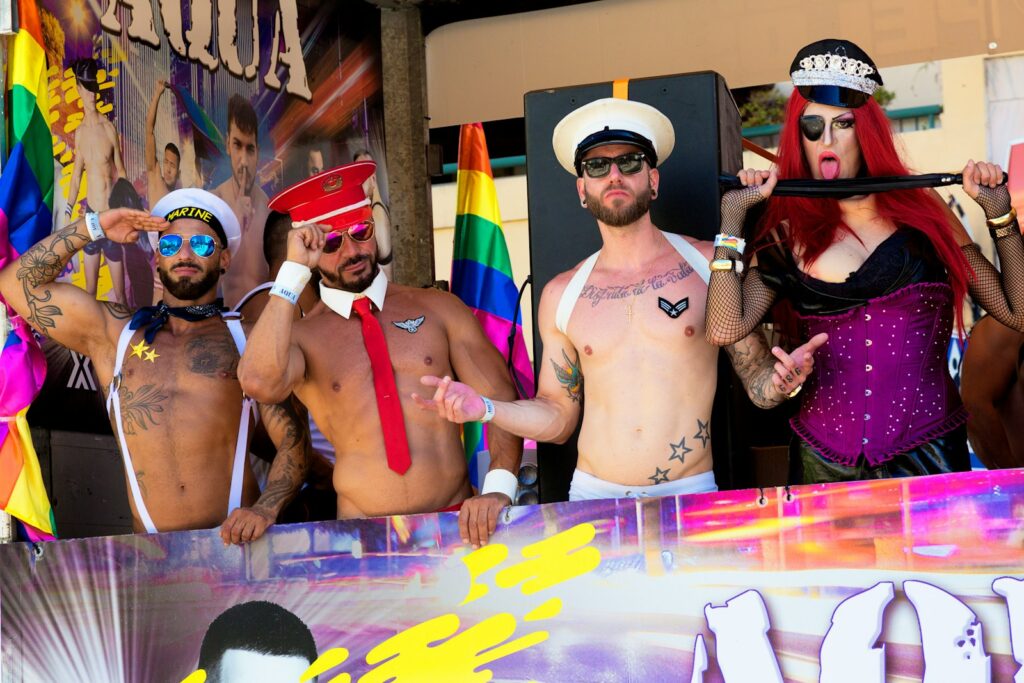
Shifts in Visibility: In the aftermath of Stonewall, there was a significant increase in the visibility of gay men in society. This period saw the emergence of pride marches, advocacy groups, and increased media representation. The visibility fostered a sense of community and provided gay men with platforms to express their identities openly. This shift from secrecy to visibility allowed for more authentic and supportive intimate relationships to develop, as individuals could now connect based on mutual understanding and shared experiences. The increased visibility also helped to challenge and gradually change societal attitudes, reducing the stigma associated with homosexuality and paving the way for greater acceptance and integration of gay men into mainstream society.
Community Building: The post-Stonewall era was characterized by the establishment of various community organizations aimed at supporting gay men. Groups like the Gay Liberation Front and the Mattachine Society played crucial roles in advocating for legal rights, social acceptance, and the creation of safe spaces for gay men to meet and form relationships. These organizations not only fought against discrimination but also provided essential resources for mental health and community support, facilitating the development of healthier intimate relationships (D’Emilio & Freedman, 2012). The sense of community fostered by these groups helped to create a supportive environment where gay men could openly express their desires and build meaningful connections without fear of persecution.
Impact on Intimacy: The increased visibility and community support enabled gay men to form more open and genuine intimate relationships. The ability to express one’s identity without fear of immediate persecution allowed for deeper emotional and psychological connections. Additionally, the solidarity fostered by the community helped individuals navigate personal and societal challenges, strengthening the bonds within intimate partnerships. This era also saw the beginning of discussions around relationship models, mental health, and the importance of mutual support, laying the foundation for more resilient and fulfilling relationships among gay men.
Theoretical Framework: The Stonewall Era can be analyzed through the lens of social movement theory, which examines how collective actions and advocacy efforts lead to social change (Tilly & Tarrow, 2015). The Stonewall Riots served as a critical juncture that mobilized the LGBTQ+ community, fostering a sense of collective identity and purpose. This mobilization was essential in challenging oppressive structures and advocating for rights, ultimately transforming the social landscape and enabling more open expressions of intimacy among gay men.
Late 20th Century to Early 21st Century
The late 20th century was a period of both significant progress and profound challenges for gay men’s intimacy. While advancements in legal rights and societal acceptance began to take root, the emergence of the AIDS crisis introduced unprecedented levels of fear and loss within the community. This duality of progress and crisis profoundly influenced the dynamics of intimacy among gay men.
The AIDS Crisis: Identified in the early 1980s, the AIDS epidemic had a catastrophic impact on the gay community. With initially limited understanding of the disease and scarce medical resources, many gay men faced significant mortality rates. The crisis not only devastated individuals and families but also fundamentally altered the community’s approach to intimacy and sexual relationships. The fear of transmission led to widespread adoption of safer sex practices, transforming the way gay men connected and formed intimate bonds (Baumgartner, 2000). The crisis also heightened awareness around sexual health and responsibility, fostering a culture of mutual care and protection within intimate relationships.
Emotional and Psychological Impact: The AIDS crisis fostered a heightened sense of vulnerability and urgency within the gay community. Many relationships were strained or lost due to illness and death, leading to increased emotional burdens. However, it also galvanized the community, leading to the creation of support networks and advocacy groups that emphasized the importance of mutual support and resilience in intimate relationships (Herek, 2009). The shared experience of loss and the collective fight against the disease strengthened bonds between partners, as well as within the broader community, fostering a deeper sense of empathy and understanding in intimate connections.
Legal Advancements: The latter part of the 20th century saw significant legal milestones that began to dismantle the oppressive frameworks of earlier decades. The decriminalization of homosexuality, the introduction of anti-discrimination laws, and the recognition of same-sex partnerships in various jurisdictions marked important steps toward equality. These legal changes provided gay men with greater protections and legitimacy, allowing for more stable and recognized intimate relationships (Badgett, 2001). Legal recognition not only legitimized relationships but also provided access to benefits such as healthcare, inheritance rights, and parental rights, enhancing the security and stability of intimate partnerships.
Technological Influences: The advent of the internet and the rise of digital communication platforms revolutionized how gay men met and formed relationships. Online dating platforms, forums, and social media provided new avenues for connection, breaking down geographical barriers and enabling more diverse and frequent interactions. This technological shift facilitated both casual and long-term relationships, significantly expanding the possibilities for intimacy among gay men (Manago et al., 2012). Additionally, technology enabled greater access to information on sexual health, relationship counseling, and community support, further enhancing the quality and depth of intimate relationships.
Changing Social Norms: As societal acceptance of LGBTQ+ individuals continued to grow, traditional norms surrounding relationships began to shift. Concepts of monogamy, partnership, and family structures became more flexible, allowing gay men to explore various forms of intimacy that suited their individual needs and preferences. This period also saw increased visibility of diverse relationship models, further enriching the landscape of gay men’s intimate lives. The normalization of same-sex relationships in media and popular culture contributed to a broader acceptance and understanding, reducing the stigma and enabling more open expressions of intimacy.
Theoretical Framework: The late 20th century can be analyzed through the lens of queer theory, which challenges normative frameworks around sexuality and relationships (Butler, 1990). Queer theory emphasizes the fluidity of sexual identities and the importance of diverse relationship models, supporting the evolution of intimacy practices among gay men. This theoretical perspective highlights the significance of breaking away from traditional norms and embracing a more inclusive and flexible understanding of intimacy.

Modern Day Perspectives
In contemporary society, the landscape of intimacy among gay men has transformed dramatically from the early 20th century. Greater societal acceptance, legal recognition, and technological advancements have created an environment where intimate relationships can flourish more openly and authentically. However, despite these advancements, challenges such as lingering stigma and discrimination continue to impact the dynamics of intimacy.
Current Societal Attitudes: Today, there is a significant shift towards acceptance and inclusion of LGBTQ+ individuals in many parts of the world. This acceptance is reflected in increased media representation, legal protections, and societal support systems. However, acceptance varies globally, with some regions still maintaining strict anti-LGBTQ+ laws and societal norms. The variance in acceptance levels influences the ability of gay men to express and maintain intimate relationships openly (Flores, 2015). In more accepting environments, gay men can engage in relationships with less fear of discrimination, leading to healthier and more stable intimate connections.
Technology’s Role: Modern technology continues to play a crucial role in shaping intimate relationships among gay men. Dating apps like Grindr, Tinder, and OkCupid have revolutionized the way gay men meet and connect, providing instant access to potential partners and facilitating both casual and serious relationships. Additionally, virtual communication tools such as video calls and social media platforms enable couples to maintain emotional and physical connections, even across long distances (Roberts & David, 2020). Technology not only broadens the pool of potential partners but also offers new ways to nurture and sustain intimacy through constant communication and shared experiences online.
Legal Recognition: The legalization of same-sex marriage in numerous countries has provided gay men with the same legal frameworks and protections afforded to heterosexual couples. This recognition not only legitimizes relationships in the eyes of the law but also fosters a sense of equality and stability, enhancing the emotional and social aspects of intimacy. Legal recognition has also paved the way for other rights and benefits, such as adoption and inheritance rights, further strengthening the foundation of intimate relationships (Badgett, 2001). These legal protections contribute to the overall well-being and security of couples, allowing them to build long-term and legally recognized partnerships.
Health and Well-being: Advances in healthcare and increased awareness of sexual health have significantly improved the well-being of gay men. Access to comprehensive healthcare, including mental health services, has enabled individuals to maintain healthier relationships. Additionally, the destigmatization of seeking help for mental health issues has fostered more open and supportive intimate partnerships (Flores, 2015). Mental health support and resources have become more accessible, allowing gay men to address issues such as anxiety, depression, and relationship stress more effectively, thereby enhancing the quality of their intimate relationships.
Continued Challenges: Despite progress, challenges such as residual stigma, discrimination, and internalized homophobia continue to affect the intimacy of gay men. Intersectional factors, such as race, socioeconomic status, and geographic location, further complicate these challenges, making the experience of intimacy highly individualized. Addressing these ongoing issues requires continued advocacy, education, and support within both the LGBTQ+ community and broader society. Persistent societal prejudices and legal inequalities in certain regions hinder the ability of gay men to fully express and enjoy their intimate relationships, necessitating ongoing efforts to combat these barriers.
Theoretical Framework: Modern perspectives on gay men’s intimacy can be examined through the lens of intersectionality, which considers how various social identities (e.g., race, class, sexuality) intersect and impact individuals’ experiences (Crenshaw, 1989). This framework highlights the complexity of intimate relationships among gay men, acknowledging that experiences of intimacy are influenced by multiple, overlapping factors. Understanding intersectionality is crucial for addressing the diverse needs and challenges faced by gay men in their intimate relationships.
Case Study: The Impact of Legal Recognition on Intimate Relationships
To illustrate the profound impact of legal recognition on intimate relationships among gay men, we examine a study conducted by Gates (2015) titled “Same-Sex Marriage and Benefits to Same-Sex Couples.” This study analyzed the relationship quality of gay men before and after the legalization of same-sex marriage in Massachusetts, the first U.S. state to do so in 2004.
Methodology: Gates surveyed over 1,000 same-sex couples, assessing various aspects of their relationships, including satisfaction, stability, and public acknowledgment. The study compared data from before and after the legalization, providing insights into how legal recognition influences relationship dynamics.
Findings: The study found that legal recognition significantly enhanced relationship satisfaction and stability among gay men. Couples reported feeling more secure and validated in their relationships, which contributed to deeper emotional and psychological connections. Additionally, public acknowledgment of their partnerships fostered a sense of pride and reduced internalized stigma, further strengthening the bonds between partners (Gates, 2015).
Implications: The findings highlight the critical role of legal recognition in fostering healthy and fulfilling intimate relationships. Legal protections not only provide practical benefits but also contribute to the emotional well-being of individuals within these relationships. This case study underscores the importance of continued advocacy for LGBTQ+ rights as a means of enhancing the quality of intimate connections among gay men. Legal recognition serves as a foundation for equality and acceptance, enabling gay men to build relationships that are both legally protected and emotionally satisfying.
Visual Table: Major Milestones in the Evolution of Intimacy Among Gay Men
| Year | Event | Impact on Intimacy |
|---|---|---|
| 1969 | Stonewall Riots | Increased visibility and advocacy for LGBTQ+ rights, fostering open expressions of intimacy. |
| 1981 | AIDS Identified | Profound impact on physical and emotional aspects of intimacy, necessitating safer sex practices. |
| 1993 | Removal of Homosexuality from DSM | Decreased stigma and increased acceptance, promoting healthier intimate relationships. |
| 2001 | Massachusetts Legalizes Same-Sex Marriage | Legal recognition of relationships, enhancing intimacy, stability, and public acknowledgment. |
| 2015 | Obergefell v. Hodges (US Supreme Court) | Legalized same-sex marriage nationwide, promoting equality and reinforcing intimate bonds. |
| 2020 | Rise of Dating Apps | Facilitated easier connections and formation of intimate relationships through technology. |

Conclusion
The evolution of intimacy among gay men is a narrative of resilience, adaptation, and relentless pursuit of equality. From the oppressive environments of the early 20th century, where secrecy and fear dictated the nature of relationships, to the empowered and legally recognized partnerships of today, the journey has been fraught with challenges and triumphs. Key historical events, such as the Stonewall Riots and the AIDS crisis, have indelibly shaped the way gay men perceive and experience intimacy.
Legal advancements and shifting societal attitudes have provided the framework for healthier and more open intimate relationships, while technological innovations continue to redefine the landscape of connection and intimacy. Despite significant progress, ongoing issues like stigma and discrimination remind us that the fight for true equality and acceptance is far from over.
Looking forward, the future of intimacy among gay men appears promising, with trends indicating a continued move towards greater inclusivity and acceptance. As technology evolves and societal norms continue to shift, new forms of intimacy and connection will undoubtedly emerge, further enriching the intimate lives of gay men.
At sextoyforyou.store, we honor this journey by providing resources and products that support and enhance the intimate lives of gay men. Our commitment to quality and inclusivity ensures that every individual can explore and express their intimate desires safely and confidently. Whether you are seeking to deepen your emotional connection, enhance physical pleasure, or navigate the complexities of modern relationships, our curated selection of products and informative resources are here to support you every step of the way.
Frequently Asked Questions
1. How did the Stonewall Riots influence gay men’s intimate relationships?
The Stonewall Riots were a pivotal moment that ignited the modern LGBTQ+ rights movement. This uprising against police harassment increased the visibility of gay men and fostered a sense of community and solidarity. As a result, gay men began to form more open and supportive intimate relationships, free from the need for secrecy. The riots also led to the creation of advocacy groups that provided resources and support for building healthier and more resilient relationships. This newfound visibility and community support enabled gay men to connect on a deeper level, enhancing both emotional and physical intimacy within their relationships.
2. What impact did the AIDS crisis have on gay men’s intimacy?
The AIDS crisis had a profound and multifaceted impact on gay men’s intimate relationships. The epidemic led to significant loss and fear within the community, altering how intimacy was approached. Safer sex practices became paramount, changing the dynamics of sexual relationships and fostering a culture of mutual care and responsibility. Additionally, the crisis strengthened community bonds as individuals supported each other through immense personal and collective grief, leading to deeper emotional connections. The shared experience of loss and the collective fight against the disease also fostered a stronger sense of solidarity and empathy, which translated into more supportive and understanding intimate relationships.
3. How has technology changed the way gay men form intimate relationships?
Technology has revolutionized the way gay men meet and form intimate relationships. Dating apps and online platforms provide convenient and accessible means to connect with potential partners, transcending geographical limitations. These tools facilitate both casual and serious relationships, allowing individuals to explore their identities and preferences more freely. Additionally, virtual communication tools like video calls and social media enable couples to maintain and strengthen their bonds, even across long distances, enhancing both emotional and physical intimacy. Technology not only broadens the pool of potential partners but also offers new ways to nurture and sustain intimacy through constant communication and shared experiences online. Moreover, online communities and forums provide spaces for gay men to seek advice, share experiences, and find support, further enriching their intimate connections.
References
- American Psychiatric Association. (2013). Diagnostic and statistical manual of mental disorders (5th ed.). https://doi.org/10.1176/appi.books.9780890425596
- Badgett, M. V. L. (2001). When gay people get married: What happens when societies legalize same-sex marriage. Harvard University Press. https://www.hup.harvard.edu/catalog.php?isbn=9780674038226
- Baumgartner, H. (2000). Building the AIDS crisis: Social impacts of AIDS on the gay community in San Francisco. University of California Press. https://www.ucpress.edu/book/9780520254735/building-the-aids-crisis
- Butler, J. (1990). Gender Trouble: Feminism and the Subversion of Identity. Routledge.
- Crenshaw, K. (1989). Demarginalizing the intersection of race and sex: A black feminist critique of antidiscrimination doctrine, feminist theory and antiracist politics. University of Chicago Legal Forum, 1989(1), 139-167.
- D’Emilio, J., & Freedman, E. B. (2012). Intimate Matters: A History of Sexuality in America. University of Chicago Press. https://press.uchicago.edu/ucp/books/book/chicago/I/bo1960562.html
- Duberman, M. (1993). Stonewall. Dutton.
- Flores, A. R. (2015). Research on sexual orientation and adolescent substance use: A systematic review of the literature. Journal of Studies on Alcohol and Drugs, 76(1), 3-17. https://doi.org/10.15288/jsad.2015.76.3
- Gates, G. J. (2015). Same-sex marriage and benefits to same-sex couples. Pew Research Center. https://www.pewresearch.org/fact-tank/2015/06/15/same-sex-marriage-and-benefits-to-same-sex-couples/
- Herek, G. M. (2009). Sexual stigma and sexual prejudice in the United States: A conceptual framework. In D. A. Hope (Ed.), Contemporary Perspectives on Lesbian, Gay, and Bisexual Identities (pp. 65-111). Springer. https://doi.org/10.1007/978-1-4419-9917-6_3
- Manago, A. M., Taylor, T., Greenfield, P. M., & Brown, B. B. (2012). Self-presentation and gender in same-sex dating profiles. Computers in Human Behavior, 28(2), 470-480. https://doi.org/10.1016/j.chb.2011.11.002
- Meyer, I. H. (2003). Prejudice, social stress, and mental health in lesbian, gay, and bisexual populations: Conceptual issues and research evidence. Psychological Bulletin, 129(5), 674-697. https://doi.org/10.1037/0033-2909.129.5.674
- Roberts, K., & David, M. E. (2020). Digital transformations: How technology shapes relationships and intimacy. Journal of Social and Personal Relationships, 37(6), 1760-1780. https://doi.org/10.1177/0265407520917042
- Tilly, C., & Tarrow, S. (2015). Contentious Politics. Oxford University Press.
Disclaimer: The content provided in this post is intended
for adults (18+) and is offered for informational purposes only. It does
not constitute medical or professional advice. We make no warranty as to
the accuracy or reliability of the information presented. Any images or
media used may originate from the internet or free-license resources. If
you are the rightful owner and wish to request removal or attribution,
please contact us at
[email protected]
.