















Enhancing Intimacy in LGBTQ+ Relationships: The Role of Sex Toys
Discover how sex toys can play a pivotal role in enhancing intimacy within LGBTQ+ relationships. Explore the benefits, types of toys suitable for vari...
Show More
Discover how sex toys can play a pivotal role in enhancing intimacy within LGBTQ+ relationships. Explore the benefits, types of toys suitable for various orientations, and tips for integrating these tools to foster deeper connections and greater satisfaction.Show Less

Key Takeaways
- Inclusive Intimacy: Enhancing intimacy in LGBTQ+ relationships involves understanding and addressing the unique needs and dynamics of diverse sexual orientations and gender identities.
- Role of Sex Toys: Sex toys serve as valuable tools for fostering intimacy, communication, and sexual satisfaction among LGBTQ+ partners.
- Customized Solutions: Selecting the right sex toys tailored to specific orientations and preferences can significantly improve relationship satisfaction and sexual health.
- Open Communication: Effective communication about desires, boundaries, and the use of sex toys strengthens trust and emotional connections in relationships.
- Educational Resources: Comprehensive education on sexual wellness and the benefits of sex toys empowers LGBTQ+ individuals to make informed choices that enhance their intimate experiences.
Table of Contents
- Introduction
- Understanding Intimacy in LGBTQ+ Relationships
- The Role of Sex Toys in Enhancing Intimacy
- Choosing the Right Sex Toys for LGBTQ+ Couples
- Incorporating Sex Toys into Relationships
- Case Studies and Success Stories
- Visual Element: Types of Sex Toys and Their Benefits
- Comprehensive FAQ
- Conclusion
- References
Introduction
Intimacy is a fundamental aspect of any romantic relationship, fostering emotional connections, trust, and mutual satisfaction. In LGBTQ+ relationships, the dynamics of intimacy can be influenced by unique factors related to sexual orientation, gender identity, and societal pressures. Enhancing intimacy in these relationships requires a nuanced understanding of these factors and the tools that can facilitate deeper connections.
Sex toys have emerged as valuable tools in enhancing intimacy, offering innovative ways for couples to explore their sexuality, communicate their desires, and strengthen their emotional bonds. sextoyforyou.store is committed to supporting LGBTQ+ individuals and couples in their journey toward fulfilling and healthy sexual relationships by providing a diverse range of high-quality, inclusive sex toys designed to meet the unique needs of all orientations and identities.


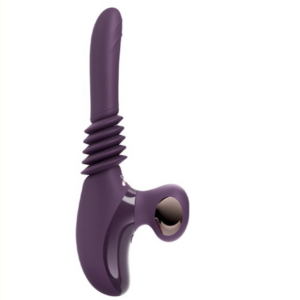
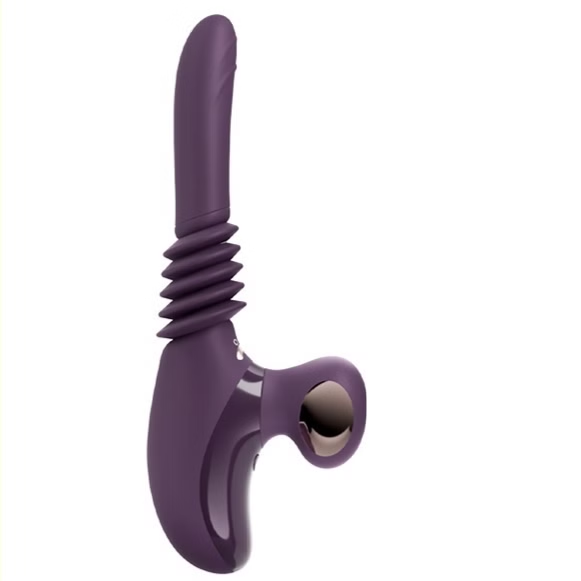
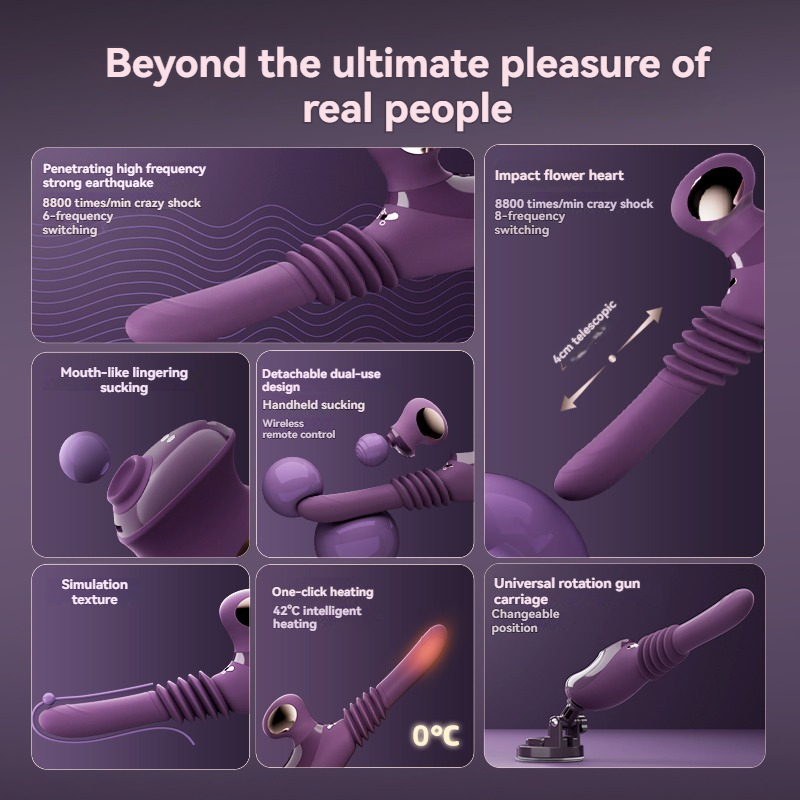
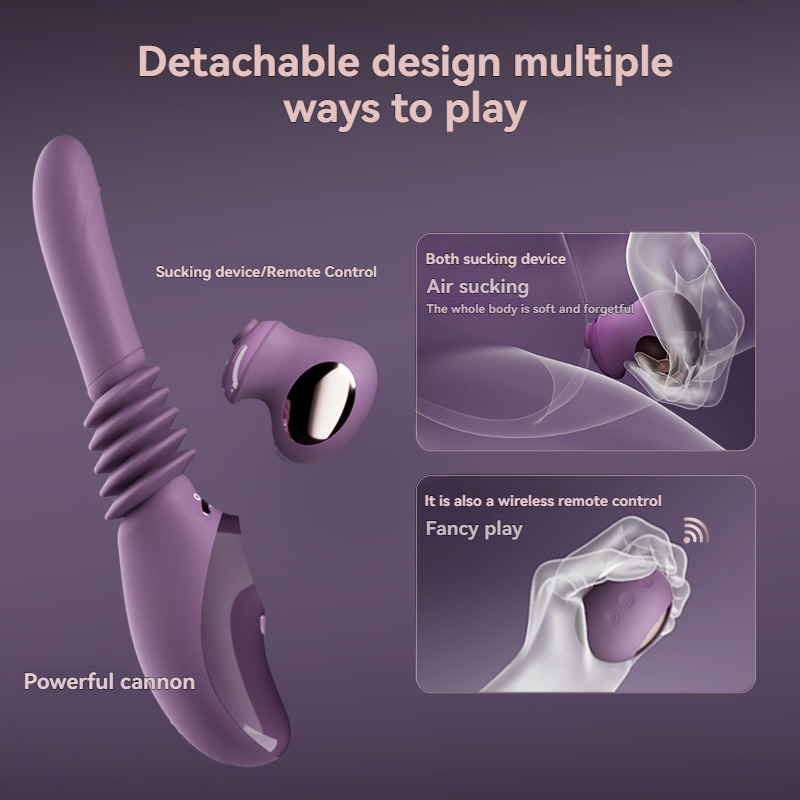
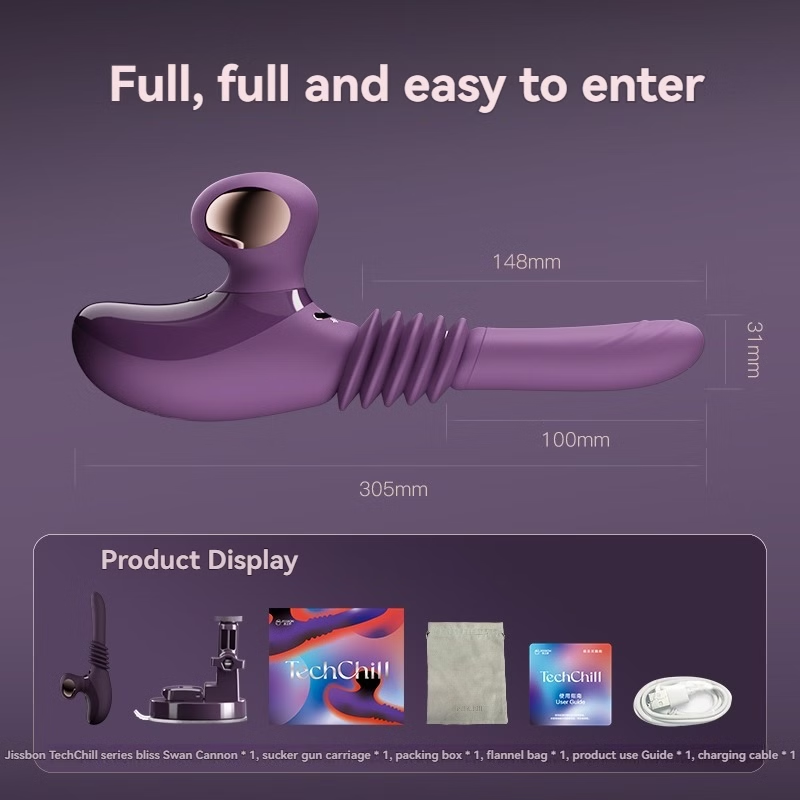
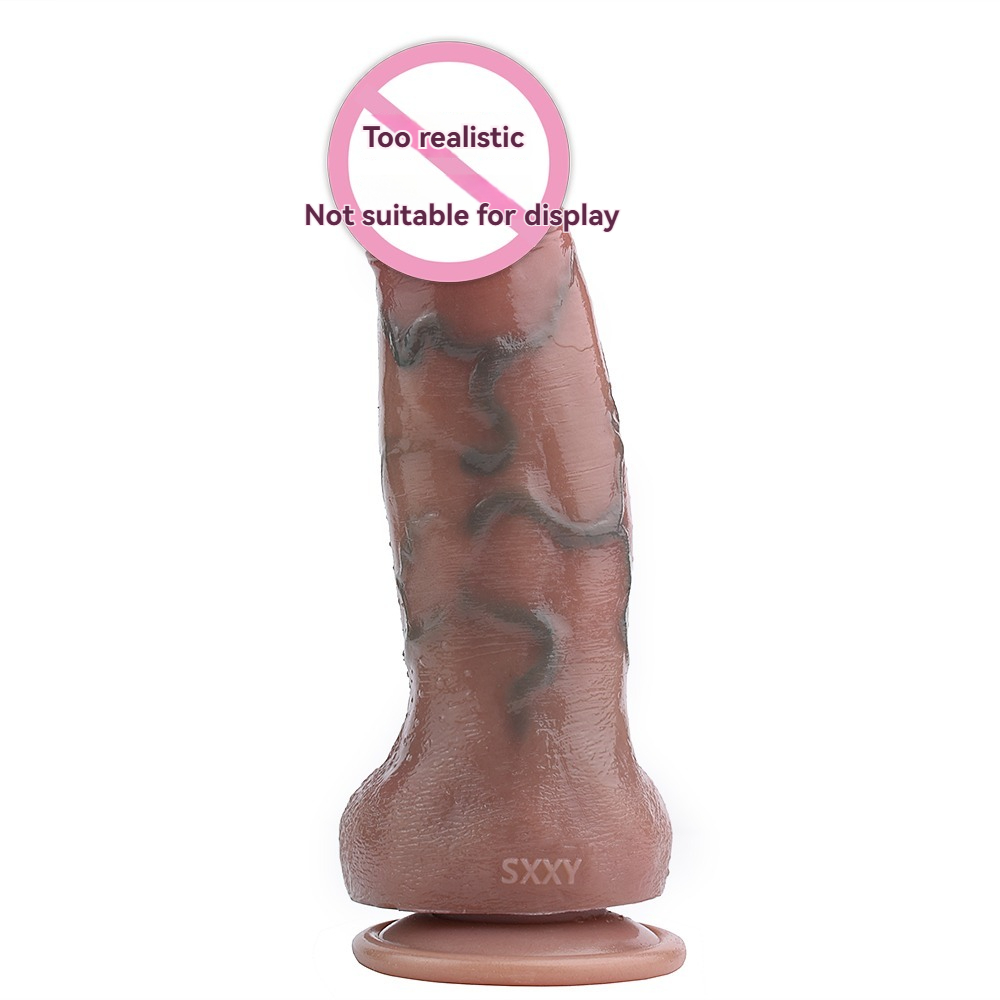
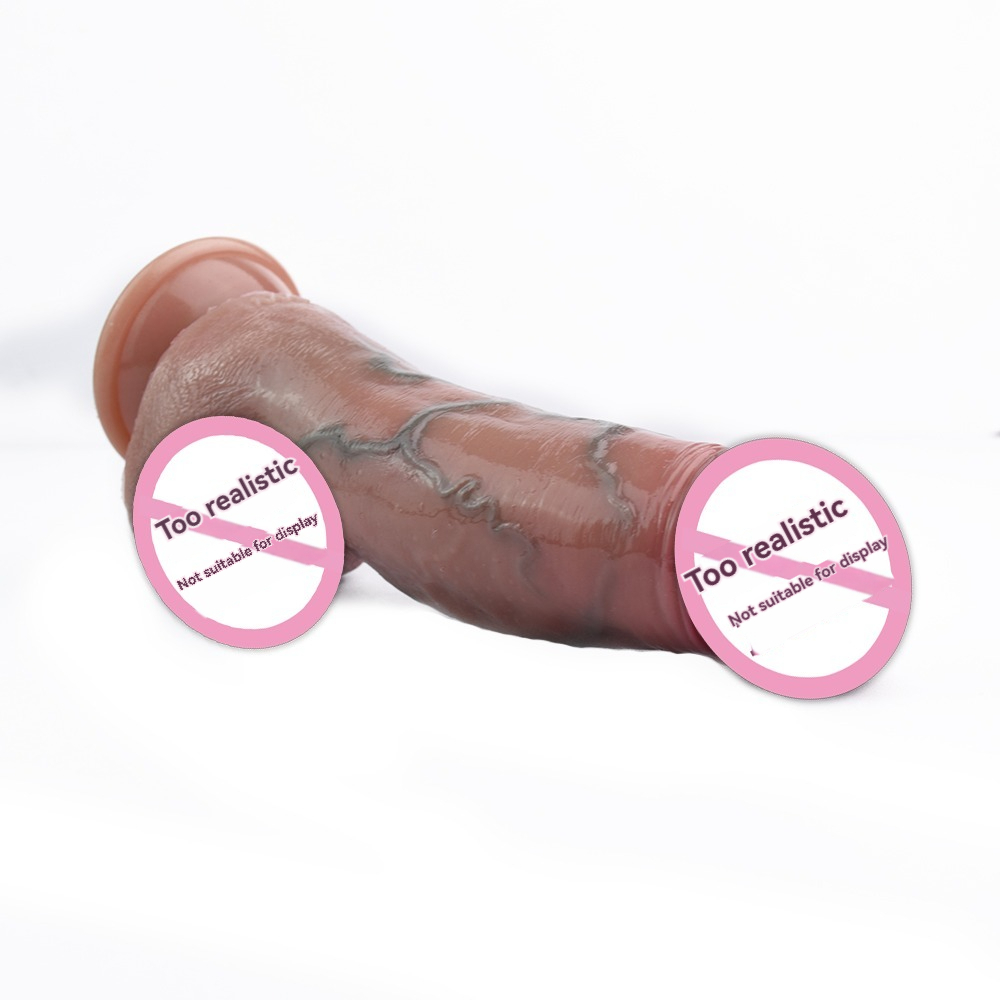

This comprehensive guide delves into the role of sex toys in enhancing intimacy within LGBTQ+ relationships, offering science-based solutions, practical tips, and real-life examples to empower individuals and couples. Whether you’re new to using sex toys or seeking to deepen your understanding of their benefits, this guide provides the knowledge and tools necessary to navigate and enhance your intimate experiences.







Understanding Intimacy in LGBTQ+ Relationships
Defining Intimacy

Intimacy in relationships encompasses various dimensions, including emotional, physical, intellectual, and spiritual connections. It involves the ability to share thoughts, feelings, and experiences with a partner in a way that fosters closeness and understanding. In LGBTQ+ relationships, intimacy can also intersect with aspects of identity, societal acceptance, and unique relationship dynamics.
Emotional Intimacy: This involves sharing personal feelings, vulnerabilities, and emotional support with a partner. It is the foundation of trust and mutual understanding.
Physical Intimacy: This includes sexual activities, physical affection, and gestures that convey love and attraction. Physical intimacy is often where sex toys play a significant role in enhancing the sexual aspect of the relationship.
Intellectual Intimacy: Engaging in meaningful conversations, sharing ideas, and stimulating each other’s minds contribute to intellectual intimacy.
Spiritual Intimacy: Sharing beliefs, values, and spiritual practices can deepen the bond between partners.
Unique Challenges in LGBTQ+ Relationships
LGBTQ+ relationships can face unique challenges that impact intimacy, including:
- Societal Stigma and Discrimination: External pressures and societal prejudices can create stress and anxiety, affecting emotional and physical intimacy.
- Identity Exploration: Navigating and affirming one’s sexual orientation and gender identity can influence relationship dynamics and intimacy.
- Lack of Representation: Limited representation of LGBTQ+ relationships in media and educational resources can lead to feelings of invisibility and misunderstanding.
- Legal and Social Recognition: Differences in legal recognition and social acceptance can impact the stability and security of relationships, influencing emotional intimacy.
Understanding and addressing these challenges is essential for fostering a healthy and intimate relationship in the LGBTQ+ community.
The Role of Sex Toys in Enhancing Intimacy
Breaking Down Barriers
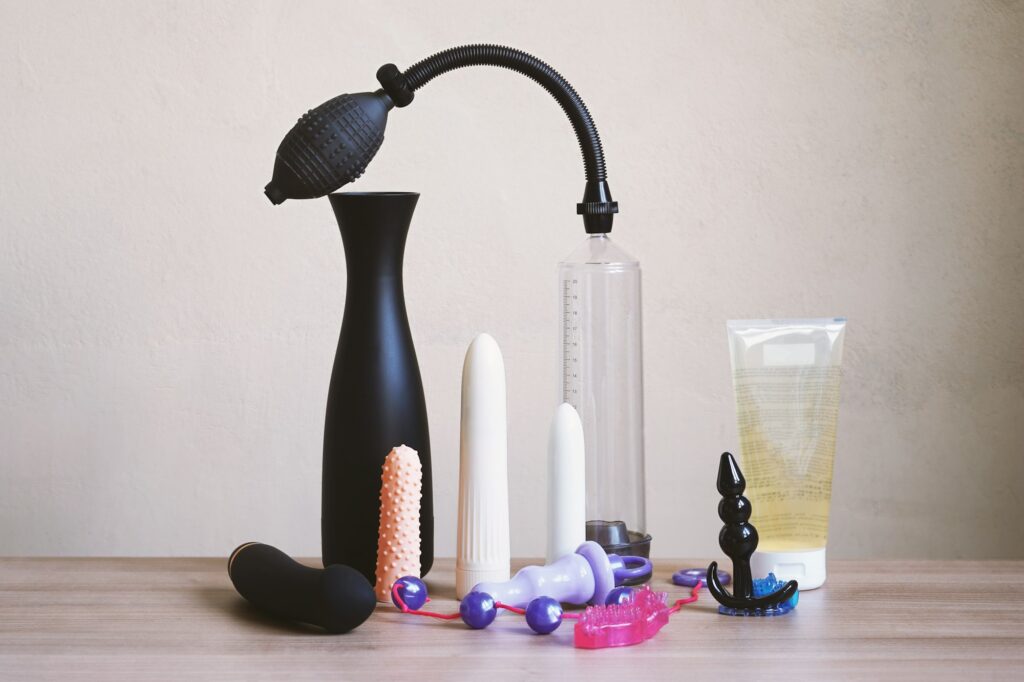
Sex toys can play a pivotal role in breaking down barriers that may hinder intimacy in LGBTQ+ relationships. They provide a means for partners to explore their sexuality in a safe and consensual manner, allowing them to overcome obstacles such as performance anxiety, mismatched libidos, or physical limitations.
For instance, in same-sex male relationships, erectile dysfunction can be a source of stress and embarrassment. Incorporating sex toys like cock rings or vibrators can help maintain erections and enhance sexual pleasure, reducing the pressure on performance and fostering a more relaxed and enjoyable experience.
Enhancing Sexual Satisfaction
Sex toys enhance sexual satisfaction by introducing variety and novelty into sexual activities. They enable partners to explore different forms of stimulation and pleasure, catering to diverse preferences and needs. This exploration can lead to a deeper understanding of each other’s desires, promoting a more satisfying and fulfilling sexual relationship.
In lesbian relationships, toys such as vibrators or clitoral stimulators can enhance sexual pleasure by providing targeted stimulation. This can help partners discover new ways to experience pleasure, increasing overall sexual satisfaction and intimacy.
Promoting Communication
The use of sex toys encourages open communication about sexual desires, boundaries, and preferences. Discussing and selecting toys together fosters a collaborative and communicative relationship, strengthening emotional bonds and trust. This open dialogue is essential for addressing sexual dysfunctions and ensuring that both partners feel heard and valued.
For example, partners may discuss their comfort levels with different types of toys, preferences for specific sensations, or boundaries around their use. This communication can lead to a more honest and transparent relationship, enhancing overall intimacy.
Choosing the Right Sex Toys for LGBTQ+ Couples
Understanding Diverse Needs

LGBTQ+ relationships encompass a wide range of sexual orientations and gender identities, each with unique sexual needs and preferences. Understanding these diverse needs is crucial for selecting sex toys that enhance intimacy and satisfaction.
Gay Men: May benefit from toys that enhance penile stimulation, prostate massage, or address erectile dysfunction.
Lesbian Women: May prefer toys that stimulate the clitoris, facilitate manual stimulation, or enhance vaginal lubrication.
Bisexual Individuals: May seek versatile toys that cater to both penetrative and non-penetrative activities.
Queer and Pansexual Individuals: May require customizable and inclusive toys that respect non-binary and gender-fluid identities.
Asexual Individuals: May prefer toys that enhance non-sexual intimacy, such as sensual massage tools or items that promote emotional connection.
Types of Sex Toys Suitable for LGBTQ+ Relationships
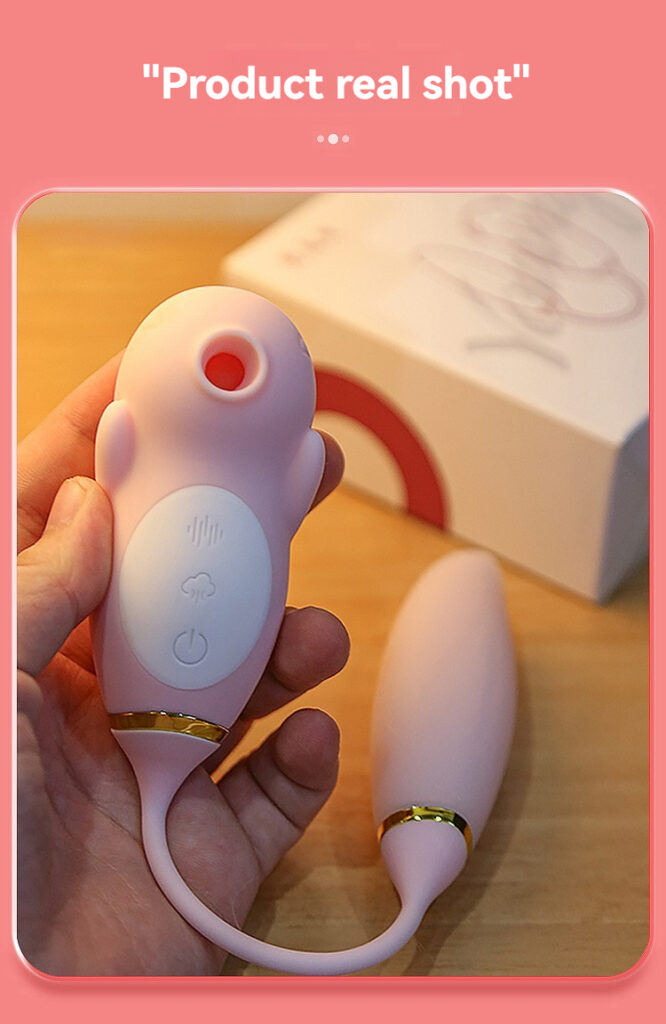
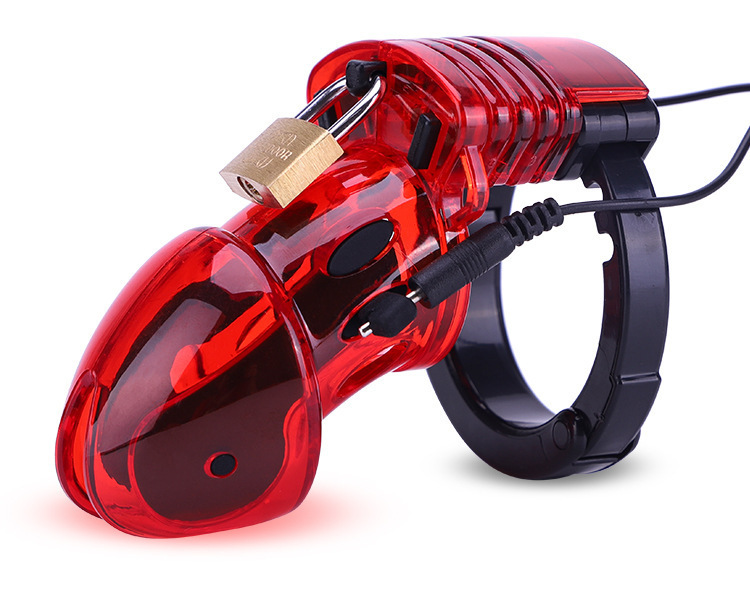
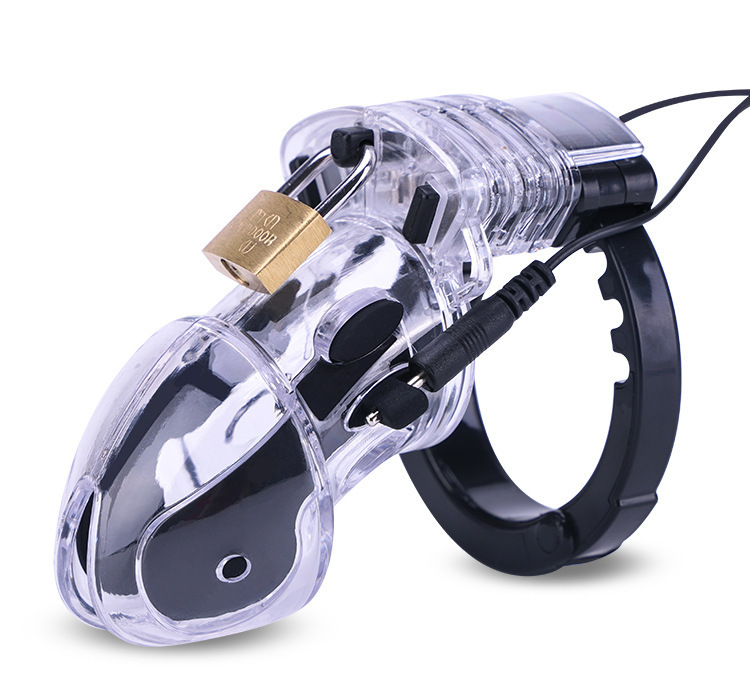
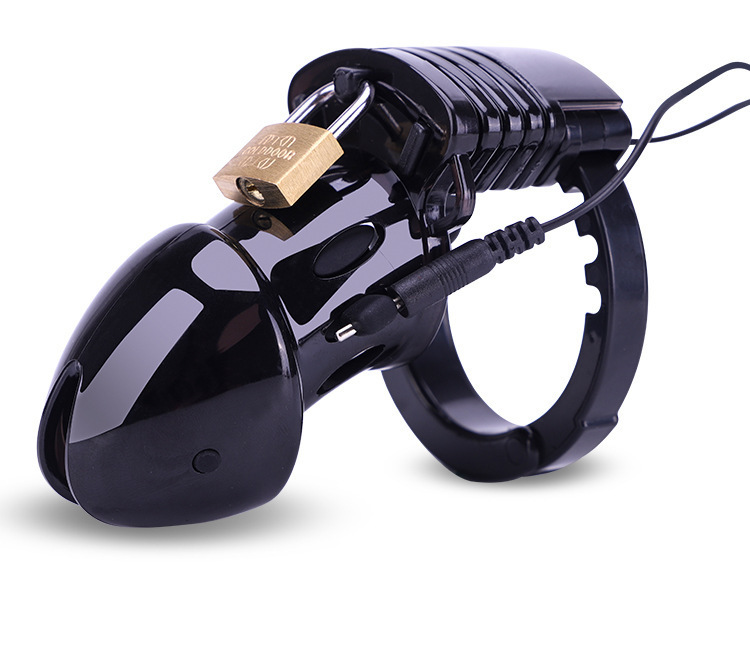
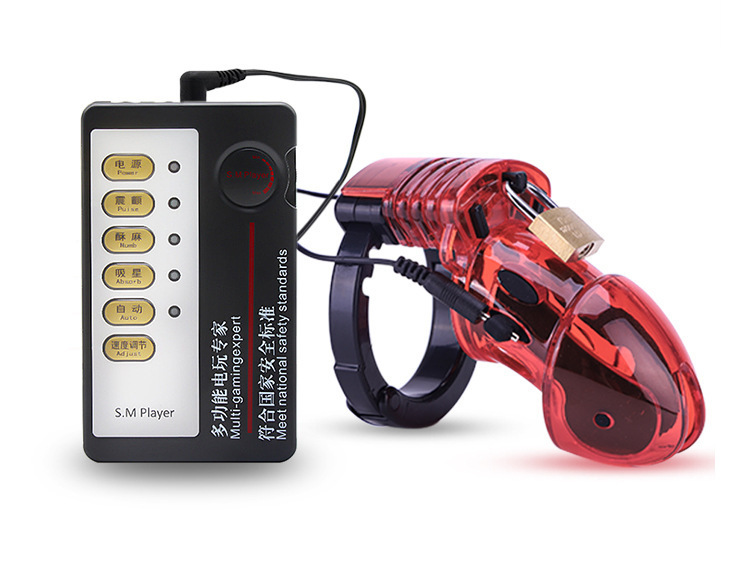
Selecting the right sex toys involves considering the specific needs and preferences of each orientation. Here are some types of sex toys that cater to diverse LGBTQ+ relationships:
- Vibrators: Versatile and widely used, vibrators can enhance clitoral stimulation, penile stimulation, or prostate massage, depending on the design and functionality.
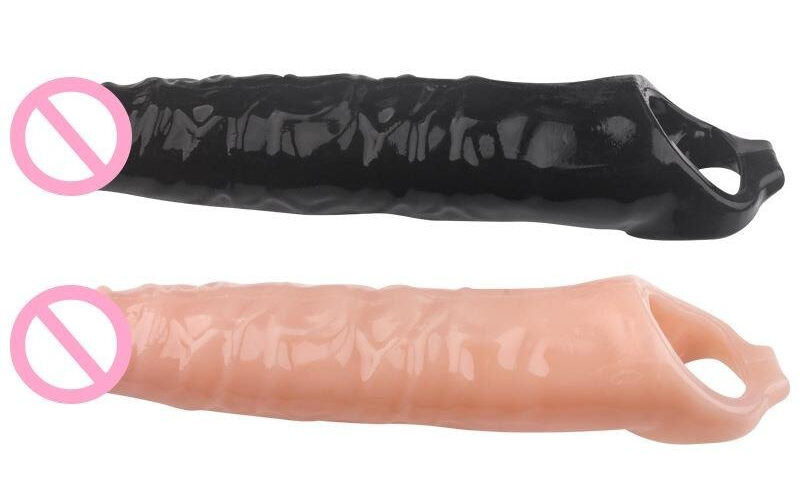
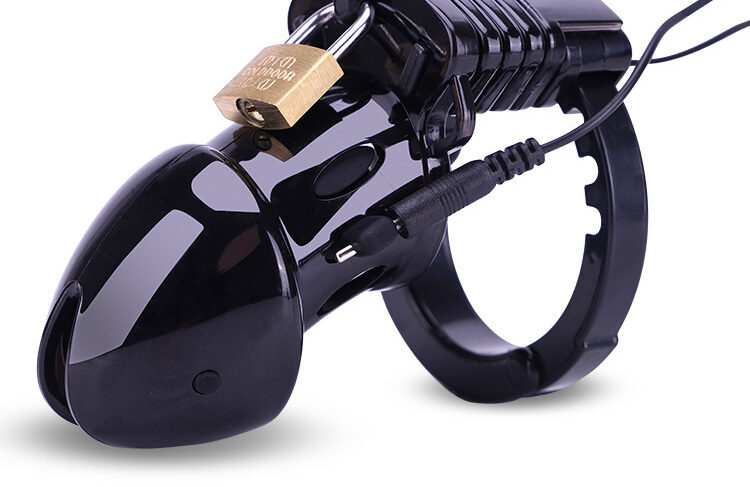
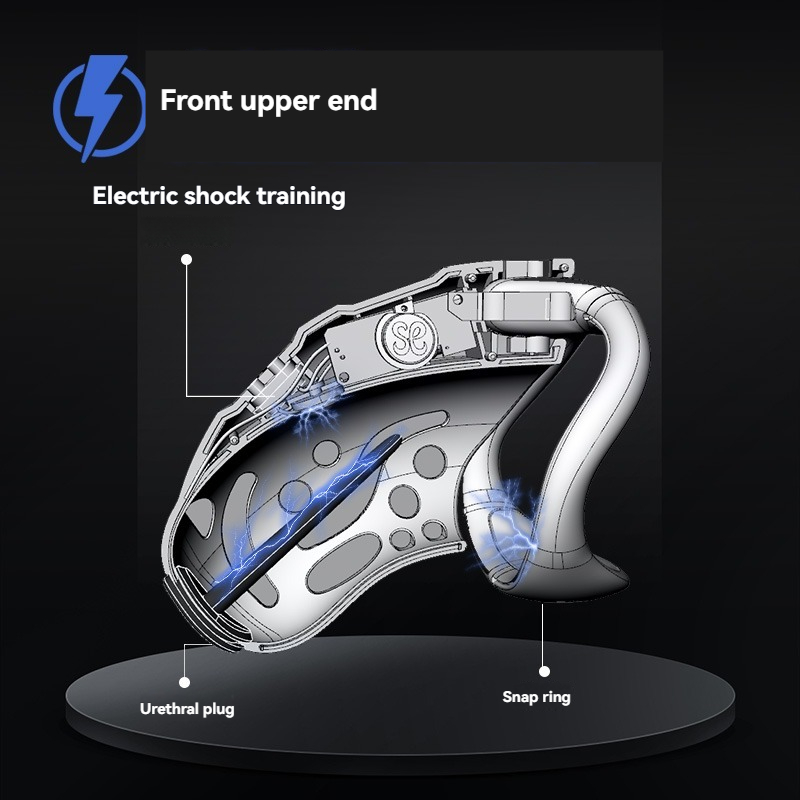
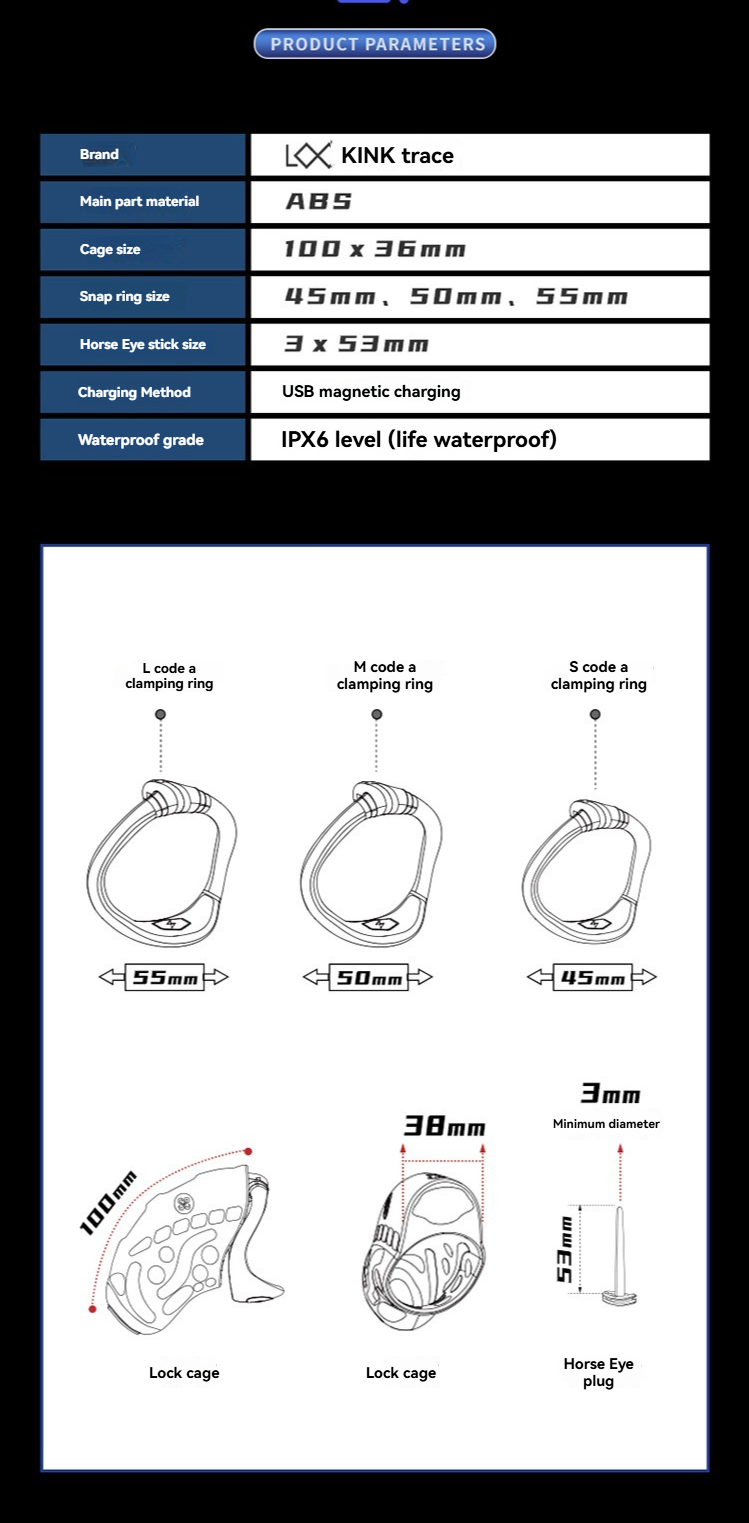
- Cock Rings: Designed to restrict blood flow out of the penis, cock rings can help maintain erections and enhance sexual performance in men.
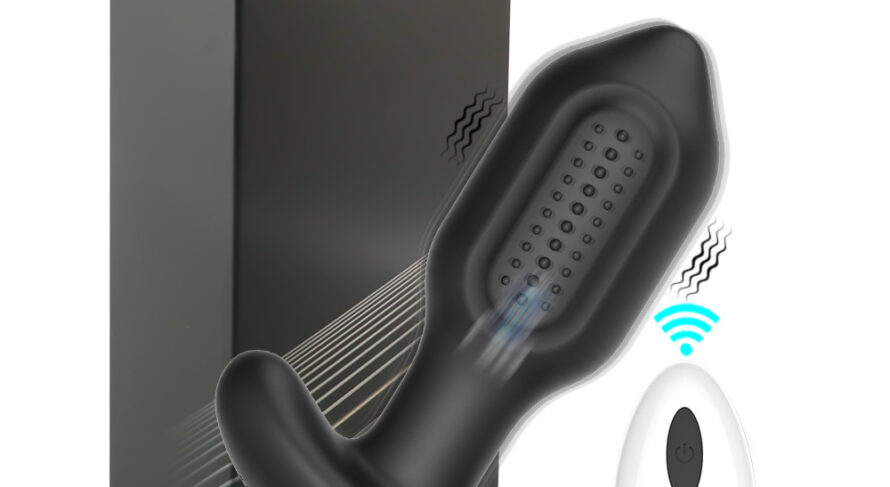
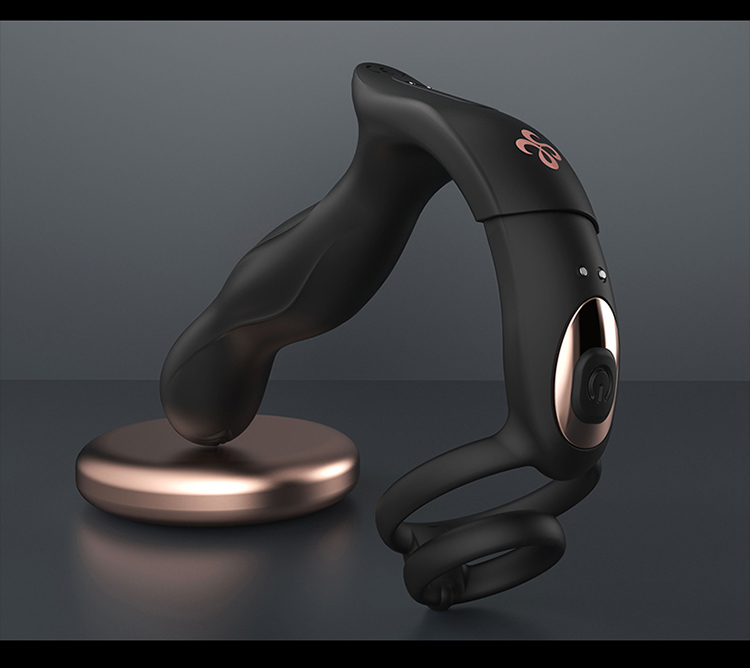
- Prostate Massagers: These toys target the prostate gland, providing pleasurable stimulation and potentially enhancing orgasmic intensity in men.
- Double-Ended Toys: Suitable for couples, these toys allow both partners to experience stimulation simultaneously, fostering a shared sexual experience.
- Dildos: Available in various sizes and materials, dildos can be used for penetrative activities, enhancing sexual satisfaction in lesbian and queer relationships.
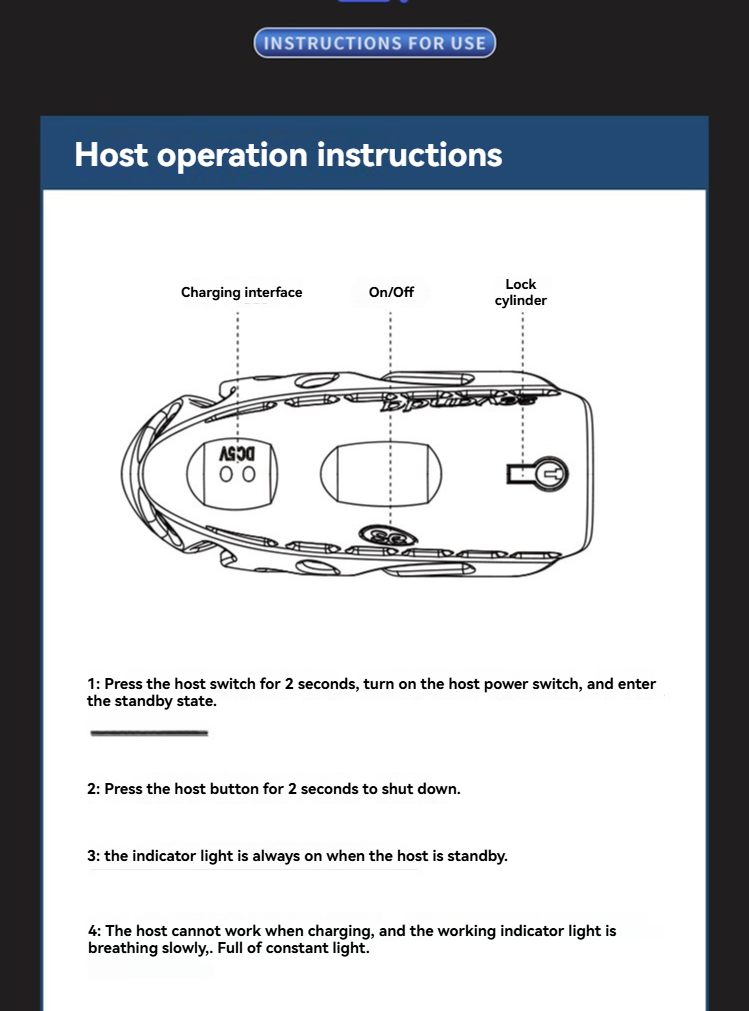
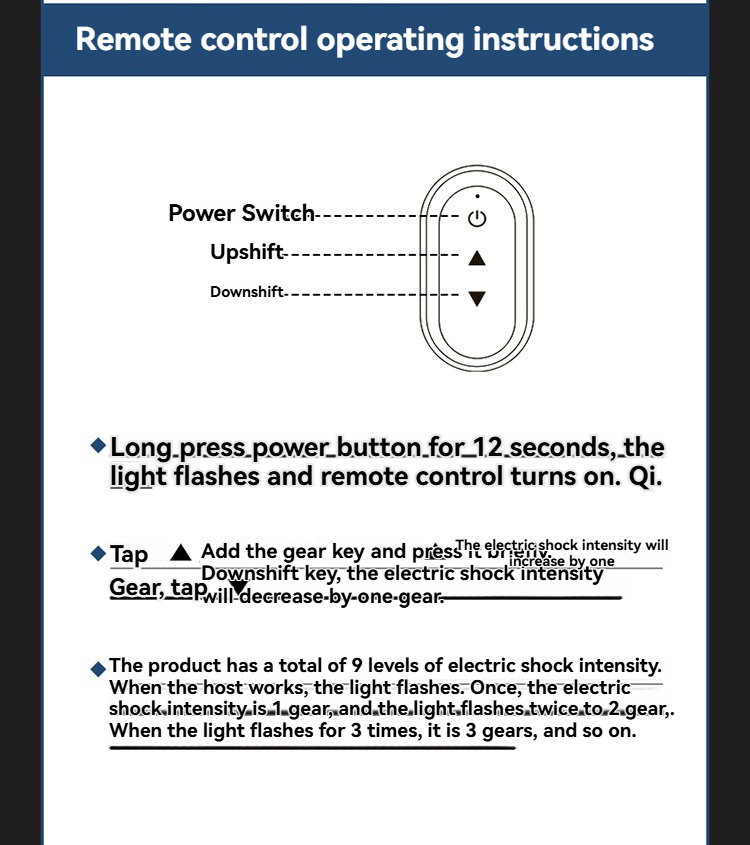
- Couples’ Toys: Designed for shared use, these toys can include synchronized vibrators or remote-controlled devices, promoting intimacy and mutual pleasure.
- Sensual Massage Tools: These tools focus on non-sexual touch and massage, enhancing emotional intimacy and connection in relationships.


Safety and Material Considerations
When choosing sex toys, it’s essential to prioritize safety and material quality to ensure a healthy and pleasurable experience:
- Body-Safe Materials: Opt for toys made from non-porous, body-safe materials such as silicone, stainless steel, or glass. Avoid toys made from materials that can cause allergic reactions or irritate the skin.
- Ease of Cleaning: Select toys that are easy to clean and maintain, reducing the risk of infections and ensuring long-term usability.
- Functionality and Features: Consider the functionality and features of the toy, such as vibration settings, waterproof capabilities, or remote control options, to enhance the user experience.
- Size and Shape: Choose toys that fit comfortably within the user’s body and align with their specific sexual practices and preferences.
- Discreet Design: For individuals concerned about privacy, toys with discreet designs and packaging can provide a more comfortable and secure experience.
By considering these factors, couples can select sex toys that not only enhance their intimacy but also ensure safety and satisfaction.
Incorporating Sex Toys into Relationships
Starting the Conversation

Introducing sex toys into a relationship can be a sensitive topic, especially in LGBTQ+ partnerships where unique dynamics and preferences come into play. Starting the conversation with openness and sensitivity is crucial for a positive experience.
- Choose the Right Time: Initiate the discussion when both partners are relaxed and open to conversation, avoiding moments of stress or conflict.
- Express Intentions: Clearly communicate the desire to enhance intimacy and explore new forms of sexual expression. Emphasize that the goal is to improve mutual satisfaction and connection.
- Be Receptive: Encourage your partner to share their thoughts and feelings about using sex toys, ensuring that their opinions and comfort levels are respected.
- Educate Together: Research and explore different types of sex toys together, discussing their potential benefits and how they can fit into your sexual practices.
Creating a Comfortable Environment
A comfortable and safe environment is essential for integrating sex toys into a relationship. This involves establishing trust, respecting boundaries, and ensuring mutual consent.
- Establish Trust: Build a foundation of trust and respect, allowing both partners to feel secure in expressing their desires and exploring new sexual experiences.
- Respect Boundaries: Acknowledge and respect each other’s boundaries and comfort levels with using sex toys. Avoid pressuring or coercing your partner into using toys they are not comfortable with.
- Mutual Consent: Ensure that both partners consent to incorporating sex toys into the relationship, making it a collaborative and enjoyable experience.
- Privacy and Discretion: Choose a private and intimate setting for exploring sex toys, reducing external pressures and distractions.
Exploring Together
Exploring sex toys together can enhance intimacy by fostering shared experiences and mutual pleasure. Here are some tips for integrating toys into your sexual activities:
- Start Slowly: Begin with simple and non-intimidating toys, allowing both partners to become comfortable with their use before moving on to more complex devices.
- Experiment with Different Types: Try out various types of toys to discover what works best for both partners. This experimentation can lead to a more satisfying and versatile sexual relationship.
- Focus on Pleasure: Prioritize mutual pleasure and enjoyment, using toys to enhance existing sexual practices rather than replace them.
- Communicate Feedback: Continuously communicate about what feels good, what doesn’t, and any adjustments needed to improve the experience.
- Integrate into Routine: Incorporate sex toys into your regular sexual routine, making their use a natural and enjoyable part of your intimacy.
By approaching the use of sex toys with openness, respect, and collaboration, LGBTQ+ couples can enhance their intimacy, strengthen their emotional bonds, and achieve greater sexual satisfaction.
Case Studies and Success Stories
Case Study 1: Enhancing Communication with Vibrators
Participants: Alex and Jamie, a gay male couple in a long-term relationship.
Background: Alex and Jamie had been experiencing a decline in their sexual satisfaction due to busy work schedules and increasing stress levels. Communication about their sexual desires had become limited, leading to frustration and reduced intimacy.
Intervention:
- Introducing Vibrators: Jamie suggested incorporating a shared vibrator into their sexual activities to explore new forms of stimulation and enhance mutual pleasure.
- Open Dialogue: They engaged in an open discussion about their sexual needs and preferences, agreeing to experiment with the vibrator to see how it could enhance their intimacy.
- Scheduled Intimacy Sessions: They scheduled regular intimacy sessions, setting aside dedicated time to focus on their sexual connection without distractions.
Outcome:
- Improved Communication: The use of the vibrator facilitated open conversations about their sexual desires and boundaries, strengthening their communication skills.
- Increased Sexual Satisfaction: Both partners reported an increase in sexual satisfaction and pleasure, as the vibrator introduced new sensations and enhanced their physical connection.
- Enhanced Emotional Bond: The shared experience of exploring new sexual activities brought them closer emotionally, improving their overall relationship satisfaction.
Insight: Incorporating sex toys like vibrators can act as a catalyst for improved communication and increased sexual satisfaction in LGBTQ+ relationships, fostering a deeper emotional connection between partners.
Case Study 2: Strengthening Bonds with Couples’ Toys
Participants: Maya and Taylor, a lesbian couple exploring their sexual relationship.
Background: Maya and Taylor had been together for two years, experiencing occasional mismatches in sexual desire and seeking ways to enhance their intimacy and connection.
Intervention:
- Using Couples’ Vibrators: They decided to introduce a couples’ vibrator into their sexual routine to synchronize their experiences and enhance mutual pleasure.
- Exploration Workshops: They attended a local workshop on using sex toys in LGBTQ+ relationships, gaining insights and tips on maximizing the benefits of couples’ toys.
- Feedback Sessions: After each intimate session, they held feedback sessions to discuss their experiences, preferences, and any adjustments needed for optimal enjoyment.
Outcome:
- Synchronized Pleasure: The use of couples’ vibrators allowed Maya and Taylor to experience synchronized pleasure, enhancing their physical and emotional connection during sexual activities.
- Increased Intimacy: Sharing the experience of using a couples’ toy deepened their emotional bond, fostering a sense of unity and mutual satisfaction.
- Enhanced Sexual Exploration: The vibrator encouraged them to explore different forms of stimulation and intimacy, leading to a more adventurous and fulfilling sexual relationship.
Insight: Couples’ toys can play a significant role in strengthening bonds and enhancing intimacy in lesbian relationships by promoting synchronized pleasure and encouraging mutual exploration.
Statistics on Sex Toy Usage in LGBTQ+ Relationships
- Prevalence: Approximately 50% of adults in same-sex relationships report using sex toys to enhance their sexual experiences (Dolezal, Hall, & Bennett, 2018).
- Benefits: Studies indicate that the use of sex toys in LGBTQ+ relationships contributes to greater sexual satisfaction, improved communication, and stronger emotional bonds (Brody & Weiss, 2011).
- Inclusivity Impact: Inclusive sex toys designed for diverse orientations and identities increase accessibility and acceptance, promoting healthier and more satisfying sexual relationships (sextoyforyou.store).
These statistics highlight the positive impact of sex toy usage in LGBTQ+ relationships, emphasizing their role in enhancing intimacy, satisfaction, and overall relationship health.
Types of Sex Toys and Their Benefits
| Type of Sex Toy | Description | Benefits | Suitable For |
|---|---|---|---|
| Vibrators | Devices that provide vibrations to stimulate erogenous zones. | Enhance sexual arousal and pleasure, suitable for solo or partnered use, versatile for different sexual orientations. | Gay men, lesbian women, bisexual, queer individuals |
| Cock Rings | Rings worn around the base of the penis to restrict blood flow and maintain erections. | Aid in erectile dysfunction, prolong erections, enhance sexual performance. | Gay men, heterosexual men |
| Prostate Massagers | Toys designed to stimulate the prostate gland, enhancing sexual pleasure and orgasm intensity. | Improve prostate health, enhance orgasmic pleasure, reduce performance anxiety. | Gay men, bisexual men |
| Couples’ Toys | Toys designed for use by both partners simultaneously, such as synchronized vibrators or remote-controlled devices. | Promote synchronized pleasure, enhance communication, foster intimacy and connection. | All LGBTQ+ couples |
| Dildos | Phallic-shaped toys used for penetrative sexual activities. | Enhance penetrative experiences, suitable for lesbian and queer relationships, versatile in size and material. | Lesbian women, queer, pansexual individuals |
| Sensual Massage Tools | Tools designed for non-sexual touch and massage, enhancing emotional intimacy and connection. | Promote relaxation, enhance non-sexual intimacy, reduce stress and anxiety. | Asexual individuals, all LGBTQ+ couples |
| Remote-Controlled Toys | Sex toys that can be controlled remotely via smartphone apps, allowing for long-distance or playful interactions. | Facilitate long-distance intimacy, promote playful interaction, enhance sexual satisfaction through customizable stimulation. | All LGBTQ+ couples, especially long-distance relationships |
Figure 1: Types of Sex Toys and Their Benefits
This comparison table illustrates the various types of sex toys available, their descriptions, benefits, and suitability for different LGBTQ+ orientations. Understanding the diverse options and their specific advantages helps couples choose the right tools to enhance their intimacy and sexual satisfaction.
Comprehensive FAQ
1. How can sex toys enhance intimacy in LGBTQ+ relationships?
Sex toys can significantly enhance intimacy in LGBTQ+ relationships by fostering mutual exploration, improving communication, and increasing sexual satisfaction. Here’s how:
- Mutual Exploration: Introducing sex toys allows partners to explore each other’s bodies and discover new forms of stimulation and pleasure together. This shared exploration can deepen emotional bonds and create a more intimate connection.
- Improved Communication: Using sex toys encourages open discussions about sexual desires, preferences, and boundaries. This improved communication fosters trust and understanding, essential components of a healthy intimate relationship.
- Increased Sexual Satisfaction: Sex toys add variety and novelty to sexual activities, preventing routine and keeping the sexual relationship exciting and fulfilling. Enhanced sexual satisfaction contributes to overall relationship satisfaction and emotional well-being.
- Addressing Sexual Dysfunctions: For couples experiencing sexual dysfunctions, sex toys can provide alternative forms of stimulation that overcome specific challenges, such as erectile dysfunction or difficulty achieving orgasm.
Overall, sex toys act as tools that enhance both the physical and emotional aspects of intimacy, promoting a more satisfying and connected relationship.
2. What types of sex toys are best suited for different LGBTQ+ orientations?
Different LGBTQ+ orientations may have unique sexual practices and preferences, necessitating tailored sex toys to enhance intimacy effectively. Here are some recommendations:
- Gay Men:
- Cock Rings: To help maintain erections and enhance performance.
- Prostate Massagers: For stimulating the prostate and enhancing orgasms.
- Vibrators: Designed for penile stimulation or external use to increase pleasure.
- Lesbian Women:
- Clitoral Stimulators: To enhance clitoral stimulation and arousal.
- Double-Ended Dildos: For mutual penetration and shared sexual experiences.
- Couples’ Vibrators: To synchronize pleasure and enhance intimacy.
- Bisexual Individuals:
- Versatile Vibrators: That can be used for both penile and clitoral stimulation.
- Remote-Controlled Toys: For exploring sexual activities across different orientations.
- Dual-Use Toys: Suitable for penetrative and non-penetrative sexual practices.
- Queer and Pansexual Individuals:
- Gender-Neutral Toys: Inclusive designs that cater to non-binary and gender-fluid identities.
- Customizable Toys: Allowing for adjustable settings and versatile use.
- Remote-Controlled and Smart Toys: To facilitate creative and adaptive sexual experiences.
- Asexual Individuals:
- Sensual Massage Tools: To enhance non-sexual intimacy and emotional connections.
- Non-Sexual Intimacy Tools: Such as sensual oils or touch-based toys that focus on emotional bonding.
- Relaxation Aids: Tools that promote relaxation and reduce stress, enhancing overall well-being.
By selecting sex toys that align with their specific needs and preferences, LGBTQ+ individuals and couples can enhance their intimacy and sexual satisfaction effectively.
3. How can partners introduce sex toys into their relationship comfortably?
Introducing sex toys into a relationship requires sensitivity, open communication, and mutual consent. Here are steps to ensure a comfortable and positive experience:
- Initiate an Open Conversation: Choose a relaxed and private setting to discuss the idea of incorporating sex toys. Express your intentions clearly, emphasizing that the goal is to enhance mutual pleasure and intimacy.
- Share Desires and Boundaries: Encourage your partner to share their feelings, desires, and any concerns about using sex toys. Respect each other’s boundaries and ensure that both partners are comfortable with the idea.
- Educate Together: Research different types of sex toys together, exploring options that cater to both partners’ preferences and needs. This collaborative approach can make the experience more enjoyable and less intimidating.
- Start Small: Begin with simple and non-intimidating toys, such as a shared vibrator or a basic clitoral stimulator. This allows both partners to become comfortable with using the toy before exploring more complex devices.
- Experiment and Explore: Use the toys during intimate moments, allowing for experimentation and exploration. Pay attention to what feels good and adjust usage based on mutual feedback.
- Provide Positive Reinforcement: Encourage each other and celebrate the new experiences. Positive reinforcement helps build confidence and reduces any anxiety associated with using sex toys.
- Respect Comfort Levels: If one partner is hesitant or uncomfortable, respect their feelings and take the time to address any concerns. The use of sex toys should always be consensual and enjoyable for both partners.
By approaching the introduction of sex toys with openness, respect, and collaboration, partners can seamlessly integrate these tools into their relationship, enhancing intimacy and sexual satisfaction.
Conclusion
Enhancing intimacy in LGBTQ+ relationships is a multifaceted endeavor that involves understanding the unique needs and dynamics of diverse sexual orientations and gender identities. Sex toys play a crucial role in this process, offering innovative ways to foster mutual exploration, improve communication, and increase sexual satisfaction. By selecting the right tools tailored to specific orientations and preferences, LGBTQ+ couples can overcome challenges, deepen their emotional bonds, and achieve greater intimacy and fulfillment.
At sextoyforyou.store, we are dedicated to supporting LGBTQ+ individuals and couples in their journey toward healthier and more satisfying intimate relationships. Our extensive range of high-quality, inclusive sex toys is designed to meet the diverse needs of our clientele, ensuring that everyone can find products that enhance their sexual health and pleasure. Whether you’re new to using sex toys or seeking to deepen your understanding of their benefits, our products and resources are here to empower you.
For more information and to explore our range of products, visit sextoyforyou.store. Additionally, reputable resources such as the Centers for Disease Control and Prevention (CDC) and the World Health Organization (WHO) provide valuable information and guidelines to support your sexual health journey.
By embracing a holistic and inclusive approach, we can create a supportive and empowering environment that promotes sexual wellness and intimacy for everyone, irrespective of their sexual orientation.
References
- Brody, S., & Weiss, P. (2011). Marital status and sexual frequency. The Journal of Sexual Medicine, 8(6), 1635-1641. https://www.jsm.jsexmed.org/article/S1743-6095(15)30432-3/fulltext
- Carroll, B. C., & Nechvatal, A. L. (2018). Erectile Dysfunction: Overview of Pathophysiology and Treatment. American Journal of Men’s Health, 12(4), 1557988318783066. https://doi.org/10.1177/1557988318783066
- Dolezal, B., Hall, M., & Bennett, K. (2018). Sexual dysfunctions among same-sex couples. Archives of Sexual Behavior, 47(5), 1357-1370. https://link.springer.com/article/10.1007/s10508-017-1136-3
- Grant, R. M., Lama, J. R., Anderson, P. L., McMahan, V., Liu, A. Y., Vargas, L., … & Glidden, D. V. (2010). Preexposure chemoprophylaxis for HIV prevention in men who have sex with men. The New England Journal of Medicine, 363(27), 2587-2599. https://www.nejm.org/doi/full/10.1056/NEJMoa1014296
- Laumann, E. O., Paik, A., & Rosen, R. C. (1999). Sexual dysfunction in the United States: Prevalence and predictors. JAMA, 281(6), 537-544. https://jamanetwork.com/journals/jama/fullarticle/187957
- Meyer, I. H. (2003). Prejudice, social stress, and mental health in lesbian, gay, and bisexual populations: Conceptual issues and research evidence. Psychological Bulletin, 129(5), 674-697. https://doi.org/10.1037/0033-2909.129.5.674
- Russell, S. T., Fish, J. N., Puckett, J. A., & Russell, S. T. (2011). School-Based Victimization and Sexual Orientation Among Youth. American Journal of Public Health, 101(10), 1838-1844. https://ajph.aphapublications.org/doi/full/10.2105/AJPH.2011.300214
- sextoyforyou.store. (n.d.). High-quality, inclusive sex toys designed for all orientations and preferences. https://sextoyforyou.store
- World Health Organization. (2023). Sexually transmitted infections (STIs). https://www.who.int/news-room/fact-sheets/detail/sexually-transmitted-infections-(stis)
Note: For additional resources and products that support your journey in enhancing intimacy within LGBTQ+ relationships, visit sextoyforyou.store and explore our extensive range of high-quality, inclusive sex toys designed to meet your unique needs.
Disclaimer: The content provided in this post is intended
for adults (18+) and is offered for informational purposes only. It does
not constitute medical or professional advice. We make no warranty as to
the accuracy or reliability of the information presented. Any images or
media used may originate from the internet or free-license resources. If
you are the rightful owner and wish to request removal or attribution,
please contact us at
[email protected]
.