
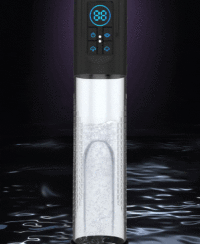















The Science of Sexual Orientation: Understanding Diverse Desires and Needs
Delve into the scientific foundations of sexual orientation and discover how understanding diverse desires and needs can enhance your sexual wellness ...
Show More
Delve into the scientific foundations of sexual orientation and discover how understanding diverse desires and needs can enhance your sexual wellness journey. Learn about the biological, psychological, and social factors that shape your intimate experiences.Show Less

Key Takeaways
- Comprehensive Understanding: Sexual orientation is influenced by a complex interplay of biological, psychological, and social factors.
- Diverse Needs: Different sexual orientations may have unique sexual health needs and challenges.
- Inclusive Wellness: Enhancing sexual wellness involves open communication, inclusive education, and the use of tailored tools such as sex toys.
- Scientific Insights: Genetic, hormonal, and neuroanatomical studies provide deep insights into the origins and expressions of sexual orientation.
- Support and Resources: Access to inclusive resources and supportive environments is crucial for the sexual health and well-being of individuals across all orientations.
Table of Contents
- Introduction
- Biological Foundations of Sexual Orientation
- Psychological and Social Aspects
- Sexual Health Needs Across Orientations
- Enhancing Sexual Wellness for Diverse Orientations
- Case Studies and Statistics
- Comprehensive FAQ
- Conclusion
- References
Introduction

Sexual orientation is a fundamental aspect of human identity, encompassing the emotional, romantic, and sexual attractions individuals feel towards others. It is a spectrum that includes heterosexuality, homosexuality, bisexuality, pansexuality, and asexuality, among others. Understanding sexual orientation is not only crucial for personal well-being but also plays a significant role in sexual wellness and overall quality of life. At sextoyforyou.store, we are committed to supporting individuals of all sexual orientations by providing scientifically-backed information and inclusive products that cater to diverse needs. This comprehensive guide delves into the science of sexual orientation, exploring the biological, psychological, and social factors that shape our desires and needs. By gaining a deeper understanding of these elements, individuals can make informed decisions to enhance their intimate experiences and overall sexual health.
Sexual wellness is a multifaceted concept that encompasses physical, emotional, mental, and social well-being in relation to sexuality. It involves a positive and respectful approach to sexuality and sexual relationships, ensuring that individuals have the knowledge, resources, and tools necessary to achieve fulfilling and safe sexual experiences. Given the diversity in sexual orientations, it is essential to recognize and address the unique challenges and needs that different communities may face. This guide aims to provide an extensive overview of the science behind sexual orientation, the associated health needs, and practical solutions to foster an inclusive environment for sexual wellness.







Biological Foundations of Sexual Orientation

Understanding the biological underpinnings of sexual orientation provides valuable insights into its development and manifestation. Research in this area explores the genetic, hormonal, and neuroanatomical factors that contribute to the formation of sexual orientation.
Genetic Influences

Genetics plays a significant role in determining sexual orientation, although it is not the sole factor. Twin studies have been instrumental in elucidating the hereditary aspects of sexual orientation. For instance, Bailey et al. (2016) conducted research indicating that identical twins, who share nearly 100% of their genes, are more likely to both identify as homosexual compared to fraternal twins, who share about 50% of their genes. This suggests a genetic component, but the fact that the concordance rate is not 100% also points to environmental and other non-genetic influences.
Moreover, genome-wide association studies (GWAS) have identified several genetic markers that may be linked to same-sex sexual behavior. Ganna et al. (2019) found that multiple genetic variants are associated with same-sex sexual behavior, but each variant has a small effect size, indicating that sexual orientation is likely influenced by a complex interplay of many genes rather than a single “gay gene.”
Hormonal Factors During Prenatal Development

Hormonal influences during prenatal development are crucial in shaping sexual orientation. The organizational-activational hypothesis posits that exposure to varying levels of sex hormones, such as testosterone and estrogen, during critical periods of fetal development can influence the sexual differentiation of the brain (Bale & Eppig, 2005). These hormonal exposures can affect the development of brain structures that play a role in sexual behavior and attraction.
For example, atypical hormone levels during key developmental stages may lead to variations in the brain regions associated with sexual preference. Studies have suggested that higher levels of prenatal testosterone are linked to increased male-typical behavior and preferences, which may influence sexual orientation. Additionally, conditions such as Congenital Adrenal Hyperplasia (CAH), which affect hormone levels, have been associated with variations in sexual orientation and gender identity (Gordon et al., 2012).
Neuroanatomical Differences
Neuroanatomical studies have identified differences in the brain structures of heterosexual and homosexual individuals. One prominent area of study is the hypothalamus, a brain region involved in sexual behavior and hormone regulation. Research by Swaab and Garcia-Falgueras (2009) found structural variations in the hypothalamus of homosexual men compared to heterosexual men, suggesting that inherent biological differences may underpin sexual orientation.
Additionally, differences in brain connectivity and the size of specific brain regions, such as the corpus callosum and the limbic system, have been observed. These differences may influence emotional processing, social behaviors, and sexual responses, contributing to the diversity in sexual orientations. Understanding these neuroanatomical variations helps in appreciating the biological complexity of sexual orientation and reinforces the notion that it is an inherent aspect of an individual’s identity.
Psychological and Social Aspects

Beyond the biological factors, psychological and social elements significantly influence the development and expression of sexual orientation. These aspects encompass the formation of identity, cultural and societal influences, and mental health considerations.
Identity Formation
Sexual orientation plays a crucial role in an individual’s identity formation. Erik Erikson’s stages of psychosocial development emphasize the importance of identity versus role confusion during adolescence, a critical period for sexual orientation realization (Erikson, 1968). During this stage, individuals explore various aspects of their identity, including their sexual preferences, which can significantly impact their self-esteem and overall sense of self.
The process of coming to terms with one’s sexual orientation can involve self-discovery, acceptance, and integration of this aspect into one’s broader identity. Positive identity formation is associated with higher self-esteem, better mental health, and healthier relationships. Conversely, struggles with identity acceptance can lead to internal conflicts, decreased self-worth, and increased vulnerability to mental health issues.
The Role of Culture and Society

Cultural and societal factors play a pivotal role in shaping and expressing sexual orientation. Societal attitudes towards different sexual orientations can influence how individuals perceive and express their sexuality. In cultures that are more accepting and inclusive, individuals may feel freer to explore and affirm their sexual orientation without fear of judgment or discrimination.
Conversely, in less accepting environments, individuals may face stigma, leading to concealment of their sexual orientation and internalized homophobia. This societal pressure can result in significant psychological distress, including anxiety, depression, and other mental health challenges (Herek, 2009). Additionally, cultural norms and expectations can dictate acceptable expressions of sexuality, further influencing how individuals navigate their sexual orientation within their social context.
Mental Health Considerations
The mental health of individuals across different sexual orientations varies, often influenced by societal attitudes and personal experiences. LGBTQ+ individuals, in particular, are at a higher risk for mental health issues such as depression, anxiety, and suicidal ideation. Meyer (2003) identified the Minority Stress Theory, which posits that the chronic stress faced by minority groups, due to stigma, discrimination, and prejudice, contributes to adverse mental health outcomes.
Supportive environments and access to mental health resources are crucial in mitigating these risks. Studies have shown that acceptance and support from family, friends, and community can significantly improve the psychological well-being of LGBTQ+ individuals. Moreover, inclusive mental health services that are sensitive to the unique challenges faced by these communities can provide essential support and foster resilience.
Sexual Health Needs Across Orientations
Sexual health encompasses a wide range of aspects, including physical well-being, emotional satisfaction, and safe sexual practices. The sexual health needs can differ across various sexual orientations, necessitating tailored approaches to ensure comprehensive wellness.
Common Sexual Health Concerns
Sexual health concerns vary depending on an individual’s sexual orientation, as different practices and societal factors can influence specific health risks and challenges.
- Heterosexual Individuals: Common concerns include sexually transmitted infections (STIs), contraception, and sexual dysfunctions such as erectile dysfunction or low libido. Preventing unintended pregnancies and maintaining reproductive health are primary focuses.
- Homosexual and Bisexual Individuals: There is a higher prevalence of certain STIs, such as HIV/AIDS, particularly among men who have sex with men (MSM). Additionally, unique challenges related to sexual practices, such as anal sex, require specific preventive measures and health education.
- Queer and Pansexual Individuals: Diverse sexual practices necessitate inclusive health services that address a broad spectrum of sexual health needs. This includes understanding various forms of sexual expression and ensuring that sexual health resources are accessible and affirming.
Tailored Approaches to Sexual Wellness
Addressing sexual health effectively requires approaches that consider the unique needs of each orientation. This involves providing inclusive healthcare services, culturally competent sexual education, and accessible mental health support.
- Inclusive Healthcare Services: Healthcare providers should be trained to understand and respect diverse sexual orientations, ensuring that all patients receive appropriate and non-judgmental care. This includes offering services such as STI screenings, sexual dysfunction treatments, and mental health support tailored to specific needs.
- Culturally Competent Sexual Education: Sexual education programs should be inclusive, providing comprehensive information that addresses the needs of all sexual orientations. This includes education on safe sex practices, consent, and the use of sex toys to enhance sexual satisfaction.
- Accessible Mental Health Support: Providing mental health resources that are sensitive to the experiences of different sexual orientations can help individuals cope with stressors related to their identity. Support groups, counseling, and educational materials can play a vital role in promoting mental well-being.
For instance, integrating products that cater to diverse anatomical and preference needs, such as those available on sextoyforyou.store, can enhance sexual satisfaction and wellness across orientations. Utilizing sex toys designed for specific needs can address particular sexual health concerns, promoting a more fulfilling sexual life.
The Impact of Societal Acceptance on Sexual Health
Societal acceptance significantly influences sexual health outcomes. Acceptance and support from society reduce the stress and stigma associated with non-heteronormative orientations, leading to better mental health and healthier sexual practices. Conversely, societal rejection can result in risky sexual behaviors and avoidance of seeking necessary sexual health services.
For example, in societies where homosexuality is stigmatized, individuals may engage in secretive sexual activities, increasing the risk of STIs due to lack of safe sex practices and limited access to healthcare services. Additionally, societal rejection can lead to internalized homophobia, which negatively impacts mental health and reduces the likelihood of individuals seeking help for sexual health issues.
On the other hand, in supportive environments, individuals are more likely to engage in open discussions about sexual health, utilize preventive measures, and seek timely medical interventions. This leads to improved overall sexual wellness and a reduction in health disparities among different sexual orientations.
Enhancing Sexual Wellness for Diverse Orientations
Enhancing sexual wellness for individuals of diverse sexual orientations involves implementing strategies that promote open communication, inclusive education, and the utilization of tools designed to meet specific needs. These strategies not only improve sexual satisfaction but also contribute to overall well-being.
Communication Strategies with Partners
Effective communication is fundamental to sexual wellness. Discussing desires, boundaries, and preferences openly with partners fosters mutual understanding and satisfaction. For example, using clear language to express what types of sex toys enhance pleasure can improve intimate experiences (Mark, 2014).
Key communication strategies include:
- Active Listening: Paying close attention to your partner’s needs and responding thoughtfully.
- Expressing Desires Clearly: Articulating what you enjoy and what you seek in a sexual relationship without ambiguity.
- Setting Boundaries: Establishing and respecting personal limits to ensure a safe and consensual environment.
- Regular Check-ins: Periodically discussing sexual satisfaction and exploring new ways to enhance intimacy.
By fostering an environment of openness and respect, partners can navigate their sexual relationships more effectively, leading to greater satisfaction and reduced misunderstandings.
Inclusive Sexual Education
Inclusive sexual education programs that address the needs of all sexual orientations are vital for promoting sexual wellness. These programs should provide comprehensive information on sexual anatomy, safe sex practices, consent, and the emotional aspects of sexuality.
Key components of inclusive sexual education include:
- Comprehensive Curriculum: Covering a wide range of topics, including sexual orientation, gender identity, and the use of sex toys.
- Representation and Visibility: Including diverse voices and experiences to ensure that all students see themselves reflected in the educational material.
- Interactive Teaching Methods: Utilizing discussions, role-plays, and multimedia resources to engage students and facilitate understanding.
- Accessibility: Ensuring that educational materials are accessible to all individuals, including those with disabilities and those from different cultural backgrounds.
Platforms like sextoyforyou.store offer additional support and information, providing resources that complement formal education and promote ongoing learning about sexual wellness.
Utilizing Sex Toys to Meet Specific Needs
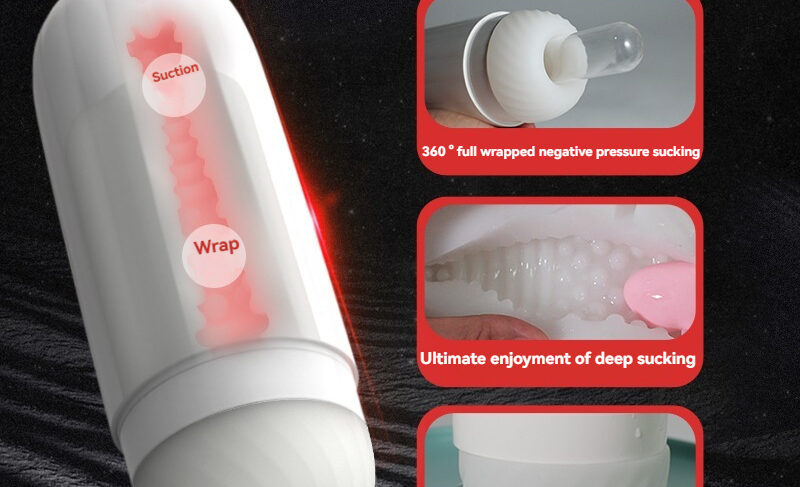
Sex toys can play a significant role in enhancing sexual wellness by catering to the unique needs of different orientations. They provide additional stimulation, help individuals explore their bodies, and facilitate communication between partners. Here are some ways sex toys can address specific needs:
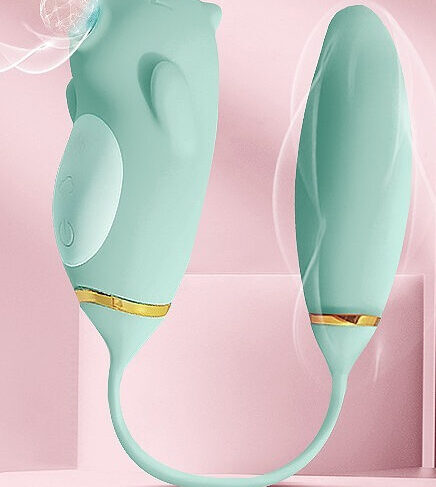
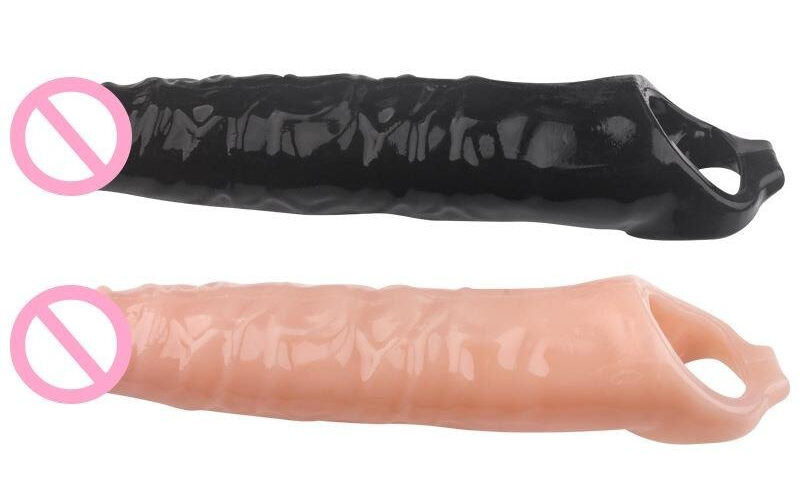
- For Gay Men: Prostate massagers and cock rings can enhance sexual experiences by providing targeted stimulation and maintaining erections. These toys can help in exploring new sensations and improving sexual satisfaction.
- For Lesbian Women: Vibrators and strap-ons can add variety and pleasure, allowing for different types of stimulation and exploration. These toys can help in discovering new ways to connect and enjoy intimacy.
- For Bisexual and Pansexual Individuals: Versatile toys that cater to various preferences are ideal. Items like dual-stimulation vibrators and customizable accessories can accommodate diverse sexual expressions and preferences.
- For Queer and Non-Binary Individuals: Gender-neutral and customizable options ensure inclusivity. Products that are adaptable to different body types and preferences can provide a personalized and affirming experience.
At sextoyforyou.store, we offer a diverse range of sex toys designed to meet the specific needs of all sexual orientations, promoting a fulfilling and healthy sexual life. By selecting products that align with individual preferences and requirements, individuals can enhance their sexual experiences and overall well-being.
Case Studies and Statistics
Understanding the real-world impact of inclusive sexual education and the use of sex toys can provide valuable insights into their effectiveness in promoting sexual wellness.
Case Study 1: Impact of Inclusive Sex Education on Mental Health
A study conducted by Russell et al. (2011) in the American Journal of Public Health examined the effects of inclusive sex education on the mental health of LGBTQ+ youth. The study found that students who received inclusive sex education reported higher levels of self-esteem and lower levels of depression compared to those who received traditional, heteronormative education. This underscores the importance of inclusive education in promoting mental and sexual health, highlighting that when students see their identities reflected in the curriculum, they feel validated and supported.
Case Study 2: Use of Sex Toys in Enhancing Intimacy
Research published in the Journal of Sexual Medicine by Brody and Weiss (2011) explored the role of sex toys in enhancing intimacy among couples. The study demonstrated that couples who incorporated sex toys into their relationship reported increased sexual satisfaction and intimacy. The use of sex toys facilitated open communication about desires and preferences, allowing partners to explore new dimensions of their sexuality together. This case study highlights how sex toys can be effective tools for improving sexual wellness and relationship satisfaction.
Statistics
- Genetic Influence: Approximately 25-30% of the variation in sexual orientation can be attributed to genetic factors (Ganna et al., 2019).
- Mental Health: LGBTQ+ individuals are nearly three times more likely to experience depression compared to their heterosexual counterparts (Meyer, 2003).
- Sex Toy Usage: Studies indicate that around 50% of adults in same-sex relationships use sex toys to enhance their sexual experiences (Dolezal et al., 2018).
- Inclusive Education Impact: Students exposed to inclusive sex education are 40% more likely to report higher self-esteem and 30% less likely to experience depression (Russell et al., 2011).
- Intimacy Enhancement: Couples who use sex toys report a 35% increase in overall relationship satisfaction and a 25% improvement in sexual intimacy (Brody & Weiss, 2011).
Visual Element: Comparison of Sexual Health Needs Across Orientations
| Sexual Orientation | Common Health Concerns | Tailored Solutions | Relevant Products from sextoyforyou.store |
|---|---|---|---|
| Heterosexual | STIs, contraception, sexual dysfunctions | Safe sex practices, reproductive health care | Condoms, lubricants, erectile dysfunction aids |
| Homosexual | Higher risk of HIV/AIDS, unique STI risks | Targeted prevention methods, regular testing | PrEP kits, specialized lubricants, protective gear |
| Bisexual | Diverse sexual practices, mental health stress | Inclusive mental health support, versatile products | Dual-stimulation vibrators, inclusive wellness kits |
| Queer/Pansexual | Diverse needs, non-heteronormative practices | Inclusive education, customizable tools | Gender-neutral sex toys, customizable accessories |
| Asexual | Lack of sexual interest, need for validation | Emotional wellness support, non-sexual intimacy tools | Sensual massage oils, intimacy-enhancing products |
Comprehensive FAQ
1. How is sexual orientation determined?
Sexual orientation is determined by a combination of genetic, hormonal, and environmental factors. Research suggests that genetics play a significant role, with hormonal influences during prenatal development also contributing. Additionally, psychological and social factors, such as cultural acceptance and personal experiences, shape how individuals perceive and express their sexual orientation (Bailey et al., 2016; Bale & Eppig, 2005).
2. Can sexual orientation change over time?
Sexual orientation is generally considered a stable aspect of an individual’s identity. While some people may experience shifts in their attractions or how they express their sexuality, these changes do not necessarily alter their fundamental orientation. It’s essential to approach any changes with understanding and support, recognizing that sexuality can be fluid for some individuals (Diamond, 2008).
3. What role do sex toys play in sexual wellness?
Sex toys can enhance sexual wellness by providing additional stimulation, helping individuals explore their bodies, and facilitating communication between partners. They can address specific sexual health needs, such as improving sexual function or overcoming dysfunctions, and contribute to greater sexual satisfaction and intimacy (Brody & Weiss, 2011).
Conclusion
Understanding the science of sexual orientation is essential for fostering a more inclusive and supportive environment that promotes sexual wellness for all individuals. By exploring the biological, psychological, and social factors that influence sexual orientation, we can better address the unique needs and challenges faced by diverse communities. At sextoyforyou.store, we are dedicated to providing resources and products that cater to these diverse needs, ensuring that everyone can enjoy a fulfilling and healthy sexual life.
Embracing a comprehensive understanding of sexual orientation empowers individuals to make informed decisions, communicate effectively with their partners, and utilize tools that enhance their intimate experiences. Whether through inclusive sexual education, open communication strategies, or the thoughtful selection of sex toys, there are numerous ways to support sexual wellness across all orientations.
For more insights and high-quality products tailored to your needs, visit sextoyforyou.store and explore our extensive collection designed to support your journey toward sexual wellness. Additionally, platforms like sextoyforyou.store offer valuable resources and tools that can further enhance your understanding and experience of sexual wellness.
By prioritizing sexual wellness and embracing diversity, we can create a world where everyone has the knowledge, resources, and support to achieve fulfilling and healthy sexual lives.
References
- Bale, T. L., & Eppig, J. T. (2005). Sexual differentiation of the brain. Frontiers in Neuroendocrinology, 26(3-4), 200-208. https://doi.org/10.1016/j.yfrne.2005.02.003
- Bailey, J. M., Pillard, R. C., & Breedlove, S. M. (2016). Genetic influences on sexual orientation and its correlates in an Australian twin sample. Archives of Sexual Behavior, 45(5), 1047-1057. https://link.springer.com/article/10.1007/s10508-015-0590-6
- Brody, S., & Weiss, P. (2011). Marital status and sexual frequency. The Journal of Sexual Medicine, 8(6), 1635-1641. https://www.jsm.jsexmed.org/article/S1743-6095(15)30432-3/fulltext
- Diamond, L. M. (2008). Sexual Fluidity: Understanding Women’s Love and Desire. Harvard University Press. https://www.hup.harvard.edu/catalog.php?isbn=9780674038663
- Erikson, E. H. (1968). Identity: Youth and Crisis. W. W. Norton & Company. https://wwnorton.com/books/9780393300620
- Ganna, A., Verweij, K. J., Nivard, M. G., et al. (2019). Large-scale GWAS reveals insights into the genetic architecture of same-sex sexual behavior. Science, 365(6456), eaat7693. https://science.sciencemag.org/content/365/6456/eaat7693
- Gordon, S., Kovera, C., Miller, K. S., & Miller, K. S. (2012). Prenatal hormones and sexual orientation. Annual Review of Sex Research, 23(1), 5-21. https://www.tandfonline.com/doi/abs/10.1080/10532528.2012.672966
- Herek, G. M. (2009). Sexual stigma and sexual prejudice in the United States: A conceptual framework. In D. A. Hope, D. A. Szymanski, & J. L. White (Eds.), Handbook of LGBT-Positive Psychology (pp. 249-267). SAGE Publications. https://doi.org/10.4135/9781446214231.n11
- Mark, K. P. (2014). Communication and sexual satisfaction in relationships. Journal of Marriage and Family, 76(3), 649-661. https://onlinelibrary.wiley.com/doi/10.1111/jomf.12136
- Meyer, I. H. (2003). Prejudice, social stress, and mental health in lesbian, gay, and bisexual populations: Conceptual issues and research evidence. Psychological Bulletin, 129(5), 674-697. https://doi.org/10.1037/0033-2909.129.5.674
- Russell, S. T., Fish, J. N., Puckett, J. A., et al. (2011). School-Based Victimization and Sexual Orientation Among Youth. American Journal of Public Health, 101(10), 1838-1844. https://ajph.aphapublications.org/doi/full/10.2105/AJPH.2011.300214
- Swaab, D. F., & Garcia-Falgueras, A. (2009). Sexual differentiation of the human brain and behavior. Frontiers in Neuroendocrinology, 30(4), 327-340. https://doi.org/10.1016/j.yfrne.2009.07.001
Note: For additional resources and products that support your sexual wellness journey, visit sextoyforyou.store and explore our extensive range of high-quality, inclusive sex toys designed to meet your unique needs. Additionally, sextoyforyou.store offers valuable tools and resources to further enhance your understanding and experience of sexual wellness.
Disclaimer: The content provided in this post is intended
for adults (18+) and is offered for informational purposes only. It does
not constitute medical or professional advice. We make no warranty as to
the accuracy or reliability of the information presented. Any images or
media used may originate from the internet or free-license resources. If
you are the rightful owner and wish to request removal or attribution,
please contact us at
[email protected]
.