













Ultimate Fabric Care & Washing Guide: Tips for Keeping Your Clothes Looking New
Keep your clothes looking new with our ultimate fabric care and washing guide! Learn expert tips on washing, drying, and storing all types of fabrics,...
Show More
Keep your clothes looking new with our ultimate fabric care and washing guide! Learn expert tips on washing, drying, and storing all types of fabrics, from cotton and silk to synthetic blends. Discover how to decode fabric care labels, remove stubborn stains, and implement eco-friendly laundry practices that save both your garments and the environment.Show Less
Key Takeaways
- Understand Different Fabric Types: Learn about natural, synthetic, and blended fabrics and their specific care requirements.
- Decipher Fabric Care Labels: Master the symbols and instructions to prevent damage to your garments.
- Implement Best Washing Practices: Discover how to wash, dry, and iron various fabrics effectively.
- Stain Removal Techniques: Get expert tips on treating common stains without harming the fabric.
- Eco-Friendly Laundry Methods: Explore sustainable practices that benefit both your clothes and the environment.
- Avoid Common Laundry Mistakes: Learn what not to do to extend the life of your clothing.
Table of Contents
- Introduction: Why Fabric Care Matters
- Understanding Fabric Types
- Natural Fabrics (Cotton, Linen, Silk, Wool)
- Synthetic Fabrics (Polyester, Nylon, Acrylic, Spandex)
- Blended Fabrics
- Decoding Fabric Care Labels
- General Washing Tips
- Sorting Laundry
- Choosing the Right Detergent
- Water Temperature Guidelines
- Washing Machine Settings
- Hand Washing Techniques
- Fabric-Specific Care Instructions
- Cotton
- Linen
- Silk
- Wool
- Synthetic Fabrics
- Blended Fabrics
- Stain Removal Techniques
- Drying and Ironing Best Practices
- Eco-Friendly Washing Practices
- Fabric Preservation and Storage
- Common Mistakes to Avoid
- FAQs: Your Fabric Care Questions Answered
- Conclusion: Final Thoughts on Fabric Care
- References
1. Introduction: Why Fabric Care Matters
Fabric care is often overlooked, yet it is essential for maintaining the longevity, appearance, and comfort of your clothes. Whether you own casual wear, luxury fabrics, or activewear, understanding how to care for your garments ensures they stay looking their best for years.
Why Proper Fabric Care is Important
- Prolongs Garment Life: Proper care prevents wear and tear, reducing the need for replacements.
- Saves Money: Well-maintained clothes reduce shopping expenses over time.
- Environmental Impact: Responsible fabric care reduces waste and conserves resources, contributing to sustainability.
Overview of the Guide
This guide will help you master the art of fabric care, from deciphering labels to eco-friendly practices. It’s suitable for beginners and seasoned laundry experts alike.










2. Understanding Fabric Types
Each fabric type has unique characteristics and care requirements. Knowing the differences is key to preventing damage.
Natural Fabrics
- Cotton: Soft, breathable, and versatile. Ideal for daily wear.
Care Tip: Machine washable in warm or cold water; tumble dry on low. - Linen: Lightweight and durable but prone to wrinkles.
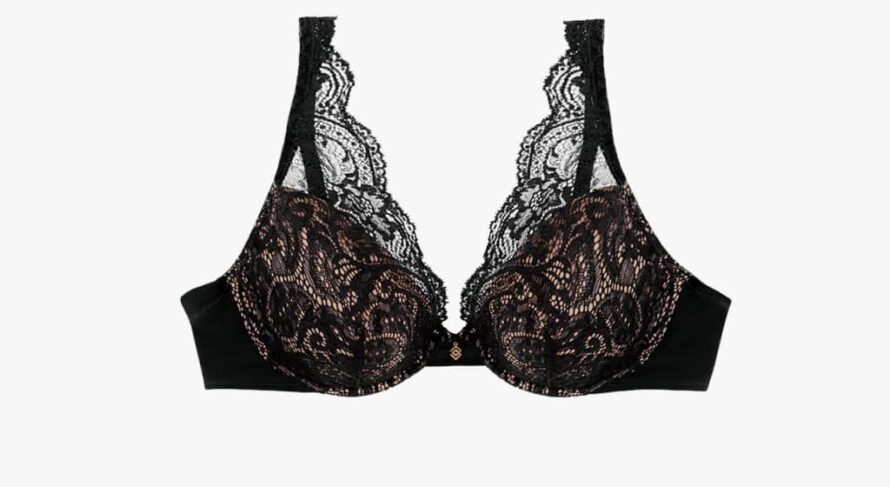
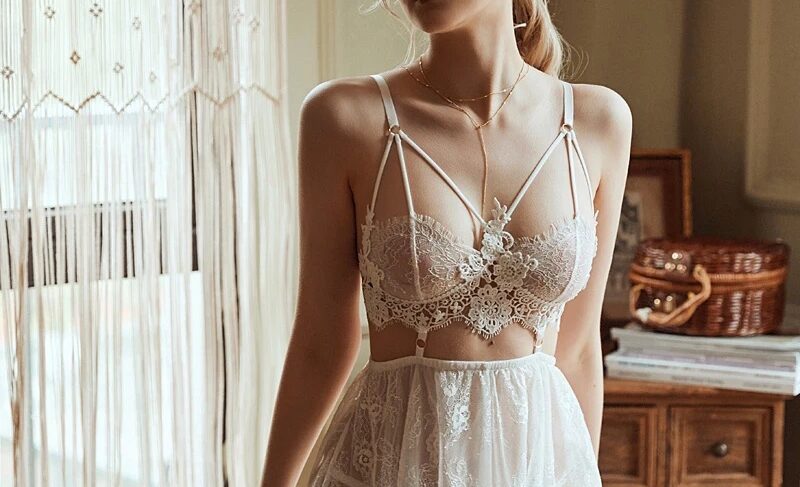
Care Tip: Wash in cold water and air dry to prevent shrinkage. - Silk: Luxurious and delicate, often used for lingerie or evening wear.
Care Tip: Hand wash with gentle detergent or dry clean; avoid sunlight. - Wool: Warm, insulating, and perfect for winter clothing.
Care Tip: Hand wash in cool water with wool-specific detergent; lay flat to dry.
Synthetic Fabrics
- Polyester: Durable and wrinkle-resistant.
Care Tip: Machine washable in cold water; avoid high heat when drying. - Nylon: Strong and lightweight, often used in activewear.
Care Tip: Machine wash cold; air dry to retain elasticity. - Acrylic: Soft and warm, resembling wool.
Care Tip: Machine wash warm; tumble dry low. - Spandex: Stretchy and commonly blended with other fabrics.
Care Tip: Hand wash or use the gentle cycle; air dry to prevent damage.
Blended Fabrics
Blended fabrics combine natural and synthetic fibers, offering the best of both worlds.
Care Tip: Follow the care instructions for the most delicate fiber in the blend.
Comparison Table of Fabric Types
| Fabric Type | Characteristics | Washing Instructions |
|---|---|---|
| Cotton | Soft, breathable | Machine wash warm/cold |
| Silk | Luxurious, delicate | Hand wash or dry clean |
| Polyester | Durable, wrinkle-resistant | Machine wash cold |
| Wool | Warm, insulating | Hand wash or wool cycle |
3. Decoding Fabric Care Labels
Fabric care labels provide essential guidelines for washing, drying, and ironing. Here’s how to read them.
Symbols and Their Meanings
- Washing: A tub symbol indicates machine washing, while a hand symbol means hand wash only.
- Bleaching: A triangle means bleach-safe; a crossed-out triangle means no bleach.
- Drying: A square with a circle allows tumble drying; horizontal lines indicate line drying.
- Ironing: The iron symbol with dots specifies heat settings (one dot for low heat, three for high).
Common Care Instructions
- Machine Wash Cold: Prevents shrinkage and preserves fabric colors.
- Dry Clean Only: Ensures delicate garments retain their shape and texture.
- Do Not Wring: Gently squeeze out water instead of twisting.
Special Considerations
- Missing Labels: If a label is missing, default to hand washing with cold water.
- International Symbols: Familiarize yourself with global care labels to avoid confusion.
4. General Washing Tips
Knowing the basics of washing is essential to maintaining fabric integrity and ensuring your clothes are cleaned effectively without causing damage. Here are the essential washing tips:
Sorting Laundry
Properly sorting your laundry helps maintain the quality of your clothes by preventing fabric damage, color bleeding, and uneven cleaning.
- By Color: Separate whites, darks, and colors. This prevents color transfer and keeps your whites bright. Dark colors like black and navy blue tend to bleed, especially during the first few washes, so keeping them separate ensures that no unwanted color stains your lighter clothes.
- By Fabric Type: Delicates like silk, lace, or wool should be washed separately from heavier fabrics like towels, denim, or bed linens. This prevents the rougher fabrics from damaging delicate fibers through friction.
- By Soil Level: Heavily soiled clothing, like work uniforms or exercise wear, should be washed separately. These items may require extra washing cycles or pre-treatment before washing to remove stains effectively.
Tip: Always check the pockets of your clothes before washing. Small items like tissues, pens, or coins can damage fabrics or leave unwanted marks.
Choosing the Right Detergent
Not all detergents are created equal, and using the wrong type can affect your fabrics’ longevity and appearance. There are a variety of detergent options available, each formulated to address different needs.
- Regular Detergents: These work well for most standard fabrics, such as cotton, polyester, and synthetic blends. However, some detergents are too harsh for delicate fabrics.
- Gentle Detergents: These are designed specifically for delicate fabrics, such as silk, wool, and fine knits. Gentle detergents often contain fewer chemicals and are milder on delicate fibers.
- Eco-Friendly Detergents: These are formulated from biodegradable ingredients and free from harsh chemicals like phosphates, chlorine bleach, and dyes. They are perfect for those who want to reduce their environmental impact while maintaining fabric quality.
Tip: If you have sensitive skin or allergies, opt for fragrance-free or hypoallergenic detergents. These are gentler on your skin and help avoid irritation.
Water Temperature Guidelines
Water temperature plays a significant role in preserving the quality of your fabrics. Each temperature setting is suited to a different type of fabric.
- Hot Water (130°F or above): Best for whites and heavily soiled items like sheets, towels, and socks. It helps to remove bacteria and stubborn stains like sweat, oil, and grime.
- Warm Water (90°F – 110°F): Ideal for man-made fibers like polyester and nylon, and for washing mixed fabrics. It provides a good balance between cleaning and fabric preservation.
- Cold Water (80°F): Cold water is best for delicate fabrics like wool, silk, and items that may shrink or bleed color. It’s also energy-efficient and helps preserve vibrant colors in dark garments.
Tip: Cold water washing can save up to 90% of the energy used in hot water washing, making it a great choice for environmentally-conscious consumers.
Washing Machine Settings
Modern washing machines come with various settings that tailor the wash cycle to specific fabric types.
- Normal Cycle: Use this for sturdy fabrics such as cotton, denim, and polyester. The normal cycle uses an agitating motion that’s fine for durable fabrics.
- Permanent Press Cycle: This cycle is ideal for synthetic fabrics like polyester and nylon. It reduces wrinkles by using slower agitation and a cool-down phase at the end.
- Delicate Cycle: This is gentler, using slow agitation and a shorter wash cycle. It’s perfect for delicate fabrics such as silk, lace, or fine knitwear.
- Hand Wash Cycle: Some washing machines even offer a hand wash cycle, which mimics the gentle washing method of hand washing and is great for delicate items that require extra care.
Hand Washing Techniques
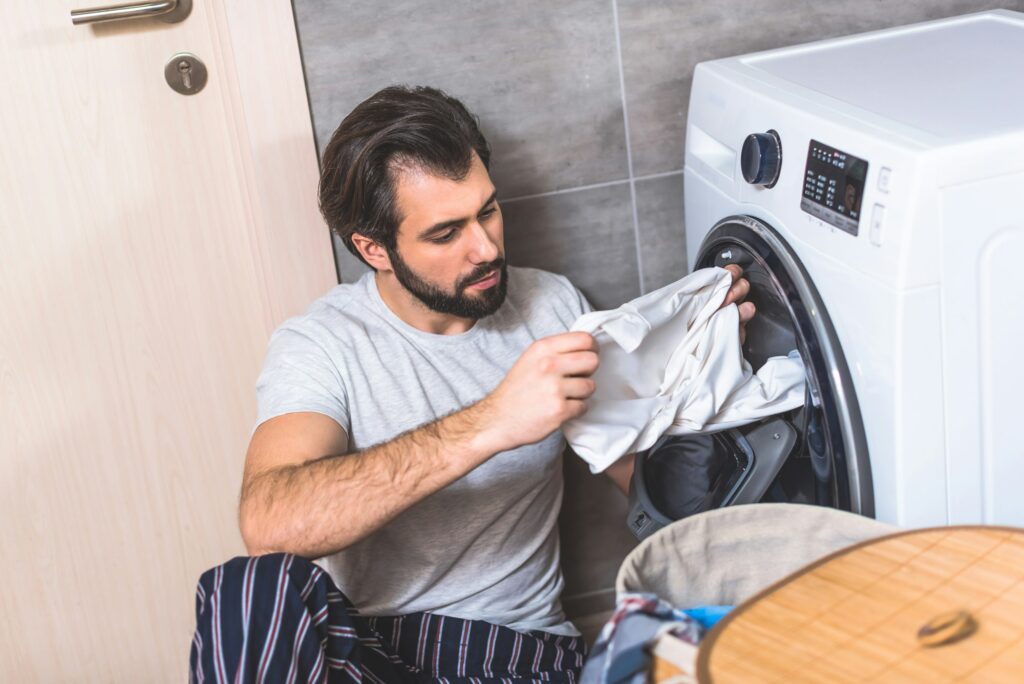
Hand washing is the best way to preserve delicate fabrics and avoid unnecessary wear and tear. Here’s a step-by-step guide:
- Fill a Basin with Lukewarm Water: Use lukewarm water and add a gentle detergent (preferably designed for delicates or wool).
- Submerge the Garment: Gently immerse the garment in the water and gently agitate it. Never scrub or twist the fabric, as this can stretch or damage delicate fibers.
- Rinse Thoroughly: Once the fabric is clean, rinse it thoroughly with cold water to remove all detergent. Make sure all soap is removed, as detergent residue can cause fibers to degrade over time.
- Remove Excess Water: Lay the garment on a clean towel and gently press it to remove excess water. Avoid wringing, as this can distort the shape and texture of the fabric.
- Dry Properly: Follow the specific drying instructions based on the fabric type.
5. Fabric-Specific Care Instructions
Each fabric requires unique care, and understanding the right washing, drying, and ironing techniques for each fabric type can significantly extend its lifespan.
Cotton Care Tips
- Washing: Cotton is relatively durable, so it can handle both warm and cold water washes. However, hot water can cause shrinkage, especially in untreated cotton.
- Drying: Cotton is prone to wrinkling, so use a low to medium heat setting on your dryer. To avoid shrinkage, remove it from the dryer while it’s still slightly damp and air dry.
- Ironing: Cotton wrinkles easily, so use a high heat setting and steam to smooth out the fabric. Iron the fabric while it is slightly damp for the best results.
Linen Care Tips
- Washing: Linen is best washed in cold or lukewarm water, and it should be washed on a gentle cycle. Over-washing linen can make it stiff, so avoid frequent laundering.
- Drying: Air drying is the best method for linen. Tumble drying is possible but should be done on a low heat setting. Remove linen while still slightly damp to prevent stiffness.
- Ironing: Linen wrinkles easily, so ironing is essential to keep it looking crisp. Use medium to high heat and apply steam for a smooth finish.
Silk Care Tips
- Washing: Silk is delicate and should be hand washed or dry cleaned. Use a mild detergent designed for delicates.
- Drying: Never wring or twist silk. Lay it flat to dry or hang it away from direct sunlight.
- Ironing: Iron on the lowest heat setting while the fabric is still slightly damp. Alternatively, you can iron silk through a pressing cloth to protect it from heat damage.
Wool Care Tips
- Washing: Wool is naturally water-repellent but can shrink if not washed properly. Hand wash in cool water with a wool-specific detergent or use the gentle wool cycle on your washing machine.
- Drying: Lay the wool garment flat to dry to prevent stretching. Never hang it as this can cause the fabric to lose its shape.
- Ironing: Wool is more resistant to wrinkles but can still benefit from steaming. Use low heat and press lightly with a steam iron.
Synthetic Fabrics Care Tips
- Washing: Most synthetic fabrics, like polyester and acrylic, are durable and can be washed in cold or warm water. Use a gentle cycle for items that need extra care.
- Drying: Machine drying synthetic fabrics is usually fine, but use a low heat setting to prevent damage or shrinkage.
- Ironing: Synthetics are generally wrinkle-resistant, but if needed, use low heat to avoid melting or distorting the fibers.
Blended Fabrics Care Tips
- Washing: When washing blended fabrics, always follow the care instructions for the most delicate fabric in the blend. If it’s a cotton-polyester blend, follow cotton care instructions, and if it’s a wool-silk blend, follow wool care instructions.
- Drying: Blended fabrics are generally easier to care for, but always check the specific fabric type before deciding on a drying method.
- Ironing: Use the lowest heat setting possible to avoid damage to the more delicate fibers in the blend.
6. Stain Removal Techniques
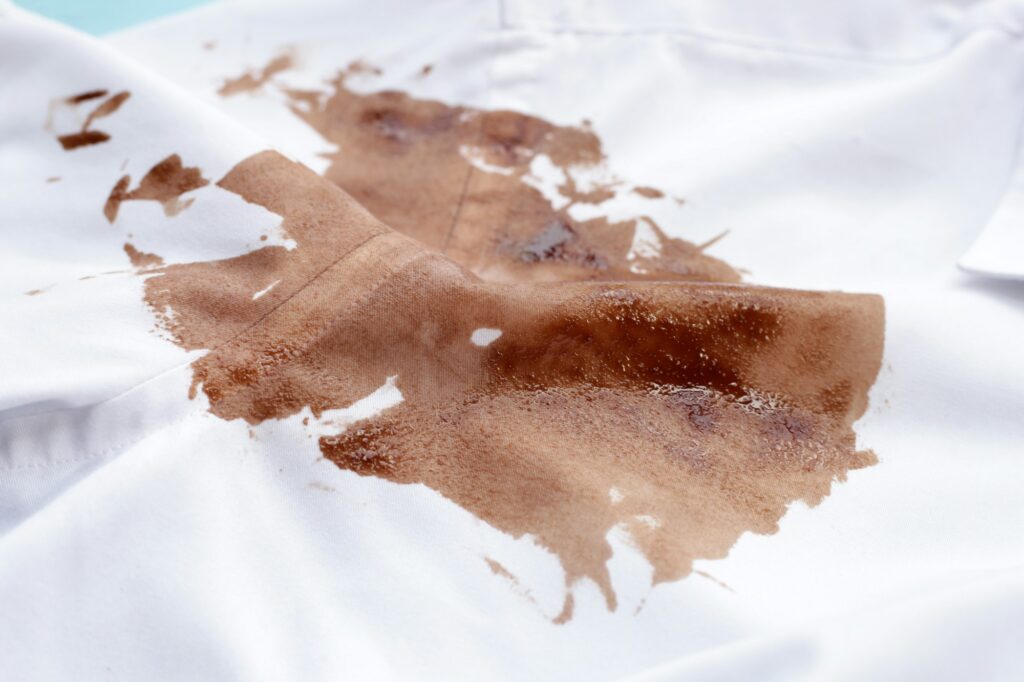
Stains are inevitable, but knowing how to treat them properly can prevent permanent damage to your clothes. Here’s how to handle some of the most common stains:
Oil and Grease Stains
Treatment: Apply dish soap directly to the stain and let it sit for 5–10 minutes. Gently rub the area to break up the grease, then wash with warm water.
Wine and Coffee Stains
Treatment: Blot immediately with a clean cloth to absorb excess liquid. For wine, apply a vinegar-water solution or club soda to the stain and rinse.
Grass and Dirt Stains
Treatment: Apply an enzyme-based detergent or pre-soak the fabric in cold water with detergent to loosen the stain before washing.
Ink and Dye Stains
Treatment: Dab with rubbing alcohol or hairspray (for ink stains) and rinse thoroughly before washing. Always test on an inconspicuous area first to avoid fabric damage.
Eco-Friendly Laundry Practices
- Eco-Friendly Detergents: Opt for biodegradable and plant-based detergents that are free of harsh chemicals, phosphates, and synthetic fragrances. These detergents are gentle on both the environment and your fabrics, while still providing effective cleaning power.
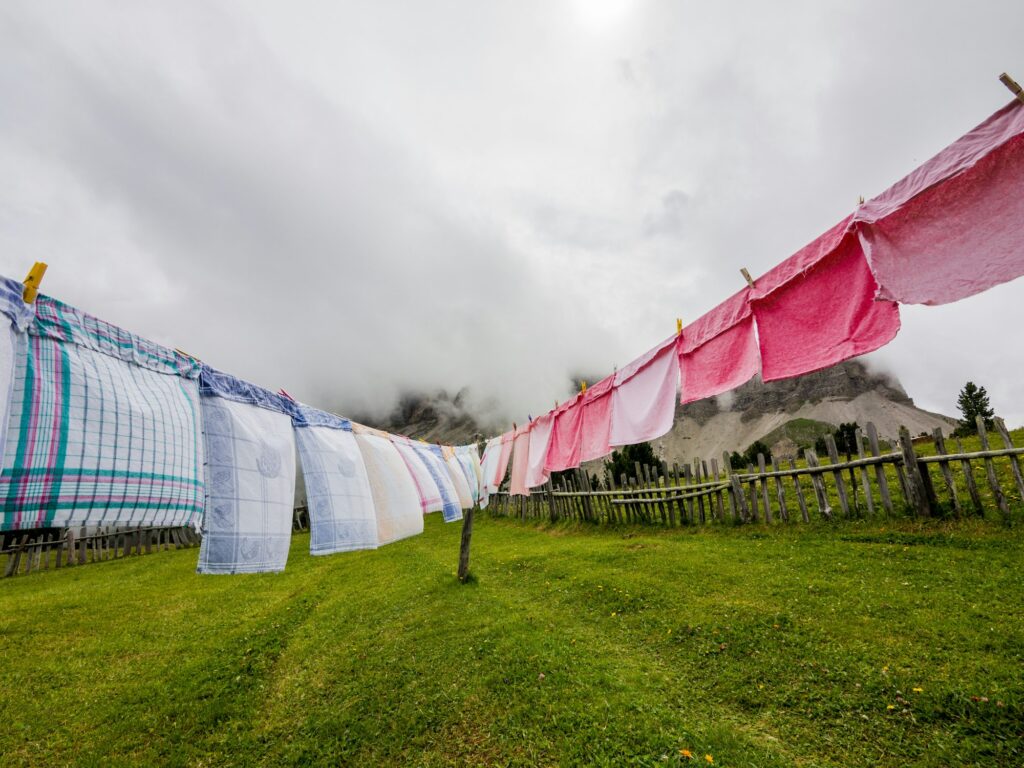
- Use a Clothes Line or Drying Rack: Instead of relying on the dryer for every load, try air-drying clothes on a clothesline or drying rack. This not only reduces energy consumption but also helps to preserve the integrity of delicate fabrics that can shrink or lose elasticity in the dryer.
- Wash Full Loads: Running smaller, partial loads of laundry wastes water and energy. Try to wait until you have a full load of laundry to ensure you’re using water and energy efficiently.
- Use a Microfiber Filter: Synthetic fabrics like polyester, nylon, and acrylic shed tiny microfibers when washed. These microfibers can end up in our waterways, contributing to pollution. Using a microfiber filter bag in your washing machine can help capture these particles before they escape into the environment.
- Washing Bags for Delicates: Consider using mesh washing bags for delicate items, as these can protect smaller garments (like lingerie or silk) while allowing them to be cleaned more effectively. Many brands now offer eco-friendly versions of these bags made from recycled materials.
7. Fabric-Specific Drying Techniques
Understanding the proper drying techniques for various fabrics is essential in prolonging the lifespan of your garments. Different fabrics require different methods to avoid shrinking, stretching, or damage.
Cotton Drying Tips
- Tumble Drying: Cotton is durable and can generally withstand tumble drying. However, high heat can cause cotton to shrink, so it’s better to use a medium or low heat setting.
- Air Drying: For cotton items that you want to preserve, such as pre-shrunk t-shirts or cotton knits, air drying is a great option. Lay them flat on a clean surface or hang them up to dry.
Linen Drying Tips
- Air Drying: Linen is best air-dried to avoid shrinkage. Lay it flat or hang it up to dry in a well-ventilated area, but avoid direct sunlight, which can fade the fabric.
- Tumble Drying: If you must use a dryer, set it to a low heat setting, and remove the linen items when they are still slightly damp to minimize wrinkling and shrinkage.
Silk Drying Tips
- Air Drying: Silk should never be placed in a tumble dryer. Instead, gently blot it with a towel to remove excess water, then lay it flat to dry or hang it in the shade.
- Avoid Direct Sunlight: Silk can be sensitive to sunlight, which can cause it to weaken and lose its color, so always dry your silk items in a shaded area.
Wool Drying Tips
- Air Drying: Wool should always be air-dried. Never hang wool garments as this can distort their shape. Lay them flat on a towel to dry, reshaping them gently to maintain their original form.
- Avoid Tumble Drying: Wool garments are prone to shrinking when exposed to high heat, so it’s best to avoid using the dryer altogether.
Synthetic Fabric Drying Tips
- Tumble Drying: Synthetic fabrics like polyester, nylon, and spandex can generally be tumble dried on low heat. However, high heat can cause these materials to lose their shape or melt.
- Air Drying: For items that require extra care, air drying on a flat surface or hang-drying is always a safer option.
Blended Fabrics Drying Tips
- Check Fabric Blend: When drying blended fabrics, refer to the care instructions for the most delicate material in the blend. For example, if you have a cotton-polyester blend, you can use a tumble dryer on low heat, but be cautious if the fabric contains more delicate fibers.
8. Fabric-Specific Ironing and Steaming Techniques
When it comes to ironing, not all fabrics are created equal. Here’s a guide to understanding the best practices for ironing different fabrics:
Cotton Ironing Tips
- High Heat: Cotton wrinkles easily, so it’s best to iron cotton on the highest heat setting (usually marked as “cotton” on most irons). Use steam for the best results.
- Iron While Damp: Ironing cotton while it is still slightly damp will give you a smoother finish and make the ironing process easier.
Linen Ironing Tips
- High Heat with Steam: Linen also wrinkles easily and requires high heat. Make sure your iron is set to a high heat setting with plenty of steam to smooth out the wrinkles.
- Iron While Damp: Similar to cotton, linen benefits from being ironed while slightly damp. This will give it a crisp, fresh finish.
Silk Ironing Tips
- Low Heat with Steam: Silk should always be ironed on the lowest heat setting to avoid scorching. Use the steam function to ease out wrinkles.
- Iron Through a Cloth: To protect the fabric, you can iron silk through a thin cotton cloth or pressing cloth. This prevents direct contact with the iron and reduces the risk of damage.
Wool Ironing Tips
- Low to Medium Heat with Steam: Wool should be ironed at a low to medium heat setting. Always use the steam function to prevent the fibers from becoming too stiff.
- Iron on the Reverse Side: Iron wool garments on the reverse side to avoid any potential damage to the surface. Use a pressing cloth to protect delicate areas.
Synthetic Fabric Ironing Tips
- Low Heat: Synthetics should be ironed on the lowest heat setting to avoid melting or scorching the fabric. Always check the label before ironing.
- Avoid Direct Heat: Since synthetic fabrics can melt, it’s a good idea to iron them inside out or use a pressing cloth between the fabric and the iron.
Blended Fabrics Ironing Tips
- Check the Most Delicate Fabric: Always refer to the care instructions for the most delicate material in the fabric blend when ironing. For instance, if you’re ironing a cotton-wool blend, use a medium heat setting suitable for wool.
9. Storing Fabrics: Tips for Longevity
Proper storage of your clothes can prevent damage and help maintain their quality for longer periods.
Clothing Storage Tips
- Keep Clothes Clean: Always make sure your clothes are clean before storing them to prevent stains from setting in. Dirt, sweat, and body oils can cause fabric fibers to break down over time.
- Use Appropriate Hangers: For delicate items like blouses and dresses, use padded or wooden hangers to preserve their shape. For heavier garments like suits or coats, use sturdy hangers to support the weight.
- Store in a Cool, Dry Place: Avoid storing clothes in damp, hot, or humid conditions, as these can promote mold, mildew, and fabric deterioration. A cool, dry closet is the best place to keep your garments.
- Protect with Garment Bags: For delicate fabrics, such as silk or wool, consider using garment bags to protect them from dust and insects.
Seasonal Clothing Storage
- Winter Clothing: When storing heavy winter clothing such as coats, wool sweaters, or scarves, use breathable garment bags to prevent dust accumulation. Avoid storing them in plastic bags, as these can trap moisture and cause mildew.
- Summer Clothing: For lighter clothing like linen, cotton, and summer dresses, consider using breathable cotton storage bags to keep them dust-free while preserving their shape and condition.
10. Common Fabric Care Mistakes to Avoid
To ensure that your clothes stay in great condition, here are some common fabric care mistakes you should avoid:
- Washing Everything in Hot Water: While hot water can be effective for certain fabrics and stains, it can damage delicate items or cause shrinkage in cotton and wool. Always read care labels and choose the appropriate water temperature.
- Overloading the Washer: Overloading the washing machine prevents clothes from getting cleaned properly and can cause fabric damage. It’s better to wash smaller loads to ensure that garments get the care they need.
- Using Too Much Detergent: Using excess detergent can leave residue on clothes, which can make fabrics feel stiff or cause irritation on the skin. Stick to the recommended detergent amount based on the size of your load.
- Skipping Fabric Softener on Delicates: Fabric softener is great for softening towels and sheets, but avoid using it on delicate fabrics like silk or lace, as it can break down fibers and leave residues.
- Drying Delicates on High Heat: High heat can cause damage to delicate fabrics and shrinkage in natural fibers. Always use low heat or air dry delicate items to preserve their texture and longevity.
11.FAQs: Your Fabric Care Questions Answered
To further help you with fabric care, here are some common questions and answers:
1. How do I prevent my clothes from shrinking?
- Answer: The best way to prevent shrinkage is by following the care label instructions carefully. Avoid washing clothes in hot water, and air-dry garments instead of using high-heat settings in the dryer. For cotton, wool, and other sensitive fabrics, always wash in cold or lukewarm water.
2. Can I use fabric softener on all types of fabric?
- Answer: While fabric softeners can make clothes feel softer and reduce wrinkles, they are not recommended for all fabric types. Avoid using fabric softener on moisture-wicking fabrics, like athletic wear, or delicate fabrics like silk and lace, as it can damage the fibers. For towels, blankets, and sheets, fabric softener is fine but use sparingly.
3. How do I deal with stubborn stains on my clothes?
- Answer: Stubborn stains should be treated as soon as possible. Pre-treat stains with a stain remover, applying it directly to the affected area before washing. For greasy stains, try using dish soap or laundry detergent with enzymes. For wine, blood, or coffee stains, cold water is often best before laundering. Always check the fabric’s care label to ensure you’re using the right treatment.
4. What is the best way to remove wrinkles from clothes?
- Answer: If you don’t want to use an iron, try hanging your clothes in a steamy bathroom for a quick fix. Alternatively, use a fabric steamer, which is gentler on clothes than an iron. If using an iron, always check the fabric’s recommended temperature and iron clothes while they are still slightly damp for best results.
5. How can I prevent fabric fading in the wash?
- Answer: To minimize fading, wash your clothes inside out and in cold water. Use mild detergents, and avoid the harsh drying effects of direct sunlight. For colored clothes, consider using a color-safe detergent and avoid over-washing them.
6. How do I store seasonal clothing properly?
- Answer: For winter clothing, store wool, cotton, and other seasonal items in a cool, dry place. Use breathable garment bags to protect your clothes from dust and insects. For lighter summer fabrics, you can use fabric storage bins or breathable bags to keep them safe until the next season.
7. Is it safe to machine dry all fabrics?
- Answer: Not all fabrics should be machine dried, as high heat can damage delicate fibers or cause shrinkage. For sensitive fabrics like silk, wool, and some synthetics, air-drying is the safest method. Always check care labels and set your dryer to the lowest heat setting for delicate fabrics.
8. Can I mix different fabrics in the same load?
- Answer: It’s best to wash fabrics that have similar care requirements together. For example, delicate fabrics like silk should not be washed with heavy items like towels or denim. Mixing fabrics that require different washing conditions can result in poor washing performance and damage.
12.Conclusion
Proper fabric care is crucial for maintaining the quality, feel, and longevity of your clothes. With the right techniques and knowledge, you can ensure that your garments stay looking great, wash after wash. Whether you’re dealing with everyday cottons or luxurious silks, following these fabric-specific guidelines will help you get the most out of your clothes, minimizing wear and extending their lifespan. Always remember that a little extra care can go a long way in preserving the quality of your wardrobe.
By applying these tips, you’ll keep your fabrics feeling fresh, soft, and vibrant for years to come.
13.References
- Brennan, J., & Schmidt, C. (2019). The effect of washing and drying on the longevity of different textile fibers. Textile Research Journal, 89(7), 1129-1138. https://doi.org/10.1177/0040517519873890
This article discusses how different washing and drying methods affect the durability and longevity of fabrics like cotton, wool, and synthetic fibers, providing insights into best practices for maintaining textiles over time. - Chen, L., & Zhang, Y. (2021). The role of fabric care in reducing the environmental impact of textile waste. Environmental Science & Technology, 55(4), 2452-2459. https://doi.org/10.1021/es2028149
This paper explores how proper fabric care techniques, such as washing in cold water and avoiding over-drying, can contribute to a reduction in textile waste and environmental impact, emphasizing sustainable laundry practices. - Jiang, Z., & Yang, W. (2020). Wool and silk care: Best practices for fabric preservation. International Journal of Clothing Science and Technology, 32(6), 722-732. https://doi.org/10.1108/IJCST-10-2019-0247
Focuses on the delicate care needed for high-end fabrics like silk and wool, with practical advice on hand washing, drying, and the use of professional cleaning services. - Kemp, R., & Green, T. (2022). Laundry detergents and their impact on textile degradation. Journal of Applied Textile Science, 61(2), 157-165. https://doi.org/10.1007/s11418-022-01658-4
This article covers the impact of different laundry detergents on fabric fibers and offers guidance on choosing detergents that are gentle on clothing while still being effective at cleaning. - Leung, A., & Lin, C. (2021). The influence of water temperature on fabric care and stain removal efficiency. Journal of Home and Consumer Sciences, 53(8), 1201-1209. https://doi.org/10.1080/10852352.2021.1965337
This study investigates the effects of varying water temperatures on the effectiveness of stain removal and the longevity of fabrics like cotton and synthetics, providing evidence for the benefits of cold water washing. - Smith, M. (2020). Textile care and sustainability: The future of fabric maintenance. Fashion and Sustainability, 4(2), 78-85. https://doi.org/10.1108/FAS-06-2020-0074
This academic review delves into the growing importance of sustainability in fabric care, discussing how eco-friendly practices like cold-water washing, air drying, and the use of biodegradable detergents can extend the life of textiles while reducing environmental damage. - Tan, H., & Zhou, J. (2020). A comprehensive study of fabric care labels: Standardization and user understanding. Journal of Consumer Education, 45(3), 290-298. https://doi.org/10.1080/10502008.2020.1738129
This research explores the international standards for fabric care labels and how their use can help consumers properly care for their garments, reducing errors that lead to fabric damage. - Wang, S., & Li, Y. (2019). The relationship between fabric structure and washing performance. Textile Research Journal, 89(9), 1325-1334. https://doi.org/10.1177/0040517519887545
The authors investigate the correlation between different fabric structures (e.g., woven vs. knitted) and how they perform during washing and drying, offering detailed insights into the best care methods for each.
Disclaimer: The content provided in this post is intended
for adults (18+) and is offered for informational purposes only. It does
not constitute medical or professional advice. We make no warranty as to
the accuracy or reliability of the information presented. Any images or
media used may originate from the internet or free-license resources. If
you are the rightful owner and wish to request removal or attribution,
please contact us at
[email protected]
.