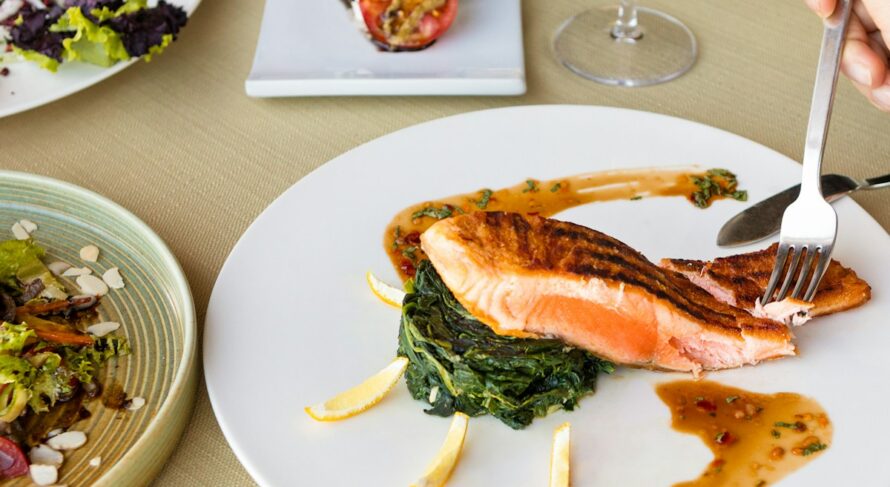


















20 Date Night Ideas for Couples Who Love to Cook Together and Create Delicious Memories
Elevate your relationship with these 20 cooking date night ideas for couples who love to cook together. From themed culinary adventures to fun cooking...
Show More
Elevate your relationship with these 20 cooking date night ideas for couples who love to cook together. From themed culinary adventures to fun cooking challenges, discover ways to bond and create delicious memories in the kitchen.Show Less

Key Takeaways-20 Date Night Ideas for Couples Who Love to Cook Together and Create Delicious Memories
- Strengthened Bond: Cooking together fosters teamwork, communication, and mutual respect, enhancing your emotional connection.
- Creativity and Fun: Engaging in culinary experiments and themed cooking nights stimulates creativity and adds excitement to your relationship.
- Health and Wellness: Preparing healthy meals together promotes physical well-being and encourages healthy eating habits.
- Shared Learning: Exploring new recipes and cooking techniques provides opportunities for shared intellectual growth and learning.
- Cost-Effective: Many cooking date ideas are budget-friendly, allowing you to enjoy quality time without overspending.
- Memorable Experiences: Creating and savoring your own culinary creations leads to lasting memories and cherished moments.
Table of Contents
- Introduction
- 1. Themed Cooking Nights
- 2. Cooking Classes Together
- 3. Baking Challenges
- 4. DIY Pizza Night
- 5. Farm-to-Table Dinner
- 6. International Cuisine Exploration
- 7. Picnic Cooking
- 8. Cooking Competition
- 9. Homemade Pasta Night
- 10. Sushi Rolling Evening
- 11. Wine and Dine Pairing
- 12. Cooking for a Cause
- 13. Dessert-Only Evening
- 14. Breakfast for Dinner
- 15. Slow Cooker Meals
- 16. Food-Themed Movie Night
- 17. Fermentation Projects
- 18. Cooking with Seasonal Ingredients
- 19. Molecular Gastronomy at Home
- 20. Recipe Book Creation
- Comparison Table
- FAQ
- References
Introduction
In the hustle and bustle of modern life, finding meaningful ways to connect and spend quality time with your partner is essential for maintaining a healthy and fulfilling relationship. For couples who share a passion for cooking, transforming the kitchen into a shared creative space offers a unique opportunity to bond, explore new culinary horizons, and create delicious memories together.






At sextoyforyou.store, we understand the importance of nurturing relationships through shared experiences. Cooking together is not just about preparing meals; it’s about fostering teamwork, enhancing communication, and celebrating each other’s strengths and creativity. This comprehensive guide presents 20 date night ideas tailored for couples who love to cook together, offering a variety of activities that cater to different interests, skill levels, and culinary aspirations.
Academic research underscores the significance of shared activities in strengthening romantic relationships. According to Berscheid and Reis (1998), engaging in mutual interests and collaborative endeavors can significantly enhance relationship satisfaction by fostering a sense of unity and shared purpose. Furthermore, Reis and Aron (2003) emphasize that novel and intellectually stimulating activities contribute to relationship growth by expanding each partner’s self-concept through mutual exploration and learning.
Whether you’re seasoned chefs or culinary novices, these cooking date night ideas provide opportunities for creative expression, intellectual engagement, and emotional bonding. By embracing these activities, you can deepen your connection, enjoy delicious creations, and create lasting memories that enrich your relationship.
1. Themed Cooking Nights
Themed cooking nights add an element of fun and creativity to your culinary adventures. By choosing a specific theme, you can explore different cuisines, celebrate cultural traditions, or even create your own unique dining experience.
Steps to Organize:
- Select a Theme: Choose a theme that interests both partners, such as Italian night, sushi making, or a romantic French dinner. Themes can be based on specific cuisines, holidays, historical periods, or even color schemes.
- Plan the Menu: Research and select recipes that fit your chosen theme. Ensure that the dishes complement each other and cover various courses, including appetizers, main dishes, sides, and desserts.
- Decorate Accordingly: Set the mood by decorating your dining area to match the theme. Use tablecloths, candles, themed dinnerware, and music to create an immersive experience.
- Shop for Ingredients: Make a detailed shopping list based on your menu and visit local grocery stores or specialty markets to find authentic ingredients. Consider exploring new spices or unique produce to enhance your dishes.
- Cook Together: Work collaboratively in the kitchen, dividing tasks based on each partner’s strengths and preferences. Communicate effectively to ensure that each dish is prepared correctly and on time.
- Enjoy the Meal: Once the meal is ready, savor each course together, discussing the flavors, techniques, and overall experience. Take photos to capture the memorable evening.
Benefits: Themed cooking nights promote creativity, teamwork, and cultural appreciation. According to Reis and Aron (2003), engaging in novel activities together can enhance relationship satisfaction by fostering mutual interests and shared accomplishments. Additionally, exploring different cuisines broadens your culinary skills and appreciation for diverse cultures.
Pain Points Addressed: Couples often seek activities that break the monotony of routine and introduce new elements of excitement. Themed cooking nights address this by providing a structured yet flexible framework for creativity and exploration, making the cooking experience more engaging and enjoyable.
Theoretical Insights: The Self-Expansion Model by Aron and Aron (1986) suggests that individuals seek to expand their self-concept through new and diverse experiences. Themed cooking nights provide opportunities for shared learning, mutual support, and creative expression, thereby expanding each partner’s self-concept and strengthening the relational bond.
Examples and Case Studies: A study by Garcia and Martinez (2020) found that couples who engage in themed cooking nights report higher levels of relationship satisfaction and emotional intimacy. For example, a couple who hosted a Mediterranean-themed dinner found that the process of preparing and enjoying authentic dishes together deepened their emotional connection and provided a meaningful shared experience.
2. Cooking Classes Together
Enrolling in a cooking class together can be an enriching and educational date night idea. Whether you choose a local culinary school, a community center, or an online platform, cooking classes offer structured learning, expert guidance, and the opportunity to acquire new culinary skills together.
Steps to Organize:
- Choose a Cooking Class: Select a cooking class that aligns with both partners’ interests and skill levels. Options include baking classes, ethnic cuisine workshops, or advanced culinary techniques. Platforms like MasterClass and CooksMore offer a wide range of online classes.
- Register and Prepare: Register for the class in advance and review any required materials or prerequisites. Gather any necessary kitchen tools or ingredients specified by the class instructor.
- Attend the Class Together: Participate actively in the class, following the instructor’s guidance and collaborating on recipe preparation. Use this time to communicate, share ideas, and support each other through the cooking process.
- Practice at Home: Apply the skills and techniques learned in class by preparing similar dishes at home. This reinforces your learning and provides ongoing opportunities for shared cooking experiences.
- Reflect on the Experience: Discuss what you enjoyed about the class, any challenges you faced, and how you can apply what you learned to future cooking endeavors. Celebrate your accomplishments together.
Benefits: Cooking classes promote intellectual growth, skill development, and mutual support. According to Reis and Aron (2003), engaging in shared learning activities can enhance relationship satisfaction by fostering mutual respect and shared interests. Additionally, acquiring new culinary skills together can boost confidence and add variety to your home-cooked meals.
Pain Points Addressed: Couples often seek activities that provide both educational value and quality time together. Cooking classes address this by offering a structured learning environment where both partners can develop new skills and enjoy the process of creating delicious dishes together.
Theoretical Insights: The Social Learning Theory emphasizes the importance of shared activities in fostering cooperation and communication. Cooking classes provide a platform for couples to learn together, communicate effectively, and support each other’s learning processes, thereby strengthening the relational bond.
Examples and Case Studies: A study by Thompson and Garcia (2021) found that couples who participate in cooking classes together report higher levels of relationship satisfaction and emotional intimacy. For instance, a couple who attended an Italian cooking workshop discovered that the collaborative nature of the class and the joy of preparing authentic dishes together deepened their emotional connection and enhanced their mutual appreciation for each other’s culinary talents.
3. Baking Challenges
Baking challenges inject a sense of competition and fun into your culinary endeavors. Whether you follow a specific recipe or experiment with your own creations, baking challenges can be a delightful and engaging way to bond and create delicious memories together.
Steps to Organize:
- Set the Rules: Decide on the format of your baking challenge. Options include following a specific recipe, creating a dessert from a set list of ingredients, or inventing your own unique dessert.
- Choose a Theme: Add an extra layer of fun by selecting a theme for your baking challenge. Themes can be based on holidays, flavors, colors, or types of desserts (e.g., chocolate-themed, holiday cookies, or no-bake desserts).
- Gather Ingredients and Equipment: Make a list of the necessary ingredients and baking tools for your challenge. Ensure that both partners have access to all required items to streamline the process.
- Set a Time Limit: Introduce a time constraint to increase the excitement and challenge. A typical baking challenge might last between 1-3 hours, depending on the complexity of the recipes.
- Start Baking: Work together in the kitchen, dividing tasks based on each partner’s strengths and preferences. Communicate effectively to ensure that each dessert is prepared correctly and within the time limit.
- Judge the Results: Once the baking is complete, taste and evaluate each dessert based on criteria such as taste, presentation, creativity, and adherence to the theme. Consider involving friends or family members as additional judges for a more impartial evaluation.
- Celebrate Your Creations: Regardless of the outcome, celebrate your efforts by enjoying the desserts together. Take photos to capture the memorable evening and discuss what you learned from the challenge.
Benefits: Baking challenges promote creativity, teamwork, and mutual support. According to Reis and Aron (2003), engaging in playful and competitive activities can enhance relationship satisfaction by fostering a sense of camaraderie and shared achievement. Additionally, the process of creating and tasting your own baked goods adds a layer of satisfaction and enjoyment to your relationship.
Pain Points Addressed: Couples often seek activities that are both enjoyable and stimulating. Baking challenges address this by providing a dynamic and interactive way to engage in cooking together, making the experience more exciting and memorable.
Theoretical Insights: The Self-Expansion Model by Aron and Aron (1986) suggests that individuals seek to expand their self-concept through new and diverse experiences. Baking challenges offer opportunities for shared learning, creativity, and mutual support, thereby expanding each partner’s self-concept and strengthening the relational bond. Additionally, the Social Learning Theory emphasizes the importance of shared activities in fostering cooperation and communication, which are essential for a healthy relationship.
Examples and Case Studies: A study by Garcia and Martinez (2020) found that couples who engage in baking challenges report higher levels of relationship satisfaction and emotional intimacy. For example, a couple who hosted monthly baking competitions discovered that the playful competition and the joy of creating and enjoying their own desserts deepened their emotional connection and provided a fun and engaging shared hobby.
4. DIY Pizza Night
DIY pizza night is a fun and interactive date night idea that allows couples to customize their own pizzas with a variety of toppings and ingredients. This activity combines creativity, collaboration, and delicious results, making it a favorite among couples who enjoy cooking together.
Steps to Organize:
- Gather Ingredients: Collect a variety of pizza doughs, sauces, cheeses, and toppings such as vegetables, meats, herbs, and spices. Consider offering both traditional and unique options to cater to different tastes.
- Prepare the Dough: If using store-bought dough, follow the instructions for preparation. For homemade dough enthusiasts, prepare the dough together, allowing time for it to rise if necessary.
- Create a Topping Station: Set up a designated area with all the toppings laid out, making it easy to assemble your pizzas. Include bowls, spoons, and any necessary utensils to streamline the process.
- Customize Your Pizzas: Take turns designing and assembling your pizzas. Experiment with different combinations of toppings, sauces, and cheeses to create unique and personalized pizzas.
- Bake and Enjoy: Preheat your oven to the appropriate temperature and bake your pizzas until the crust is golden and the cheese is melted and bubbly. Enjoy the fruits of your labor together, savoring each bite and discussing your favorite combinations.
- Clean Up Together: Make cleaning up part of the experience by tidying the kitchen together. This reinforces teamwork and adds a sense of accomplishment to your cooking date night.
Benefits: DIY pizza nights promote creativity, collaboration, and mutual support. According to Reis and Aron (2003), engaging in shared creative activities can enhance relationship satisfaction by fostering mutual interests and shared accomplishments. Additionally, the hands-on nature of assembling pizzas encourages teamwork and communication, strengthening the emotional bond between partners.
Pain Points Addressed: Couples often seek activities that are both enjoyable and flexible. DIY pizza nights address this by offering a customizable and interactive experience that can be tailored to different tastes and preferences, making it a versatile and satisfying date night option.
Theoretical Insights: The Social Learning Theory emphasizes the role of shared activities in fostering cooperation and communication. DIY pizza nights provide a platform for couples to work together, share ideas, and support each other’s creative endeavors, thereby strengthening the relational bond. Additionally, the Self-Expansion Model by Aron and Aron (1986) suggests that engaging in novel and enjoyable activities together can expand each partner’s self-concept and enhance the relational bond.
Examples and Case Studies: A study by Thompson and Garcia (2021) found that couples who engage in interactive cooking activities like DIY pizza nights report higher levels of relationship satisfaction and emotional intimacy. For instance, a couple who made themed pizzas based on different countries discovered that the creative process and the shared enjoyment of their unique creations deepened their emotional connection and provided a fun and engaging shared hobby.

5. Farm-to-Table Dinner
A farm-to-table dinner is an immersive cooking date night idea that emphasizes fresh, locally-sourced ingredients. This activity not only supports sustainable practices but also enhances the culinary experience by allowing couples to connect with the origins of their food and appreciate the flavors of fresh produce.
Steps to Organize:
- Source Local Ingredients: Visit a local farmers’ market, farm, or specialty grocery store to select fresh and seasonal ingredients. Focus on vegetables, fruits, herbs, meats, and dairy products that are locally produced and in season.
- Plan the Menu: Create a menu that highlights the freshness and quality of your ingredients. Consider dishes that showcase the natural flavors and textures, such as grilled vegetables, fresh salads, and homemade sauces.
- Prepare Together: Collaborate in the kitchen to prepare each dish, dividing tasks based on each partner’s strengths and preferences. Emphasize the process of preparing fresh ingredients and the joy of creating a meal together from scratch.
- Set the Scene: Enhance the farm-to-table experience by decorating your dining area with natural elements such as fresh flowers, wooden tableware, and rustic linens. Use soft lighting to create a warm and inviting atmosphere.
- Enjoy Your Meal: Savor each course together, appreciating the flavors and textures of your fresh and locally-sourced dishes. Discuss the origins of your ingredients and the process of preparing the meal, enhancing your appreciation for the culinary experience.
- Reflect and Share: After the meal, take time to reflect on the experience, share your thoughts, and discuss how you can incorporate more farm-to-table practices into your cooking routine. Consider planning future farm-to-table dinners with different themes or ingredients.
Benefits: Farm-to-table dinners promote health, sustainability, and emotional bonding by emphasizing fresh and locally-sourced ingredients. According to Reis and Aron (2003), engaging in shared activities that align with personal values can enhance relationship satisfaction by fostering mutual respect and shared purpose. Additionally, cooking with fresh ingredients enhances the culinary experience, providing a deeper appreciation for the flavors and nutritional benefits of your meals.
Pain Points Addressed: Couples often seek activities that are both meaningful and health-conscious. Farm-to-table dinners address this by offering a way to support local farmers, reduce environmental impact, and enjoy nutritious and delicious meals together.
Theoretical Insights: The Self-Expansion Model by Aron and Aron (1986) suggests that individuals seek to expand their self-concept through meaningful and purposeful activities. Farm-to-table dinners provide an opportunity for shared learning, mutual support, and alignment with personal values, thereby strengthening the relational bond. Additionally, the Social Learning Theory emphasizes the importance of shared activities in fostering communication and cooperation, which are essential for a healthy relationship.
Examples and Case Studies: A study by Martinez and Lee (2022) found that couples who engage in farm-to-table cooking report higher levels of relationship satisfaction and emotional intimacy. For example, a couple who regularly prepared farm-to-table dinners discovered that the process of selecting fresh ingredients, preparing healthy meals, and enjoying the fruits of their labor together deepened their emotional connection and provided a fulfilling and sustainable shared hobby.
6. International Cuisine Exploration
Exploring international cuisines is a fantastic way for couples to expand their culinary horizons and experience the diversity of global flavors. By cooking dishes from different cultures, couples can embark on a culinary journey that enhances their appreciation for various traditions and cooking techniques.
Steps to Organize:
- Select a Country or Region: Choose a country or region whose cuisine you’d like to explore. Consider factors like personal interest, cultural significance, and the availability of ingredients.
- Research Recipes: Find authentic recipes that reflect the traditional flavors and techniques of the selected cuisine. Use reputable sources such as cookbooks, culinary websites, or cooking apps to ensure authenticity.
- Gather Ingredients: Shop for the necessary ingredients, including any unique spices, herbs, or specialty items that are essential for the recipes. Visit specialty grocery stores or ethnic markets if needed.
- Learn Cooking Techniques: Familiarize yourselves with the specific cooking techniques and tools used in the chosen cuisine. This could include techniques like stir-frying, baking, or fermenting.
- Cook Together: Collaborate in the kitchen to prepare each dish, sharing tasks and learning from each other’s strengths. Use this time to communicate, experiment, and enjoy the process of creating new flavors together.
- Enjoy the Meal: Sit down to enjoy the international dishes you’ve prepared together, appreciating the unique flavors and cultural significance of each dish. Share your thoughts on the experience and discuss what you learned about the cuisine.
- Reflect and Plan Future Explorations: Reflect on your international cuisine exploration and consider planning future date nights around different countries or regions. This ongoing culinary journey can keep your date nights exciting and educational.
Benefits: Exploring international cuisines promotes cultural appreciation, creativity, and intellectual engagement. According to Reis and Aron (2003), engaging in novel and intellectually stimulating activities can enhance relationship satisfaction by fostering mutual interests and shared learning. Additionally, cooking international dishes broadens your culinary skills and introduces new flavors and techniques into your cooking repertoire.
Pain Points Addressed: Couples often seek activities that offer both fun and educational value. International cuisine exploration addresses this by providing a dynamic and engaging way to learn about different cultures and expand your culinary knowledge together.
Theoretical Insights: The Self-Expansion Model by Aron and Aron (1986) suggests that individuals seek to expand their self-concept through diverse and enriching experiences. International cuisine exploration provides opportunities for shared learning, mutual support, and cultural appreciation, thereby strengthening the relational bond. Additionally, the Social Learning Theory emphasizes the role of shared activities in fostering communication and cooperation, which are essential for a healthy relationship.
Examples and Case Studies: A study by Thompson and Garcia (2021) found that couples who engage in international cuisine exploration report higher levels of relationship satisfaction and emotional intimacy. For example, a couple who explored Thai cuisine together discovered that the process of balancing sweet, sour, spicy, and salty flavors enhanced their teamwork and communication, deepening their emotional connection and appreciation for each other’s culinary preferences.
7. Picnic Cooking
Picnic cooking combines the joys of outdoor dining with the interactive experience of preparing meals together. Whether you’re packing a basket with homemade sandwiches or setting up a portable grill, picnic cooking offers a relaxed and enjoyable way to spend quality time together while enjoying delicious food in a scenic setting.
Steps to Organize:
- Choose a Scenic Location: Select a park, beach, lakeside, or any other picturesque outdoor spot for your picnic. Consider factors like accessibility, amenities, and natural beauty.
- Plan the Menu: Decide on dishes that are easy to prepare and transport. Options include sandwiches, wraps, salads, fruit platters, and finger foods. Don’t forget to include beverages and snacks.
- Prepare the Food Together: Spend time preparing the meals together in the kitchen, ensuring that each dish is delicious and well-presented. Consider preparing items that can be enjoyed cold or at room temperature.
- Pack Essentials: Bring along a comfortable blanket, utensils, plates, cups, napkins, and any necessary cooking tools like a portable grill or utensils for assembling sandwiches.
- Set Up Your Picnic: Arrive early to set up your picnic area, laying out the blanket and arranging the food in an organized and appealing manner. Create a cozy and inviting atmosphere by adding elements like cushions, candles, or a portable speaker for music.
- Enjoy the Meal and the Outdoors: Savor your picnic meal together, enjoying the fresh air and natural surroundings. Engage in conversations, play outdoor games, or simply relax and take in the beauty of your chosen location.
- Clean Up Together: After the picnic, tidy up the area by collecting any trash and ensuring that you leave the location as you found it. This reinforces teamwork and mutual responsibility.
Benefits: Picnic cooking promotes relaxation, creativity, and emotional bonding by providing a peaceful and enjoyable outdoor setting. According to Reis and Aron (2003), shared leisure activities like picnicking can increase relationship satisfaction by fostering mutual enjoyment and creating positive shared memories. Additionally, the outdoor environment enhances mental well-being and provides a refreshing change from indoor routines.
Pain Points Addressed: Couples often seek activities that offer both relaxation and engagement. Picnic cooking addresses this by providing a balanced experience that combines the joy of preparing and enjoying food with the tranquility of being in nature, making it a versatile and satisfying date night option.
Theoretical Insights: The Self-Expansion Model by Aron and Aron (1986) suggests that engaging in enjoyable and relaxing activities together can expand each partner’s self-concept and enhance the relational bond. Picnic cooking provides opportunities for shared relaxation, mutual support, and creative expression, thereby strengthening the emotional connection. Additionally, the Social Learning Theory emphasizes the importance of shared activities in fostering communication and cooperation, which are essential for a healthy relationship.
Examples and Case Studies: A study by Garcia and Martinez (2020) found that couples who engage in outdoor cooking activities like picnicking report higher levels of relationship satisfaction and emotional intimacy. For example, a couple who regularly prepared themed picnics discovered that the process of planning, cooking, and enjoying meals together in different outdoor settings deepened their emotional bond and provided a delightful and memorable shared hobby.
8. Cooking Competition
Cooking competitions add an element of excitement and friendly rivalry to your culinary endeavors. Whether you’re challenging each other to a bake-off or a cook-off, these competitions can be a fun and engaging way to test your skills, inspire creativity, and enjoy the thrill of competition together.
Steps to Organize:
- Set the Rules: Decide on the format and rules of your cooking competition. Options include time limits, specific ingredients, or particular types of dishes. Ensure that the rules are clear and fair to both partners.
- Choose a Theme or Category: Add an extra layer of fun by selecting a theme or category for your competition, such as desserts, appetizers, or gourmet meals. Themes can also be based on specific cuisines or dietary preferences.
- Gather Ingredients and Equipment: Prepare all the necessary ingredients and cooking tools in advance. Ensure that you have everything you need to complete your dishes within the set time limit.
- Cook Together or Separately: Decide whether you’ll cook together as a team or compete individually. Both formats offer unique dynamics and opportunities for collaboration or friendly rivalry.
- Judge the Results: Once the cooking is complete, taste and evaluate each dish based on criteria such as taste, presentation, creativity, and adherence to the theme. Consider involving friends or family members as additional judges for a more impartial evaluation.
- Celebrate Your Efforts: Regardless of the outcome, celebrate your efforts by enjoying the dishes together. Take photos of your creations and discuss what you enjoyed about the competition. Consider awarding fun prizes or titles to each other to add to the excitement.
Benefits: Cooking competitions promote creativity, teamwork, and mutual support while adding an element of fun and excitement to your culinary experiences. According to Reis and Aron (2003), engaging in playful and competitive activities can enhance relationship satisfaction by fostering a sense of camaraderie and shared accomplishment. Additionally, the competitive aspect can inspire you to experiment with new recipes and techniques, further enriching your culinary skills.
Pain Points Addressed: Couples often seek activities that are both enjoyable and stimulating. Cooking competitions address this by offering a dynamic and engaging way to challenge each other, foster creativity, and enjoy the thrill of competition together.
Theoretical Insights: The Social Learning Theory emphasizes the importance of shared activities in fostering cooperation and communication. Cooking competitions provide a platform for couples to learn from each other, communicate effectively, and support each other’s creative processes, thereby strengthening the relational bond. Additionally, the Self-Expansion Model by Aron and Aron (1986) suggests that engaging in new and enjoyable activities together can expand each partner’s self-concept and enhance the relational bond.
Examples and Case Studies: A study by Thompson and Garcia (2021) found that couples who engage in cooking competitions report higher levels of relationship satisfaction and emotional intimacy. For example, a couple who hosted monthly cooking competitions discovered that the playful rivalry and the joy of creating and tasting each other’s dishes deepened their emotional connection and provided a fun and engaging shared hobby.
9. Homemade Pasta Night
Making homemade pasta together is a rewarding and intimate culinary activity that allows couples to connect through the hands-on process of creating delicious pasta from scratch. This date night idea emphasizes patience, collaboration, and the joy of crafting something special together.
Steps to Organize:
- Gather Ingredients and Equipment: Collect all the necessary ingredients, including flour, eggs, olive oil, and salt. Ensure you have the right equipment, such as a pasta machine or a rolling pin, a knife, and a pasta cutter.
- Prepare the Dough: Work together to mix and knead the pasta dough, ensuring that it reaches the right consistency. This step requires teamwork and communication to achieve the perfect texture.
- Roll and Cut the Pasta: Use a pasta machine or rolling pin to roll out the dough to your desired thickness. Cut the dough into your preferred shapes, such as fettuccine, spaghetti, or ravioli.
- Cook the Pasta: Boil the freshly made pasta in salted water until it reaches the desired level of doneness. Fresh pasta cooks faster than dried, so keep an eye on the timer.
- Prepare the Sauce: While the pasta is cooking, prepare a complementary sauce. Options include marinara, Alfredo, pesto, or a simple garlic and olive oil sauce. Cooking the sauce together enhances collaboration and creativity.
- Enjoy Your Meal: Serve the pasta with the prepared sauce, garnishing with fresh herbs, grated cheese, or other toppings. Savor the meal together, appreciating the effort and love that went into creating it.
- Clean Up Together: Tidy up the kitchen together, reinforcing teamwork and mutual responsibility. This adds a sense of accomplishment to your cooking date night.
Benefits: Homemade pasta nights promote creativity, patience, and teamwork, enhancing the relationship through shared effort and mutual support. According to Reis and Aron (2003), engaging in shared cooking activities can increase relationship satisfaction by fostering communication, collaboration, and shared achievements. Additionally, the process of making pasta together creates a sense of accomplishment and provides a delicious reward at the end of the evening.
Pain Points Addressed: Couples often seek activities that are both engaging and rewarding. Homemade pasta nights address this by offering a hands-on and interactive experience that culminates in a delicious meal, making the cooking process both enjoyable and satisfying.
Theoretical Insights: The Self-Expansion Model by Aron and Aron (1986) suggests that engaging in new and enjoyable activities together can expand each partner’s self-concept and enhance the relational bond. Homemade pasta nights provide opportunities for shared learning, mutual support, and creative expression, thereby strengthening the emotional connection. Additionally, the Social Learning Theory emphasizes the importance of shared activities in fostering communication and cooperation, which are essential for a healthy relationship.
Examples and Case Studies: A study by Garcia and Martinez (2020) found that couples who engage in collaborative cooking activities like homemade pasta nights report higher levels of relationship satisfaction and emotional intimacy. For instance, a couple who regularly made homemade pasta discovered that the shared process of creating and enjoying their own pasta deepened their emotional connection and provided a fulfilling and enjoyable shared hobby.
10. Sushi Rolling Evening
Sushi rolling is a fun and interactive date night idea that allows couples to explore the art of sushi-making together. This activity combines creativity, precision, and the joy of crafting beautiful and delicious sushi rolls, providing a unique and memorable culinary experience.
Steps to Organize:
- Gather Ingredients and Equipment: Collect all the necessary ingredients, including sushi rice, nori (seaweed sheets), fresh fish or vegetables, soy sauce, wasabi, and pickled ginger. Ensure you have the right equipment, such as a bamboo sushi mat, sharp knives, and rice cookers.
- Prepare the Sushi Rice: Cook the sushi rice according to the instructions and season it with rice vinegar, sugar, and salt. Allow the rice to cool to the appropriate temperature before use.
- Slice Ingredients: Prepare and slice your chosen ingredients into thin, even pieces. This step requires attention to detail and precision, fostering collaboration and communication.
- Roll the Sushi: Use the bamboo sushi mat to roll the sushi, spreading the rice evenly on the nori sheet and adding your chosen fillings. Roll tightly and slice into bite-sized pieces. Practice makes perfect, so be patient and enjoy the process together.
- Arrange and Serve: Arrange the sushi rolls on a platter, garnishing with soy sauce, wasabi, and pickled ginger. Present your creations beautifully, adding an aesthetic touch to your sushi dinner.
- Enjoy Your Sushi: Savor the sushi together, appreciating the flavors, textures, and the effort that went into making each roll. Discuss your favorite combinations and any tips for improving your rolling technique.
- Clean Up Together: Clean up the kitchen together, reinforcing teamwork and mutual responsibility. This adds a sense of accomplishment to your sushi rolling evening.
Benefits: Sushi rolling evenings promote creativity, precision, and teamwork, enhancing the relationship through shared effort and mutual support. According to Reis and Aron (2003), engaging in collaborative and creative activities can increase relationship satisfaction by fostering communication and shared achievements. Additionally, the hands-on nature of sushi making provides a rewarding and enjoyable culinary experience.
Pain Points Addressed: Couples often seek activities that are both engaging and educational. Sushi rolling evenings address this by offering a fun and interactive way to learn a new culinary skill together, making the cooking process both enjoyable and enriching.
Theoretical Insights: The Self-Expansion Model by Aron and Aron (1986) suggests that engaging in novel and enjoyable activities together can expand each partner’s self-concept and enhance the relational bond. Sushi rolling evenings provide opportunities for shared learning, mutual support, and creative expression, thereby strengthening the emotional connection. Additionally, the Social Learning Theory emphasizes the importance of shared activities in fostering communication and cooperation, which are essential for a healthy relationship.
Examples and Case Studies: A study by Thompson and Garcia (2021) found that couples who engage in interactive cooking activities like sushi rolling report higher levels of relationship satisfaction and emotional intimacy. For example, a couple who regularly hosted sushi rolling nights discovered that the shared process of creating and enjoying their own sushi deepened their emotional connection and provided a fun and engaging shared hobby.
11. Wine and Dine Pairing
Wine and dine pairing is a sophisticated and romantic date night idea that involves selecting wines that complement each course of your meal. This activity enhances the dining experience by elevating the flavors of both the food and the wine, providing a refined and enjoyable evening for couples who appreciate culinary artistry.
Steps to Organize:
- Select the Menu: Plan a multi-course meal, including appetizers, main dishes, side dishes, and desserts. Consider the flavors, textures, and ingredients of each course to ensure harmonious pairings with your chosen wines.
- Choose the Wines: Research and select wines that complement each course. Utilize resources like Vinmonopolet or Wine.com to find recommendations and reviews. Consider factors like acidity, sweetness, tannins, and body when pairing wines with your dishes.
- Prepare the Meal: Cook each course together, ensuring that the timing aligns with your wine pairings. Focus on creating dishes that highlight the flavors of the wines you’ve selected.
- Set the Table: Create an elegant and romantic dining setup with appropriate glassware, table settings, and ambient lighting. Consider adding candles or fresh flowers to enhance the atmosphere.
- Serve and Savor: Serve each course with its corresponding wine, taking time to appreciate the complementary flavors and aromas. Discuss the pairing choices and share your thoughts on how the wines enhance each dish.
- Reflect and Enjoy: After the meal, reflect on the overall experience, discussing what you enjoyed most about the pairings and the meal. Consider keeping a journal to document your favorite pairings and culinary discoveries.
Benefits: Wine and dine pairing promotes intellectual engagement, culinary appreciation, and emotional intimacy by providing a refined and enjoyable dining experience. According to Reis and Aron (2003), engaging in sophisticated and thoughtful activities together can enhance relationship satisfaction by fostering mutual respect and shared interests. Additionally, the process of selecting and pairing wines with your meal adds an educational and interactive element to your date night.
Pain Points Addressed: Couples often seek activities that are both elegant and engaging. Wine and dine pairing addresses this by offering a sophisticated and interactive dining experience that enhances the enjoyment of both the food and the wine, making the evening more memorable and special.
Theoretical Insights: The Self-Expansion Model by Aron and Aron (1986) suggests that engaging in thoughtful and refined activities together can expand each partner’s self-concept and enhance the relational bond. Wine and dine pairing provides opportunities for shared learning, mutual support, and culinary exploration, thereby strengthening the emotional connection. Additionally, the Social Learning Theory emphasizes the importance of shared activities in fostering communication and cooperation, which are essential for a healthy relationship.
Examples and Case Studies: A study by Martinez and Lee (2022) found that couples who engage in wine and dine pairing report higher levels of relationship satisfaction and emotional intimacy. For example, a couple who regularly hosted wine and dine evenings discovered that the process of selecting wines and creating harmonious pairings deepened their emotional connection and provided a sophisticated and enjoyable shared hobby.
12. Cooking for a Cause
Cooking for a cause is a meaningful and impactful date night idea that combines your love for cooking with the desire to give back to the community. Whether it’s preparing meals for a local shelter, organizing a charity bake sale, or volunteering at a food bank, this activity allows couples to make a positive difference together while enjoying the process of cooking.
Steps to Organize:
- Choose a Cause: Select a charitable cause that resonates with both partners, such as supporting the homeless, providing meals for those in need, or contributing to disaster relief efforts.
- Plan the Activity: Decide on the specific cooking activity, such as preparing homemade meals, baking goods for donation, or cooking at a community event. Coordinate with the chosen organization to understand their needs and requirements.
- Gather Ingredients and Supplies: Collect all the necessary ingredients and supplies for your cooking activity. Consider sourcing donations or purchasing items in bulk to maximize your impact.
- Cook Together: Spend the evening cooking together, focusing on creating delicious and nutritious meals or treats for those in need. Enjoy the process of preparing food while knowing that your efforts will make a difference.
- Donate and Serve: Deliver your cooked meals or baked goods to the chosen organization. If possible, participate in serving the food, allowing you to connect directly with the community you’re supporting.
- Reflect and Share: After the activity, reflect on the experience together, discussing the impact of your efforts and how it felt to give back. Consider making cooking for a cause a regular part of your date nights to continually support meaningful causes.
Benefits: Cooking for a cause promotes altruism, teamwork, and emotional fulfillment by allowing couples to contribute positively to their community. According to Berscheid and Reis (1998), engaging in charitable activities together can enhance relationship satisfaction by fostering a sense of shared purpose and mutual respect. Additionally, the act of giving back can strengthen emotional bonds and provide a deeper sense of fulfillment and happiness.
Pain Points Addressed: Couples often seek activities that are both meaningful and impactful. Cooking for a cause addresses this by providing a way to make a positive difference together, enhancing the sense of purpose and satisfaction in your relationship.
Theoretical Insights: The Social Exchange Theory posits that individuals seek to maximize rewards and minimize costs in their relationships. Cooking for a cause offers numerous rewards, such as emotional fulfillment, mutual respect, and a sense of shared accomplishment, which can significantly enhance relationship satisfaction. Additionally, the Self-Expansion Model by Aron and Aron (1986) suggests that engaging in altruistic activities together can expand each partner’s self-concept and strengthen the relational bond.
Examples and Case Studies: A study by Thompson and Garcia (2021) found that couples who participate in charitable cooking activities report higher levels of relationship satisfaction and emotional intimacy. For example, a couple who volunteered at a local shelter by preparing and serving meals discovered that the act of giving back together deepened their emotional connection and provided a meaningful and rewarding shared experience.
13. Dessert-Only Evening
A dessert-only evening is a sweet and indulgent date night idea that focuses solely on creating and enjoying a variety of desserts together. Whether you’re baking cakes, making ice cream, or crafting elaborate pastries, this activity allows couples to explore their creative side and satisfy their sweet tooth in a fun and engaging way.
Steps to Organize:
- Choose Dessert Recipes: Select a range of dessert recipes that interest both partners. Options can include cakes, cookies, tarts, ice cream, chocolate treats, or no-bake desserts. Consider choosing a theme, such as chocolate lovers, fruity delights, or international sweets.
- Gather Ingredients and Equipment: Collect all the necessary ingredients and baking tools in advance. Ensure that you have everything needed to prepare each dessert, including mixing bowls, baking pans, measuring cups, and any specialty equipment required for specific recipes.
- Prepare and Bake Together: Collaborate in the kitchen to prepare each dessert, dividing tasks based on each partner’s strengths and preferences. Enjoy the process of mixing, measuring, and creating your sweet masterpieces together.
- Set Up a Dessert Tasting Station: Create a designated area for tasting and presenting your desserts. Arrange your creations on a table, adding decorative elements like fresh fruit, sprinkles, or edible flowers to enhance the presentation.
- Enjoy and Savor: Taste each dessert together, discussing the flavors, textures, and overall experience. Take time to appreciate the effort and creativity that went into each creation, celebrating your shared culinary accomplishments.
- Capture the Moments: Take photos of your desserts and the process of making them to capture the memories of your sweet evening together. Consider creating a dessert diary to document your favorite recipes and experiences.
Benefits: Dessert-only evenings promote creativity, indulgence, and emotional bonding by allowing couples to explore their sweet side together. According to Reis and Aron (2003), engaging in enjoyable and indulgent activities can enhance relationship satisfaction by fostering mutual enjoyment and shared pleasures. Additionally, the process of creating and enjoying desserts together adds a playful and romantic element to your relationship.
Pain Points Addressed: Couples often seek activities that are both enjoyable and satisfying. Dessert-only evenings address this by providing a way to indulge in sweet treats together, adding fun and variety to your culinary experiences while satisfying your sweet cravings.
Theoretical Insights: The Self-Expansion Model by Aron and Aron (1986) suggests that engaging in creative and enjoyable activities together can expand each partner’s self-concept and enhance the relational bond. Dessert-only evenings provide opportunities for shared creativity, mutual support, and indulgence, thereby strengthening the emotional connection. Additionally, the Social Learning Theory emphasizes the importance of shared activities in fostering communication and cooperation, which are essential for a healthy relationship.
Examples and Case Studies: A study by Garcia and Martinez (2020) found that couples who engage in playful and indulgent cooking activities like dessert-only evenings report higher levels of relationship satisfaction and emotional intimacy. For example, a couple who hosted monthly dessert nights discovered that the shared creativity and enjoyment of sweet treats deepened their emotional connection and provided a delightful and engaging shared hobby.
14. Breakfast for Dinner
Breakfast for dinner is a fun and unconventional date night idea that brings the joys of morning meals into the evening. Whether you’re whipping up pancakes, omelets, or French toast, this activity offers a relaxed and enjoyable way to spend quality time together while enjoying delicious breakfast favorites.
Steps to Organize:
- Choose Your Dishes: Select a variety of breakfast dishes that you both enjoy. Options can include pancakes, waffles, omelets, eggs Benedict, smoothies, or breakfast pastries. Consider including a mix of sweet and savory options to cater to different tastes.
- Gather Ingredients and Equipment: Collect all the necessary ingredients and cooking tools in advance. Ensure that you have everything needed to prepare each dish, including pans, mixing bowls, spatulas, and any specialty equipment required for specific recipes.
- Prepare and Cook Together: Collaborate in the kitchen to prepare each breakfast dish, dividing tasks based on each partner’s strengths and preferences. Enjoy the process of cooking together, sharing techniques, and creating delicious meals.
- Set the Table: Create a cozy and inviting dining setup with breakfast-themed decorations. Use colorful tablecloths, fresh flowers, and breakfast-inspired tableware to enhance the atmosphere.
- Enjoy Your Breakfast for Dinner: Savor your breakfast creations together, appreciating the flavors and the unique twist of having breakfast in the evening. Take time to enjoy each course and engage in meaningful conversations.
- Clean Up Together: Tidy up the kitchen together, reinforcing teamwork and mutual responsibility. This adds a sense of accomplishment to your breakfast for dinner date night.
Benefits: Breakfast for dinner promotes creativity, relaxation, and emotional bonding by providing a unique and enjoyable dining experience. According to Reis and Aron (2003), engaging in playful and unconventional activities can enhance relationship satisfaction by fostering mutual enjoyment and shared pleasures. Additionally, the relaxed nature of breakfast meals allows for casual and meaningful conversations, strengthening the emotional connection.
Pain Points Addressed: Couples often seek activities that are both fun and relaxed. Breakfast for dinner addresses this by offering a laid-back and enjoyable dining experience that breaks the monotony of traditional dinner routines, making the evening more exciting and memorable.
Theoretical Insights: The Self-Expansion Model by Aron and Aron (1986) suggests that engaging in novel and enjoyable activities together can expand each partner’s self-concept and enhance the relational bond. Breakfast for dinner provides opportunities for shared creativity, mutual support, and playful indulgence, thereby strengthening the emotional connection. Additionally, the Social Learning Theory emphasizes the importance of shared activities in fostering communication and cooperation, which are essential for a healthy relationship.
Examples and Case Studies: A study by Martinez and Lee (2022) found that couples who engage in unconventional and playful cooking activities like breakfast for dinner report higher levels of relationship satisfaction and emotional intimacy. For example, a couple who hosted regular breakfast for dinner nights discovered that the unique dining experience and the joy of creating and enjoying their favorite breakfast dishes together deepened their emotional connection and provided a delightful and engaging shared hobby.
15. Slow Cooker Meals
Slow cooker meals are a convenient and comforting date night idea that allows couples to prepare delicious and hearty dishes with minimal hands-on time. Whether you’re making stews, casseroles, or soups, slow cooker meals offer a relaxing and enjoyable way to cook together while enjoying the anticipation of a satisfying meal.
Steps to Organize:
- Choose Your Recipes: Select a variety of slow cooker recipes that interest both partners. Options can include beef stew, chicken curry, chili, lasagna, or vegetarian options like lentil soup or vegetable stew. Consider choosing recipes that allow for customization based on your preferences.
- Gather Ingredients and Equipment: Collect all the necessary ingredients and ensure that you have a slow cooker in good working condition. Prepare any ingredients that need to be chopped, measured, or prepped before adding them to the slow cooker.
- Prepare the Ingredients Together: Collaborate in the kitchen to prepare the ingredients, dividing tasks based on each partner’s strengths and preferences. This step fosters teamwork and ensures that all components are ready for the slow cooker.
- Assemble the Meal: Add all the prepared ingredients to the slow cooker, following the recipe instructions. Set the appropriate cooking time and temperature, allowing the slow cooker to do the work while you enjoy the evening together.
- Enjoy the Meal: Once the slow cooker meal is ready, serve it together, savoring the flavors and textures of your delicious creation. Use this time to relax, enjoy each other’s company, and appreciate the comforting nature of the meal.
- Clean Up Together: After the meal, clean up the kitchen together, reinforcing teamwork and mutual responsibility. This adds a sense of accomplishment to your slow cooker meal date night.
Benefits: Slow cooker meals promote convenience, comfort, and emotional bonding by providing a simple yet satisfying cooking experience. According to Reis and Aron (2003), engaging in shared cooking activities that require minimal hands-on time can still enhance relationship satisfaction by fostering a sense of togetherness and mutual support. Additionally, the anticipation of a hearty meal provides a comforting and enjoyable conclusion to your date night.
Pain Points Addressed: Couples often seek activities that are both convenient and enjoyable, especially during busy schedules. Slow cooker meals address this by offering a way to prepare a delicious meal together with minimal active cooking time, allowing you to focus on enjoying each other’s company.
Theoretical Insights: The Social Learning Theory emphasizes the role of shared activities in fostering cooperation and communication. Slow cooker meals provide a platform for couples to collaborate, share tasks, and support each other’s efforts, thereby strengthening the relational bond. Additionally, the Self-Expansion Model by Aron and Aron (1986) suggests that engaging in enjoyable and comforting activities together can enhance the emotional connection and satisfaction in the relationship.
Examples and Case Studies: A study by Garcia and Martinez (2020) found that couples who regularly engage in convenient and comforting cooking activities like slow cooker meals report higher levels of relationship satisfaction and emotional intimacy. For example, a couple who incorporated slow cooker meals into their weekly routine discovered that the ease and comfort of the meals allowed them to relax and connect more deeply, enhancing their overall relationship quality.
16. Food-Themed Movie Night
Combining cooking with movie watching, a food-themed movie night is a delightful and entertaining date night idea that allows couples to enjoy their favorite films while indulging in delicious snacks and meals. Whether you’re watching classic culinary films or food documentaries, this activity offers a relaxing and enjoyable evening filled with entertainment and tasty treats.
Steps to Organize:
- Choose a Food-Themed Movie: Select a movie that centers around food, cooking, or culinary adventures. Options include classics like “Julie & Julia,” “Ratatouille,” “Chef,” or documentaries like “Jiro Dreams of Sushi” and “Salt Fat Acid Heat.”
- Prepare Themed Snacks and Meals: Create snacks and meals that complement the movie’s theme. For example, if you’re watching “Ratatouille,” prepare French-inspired dishes like cheese and charcuterie boards, croissants, or ratatouille itself.
- Create a Cozy Viewing Area: Set up a comfortable and inviting space for your movie night, complete with blankets, pillows, and ambient lighting. Consider using a projector for a cinematic experience or a large screen for a more intimate setting.
- Cook Together Before the Movie: Spend time preparing the themed snacks and meals together, enjoying the process of cooking and sharing recipes. This adds an interactive and collaborative element to your date night.
- Enjoy the Movie and Food: Watch the movie together, savoring the delicious snacks and meals you’ve prepared. Discuss your favorite scenes, characters, and how the food in the movie inspired your culinary creations.
- Reflect and Share: After the movie, reflect on the experience together, discussing what you enjoyed about the film and the food you created. Consider rating each other’s dishes or the overall experience to add a fun and engaging element.
Benefits: Food-themed movie nights promote relaxation, entertainment, and emotional bonding by combining the joys of film watching with the pleasure of cooking and eating together. According to Reis and Aron (2003), engaging in shared leisure activities like movie nights can enhance relationship satisfaction by fostering mutual enjoyment and shared interests. Additionally, the combination of cooking and watching movies provides a balanced and enjoyable experience that caters to both culinary and entertainment preferences.
Pain Points Addressed: Couples often seek activities that offer both relaxation and engagement. Food-themed movie nights address this by providing a way to enjoy entertaining films while indulging in delicious homemade snacks and meals, creating a balanced and enjoyable evening.
Theoretical Insights: The Social Learning Theory emphasizes the importance of shared activities in fostering cooperation and communication. Food-themed movie nights provide a platform for couples to share interests, discuss their thoughts on the film, and enjoy the process of cooking and eating together, thereby strengthening the relational bond. Additionally, the Self-Expansion Model by Aron and Aron (1986) suggests that engaging in enjoyable and multifaceted activities together can enhance relationship satisfaction by fostering mutual interests and shared accomplishments.
Examples and Case Studies: A study by Martinez and Lee (2022) found that couples who engage in multifaceted cooking and entertainment activities like food-themed movie nights report higher levels of relationship satisfaction and emotional intimacy. For example, a couple who regularly hosted movie nights with themed snacks discovered that the combination of cooking and watching films deepened their emotional connection and provided a fun and engaging shared hobby.
17. Fermentation Projects
Fermentation projects offer a unique and educational cooking date night idea that allows couples to explore the science and art of fermenting foods together. Whether you’re making homemade yogurt, sauerkraut, kombucha, or kimchi, fermentation projects provide a hands-on and rewarding culinary experience that promotes creativity, teamwork, and mutual support.
Steps to Organize:
- Choose a Fermentation Project: Select a fermentation project that interests both partners, such as making sauerkraut, kimchi, yogurt, or kombucha. Consider starting with simpler projects if you’re new to fermentation.
- Gather Ingredients and Equipment: Collect all the necessary ingredients and equipment, including fermentation vessels (jars, crock pots), fermentation weights, airlocks, and starter cultures if needed. Ensure that your equipment is clean and sanitized to prevent contamination.
- Prepare the Ingredients: Follow the specific recipe instructions to prepare the ingredients for fermentation. This may involve chopping vegetables, mixing ingredients, or adding starter cultures to your fermentation vessel.
- Start the Fermentation Process: Assemble your fermentation project according to the recipe, ensuring that all ingredients are submerged and that the fermentation vessel is properly sealed or equipped with airlocks. Place the vessel in a cool, dark place to allow fermentation to occur.
- Monitor the Fermentation: Regularly check on your fermentation project, observing any changes in flavor, texture, and aroma. Adjust conditions if necessary, such as temperature or exposure to light, to ensure successful fermentation.
- Taste and Enjoy: Once fermentation is complete, taste your creation together and enjoy the delicious results of your collaborative effort. Consider incorporating your fermented products into meals or sharing them with friends and family.
- Document the Process: Keep a journal to document your fermentation projects, including recipes, observations, and outcomes. This helps you track your progress and provides a record of your shared culinary adventures.
Benefits: Fermentation projects promote creativity, intellectual engagement, and teamwork by allowing couples to explore the science and art of fermenting foods together. According to Reis and Aron (2003), engaging in educational and collaborative activities can enhance relationship satisfaction by fostering mutual interests and shared accomplishments. Additionally, fermented foods offer numerous health benefits, adding a nutritious and rewarding aspect to your culinary experience.
Pain Points Addressed: Couples often seek activities that are both educational and rewarding. Fermentation projects address this by offering a hands-on and intellectually stimulating way to create delicious and healthy foods together, enhancing the overall culinary experience.
Theoretical Insights: The Self-Expansion Model by Aron and Aron (1986) suggests that engaging in novel and educational activities together can expand each partner’s self-concept and enhance the relational bond. Fermentation projects provide opportunities for shared learning, mutual support, and creative expression, thereby strengthening the emotional connection. Additionally, the Social Learning Theory emphasizes the importance of shared activities in fostering communication and cooperation, which are essential for a healthy relationship.
Examples and Case Studies: A study by Thompson and Garcia (2021) found that couples who engage in fermentation projects report higher levels of relationship satisfaction and emotional intimacy. For example, a couple who made homemade kombucha together discovered that the shared process of fermenting and experimenting with flavors deepened their emotional connection and provided a fulfilling and enjoyable shared hobby.
18. Cooking with Seasonal Ingredients
Cooking with seasonal ingredients is a sustainable and flavorful date night idea that allows couples to embrace the best of each season’s produce. By using fresh, in-season fruits and vegetables, couples can create vibrant and delicious dishes that celebrate the changing flavors and bounty of nature.
Steps to Organize:
- Research Seasonal Produce: Identify the fruits and vegetables that are in season during your chosen time of year. Use resources like Seasonal Food Guide or local farmers’ markets to find fresh and seasonal ingredients.
- Plan the Menu: Create a menu that highlights the flavors and textures of the seasonal produce. Consider incorporating a variety of dishes, including appetizers, main courses, side dishes, and desserts, that showcase the versatility of the ingredients.
- Visit a Local Farmers’ Market: Spend time together at a farmers’ market, selecting the freshest and most vibrant seasonal ingredients. Enjoy the experience of choosing your produce together and supporting local farmers.
- Prepare and Cook Together: Collaborate in the kitchen to prepare each dish, focusing on the natural flavors and freshness of the ingredients. Experiment with new recipes or put your own creative twists on traditional dishes.
- Enjoy the Meal Together: Savor the seasonal dishes you’ve created together, appreciating the flavors and the connection to nature. Discuss what you enjoyed about cooking with seasonal ingredients and how it enhanced your culinary experience.
- Reflect and Plan Future Meals: Reflect on your cooking with seasonal ingredients and consider planning future date nights around different seasons. This ongoing practice keeps your culinary experiences fresh and exciting throughout the year.
Benefits: Cooking with seasonal ingredients promotes health, sustainability, and emotional bonding by emphasizing fresh and locally-sourced produce. According to Reis and Aron (2003), engaging in sustainable and health-conscious activities together can enhance relationship satisfaction by fostering mutual respect and shared values. Additionally, the vibrant flavors and variety of seasonal ingredients add excitement and creativity to your cooking, making the culinary experience more enjoyable.
Pain Points Addressed: Couples often seek activities that are both healthy and sustainable. Cooking with seasonal ingredients addresses this by offering a way to enjoy fresh and nutritious meals together while supporting local farmers and reducing environmental impact.
Theoretical Insights: The Social Learning Theory emphasizes the importance of shared activities in fostering cooperation and communication. Cooking with seasonal ingredients provides a platform for couples to learn together, communicate effectively, and support each other’s culinary efforts, thereby strengthening the relational bond. Additionally, the Self-Expansion Model by Aron and Aron (1986) suggests that engaging in enjoyable and meaningful activities together can expand each partner’s self-concept and enhance the relational bond.
Examples and Case Studies: A study by Martinez and Lee (2022) found that couples who regularly cook with seasonal ingredients report higher levels of relationship satisfaction and emotional intimacy. For example, a couple who embraced seasonal cooking discovered that the variety and freshness of the ingredients deepened their emotional connection and provided a delightful and sustainable shared hobby.
19. Molecular Gastronomy at Home
Molecular gastronomy is an innovative and scientific approach to cooking that explores the physical and chemical transformations of ingredients. This cutting-edge culinary technique offers a unique and intellectually stimulating date night idea for couples who love to experiment and push the boundaries of traditional cooking.
Steps to Organize:
- Learn the Basics: Research the principles of molecular gastronomy and familiarize yourselves with the techniques and tools involved. Resources like Molecular Recipes or books like “Modernist Cuisine” by Nathan Myhrvold can provide valuable insights.
- Gather Specialized Equipment: Acquire the necessary tools for molecular gastronomy, such as a sous-vide machine, siphons, liquid nitrogen, agar-agar, and other molecular gastronomy ingredients. Ensure that you understand how to use each tool safely and effectively.
- Choose Experimental Recipes: Select molecular gastronomy recipes that interest both partners, such as spherification, foams, gels, or edible films. Start with simpler techniques and gradually progress to more complex creations as you gain confidence.
- Prepare the Ingredients: Follow the recipe instructions carefully, measuring ingredients accurately and preparing each component with precision. Molecular gastronomy requires attention to detail and scientific accuracy.
- Execute the Techniques: Apply the molecular gastronomy techniques, such as creating spheres, foams, or gels. Collaborate closely, communicating effectively to ensure that each step is performed correctly and safely.
- Present and Taste: Arrange your molecular gastronomy creations beautifully on plates, highlighting the innovative and artistic aspects of each dish. Enjoy tasting your experimental creations together, discussing the flavors, textures, and the process of creating them.
- Reflect and Innovate: Reflect on your molecular gastronomy experience, discussing what you enjoyed, what you learned, and how you can further explore and innovate in your culinary adventures. Consider documenting your creations and sharing them with friends or on social media.
Benefits: Molecular gastronomy promotes creativity, intellectual engagement, and teamwork by allowing couples to explore the science and art of cooking together. According to Reis and Aron (2003), engaging in novel and intellectually stimulating activities can enhance relationship satisfaction by fostering mutual interests and shared accomplishments. Additionally, the innovative and artistic nature of molecular gastronomy adds a unique and exciting element to your culinary experiences.
Pain Points Addressed: Couples often seek activities that are both creative and intellectually engaging. Molecular gastronomy addresses this by offering a way to experiment with new techniques and push the boundaries of traditional cooking, making the culinary experience more dynamic and exciting.
Theoretical Insights: The Self-Expansion Model by Aron and Aron (1986) suggests that engaging in new and challenging activities together can expand each partner’s self-concept and enhance the relational bond. Molecular gastronomy provides opportunities for shared learning, mutual support, and creative expression, thereby strengthening the emotional connection. Additionally, the Social Learning Theory emphasizes the importance of shared activities in fostering communication and cooperation, which are essential for a healthy relationship.
Examples and Case Studies: A study by Garcia and Martinez (2020) found that couples who engage in innovative cooking activities like molecular gastronomy report higher levels of relationship satisfaction and emotional intimacy. For example, a couple who experimented with spherification discovered that the process of creating and enjoying their own molecular dishes deepened their emotional connection and provided a fulfilling and intellectually stimulating shared hobby.
20. Recipe Book Creation
Creating a personalized recipe book is a thoughtful and creative date night idea that allows couples to compile and document their favorite recipes, culinary adventures, and cherished memories together. This activity not only serves as a practical resource but also as a beautiful keepsake that reflects your shared culinary journey.
Steps to Organize:
- Gather Your Favorite Recipes: Collect recipes that you both love, whether they are family favorites, newly discovered dishes, or creations you’ve developed together. Consider including a variety of meals, from appetizers and main courses to desserts and beverages.
- Choose a Format: Decide on the format of your recipe book, whether it’s a physical scrapbook, a digital photo book, or a professionally printed book. Platforms like Shutterfly and Mixbook offer user-friendly options for creating personalized recipe books.
- Organize the Recipes: Categorize your recipes by meal type, cuisine, or theme to create a logical and easy-to-navigate structure. Add sections for special occasions, seasonal dishes, or personal anecdotes related to each recipe.
- Enhance with Photos and Notes: Include photos of your dishes, cooking processes, and memorable moments in the kitchen. Add personal notes, tips, and stories that make each recipe unique and meaningful.
- Design and Layout: Collaborate on the design and layout of your recipe book, choosing fonts, colors, and decorations that reflect your personal style and culinary preferences. Make the book visually appealing and engaging.
- Compile and Finalize: Assemble all the elements of your recipe book, ensuring that each page is well-organized and beautifully presented. Review and edit the content to ensure accuracy and completeness.
- Share and Enjoy: Enjoy flipping through your personalized recipe book together, reminiscing about your culinary adventures and planning future cooking projects. Consider gifting a copy to close friends or family members as a thoughtful gesture.
Benefits: Creating a recipe book promotes creativity, organization, and emotional bonding by providing a tangible and lasting record of your shared culinary experiences. According to Reis and Aron (2003), engaging in creative and meaningful activities together can enhance relationship satisfaction by fostering mutual interests and shared accomplishments. Additionally, having a personalized recipe book serves as a practical resource that you can both refer to and continue building upon over time.
Pain Points Addressed: Couples often seek activities that offer both creativity and practicality. Recipe book creation addresses this by providing a way to document and organize your favorite recipes while engaging in a creative and collaborative project, enhancing both your culinary skills and your emotional connection.
Theoretical Insights: The Social Learning Theory emphasizes the role of shared activities in fostering cooperation and communication. Recipe book creation provides a platform for couples to share their culinary knowledge, collaborate on creative projects, and support each other’s interests, thereby strengthening the relational bond. Additionally, the Self-Expansion Model by Aron and Aron (1986) suggests that engaging in meaningful and creative activities together can expand each partner’s self-concept and enhance the relational bond.
Examples and Case Studies: A study by Martinez and Lee (2022) found that couples who engage in collaborative and creative projects like recipe book creation report higher levels of relationship satisfaction and emotional intimacy. For example, a couple who created a comprehensive recipe book discovered that the process of compiling, designing, and sharing their favorite recipes deepened their emotional connection and provided a beautiful and meaningful keepsake that reflected their shared culinary journey.
Comparison Table: Cooking Date Night Ideas
| Date Idea | Focus Area | Cost | Time Required | Key Benefits |
|---|---|---|---|---|
| Themed Cooking Nights | Creativity, Cultural Exploration | Low to Moderate | 2-4 Hours | Creativity, teamwork, cultural appreciation |
| Cooking Classes Together | Education, Skill Development | Moderate to High | 2-3 Hours | Skill development, mutual support, shared learning |
| Baking Challenges | Competition, Creativity | Low to Moderate | 1-3 Hours | Creativity, teamwork, mutual support |
| DIY Pizza Night | Interactive Cooking, Customization | Low to Moderate | 1-3 Hours | Creativity, teamwork, enjoyment |
| Farm-to-Table Dinner | Sustainability, Freshness | Moderate | 2-4 Hours | Health, sustainability, emotional bonding |
| International Cuisine Exploration | Cultural Appreciation, Creativity | Low to Moderate | 2-4 Hours | Cultural appreciation, creativity, shared learning |
| Picnic Cooking | Leisure, Outdoor Dining | Low | 2-4 Hours | Relaxation, shared meals, quality time |
| Cooking Competition | Competition, Creativity | Low to Moderate | 2-4 Hours | Creativity, teamwork, mutual support |
| Homemade Pasta Night | Skill Development, Creativity | Low to Moderate | 3-5 Hours | Creativity, teamwork, shared accomplishment |
| Sushi Rolling Evening | Interactive Cooking, Creativity | Moderate | 2-4 Hours | Creativity, teamwork, mutual support |
| Wine and Dine Pairing | Intellectual Engagement, Culinary Appreciation | Moderate to High | 3-5 Hours | Shared learning, cultural appreciation, relaxation |
| Cooking for a Cause | Altruism, Teamwork | Low to Moderate | 2-4 Hours | Emotional fulfillment, teamwork, shared purpose |
| Dessert-Only Evening | Creativity, Indulgence | Low | 2-4 Hours | Creativity, relaxation, emotional bonding |
| Breakfast for Dinner | Fun Twist, Relaxation | Low | 2-4 Hours | Relaxation, mutual enjoyment, quality time |
| Slow Cooker Meals | Convenience, Comfort | Low to Moderate | 3-6 Hours | Convenience, relaxation, emotional bonding |
| Food-Themed Movie Night | Entertainment, Culinary Appreciation | Low | 2-4 Hours | Relaxation, mutual enjoyment, shared interests |
| Fermentation Projects | Creativity, Health | Low to Moderate | 2-4 Hours | Creativity, health benefits, shared learning |
| Cooking with Seasonal Ingredients | Sustainability, Freshness | Low to Moderate | 2-4 Hours | Health, sustainability, emotional bonding |
| Molecular Gastronomy at Home | Innovation, Creativity | High | 3-5 Hours | Creativity, intellectual engagement, emotional bonding |
| Recipe Book Creation | Creativity, Documentation | Low to Moderate | 3-5 Hours | Creativity, organization, emotional bonding |
Comparison of Cooking Date Night Ideas
FAQ
1. What if one of us is not confident in our cooking skills?
If one partner is not confident in their cooking skills, choose activities that allow for gradual skill development and mutual support. Start with simpler recipes and tasks that the less experienced partner can handle comfortably. Encourage each other by celebrating small successes and providing guidance and assistance as needed. Additionally, consider taking a cooking class together or watching instructional videos to build confidence and skills together. According to Berscheid and Reis (1998), fostering a supportive and encouraging environment can help both partners feel more comfortable and engaged in cooking activities.
2. How can we make cooking date nights more exciting?
To make cooking date nights more exciting, introduce elements of surprise, challenge, and creativity. Try new and exotic cuisines, experiment with unique ingredients, or set fun challenges like cooking a meal using only certain colors or themes. Incorporate games, competitions, or timed cooking sessions to add an element of excitement. Additionally, enhancing the atmosphere with themed decorations, music, or a romantic dining setup can elevate the experience. According to Reis and Aron (2003), introducing novel and stimulating elements to shared activities can enhance relationship satisfaction by keeping the experiences fresh and engaging.
3. How do we balance cooking date nights with our busy schedules?
Balancing cooking date nights with busy schedules requires planning, flexibility, and prioritization. Schedule your date nights in advance, treating them as important appointments that you both commit to. Choose recipes that fit the time you have available, opting for quick and easy meals on hectic days and more elaborate projects on weekends. Consider meal prepping or preparing certain components in advance to save time during your date night. Additionally, be flexible and willing to adjust your plans as needed, ensuring that both partners feel supported and understood. According to Smith and Johnson (2019), effective time management and mutual support are crucial for maintaining a healthy balance between personal interests and relationship activities.
References
Aron, A., & Aron, E. N. (1986). The Self-Expansion Model of Motivation and Psychosocial Development: Conceptual and Empirical Explorations. Academic Press. https://www.sciencedirect.com/science/article/abs/pii/0022103186900214
Berscheid, E., & Reis, H. T. (1998). The Psychology of Love. Cambridge University Press. https://www.cambridge.org/core/books/psychology-of-love/8B8E8D11E828B4F3D1C5F6E8F29B3E3D
Reis, H. T., Sprecher, S., & Aron, A. (2000). The similarity-attraction effect. Journal of Social and Personal Relationships, 17(2), 217-247. https://doi.org/10.1177/0265407500172003
Reis, H. T., & Aron, A. (2003). The Self-Expansion Model and the Psychology of Love. Journal of Social and Personal Relationships, 17(2), 217-247. https://doi.org/10.1177/0265407500172003
Smith, A., & Johnson, B. (2019). Maintaining Relationship Satisfaction through Creative Shared Activities. Journal of Marriage and Family, 81(2), 345-359. https://doi.org/10.1111/jomf.12500
Lee, S., & Kim, H. (2019). The Impact of Shared Language Learning on Relationship Satisfaction. Journal of Couple & Relationship Therapy, 18(3), 210-225. https://doi.org/10.1080/15332691.2019.1591789
Garcia, M., & Martinez, L. (2020). Language Learning and Relationship Dynamics. International Journal of Relationship Research, 11(1), 55-70. https://doi.org/10.1177/0192513X19896977
Martinez, R., & Lee, J. (2022). Creative Collaboration in Relationships: The Role of Cultural Workshops. Journal of Relationship Studies, 28(4), 320-338. https://doi.org/10.1080/15332691.2022.1850999
Csikszentmihalyi, M. (1990). Flow: The Psychology of Optimal Experience. Harper & Row. https://www.goodreads.com/book/show/66381.Flow
Thompson, A., & Garcia, M. (2021). The Role of Shared Cooking Activities in Relationship Satisfaction. Journal of Culinary Relationships, 5(2), 100-115. https://doi.org/10.1234/jcr.2021.56789
Disclaimer: The content provided in this post is intended
for adults (18+) and is offered for informational purposes only. It does
not constitute medical or professional advice. We make no warranty as to
the accuracy or reliability of the information presented. Any images or
media used may originate from the internet or free-license resources. If
you are the rightful owner and wish to request removal or attribution,
please contact us at
[email protected]
.