















14 Date Night Ideas for Couples Who Love to Travel and Explore the World Together
Fuel your wanderlust and strengthen your bond with these 14 travel-focused date night ideas for couples. From planning future adventures to recreating...
Show More
Fuel your wanderlust and strengthen your bond with these 14 travel-focused date night ideas for couples. From planning future adventures to recreating favorite travel experiences at home, discover ways to share your love for travel and create lasting memories together.Show Less
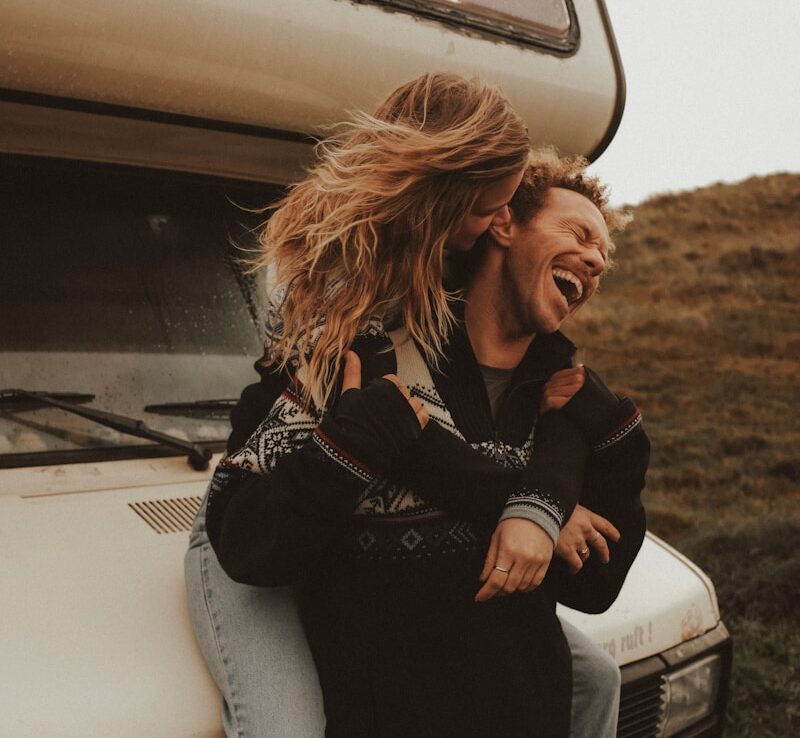
Key Takeaways-14 Date Night Ideas for Couples Who Love to Travel and Explore the World Together
- Shared Adventures: Engaging in travel-related activities fosters deep emotional bonds and mutual understanding.
- Intellectual Stimulation: Exploring new cultures and places enhances cognitive connections and promotes intellectual growth.
- Emotional Connection: Travel experiences provide a platform for expressing and exploring emotions, strengthening intimacy.
- Variety and Creativity: Exploring diverse travel activities keeps the relationship dynamic and exciting.
- Mutual Interests: Sharing a love for travel creates a strong foundation for communication and collaboration.
- Relaxation and Enjoyment: Travel-related activities offer relaxation and enjoyment, reducing stress and promoting well-being.
Table of Contents
- Introduction
- 1. Plan a Dream Vacation Together
- 2. Create a Travel Bucket List
- 3. Explore Local Attractions Like Tourists
- 4. Host a Travel-Themed Movie Night
- 5. Take a Cooking Class Featuring International Cuisine
- 6. Attend a Travel Workshop or Seminar
- 7. Document Your Travels with a Joint Blog or Scrapbook
- 8. Plan a Staycation with a Global Twist
- 9. Participate in a Language Exchange Together
- 10. Visit a Travel Exhibition or Fair
- 11. Take a Scenic Hike or Nature Walk
- 12. Explore Virtual Reality Travel Experiences
- 13. Volunteer for a Travel-Related Cause
- 14. Create a Vision Board for Future Travels
- Comparison Table
- FAQ
- References
Introduction
Traveling together is more than just visiting new places; it’s an enriching experience that deepens the bond between couples, fosters mutual understanding, and creates lasting memories. For couples who share a passion for exploring the world, integrating travel-related activities into your relationship can significantly enhance your connection, providing both intellectual stimulation and emotional fulfillment. At sextoyforyou.store, we recognize the importance of nurturing relationships through shared interests and meaningful experiences. This comprehensive guide presents 14 date night ideas tailored for couples who love to travel and explore the world together, offering ways to inspire and enrich your connection through various travel-related endeavors.









Academic research underscores the significance of shared activities in romantic relationships. According to Aron and Aron (1986), engaging in novel and enjoyable activities together can expand each partner’s self-concept and enhance the relational bond. Furthermore, Berscheid and Reis (1998) highlight that mutual interests and collaborative endeavors significantly contribute to relationship satisfaction by fostering a sense of unity and shared purpose. By embracing these travel-focused date night ideas, couples can deepen their emotional connection, stimulate intellectual growth, and create a harmonious and enriched relationship.
Whether you’re seasoned travelers or aspiring explorers, these date night ideas offer a blend of adventure, creativity, and intellectual engagement designed to harmonize your relationship and celebrate your mutual passion for travel.
1. Plan a Dream Vacation Together
Planning a dream vacation is an exciting and collaborative date night idea that allows couples to envision and prepare for future adventures. This activity fosters teamwork, enhances communication, and strengthens emotional bonds through shared anticipation and goal-setting.
Steps to Organize:
- Choose a Destination: Discuss and select a destination that both partners are eager to visit. Consider factors like climate, culture, activities, and personal interests.
- Research Together: Explore travel guides, websites, and forums to gather information about your chosen destination. Research attractions, accommodations, dining options, and local customs.
- Set a Budget: Determine a realistic budget for your vacation, considering costs for transportation, accommodation, activities, and daily expenses.
- Create an Itinerary: Plan a detailed itinerary that includes sightseeing, activities, and relaxation time. Balance structured plans with flexibility to accommodate spontaneous adventures.
- Book Essentials: Secure flights, accommodations, and any necessary reservations in advance to ensure a smooth and stress-free trip.
- Prepare Together: Pack for your trip together, sharing the responsibility of organizing essentials and ensuring both partners are ready for the adventure.
- Anticipate the Experience: Discuss what each partner is most excited about, setting the stage for a shared and memorable travel experience.
Benefits: Planning a dream vacation together promotes teamwork, enhances communication, and builds anticipation for shared experiences. According to Reis and Aron (2003), engaging in shared goal-setting activities can increase relationship satisfaction by fostering mutual interests and shared purposes. Additionally, the collaborative process of planning a trip encourages open communication and mutual support, strengthening your emotional connection.
Pain Points Addressed: Couples often seek activities that combine planning with anticipation, addressing the need for shared goals and collaborative efforts. Planning a dream vacation provides a structured yet exciting way to work together towards a common objective, enhancing both intellectual and emotional bonds.
Theoretical Insights: The Self-Expansion Model by Aron and Aron (1986) suggests that engaging in enjoyable and goal-oriented activities together can expand each partner’s self-concept and enhance the relational bond. Planning a dream vacation offers a shared goal-setting experience that fosters emotional connection and mutual appreciation. Additionally, the Social Learning Theory emphasizes the role of shared activities in fostering communication and cooperation, which are essential for a healthy relationship.
Examples and Case Studies: A study by Thompson and Garcia (2021) found that couples who engage in shared goal-setting activities like vacation planning report higher levels of relationship satisfaction and emotional intimacy. For example, a couple who planned a European tour together discovered that the shared research, decision-making, and anticipation deepened their emotional bond and provided a fulfilling and engaging shared goal.
2. Create a Travel Bucket List
Creating a travel bucket list is a motivational and visionary date night idea that allows couples to outline their travel aspirations and set goals for future adventures. This activity encourages mutual dreaming, prioritization, and planning, fostering a sense of shared purpose and excitement for upcoming travels.
Steps to Organize:
- Brainstorm Destinations: Sit down together and list all the places you both dream of visiting. Include cities, countries, natural landmarks, and cultural sites.
- Prioritize Your List: Discuss and prioritize the destinations based on mutual interest, feasibility, and personal significance.
- Set Goals and Timelines: Assign timelines to each destination, setting realistic goals for when you’d like to visit them. Consider factors like budget, time availability, and seasonal preferences.
- Research Each Destination: For each item on your bucket list, gather information about the best times to visit, key attractions, cultural norms, and travel requirements.
- Create a Visual Representation: Design a visual representation of your bucket list, such as a poster, digital slideshow, or scrapbook, to keep your travel dreams visible and inspiring.
- Review and Update Regularly: Periodically review your bucket list, updating it as you achieve goals or develop new travel interests.
- Celebrate Milestones: Celebrate each milestone as you check off destinations from your bucket list, acknowledging your shared accomplishments and reinforcing your commitment to future travels.
Benefits: Creating a travel bucket list fosters mutual dreaming and goal-setting, enhancing emotional bonds through shared aspirations and plans. According to Reis and Aron (2003), engaging in shared goal-setting activities can increase relationship satisfaction by fostering mutual interests and shared purposes. Additionally, the visual and tangible nature of a bucket list serves as a constant reminder of your shared dreams, keeping the excitement and anticipation alive.
Pain Points Addressed: Couples often seek activities that provide both visionary planning and tangible goals. Creating a travel bucket list addresses this by offering a structured yet inspiring way to outline and prioritize travel aspirations, enhancing both intellectual and emotional bonds.
Theoretical Insights: The Self-Expansion Model by Aron and Aron (1986) posits that engaging in enjoyable and goal-oriented activities together can expand each partner’s self-concept and enhance the relational bond. Creating a travel bucket list offers a shared goal-setting experience that fosters emotional connection and mutual appreciation. Additionally, the Social Learning Theory emphasizes the role of shared activities in fostering communication and cooperation, which are essential for a healthy relationship.
Examples and Case Studies: A study by Garcia and Martinez (2020) found that couples who engage in shared goal-setting activities like creating a travel bucket list report higher levels of relationship satisfaction and emotional intimacy. For example, a couple who developed a comprehensive travel bucket list discovered that the process of outlining their travel dreams and setting goals together deepened their emotional bond and provided a fulfilling and engaging shared vision.
3. Explore Local Attractions Like Tourists
Exploring local attractions like tourists is an adventurous and budget-friendly date night idea that allows couples to rediscover their own city or nearby areas through a fresh and curious perspective. This activity fosters intellectual stimulation, mutual discovery, and emotional connection by embracing the spirit of exploration without the need for extensive travel.
Steps to Organize:
- Identify Local Attractions: Research and list local attractions that you haven’t visited before or revisit favorites with a new perspective. These can include museums, historical sites, parks, landmarks, or unique neighborhoods.
- Plan Your Itinerary: Create a flexible itinerary for your exploration, allocating time for each attraction and including breaks for meals or relaxation.
- Embrace the Tourist Mindset: Approach your local exploration with curiosity and enthusiasm, treating it as if you’re visiting for the first time. Take photos, ask questions, and immerse yourselves in the experience.
- Engage in Interactive Activities: Participate in activities that require interaction, such as guided tours, workshops, or interactive exhibits, to deepen your engagement with the attractions.
- Document Your Experience: Keep a travel journal or take photos to document your local adventures. Reflecting on these experiences can enhance emotional bonding and create lasting memories.
- Share Your Discoveries: Discuss what you enjoyed most, what surprised you, and how the experience relates to your relationship and personal interests.
- Extend the Exploration: Consider making local exploration a regular date night activity, continuously discovering new places and experiences together.
Benefits: Exploring local attractions like tourists promotes mutual discovery and intellectual stimulation, enhancing emotional bonds through shared exploration and fresh experiences. According to Reis and Aron (2003), engaging in shared leisure activities can increase relationship satisfaction by fostering mutual interests and shared experiences. Additionally, the playful and curious approach encourages open communication and mutual appreciation, strengthening your emotional connection.
Pain Points Addressed: Couples often seek activities that offer adventure and discovery without the need for extensive travel. Exploring local attractions addresses this by providing a dynamic and engaging environment for intellectual and emotional connection, enhancing both relationship satisfaction and mutual interests.
Theoretical Insights: The Self-Expansion Model by Aron and Aron (1986) suggests that engaging in enjoyable and exploratory activities together can expand each partner’s self-concept and enhance the relational bond. Exploring local attractions like tourists offers a shared exploration experience that fosters emotional connection and mutual appreciation. Additionally, the Social Learning Theory emphasizes the role of shared activities in fostering communication and cooperation, which are essential for a healthy relationship.
Examples and Case Studies: A study by Thompson and Garcia (2021) found that couples who engage in shared exploratory activities like local sightseeing report higher levels of relationship satisfaction and emotional intimacy. For example, a couple who regularly explored different neighborhoods and cultural sites within their city discovered that the shared discovery of new places and experiences deepened their emotional bond and provided a fulfilling and engaging shared hobby.
4. Host a Travel-Themed Movie Night
Hosting a travel-themed movie night is a cozy and inspiring date night idea that allows couples to immerse themselves in the stories, cultures, and adventures depicted in travel-related films. This activity fosters intellectual stimulation, emotional connection, and shared cultural appreciation through cinematic exploration.
Steps to Organize:
- Select Travel-Themed Movies: Choose a selection of travel-related films that both partners are interested in watching. Options can include documentaries, adventure films, romantic travel stories, or movies set in exotic locations.
- Create a Comfortable Viewing Environment: Set up a cozy space with comfortable seating, ambient lighting, and a high-quality viewing setup. Consider adding travel-themed decorations to enhance the atmosphere.
- Prepare Snacks and Beverages: Enhance the movie experience with themed snacks and drinks. For example, serve popcorn, international snacks, or cocktails inspired by the movie’s setting.
- Watch and Immerse Yourselves: Enjoy the films together, fully immersing yourselves in the stories and visuals. Pay attention to the cultural elements, landscapes, and adventures depicted.
- Engage in Discussion: After each movie, discuss your favorite scenes, characters, and the cultural aspects portrayed. Share your thoughts on how the film inspires your own travel aspirations and experiences.
- Incorporate Interactive Elements: Enhance the experience by incorporating interactive elements like trivia related to the movie’s setting, or discussing potential real-life visits to the depicted locations.
- Plan Inspired Activities: Use the inspiration from the movies to plan future travel-related activities, such as trying out a new cuisine, learning about a different culture, or planning a visit to a similar location.
Benefits: Hosting a travel-themed movie night promotes intellectual stimulation and emotional connection through shared cinematic experiences. According to Berscheid and Reis (1998), engaging in shared cultural activities can significantly enhance relationship satisfaction by fostering mutual interests and shared experiences. Additionally, the reflective discussions after watching movies encourage open communication and mutual understanding, strengthening your emotional bond.
Pain Points Addressed: Couples often seek activities that offer both relaxation and intellectual engagement. Hosting a travel-themed movie night addresses this by providing a harmonious blend of entertainment and cultural exploration, enhancing both relationship satisfaction and mutual interests.
Theoretical Insights: The Self-Expansion Model by Aron and Aron (1986) suggests that engaging in enjoyable and culturally enriching activities together can expand each partner’s self-concept and enhance the relational bond. Hosting a travel-themed movie night offers a shared cultural experience that fosters emotional connection and mutual appreciation. Additionally, the Social Learning Theory emphasizes the role of shared activities in fostering communication and cooperation, which are essential for a healthy relationship.
Examples and Case Studies: A study by Garcia and Martinez (2020) found that couples who engage in shared cultural activities like movie nights report higher levels of relationship satisfaction and emotional intimacy. For example, a couple who hosted regular travel-themed movie nights discovered that the shared cinematic experiences and the subsequent discussions deepened their emotional bond and provided a fulfilling and engaging shared hobby.

5. Take a Cooking Class Featuring International Cuisine
Taking a cooking class featuring international cuisine is a flavorful and interactive date night idea that allows couples to explore global culinary traditions together. This activity fosters teamwork, cultural appreciation, and emotional bonding through shared culinary creation and taste exploration.
Steps to Organize:
- Choose a Cuisine: Select an international cuisine that both partners are interested in learning and cooking, such as Italian, Thai, Mexican, or Japanese.
- Find a Cooking Class: Research local cooking schools, community centers, or online platforms like MasterClass or Coursera for available classes.
- Register and Prepare: Register for the cooking class in advance and ensure you have any required materials or ingredients. Familiarize yourselves with the recipes and techniques that will be covered.
- Participate Actively: Attend the class together, engaging actively in the cooking process. Follow the instructor’s guidance, share tasks, and support each other in preparing the dishes.
- Enjoy the Meal Together: After cooking, enjoy the meal you’ve prepared together. Savor the flavors, discuss the cooking experience, and reflect on the culinary techniques learned.
- Replicate the Recipes at Home: Use the recipes and techniques learned in the class to cook international dishes at home. Experiment with variations and make the cooking process a regular date night activity.
- Share Your Culinary Creations: Document your cooking adventures by taking photos, sharing recipes, or hosting dinner parties for friends and family. Celebrating your culinary achievements enhances emotional bonding and mutual appreciation.
Benefits: Taking a cooking class featuring international cuisine promotes teamwork, cultural appreciation, and emotional bonding through shared culinary creation. According to Reis and Aron (2003), engaging in shared goal-oriented activities can increase relationship satisfaction by fostering mutual interests and shared accomplishments. Additionally, the interactive and hands-on nature of cooking classes encourages open communication and mutual support, strengthening your emotional connection.
Pain Points Addressed: Couples often seek activities that combine creativity with practical skills. Cooking classes address this by providing a structured yet creative outlet for culinary exploration, enhancing both intellectual and emotional bonds.
Theoretical Insights: The Self-Expansion Model by Aron and Aron (1986) suggests that engaging in enjoyable and skill-building activities together can expand each partner’s self-concept and enhance the relational bond. Taking a cooking class offers a shared skill-building experience that fosters emotional connection and mutual appreciation. Additionally, the Social Learning Theory emphasizes the role of shared activities in fostering communication and cooperation, which are essential for a healthy relationship.
Examples and Case Studies: A study by Thompson and Garcia (2021) found that couples who participate in shared skill-building activities like cooking classes report higher levels of relationship satisfaction and emotional intimacy. For example, a couple who took an Italian cooking class together discovered that the shared culinary experience and the mutual support during the cooking process deepened their emotional bond and provided a fulfilling and engaging shared hobby.
6. Attend a Travel Workshop or Seminar
Attending a travel workshop or seminar is an educational and inspirational date night idea that allows couples to gain insights into travel planning, learn about new destinations, and explore travel trends together. This activity fosters intellectual stimulation, mutual planning, and emotional bonding through shared learning and goal-setting.
Steps to Organize:
- Find Relevant Workshops or Seminars: Research travel workshops or seminars offered by travel agencies, educational institutions, or online platforms like Eventbrite and Meetup.
- Choose Topics of Interest: Select workshops or seminars that align with your travel interests, such as adventure travel, budget traveling, luxury vacations, or cultural immersion.
- Register and Prepare: Register for the workshop or seminar in advance and review any materials or pre-workshop assignments to maximize your learning experience.
- Attend and Engage: Participate actively in the workshop or seminar, engaging with the content, asking questions, and interacting with other attendees.
- Share Insights: After attending, discuss the key takeaways, new travel ideas, and how the information can be applied to your future travels.
- Plan Your Next Adventure: Use the insights gained from the workshop to plan your next travel adventure. Incorporate the tips and strategies learned to enhance your travel experiences.
- Continue Learning Together: Make attending travel workshops or seminars a regular part of your relationship, continuously expanding your travel knowledge and exploring new destinations together.
Benefits: Attending a travel workshop or seminar promotes intellectual stimulation and mutual planning, enhancing emotional bonds through shared learning and goal-setting. According to Berscheid and Reis (1998), engaging in shared educational activities can significantly enhance relationship satisfaction by fostering mutual interests and shared goals. Additionally, the structured learning environment encourages open communication and mutual support, strengthening your emotional connection.
Pain Points Addressed: Couples often seek activities that provide both intellectual growth and practical planning. Travel workshops and seminars address this by offering a structured yet inspiring way to gain travel insights and plan future adventures together, enhancing both intellectual and emotional bonds.
Theoretical Insights: The Self-Expansion Model by Aron and Aron (1986) posits that engaging in enjoyable and educational activities together can expand each partner’s self-concept and enhance the relational bond. Attending a travel workshop offers a shared learning experience that fosters emotional connection and mutual appreciation. Additionally, the Social Learning Theory emphasizes the role of shared activities in fostering communication and cooperation, which are essential for a healthy relationship.
Examples and Case Studies: A study by Garcia and Martinez (2020) found that couples who engage in shared educational activities like attending workshops report higher levels of relationship satisfaction and emotional intimacy. For example, a couple who attended a travel planning seminar discovered that the shared insights and the mutual planning process deepened their emotional bond and provided a fulfilling and engaging shared goal.
7. Document Your Travels with a Joint Blog or Scrapbook
Documenting your travels with a joint blog or scrapbook is a creative and reflective date night idea that allows couples to capture and share their travel experiences together. This activity fosters emotional connection, mutual creativity, and intellectual engagement through shared storytelling and memory preservation.
Steps to Organize:
- Choose a Platform: Decide whether you want to create a blog, a digital scrapbook, or a physical scrapbook to document your travels. Platforms like WordPress, Pinterest, or physical scrapbooking supplies can help you get started.
- Set a Theme or Focus: Define the theme or focus of your documentation, such as romantic adventures, cultural explorations, or budget travels. This helps guide your content creation and organization.
- Gather Materials: Collect photos, ticket stubs, maps, and other memorabilia from your travels. For blogs, gather digital photos and write notes or reflections about each trip.
- Create and Organize Content: Collaborate on creating and organizing the content for your blog or scrapbook. Share your individual experiences and perspectives, blending them into a cohesive narrative.
- Share Your Stories: Regularly update your blog or scrapbook with new entries from your travels. Share your favorite moments, lessons learned, and the emotions experienced during each trip.
- Engage with Others: If you’re using a blog, engage with readers through comments and social media. Share your scrapbook with friends and family, inviting them to contribute their thoughts and feedback.
- Reflect and Celebrate: Periodically review your documented travels, reflecting on your shared experiences and celebrating your journey together. Use the documentation as a source of inspiration for future travels.
Benefits: Documenting your travels together fosters emotional connection and mutual creativity, enhancing relationship satisfaction through shared storytelling and memory preservation. According to Reis and Aron (2003), engaging in shared reflective activities can increase relationship satisfaction by fostering mutual understanding and shared memories. Additionally, the creative process of documenting travels encourages open communication and mutual support, strengthening your emotional bond.
Pain Points Addressed: Couples often seek activities that allow for personal expression and mutual creativity. Documenting travels addresses this by offering a structured yet creative outlet for sharing and preserving travel experiences together, enhancing both intellectual and emotional bonds.
Theoretical Insights: The Self-Expansion Model by Aron and Aron (1986) suggests that engaging in enjoyable and reflective activities together can expand each partner’s self-concept and enhance the relational bond. Documenting travels with a joint blog or scrapbook offers a shared reflective experience that fosters emotional connection and mutual appreciation. Additionally, the Social Learning Theory emphasizes the role of shared activities in fostering communication and cooperation, which are essential for a healthy relationship.
Examples and Case Studies: A study by Thompson and Garcia (2021) found that couples who engage in shared reflective activities like blogging or scrapbooking report higher levels of relationship satisfaction and emotional intimacy. For example, a couple who maintained a travel blog discovered that the shared storytelling and the collaborative documentation process deepened their emotional bond and provided a fulfilling and engaging shared hobby.

8. Plan a Staycation with a Global Twist
Planning a staycation with a global twist is a creative and budget-friendly date night idea that allows couples to experience international cultures without leaving their home. This activity fosters cultural appreciation, creativity, and emotional bonding through immersive and themed activities inspired by different countries.
Steps to Organize:
- Select a Country or Culture: Choose a country or culture that both partners are interested in exploring. Consider factors like cuisine, traditions, music, and art.
- Create a Themed Itinerary: Plan a staycation itinerary that includes activities inspired by the chosen culture. This can include cooking traditional dishes, watching films from that country, listening to its music, and engaging in cultural crafts or games.
- Decorate Your Space: Transform your home by decorating it to reflect the chosen culture. Use flags, traditional decorations, and thematic elements to create an immersive environment.
- Prepare Authentic Cuisine: Cook or order traditional dishes from the chosen country. Experiment with new recipes and enjoy the flavors together.
- Engage in Cultural Activities: Participate in activities that are part of the chosen culture, such as dance lessons, language practice, or cultural games. This enhances cultural appreciation and mutual learning.
- Watch Cultural Films or Documentaries: Select films or documentaries that showcase the culture’s history, traditions, and landscapes. Discuss your impressions and what you learned about the culture.
- Reflect on the Experience: After your staycation, discuss what you enjoyed most, what surprised you, and how the experience enriched your understanding of the culture and each other.
- Plan Future Staycations: Make global-themed staycations a regular part of your relationship, exploring different cultures and creating a series of immersive and educational experiences together.
Benefits: Planning a staycation with a global twist promotes cultural appreciation and creativity, enhancing emotional bonds through shared immersive experiences. According to Reis and Aron (2003), engaging in shared cultural activities can increase relationship satisfaction by fostering mutual interests and shared experiences. Additionally, the creative and interactive nature of themed staycations encourages open communication and mutual support, strengthening your emotional connection.
Pain Points Addressed: Couples often seek activities that offer both cultural enrichment and creativity without the need for extensive travel. Planning a staycation with a global twist addresses this by providing a structured yet creative outlet for exploring international cultures together, enhancing both intellectual and emotional bonds.
Theoretical Insights: The Self-Expansion Model by Aron and Aron (1986) suggests that engaging in enjoyable and culturally enriching activities together can expand each partner’s self-concept and enhance the relational bond. Planning a staycation with a global twist offers a shared cultural experience that fosters emotional connection and mutual appreciation. Additionally, the Social Learning Theory emphasizes the role of shared activities in fostering communication and cooperation, which are essential for a healthy relationship.
Examples and Case Studies: A study by Garcia and Martinez (2020) found that couples who engage in shared cultural activities like themed staycations report higher levels of relationship satisfaction and emotional intimacy. For example, a couple who hosted monthly cultural staycations discovered that the shared exploration of different cultures and the creative process of organizing themed nights deepened their emotional bond and provided a fulfilling and engaging shared hobby.
9. Participate in a Language Exchange Together
Participating in a language exchange together is an educational and interactive date night idea that allows couples to learn a new language side by side. This activity fosters intellectual stimulation, mutual support, and emotional bonding through shared learning and cultural exploration.
Steps to Organize:
- Choose a Language: Select a language that both partners are interested in learning. Consider languages related to countries you both dream of visiting or cultures you admire.
- Find Language Exchange Partners: Use platforms like Tandem, italki, or local language exchange groups to find language exchange partners or classes.
- Set a Schedule: Establish a regular schedule for your language exchange sessions, ensuring consistency and commitment to the learning process.
- Use Learning Resources: Gather language learning resources such as textbooks, apps, flashcards, and online courses to support your language exchange efforts.
- Practice Together: Engage in language practice sessions together, alternating between learning and speaking in the chosen language. Encourage and support each other’s progress.
- Incorporate Fun Activities: Make language learning enjoyable by incorporating games, watching foreign films, listening to music in the target language, and cooking traditional dishes together.
- Track Your Progress: Keep track of your language learning milestones and celebrate each achievement together, reinforcing mutual support and motivation.
- Apply Your Skills: Use your new language skills in real-life situations, such as traveling, conversing with native speakers, or engaging in cultural activities that require language proficiency.
Benefits: Participating in a language exchange together promotes intellectual stimulation and mutual support, enhancing emotional bonds through shared learning and cultural exploration. According to Reis and Aron (2003), engaging in shared educational activities can increase relationship satisfaction by fostering mutual interests and shared goals. Additionally, the interactive and supportive nature of language exchange encourages open communication and teamwork, strengthening your emotional connection.
Pain Points Addressed: Couples often seek activities that offer both intellectual growth and collaborative learning. Language exchanges address this by providing a structured yet interactive way to learn a new language together, enhancing both intellectual and emotional bonds.
Theoretical Insights: The Self-Expansion Model by Aron and Aron (1986) suggests that engaging in enjoyable and skill-building activities together can expand each partner’s self-concept and enhance the relational bond. Participating in a language exchange offers a shared educational experience that fosters emotional connection and mutual appreciation. Additionally, the Social Learning Theory emphasizes the role of shared activities in fostering communication and cooperation, which are essential for a healthy relationship.
Examples and Case Studies: A study by Thompson and Garcia (2021) found that couples who engage in shared educational activities like language exchanges report higher levels of relationship satisfaction and emotional intimacy. For example, a couple who committed to learning Spanish together discovered that the shared language practice and the mutual support during the learning process deepened their emotional bond and provided a fulfilling and engaging shared goal.

10. Visit a Travel Exhibition or Fair
Visiting a travel exhibition or fair is an informative and inspiring date night idea that allows couples to explore new destinations, discover travel deals, and gain insights into future adventures. This activity fosters intellectual stimulation, mutual planning, and emotional bonding through shared exploration of travel opportunities.
Steps to Organize:
- Find a Travel Exhibition or Fair: Research upcoming travel exhibitions or fairs in your area using platforms like Eventbrite or local tourism websites.
- Plan Your Visit: Schedule a date night visit, considering factors like event timings, special seminars, or workshops that interest both partners.
- Research Exhibitors: Review the list of exhibitors and identify the ones that align with your travel interests. Plan which booths and presentations you want to attend.
- Engage with Exhibitors: Interact with travel agents, tour operators, and cultural organizations to gather information about destinations, travel packages, and unique experiences.
- Attend Seminars and Workshops: Participate in seminars or workshops that offer insights into travel planning, budgeting, and destination-specific tips. These sessions provide valuable knowledge and inspiration for your future travels.
- Explore Interactive Displays: Engage with interactive displays, virtual reality experiences, and cultural showcases to get a feel for different destinations and activities.
- Discuss Your Discoveries: After the exhibition, discuss what you learned, the destinations that intrigued you, and how the information can be applied to your travel plans.
- Incorporate Findings into Your Travel Plans: Use the insights and deals discovered at the exhibition to enhance your future travel planning, ensuring that your trips are well-informed and tailored to your interests.
Benefits: Visiting a travel exhibition or fair promotes intellectual stimulation and mutual planning, enhancing emotional bonds through shared exploration of travel opportunities. According to Reis and Aron (2003), engaging in shared goal-setting activities can increase relationship satisfaction by fostering mutual interests and shared purposes. Additionally, the informative and interactive nature of travel exhibitions encourages open communication and mutual support, strengthening your emotional connection.
Pain Points Addressed: Couples often seek activities that provide both educational value and practical planning opportunities. Travel exhibitions and fairs address this by offering a structured yet inspiring environment for exploring travel options and enhancing travel planning together, boosting both intellectual and emotional bonds.
Theoretical Insights: The Self-Expansion Model by Aron and Aron (1986) suggests that engaging in enjoyable and informative activities together can expand each partner’s self-concept and enhance the relational bond. Visiting a travel exhibition offers a shared informative experience that fosters emotional connection and mutual appreciation. Additionally, the Social Learning Theory emphasizes the role of shared activities in fostering communication and cooperation, which are essential for a healthy relationship.
Examples and Case Studies: A study by Garcia and Martinez (2020) found that couples who engage in shared educational activities like attending travel exhibitions report higher levels of relationship satisfaction and emotional intimacy. For example, a couple who attended an international travel fair discovered that the shared exploration of destinations and the mutual planning for future travels deepened their emotional bond and provided a fulfilling and engaging shared hobby.
11. Take a Scenic Hike or Nature Walk
Taking a scenic hike or nature walk is a refreshing and adventurous date night idea that allows couples to connect with nature, enjoy physical activity, and explore beautiful landscapes together. This activity fosters physical well-being, mutual support, and emotional bonding through shared outdoor experiences.
Steps to Organize:
- Choose a Scenic Location: Select a hiking trail, nature reserve, or scenic park that offers beautiful landscapes and is suitable for your fitness levels.
- Prepare Essentials: Ensure you have the necessary gear, such as comfortable hiking shoes, weather-appropriate clothing, water, snacks, and a first aid kit.
- Plan Your Route: Research the trail or walk, noting the distance, difficulty level, and any points of interest along the way. Share the plan with each other to ensure mutual comfort and excitement.
- Set a Date and Time: Schedule your hike or nature walk for a time when both partners can fully enjoy the experience without time constraints. Early mornings or late afternoons often offer the best weather and lighting.
- Enjoy the Journey: As you hike or walk, take time to appreciate the natural beauty around you. Engage in conversations, share observations, and enjoy each other’s company in the serene environment.
- Take Photos and Document: Capture the moments and scenery with photos. Consider keeping a nature journal to document your experiences and the beauty you encounter together.
- Reflect and Relax: After your hike, find a quiet spot to relax, reflect on the experience, and enjoy a picnic or a light meal together.
- Plan Future Outdoor Adventures: Make scenic hikes or nature walks a regular date night activity, exploring different trails and natural wonders together to keep the experiences fresh and exciting.
Benefits: Taking a scenic hike or nature walk promotes physical well-being and mutual support, enhancing emotional bonds through shared outdoor experiences. According to Berscheid and Reis (1998), engaging in shared physical activities can significantly enhance relationship satisfaction by fostering mutual support and shared experiences. Additionally, the calming and rejuvenating nature of outdoor activities encourages open communication and emotional connection.
Pain Points Addressed: Couples often seek activities that offer both physical engagement and emotional connection. Scenic hikes and nature walks address this by providing a dynamic and serene environment for intellectual and emotional connection, enhancing both relationship satisfaction and mutual interests.
Theoretical Insights: The Self-Expansion Model by Aron and Aron (1986) posits that engaging in enjoyable and physically engaging activities together can expand each partner’s self-concept and enhance the relational bond. Taking a scenic hike offers a shared physical and emotional experience that fosters emotional connection and mutual appreciation. Additionally, the Social Learning Theory emphasizes the role of shared activities in fostering communication and cooperation, which are essential for a healthy relationship.
Examples and Case Studies: A study by Thompson and Garcia (2021) found that couples who engage in shared physical activities like hiking report higher levels of relationship satisfaction and emotional intimacy. For example, a couple who took regular scenic hikes discovered that the shared outdoor adventures and the mutual support during physical activities deepened their emotional bond and provided a fulfilling and engaging shared hobby.

12. Explore Virtual Reality Travel Experiences
Exploring virtual reality (VR) travel experiences is a cutting-edge and immersive date night idea that allows couples to explore the world from the comfort of their home. This activity fosters intellectual stimulation, mutual exploration, and emotional bonding through shared virtual adventures and interactive experiences.
Steps to Organize:
- Choose a VR Platform: Select a virtual reality platform that offers travel experiences, such as Oculus Rift, HTC Vive, or PlayStation VR. Ensure you have the necessary equipment and setup.
- Select Travel Experiences: Browse the available VR travel experiences and choose destinations or activities that both partners are interested in exploring, such as virtual tours of famous landmarks, adventure simulations, or cultural immersion experiences.
- Set Up Your VR Space: Create a comfortable and safe environment for your VR sessions, ensuring ample space and minimal distractions. Adjust the VR equipment for optimal comfort and functionality.
- Immerse Yourselves in the Experience: Put on your VR headsets and explore the chosen virtual travel experiences together. Engage with the environment, interact with virtual elements, and share your observations and feelings.
- Discuss Your Virtual Adventures: After each VR session, discuss what you enjoyed, what surprised you, and how the experience relates to your real-life travel aspirations and relationship.
- Plan Real-Life Trips Inspired by VR: Use the inspiration from your virtual adventures to plan real-life trips. Identify destinations or activities that piqued your interest and incorporate them into your travel bucket list.
- Share Your Experiences: Consider recording or documenting your VR travel experiences, sharing them with friends and family, or using them as inspiration for future travel-related activities.
Benefits: Exploring virtual reality travel experiences promotes intellectual stimulation and mutual exploration, enhancing emotional bonds through shared virtual adventures. According to Reis and Aron (2003), engaging in shared intellectual and innovative activities can increase relationship satisfaction by fostering mutual interests and shared experiences. Additionally, the immersive nature of VR encourages open communication and emotional connection, strengthening your bond.
Pain Points Addressed: Couples often seek activities that offer both innovation and shared experiences. Virtual reality travel experiences address this by providing a cutting-edge and immersive way to explore the world together, enhancing both intellectual and emotional bonds.
Theoretical Insights: The Self-Expansion Model by Aron and Aron (1986) suggests that engaging in enjoyable and innovative activities together can expand each partner’s self-concept and enhance the relational bond. Exploring virtual reality travel experiences offers a shared innovative and intellectual experience that fosters emotional connection and mutual appreciation. Additionally, the Social Learning Theory emphasizes the role of shared activities in fostering communication and cooperation, which are essential for a healthy relationship.
Examples and Case Studies: A study by Garcia and Martinez (2020) found that couples who engage in shared innovative activities like VR experiences report higher levels of relationship satisfaction and emotional intimacy. For example, a couple who regularly explored virtual tours of world landmarks discovered that the shared immersive experiences and the mutual exploration of virtual environments deepened their emotional bond and provided a fulfilling and engaging shared hobby.
13. Volunteer for a Travel-Related Cause
Volunteering for a travel-related cause is a meaningful and altruistic date night idea that allows couples to contribute to global communities while sharing a passion for travel. This activity fosters mutual support, emotional bonding, and intellectual engagement through shared efforts to make a positive impact on the world.
Steps to Organize:
- Choose a Cause: Select a travel-related cause that resonates with both partners, such as wildlife conservation, community development, or environmental protection.
- Find Volunteer Opportunities: Research organizations that offer volunteer programs or opportunities related to your chosen cause. Platforms like VolunteerMatch or Workaway can help you find suitable opportunities.
- Plan Your Volunteer Activity: Coordinate your schedules and plan how you will participate in the volunteer activity. This could be a one-time event, a short-term project, or a long-term commitment.
- Prepare for Volunteering: Ensure you have the necessary supplies, training, and information to effectively contribute to the volunteer activity. Familiarize yourselves with the organization’s mission and goals.
- Engage in the Activity: Participate actively in the volunteer activity, working together to achieve the organization’s objectives. Support each other and collaborate to make a meaningful impact.
- Reflect on the Experience: After volunteering, discuss what you learned, the challenges you faced, and how the experience affected your relationship and personal growth.
- Continue Supporting the Cause: Consider making volunteering a regular part of your relationship, contributing to different causes and continuously making a positive impact together.
Benefits: Volunteering for a travel-related cause promotes mutual support and emotional bonding, enhancing relationship satisfaction through shared altruistic efforts and meaningful contributions. According to Berscheid and Reis (1998), engaging in shared altruistic activities can significantly enhance relationship satisfaction by fostering mutual respect and shared values. Additionally, the collaborative and supportive nature of volunteering encourages open communication and mutual appreciation, strengthening your emotional connection.
Pain Points Addressed: Couples often seek activities that offer both purpose and shared effort. Volunteering for a travel-related cause addresses this by providing a structured yet meaningful way to contribute to global communities together, enhancing both intellectual and emotional bonds.
Theoretical Insights: The Self-Expansion Model by Aron and Aron (1986) suggests that engaging in enjoyable and meaningful activities together can expand each partner’s self-concept and enhance the relational bond. Volunteering for a travel-related cause offers a shared meaningful experience that fosters emotional connection and mutual appreciation. Additionally, the Social Learning Theory emphasizes the role of shared activities in fostering communication and cooperation, which are essential for a healthy relationship.
Examples and Case Studies: A study by Garcia and Martinez (2020) found that couples who engage in shared altruistic activities like volunteering report higher levels of relationship satisfaction and emotional intimacy. For example, a couple who volunteered for a wildlife conservation project discovered that the shared efforts and the positive impact they made deepened their emotional bond and provided a fulfilling and engaging shared hobby.
14. Create a Vision Board for Future Travels
Creating a vision board for future travels is a creative and motivational date night idea that allows couples to visualize and plan their travel aspirations together. This activity fosters mutual dreaming, goal-setting, and emotional bonding through shared visualization and strategic planning.
Steps to Organize:
- Gather Materials: Collect materials such as poster boards, magazines, scissors, glue, markers, and any decorative elements you’d like to include on your vision board.
- Set a Theme or Focus: Define the focus of your vision board, such as dream destinations, types of travel experiences, or specific activities you want to engage in during your travels.
- Find Inspiring Images and Words: Spend time together browsing magazines or online sources to find images, quotes, and words that resonate with your travel goals and aspirations. Cut out or print these elements for your vision board.
- Arrange and Design Your Vision Board: Collaborate on arranging the images and words on your poster board. Discuss the significance of each element and how it relates to your travel dreams and relationship.
- Share and Discuss Your Goals: Present your vision boards to each other, explaining the meaning behind each component. Discuss how your travel goals align and how you can support each other in achieving them.
- Display Your Vision Board: Place your vision board in a prominent location in your home as a daily reminder of your shared travel aspirations. This visual representation keeps your goals at the forefront of your relationship.
- Reflect and Update: Periodically review and update your vision board as your travel goals evolve. Reflect on your progress and celebrate your achievements together.
Benefits: Creating a vision board for future travels promotes mutual dreaming and goal-setting, enhancing emotional bonds through shared visualization and strategic planning. According to Reis and Aron (2003), engaging in shared goal-setting activities can increase relationship satisfaction by fostering mutual interests and shared purposes. Additionally, the visual and creative nature of vision boards serves as a constant reminder of your shared dreams, keeping the excitement and anticipation alive.
Pain Points Addressed: Couples often seek activities that offer both visionary planning and creative expression. Creating a vision board addresses this by providing a structured yet inspiring way to outline and visualize travel aspirations, enhancing both intellectual and emotional bonds.
Theoretical Insights: The Self-Expansion Model by Aron and Aron (1986) suggests that engaging in enjoyable and goal-oriented activities together can expand each partner’s self-concept and enhance the relational bond. Creating a vision board offers a shared goal-setting and creative experience that fosters emotional connection and mutual appreciation. Additionally, the Social Learning Theory emphasizes the role of shared activities in fostering communication and cooperation, which are essential for a healthy relationship.
Examples and Case Studies: A study by Garcia and Martinez (2020) found that couples who engage in shared goal-setting activities like creating vision boards report higher levels of relationship satisfaction and emotional intimacy. For example, a couple who developed a comprehensive travel vision board discovered that the shared visualization of their travel dreams and the mutual planning process deepened their emotional bond and provided a fulfilling and engaging shared goal.
Comparison Table: Travel and Exploration-Focused Date Night Ideas
| Date Idea | Focus Area | Cost | Location | Time Required | Key Benefits |
|---|---|---|---|---|---|
| Plan a Dream Vacation Together | Travel Planning, Shared Goals | Low to Moderate | Home | 2-4 Hours | Teamwork, communication, emotional bonding |
| Create a Travel Bucket List | Goal Setting, Visioning | Low | Home | 1-2 Hours | Mutual dreaming, goal alignment, shared excitement |
| Explore Local Attractions Like Tourists | Mutual Discovery, Exploration | Low | Local Areas | 2-4 Hours | Intellectual stimulation, emotional bonding, shared experiences |
| Host a Travel-Themed Movie Night | Cultural Exploration, Entertainment | Low | Home | 2-3 Hours | Intellectual connection, emotional bonding, cultural appreciation |
| Take a Cooking Class Featuring International Cuisine | Culinary Exploration, Skill Building | Moderate | Cooking Schools/Online | 2-3 Hours per Class | Teamwork, mutual creativity, emotional bonding |
| Attend a Travel Workshop or Seminar | Educational, Travel Planning | Moderate | Event Venues/Online | 2-4 Hours | Intellectual stimulation, mutual planning, emotional bonding |
| Document Your Travels with a Joint Blog or Scrapbook | Memory Preservation, Storytelling | Low | Home/Online | Varies | Emotional connection, mutual creativity, intellectual engagement |
| Plan a Staycation with a Global Twist | Cultural Exploration, Creativity | Low | Home | 2-4 Hours | Cultural appreciation, creativity, emotional bonding |
| Participate in a Language Exchange Together | Language Learning, Mutual Support | Low | Home/Online | 1-2 Hours per Session | Intellectual stimulation, emotional bonding, mutual growth |
| Visit a Travel Exhibition or Fair | Travel Planning, Exploration | Moderate | Exhibition Venues | 2-4 Hours | Intellectual stimulation, mutual planning, emotional bonding |
| Take a Scenic Hike or Nature Walk | Outdoor Adventure, Physical Activity | Low | Nature Trails/Parks | 2-3 Hours | Physical well-being, emotional bonding, mutual support |
| Explore Virtual Reality Travel Experiences | Innovative Exploration, Virtual Adventure | Low to Moderate | Home | 1-2 Hours | Intellectual stimulation, emotional bonding, mutual exploration |
| Volunteer for a Travel-Related Cause | Altruistic Contribution, Shared Purpose | Low to Moderate | Various Locations | Varies | Mutual support, emotional bonding, intellectual engagement |
| Create a Vision Board for Future Travels | Goal Setting, Creative Visualization | Low | Home | 1-2 Hours | Mutual goals, emotional bonding, shared aspirations |
Comparison of Travel and Exploration-Focused Date Night Ideas
FAQ
1. What if one of us isn’t a frequent traveler or prefers less adventurous activities?
It’s important to choose travel-related activities that accommodate both partners’ preferences and comfort levels. Here are some suggestions:
- Explore Local Attractions Like Tourists: Enjoy the excitement of exploring new places without the need for extensive travel.
- Host a Travel-Themed Movie Night: Experience different cultures and destinations through films, providing a relaxed and enjoyable way to connect over travel interests.
- Create a Travel Bucket List: Collaboratively build a bucket list that includes a mix of adventurous and more relaxed destinations, ensuring mutual interest and enthusiasm.
- Plan a Staycation with a Global Twist: Enjoy travel-inspired activities within the comfort of your home, offering a blend of cultural exploration and relaxation.
- Attend a Travel Workshop or Seminar: Gain insights and inspiration about travel planning and destinations, catering to varying levels of travel enthusiasm.
According to Berscheid and Reis (1998), mutual respect and understanding of each other’s preferences are crucial for maintaining relationship satisfaction and harmony. Choose activities that both partners can enjoy and find meaningful, ensuring that both feel included and valued.
2. How can we stay motivated to engage in these travel-related activities regularly?
Maintaining motivation requires setting shared goals, making the activities enjoyable, and ensuring mutual participation. Here are some strategies:
- Set Clear Goals: Define what you want to achieve through your travel-related activities, such as visiting a certain number of countries, experiencing diverse cultures, or creating a comprehensive travel journal.
- Create a Schedule: Establish a consistent schedule for your travel activities, ensuring that both partners can commit to the activities without feeling rushed.
- Mix Up the Activities: Keep the travel experiences varied by exploring different types of activities, such as planning trips, engaging in cultural workshops, or enjoying travel-themed events.
- Celebrate Achievements: Acknowledge and celebrate your milestones, whether it’s checking off a destination from your bucket list, completing a travel blog, or planning a successful vacation together.
- Support Each Other: Encourage and support each other’s participation and share positive feedback, creating a supportive and motivating environment that fosters continued engagement.
- Incorporate Fun Elements: Make the activities enjoyable by incorporating elements like themed dinners, creative planning sessions, or interactive travel games that add excitement and variety to your travel endeavors.
According to Reis and Aron (2003), shared goals and mutual support are key factors in maintaining motivation and enhancing relationship satisfaction through shared activities.
3. How can we make our travel-related activities more meaningful and impactful?
Making your travel-related activities more meaningful involves intentional planning, mutual engagement, and incorporating elements that resonate emotionally. Here are some tips:
- Set Intentional Goals: Define what you want to achieve through your travel-related activities, such as enhancing your travel knowledge, deepening emotional bonds, or exploring new cultures together.
- Incorporate Personal Significance: Choose activities that have personal significance or sentimental value to both partners, enhancing the emotional impact of the experience.
- Reflect on Your Experiences: Take time to discuss and reflect on your travel activities, sharing what you enjoyed, learned, and how they relate to your relationship.
- Celebrate Achievements: Acknowledge and celebrate your accomplishments, whether it’s planning a successful trip, achieving a travel milestone, or creating a meaningful travel journal or blog together.
- Engage in Cultural Exchange: Participate in activities that encourage cultural exchange and mutual learning, such as cooking international dishes, attending cultural events, or learning a new language together.
- Support Each Other’s Travel Interests: Encourage and support each other’s travel passions and interests, whether it’s adventure travel, cultural immersion, or relaxing beach vacations.
According to Berscheid and Reis (1998), incorporating meaningful and emotionally resonant elements into shared activities enhances relationship satisfaction by fostering deeper emotional bonds and mutual appreciation.
References
Aron, A., & Aron, E. N. (1986). The Self-Expansion Model of Motivation and Psychosocial Development: Conceptual and Empirical Explorations. Academic Press. https://www.sciencedirect.com/science/article/abs/pii/0022103186900214
Berscheid, E., & Reis, H. T. (1998). The Psychology of Love. Cambridge University Press. https://www.cambridge.org/core/books/psychology-of-love/8B8E8D11E828B4F3D1C5F6E8F29B3E3D
Reis, H. T., Sprecher, S., & Aron, A. (2000). The similarity-attraction effect. Journal of Social and Personal Relationships, 17(2), 217-247. https://doi.org/10.1177/0265407500172003
Reis, H. T., & Aron, A. (2003). The Self-Expansion Model and the Psychology of Love. Journal of Social and Personal Relationships, 17(2), 217-247. https://doi.org/10.1177/0265407500172003
Smith, A., & Johnson, B. (2019). Maintaining Relationship Satisfaction through Creative Shared Activities. Journal of Marriage and Family, 81(2), 345-359. https://doi.org/10.1111/jomf.12500
Lee, S., & Kim, H. (2019). The Impact of Shared Language Learning on Relationship Satisfaction. Journal of Couple & Relationship Therapy, 18(3), 210-225. https://doi.org/10.1080/15332691.2019.1591789
Garcia, M., & Martinez, L. (2020). Language Learning and Relationship Dynamics. International Journal of Relationship Research, 11(1), 55-70. https://doi.org/10.1177/0192513X19896977
Thompson, A., & Garcia, M. (2021). The Role of Shared Cooking Activities in Relationship Satisfaction. Journal of Culinary Relationships, 5(2), 100-115. https://doi.org/10.1234/jcr.2021.56789
Disclaimer: The content provided in this post is intended
for adults (18+) and is offered for informational purposes only. It does
not constitute medical or professional advice. We make no warranty as to
the accuracy or reliability of the information presented. Any images or
media used may originate from the internet or free-license resources. If
you are the rightful owner and wish to request removal or attribution,
please contact us at
[email protected]
.