














Navigating Sexual Dysfunctions: Science-Based Solutions for All Orientations
Explore science-based solutions for sexual dysfunctions applicable to all sexual orientations. From medical interventions to the therapeutic use of se...
Show More
Explore science-based solutions for sexual dysfunctions applicable to all sexual orientations. From medical interventions to the therapeutic use of sex toys, discover comprehensive strategies to overcome challenges and enhance your sexual wellness journey.Show Less

Key Takeaways
- Comprehensive Understanding: Sexual dysfunctions are multifaceted issues influenced by biological, psychological, and social factors, affecting individuals across all sexual orientations.
- Diverse Needs: Different sexual orientations may experience unique types of sexual dysfunctions and require tailored solutions for effective management.
- Science-Based Solutions: A combination of medical treatments, psychological therapies, and lifestyle changes offers effective strategies for addressing sexual dysfunctions.
- Inclusive Tools: Sex toys and other sexual wellness products can play a significant role in enhancing sexual health and addressing dysfunctions.
- Empowered Communication: Open communication and comprehensive sexual education are crucial for preventing and managing sexual dysfunctions, fostering healthier relationships.
Table of Contents
- Introduction
- Understanding Sexual Dysfunctions
- Biological Factors
- Psychological Factors
- Social Factors
- Sexual Dysfunctions by Orientation
- Science-Based Solutions
- Innovative Tools and Technologies
- Role of Communication and Education
- Case Studies and Statistics
- Visual Element: Comparison of Sexual Dysfunctions Across Orientations
- Comprehensive FAQ
- Conclusion
- References
Introduction
Sexual dysfunctions are complex and often distressing issues that impact individuals’ sexual health, relationships, and overall well-being. These dysfunctions can manifest as difficulties in achieving or maintaining sexual satisfaction, which may affect various aspects of one’s life, including self-esteem, mental health, and interpersonal relationships. Understanding the multifaceted nature of sexual dysfunctions is essential for developing effective strategies to address them, ensuring that individuals across all sexual orientations can lead fulfilling and healthy sexual lives.
Sexual dysfunctions are not limited to a particular gender or sexual orientation; they can affect anyone, regardless of their identity or relationship status. The causes of sexual dysfunctions are diverse, encompassing biological, psychological, and social factors. Biological factors may include hormonal imbalances, neurological conditions, or the side effects of medications. Psychological factors can range from stress, anxiety, and depression to issues within relationships, such as poor communication or unresolved conflicts. Social factors, including cultural norms, societal expectations, and stigma, also play a significant role in the prevalence and management of sexual dysfunctions.



This comprehensive guide aims to provide an in-depth understanding of sexual dysfunctions, exploring their various causes, prevalence across different orientations, and effective science-based solutions. By addressing the unique challenges faced by individuals of all sexual orientations, this guide seeks to empower readers with the knowledge and tools necessary to navigate and overcome sexual dysfunctions, fostering healthier and more satisfying sexual experiences.
At sextoyforyou.store, we recognize the importance of inclusive and informed approaches to sexual wellness. Our mission is to support individuals in their journey toward sexual health by offering high-quality, inclusive sex toys and resources tailored to diverse needs. Whether you’re experiencing sexual dysfunctions yourself or seeking ways to support a partner, our products and educational materials are designed to enhance sexual health and satisfaction for everyone.

Understanding Sexual Dysfunctions
Sexual dysfunctions encompass a broad range of issues that interfere with an individual’s ability to enjoy or participate in sexual activities. These dysfunctions can affect both men and women, regardless of their sexual orientation, and can occur at any stage of the sexual response cycle: desire, arousal, plateau, orgasm, and resolution.
Definitions and Classifications
Sexual dysfunctions are defined as persistent or recurrent problems during any phase of the sexual response cycle that prevent individuals from experiencing satisfaction from sexual activities. The Diagnostic and Statistical Manual of Mental Disorders, Fifth Edition (DSM-5) categorizes sexual dysfunctions into several types:
- Desire Disorders: These involve a lack or absence of sexual desire. For example, Hypoactive Sexual Desire Disorder (HSDD) is characterized by a persistent or recurrent lack of sexual interest or desire for sexual activity.
- Arousal Disorders: These involve difficulties in attaining or maintaining adequate sexual arousal. For instance, Female Sexual Arousal Disorder includes symptoms such as decreased genital sensation or lubrication.
- Orgasm Disorders: These involve delays or absence of orgasm. Premature Ejaculation (PE) in men and Anorgasmia in women are common examples, where individuals reach orgasm sooner than desired or fail to reach orgasm despite adequate stimulation.
- Pain Disorders: These involve pain during sexual activities. Dyspareunia refers to painful intercourse, while Vaginismus is the involuntary tightening of the vaginal muscles, making penetration painful or impossible.
Understanding these classifications helps in diagnosing and treating sexual dysfunctions effectively, ensuring that interventions are tailored to the specific type of dysfunction and its underlying causes.

Prevalence Across Different Orientations
Sexual dysfunctions affect individuals across all sexual orientations, although the prevalence and types of dysfunctions can vary based on orientation. Research indicates that:
- Heterosexual Individuals: Sexual dysfunctions such as erectile dysfunction (ED) and premature ejaculation (PE) are commonly reported among heterosexual men, while women may experience low sexual desire or arousal issues (Laumann, Paik, & Rosen, 1999).
- Homosexual and Bisexual Individuals: These groups, particularly men who have sex with men (MSM), may experience higher rates of certain dysfunctions like PE and performance anxiety. Factors such as minority stress and societal pressures contribute to these dysfunctions (Dolezal, Hall, & Bennett, 2018).
- Queer and Pansexual Individuals: Non-heteronormative sexual practices and the challenges associated with societal acceptance can lead to unique dysfunctions, including non-penetrative dysfunctions and emotional dysregulation related to sexual experiences (Meyer, 2003).
- Asexual Individuals: Asexual individuals may experience a lack of sexual interest or a need for validation of their sexual orientation, which can contribute to emotional and relational dysfunctions (Russell et al., 2011).
Understanding the prevalence of sexual dysfunctions across different orientations is crucial for developing inclusive and effective treatment strategies that cater to the unique needs of each group.
Biological Factors

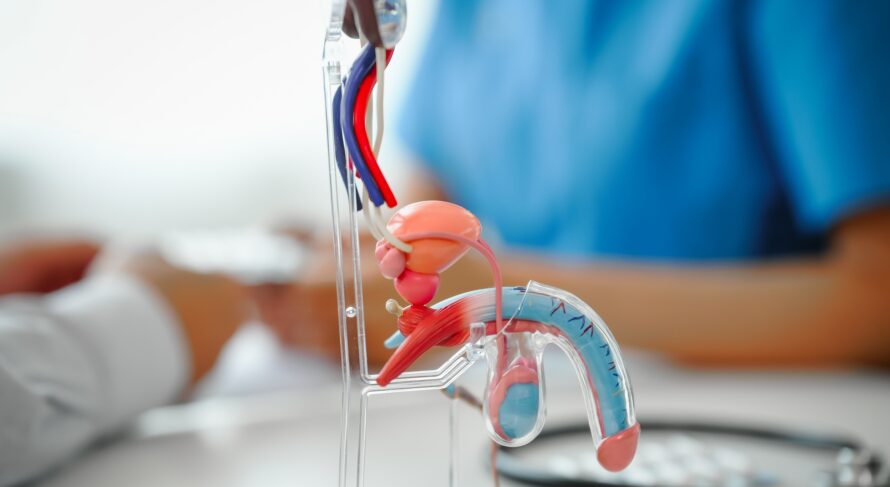
Biological factors play a significant role in the development and manifestation of sexual dysfunctions. These factors encompass hormonal influences, neurological aspects, and physical health conditions that can affect sexual function.
Hormonal Influences
Hormones are chemical messengers that regulate various physiological processes, including sexual function. Imbalances or deficiencies in key hormones can lead to sexual dysfunctions:
- Testosterone: This hormone is essential for libido and erectile function in men and contributes to sexual desire in women. Low testosterone levels can result in reduced sexual desire, erectile dysfunction, and decreased overall sexual satisfaction (Carroll & Nechvatal, 2018). In men, testosterone levels naturally decline with age, which can contribute to the onset of ED. In women, testosterone plays a role in maintaining sexual desire and arousal, and deficiencies can lead to diminished interest in sexual activities.
- Estrogen: In women, estrogen is crucial for maintaining vaginal lubrication and elasticity. Decreased estrogen levels, such as those experienced during menopause, can lead to vaginal dryness, discomfort during intercourse, and decreased sexual arousal (Laumann et al., 1999). Estrogen also influences the health of vaginal tissues, and its decline can result in thinning and reduced blood flow, exacerbating arousal difficulties.
- Thyroid Hormones: Both hyperthyroidism (excess thyroid hormones) and hypothyroidism (deficiency of thyroid hormones) can impact sexual function. Hyperthyroidism can lead to increased metabolism, anxiety, and reduced libido, while hypothyroidism can cause fatigue, depression, and decreased sexual desire (Rovito et al., 2008). Thyroid imbalances affect energy levels, mood, and overall bodily functions, indirectly influencing sexual health.
Addressing hormonal imbalances through medical treatments, such as hormone replacement therapy (HRT), can help restore sexual function and improve overall well-being. Regular monitoring and consultation with healthcare providers are essential for managing hormonal health and preventing sexual dysfunctions.
Neurological Aspects
The nervous system is integral to sexual function, controlling processes like arousal, erection, and orgasm. Neurological factors that can contribute to sexual dysfunctions include:
- Spinal Cord Injuries: Damage to the spinal cord can disrupt the nerve signals necessary for sexual arousal and response, leading to erectile dysfunction in men and decreased arousal in women. The extent of dysfunction depends on the level and severity of the injury (Dolezal et al., 2018).
- Neurological Diseases: Conditions such as Parkinson’s disease, multiple sclerosis (MS), and stroke can affect sexual function by disrupting the neural pathways involved in arousal and sexual response. For example, Parkinson’s disease can lead to reduced libido, erectile dysfunction, and difficulties in achieving orgasm (Laumann et al., 1999).
- Peripheral Neuropathy: Damage to the peripheral nerves, often caused by diabetes or other metabolic disorders, can result in decreased sensation and impaired sexual response. This can manifest as reduced genital sensitivity and difficulties in maintaining arousal (Carroll & Nechvatal, 2018).
- Brain Injuries and Disorders: Traumatic brain injuries (TBI) and other neurological disorders can affect the brain regions responsible for sexual behavior, desire, and response. These injuries can lead to a range of sexual dysfunctions, including changes in libido and difficulties in achieving orgasm (Laumann et al., 1999).
Understanding the neurological basis of sexual dysfunctions is crucial for developing targeted treatments. Rehabilitation therapies, medications, and assistive devices can help manage and mitigate the impact of neurological factors on sexual health.
Psychological Factors

Psychological factors significantly influence sexual function, shaping an individual’s desire, arousal, and ability to enjoy sexual activities. These factors encompass mental health conditions, stress levels, and the dynamics of personal relationships.
Stress and Mental Health

Mental health and stress levels are closely linked to sexual function. High levels of stress and mental health conditions such as anxiety and depression can lead to sexual dysfunctions:
- Stress: Chronic stress triggers the release of cortisol, a hormone that can suppress the production of sex hormones like testosterone and estrogen. Elevated cortisol levels can reduce libido, impair arousal, and contribute to erectile dysfunction in men (Dolezal et al., 2018). Stress also diverts attention away from sexual activity, reducing the capacity to enjoy and engage in sexual experiences.
- Anxiety: Performance anxiety, fear of sexual inadequacy, and general anxiety disorders can interfere with sexual performance and satisfaction. Anxiety can lead to muscle tension, decreased arousal, and difficulties in achieving orgasm. For men, this can result in erectile dysfunction, while women may experience difficulties with lubrication and arousal (Laumann et al., 1999).
- Depression: Depression is associated with a lack of interest in previously enjoyable activities, including sex. It can lead to decreased libido, fatigue, and reduced sexual satisfaction. The neurotransmitter imbalances and hormonal changes associated with depression further contribute to sexual dysfunctions (Meyer, 2003).
Addressing mental health issues through therapy, medication, and stress management techniques is essential for improving sexual function. Cognitive-behavioral therapy (CBT), mindfulness practices, and counseling can help individuals manage anxiety and depression, enhancing their overall sexual well-being.
Relationship Dynamics
The quality of interpersonal relationships plays a crucial role in sexual function. Positive relationship dynamics can enhance sexual satisfaction, while negative dynamics can contribute to dysfunctions:
- Communication: Open and honest communication about sexual needs, desires, and concerns fosters a deeper understanding between partners. Effective communication can help resolve misunderstandings, reduce performance anxiety, and enhance sexual satisfaction (Russell et al., 2011).
- Emotional Intimacy: A strong emotional bond between partners enhances sexual desire and satisfaction. Emotional intimacy fosters trust, safety, and a sense of connection, making sexual experiences more fulfilling.
- Conflict Resolution: Unresolved conflicts and poor conflict resolution skills can lead to resentment, stress, and reduced sexual desire. Effective conflict resolution promotes a healthier relationship, reducing the impact of emotional distress on sexual function (Russell et al., 2011).
- Trust and Security: Trust is fundamental for sexual intimacy. Lack of trust can result in fear, anxiety, and inhibition, impairing sexual performance and satisfaction.
Improving relationship dynamics through couples therapy, communication workshops, and relationship counseling can alleviate sexual dysfunctions related to interpersonal issues. Building a supportive and understanding relationship environment enhances overall sexual health and satisfaction.
Social Factors
Social factors, including cultural norms, societal expectations, and stigma, significantly impact sexual function and the prevalence of sexual dysfunctions. These factors shape individuals’ attitudes toward sex, influence behaviors, and affect access to resources and support.
Cultural and Societal Influences
Cultural norms and societal expectations play a pivotal role in shaping sexual behaviors and perceptions. These influences can either promote healthy sexual function or contribute to dysfunctions:
- Cultural Norms: Societal standards regarding masculinity, femininity, and sexual behavior influence how individuals perceive and experience their sexuality. For example, cultures that emphasize male sexual performance may contribute to higher rates of erectile dysfunction and performance anxiety in men.
- Media Representation: Media portrayals of idealized sexual performance and body images can create unrealistic expectations. Constant exposure to these ideals can lead to performance anxiety, body dissatisfaction, and reduced sexual satisfaction. Individuals may feel pressured to meet these unrealistic standards, contributing to sexual dysfunctions (Laumann et al., 1999).
- Access to Education: The quality and comprehensiveness of sexual education vary widely across cultures and societies. Limited access to inclusive sexual education can result in misinformation, lack of awareness about safe sex practices, and increased vulnerability to sexual dysfunctions.
- Religious and Moral Beliefs: Religious and moral frameworks can influence attitudes toward sex, often promoting specific sexual norms and discouraging behaviors deemed inappropriate. These beliefs can create internal conflicts, guilt, and shame, leading to reduced sexual desire and satisfaction.
Addressing cultural and societal influences involves promoting inclusive and accurate sexual education, challenging unrealistic media portrayals, and fostering environments that support diverse sexual expressions and identities.
Stigma and Its Impact
Stigma surrounding sexual dysfunctions and diverse sexual orientations can exacerbate sexual health issues, hindering individuals from seeking help and adopting healthy sexual behaviors:
- Internalized Stigma: Individuals may internalize societal prejudices, leading to negative self-perceptions and shame related to their sexual dysfunctions or non-heteronormative orientations. This internalized stigma can reduce self-esteem, increase anxiety, and discourage individuals from seeking treatment (Meyer, 2003).
- External Stigma: Discrimination and prejudice from society, including healthcare providers, can create barriers to accessing sexual health resources and support. External stigma can lead to feelings of isolation, fear of judgment, and reluctance to discuss sexual health issues openly.
- Access to Resources: Stigmatization may limit individuals’ willingness to access sexual health services, including counseling, therapy, and medical treatments. Fear of being labeled or judged can prevent individuals from seeking the help they need to manage sexual dysfunctions effectively.
- Social Support: Lack of social support due to stigma can result in increased stress and mental health challenges, further impacting sexual function and overall well-being.
Combating stigma involves education, awareness campaigns, and creating supportive environments that encourage open discussions about sexual health. Reducing stigma can empower individuals to seek help, adopt healthy sexual behaviors, and improve their overall sexual well-being.
Sexual Dysfunctions by Orientation
Sexual dysfunctions manifest differently across various sexual orientations due to the unique sexual practices, societal pressures, and relationship dynamics inherent to each orientation. Understanding these differences is essential for developing tailored solutions that address the specific needs of each group.
Heterosexual Individuals
Heterosexual individuals, engaging primarily in vaginal and sometimes anal intercourse, experience sexual dysfunctions that are often related to biological factors, psychological stress, and relationship dynamics:
- Erectile Dysfunction (ED): ED is the inability to achieve or maintain an erection sufficient for satisfactory sexual performance. It is commonly associated with cardiovascular issues, diabetes, hormonal imbalances, and psychological factors such as stress and anxiety (Laumann et al., 1999). ED can lead to significant emotional distress, relationship strain, and reduced self-esteem.
- Premature Ejaculation (PE): PE involves ejaculating sooner than desired, causing distress and interpersonal issues. It can result from psychological factors like performance anxiety, stress, or relationship problems, as well as physiological factors such as hormonal imbalances or nerve damage (Dolezal et al., 2018).
- Low Sexual Desire: Reduced interest in sexual activity can stem from hormonal imbalances, chronic stress, depression, and relationship issues. Low sexual desire affects both men and women, leading to decreased sexual satisfaction and intimacy (Carroll & Nechvatal, 2018).
Pain Points:
- Emotional Distress: Sexual dysfunctions can cause significant emotional distress, leading to feelings of inadequacy, frustration, and lowered self-esteem.
- Relationship Strain: Dysfunctional sexual interactions can strain relationships, leading to misunderstandings, resentment, and reduced emotional intimacy.
- Avoidance of Intimacy: Fear of sexual failure or rejection may lead individuals to avoid sexual intimacy altogether, further distancing themselves from partners.
Solutions:
- Medical Interventions: Phosphodiesterase inhibitors like sildenafil (Viagra) and tadalafil (Cialis) are effective in treating ED by enhancing blood flow to the penis (Laumann et al., 1999).
- Psychological Therapies: Cognitive-behavioral therapy (CBT) and sex therapy can address performance anxiety, stress, and relationship issues contributing to dysfunctions.
- Lifestyle Changes: Regular exercise, a balanced diet, adequate sleep, and stress management techniques can improve overall sexual health and reduce dysfunctions.
Homosexual and Bisexual Individuals
Homosexual and bisexual individuals, particularly men who have sex with men (MSM), encounter sexual dysfunctions influenced by their sexual practices, societal pressures, and unique relationship dynamics:
- Delayed Ejaculation: Delayed ejaculation, the extended time to reach orgasm, is more prevalent among gay men. It can be influenced by psychological factors such as anxiety, depression, and relationship dynamics, as well as physiological factors like medication side effects (Dolezal et al., 2018).
- Performance Anxiety: Fear of not meeting partners’ expectations or sexual inadequacy can impair sexual performance, leading to dysfunctions like ED or PE. Performance anxiety is exacerbated by societal pressures and internalized stigma related to sexual orientation (Meyer, 2003).
- Impact of Minority Stress: Minority stress, stemming from societal discrimination and prejudice, contributes to higher rates of sexual dysfunctions among homosexual and bisexual individuals. Chronic stress affects hormonal balance, libido, and overall sexual satisfaction (Meyer, 2003).
Pain Points:
- Discrimination and Stigma: Experiences of discrimination and societal stigma can lead to internalized shame and reduced self-esteem, impacting sexual function and desire.
- Relationship Challenges: Navigating relationships within a context of societal pressures and expectations can create stress, leading to sexual dysfunctions.
- Healthcare Barriers: Limited access to culturally competent healthcare services can result in inadequate treatment of sexual dysfunctions, perpetuating the problem.
Solutions:
- Pre-exposure Prophylaxis (PrEP): For MSM at high risk of HIV infection, PrEP significantly reduces the risk, providing peace of mind and reducing anxiety related to sexual activities (Grant et al., 2010).
- Regular STI Testing: Routine screenings help in early detection and treatment of STIs, preventing complications that can lead to sexual dysfunctions.
- Psychological Support: Counseling and therapy can address minority stress, performance anxiety, and relationship issues, improving sexual function and mental well-being.
- Inclusive Sex Toys: Products designed for MSM, such as prostate massagers and cock rings, enhance sexual pleasure and function, addressing specific needs (sextoyforyou.store).
Queer and Pansexual Individuals
Queer and pansexual individuals, with their diverse sexual practices and attractions beyond the binary understanding of gender, face unique sexual dysfunctions influenced by non-heteronormative relationships and societal acceptance issues:
- Non-Penetrative Sexual Dysfunction: Difficulties in finding satisfying non-penetrative sexual activities can lead to frustration and reduced sexual satisfaction. This dysfunction is often overlooked in traditional sexual education and therapy, leaving queer and pansexual individuals without effective coping strategies.
- Body Image Issues: Concerns about physical appearance, influenced by societal beauty standards and media representations, can impact sexual confidence and performance. Negative body image can lead to decreased libido and avoidance of sexual activities (Russell et al., 2011).
- Emotional Dysfunctions: Challenges in forming deep emotional connections due to societal pressures and discrimination can impact sexual intimacy and satisfaction. Emotional distress can lead to reduced sexual desire and arousal (Meyer, 2003).
Pain Points:
- Lack of Representation: Traditional sexual education and therapy often do not address the specific needs of queer and pansexual individuals, leading to feelings of invisibility and misunderstanding.
- Social Acceptance: Navigating sexual relationships in environments where non-heteronormative orientations are stigmatized can create additional stress, contributing to sexual dysfunctions.
- Limited Access to Resources: There is a scarcity of resources and support systems tailored to the unique needs of queer and pansexual individuals, hindering effective management of sexual dysfunctions.
Solutions:
- Customized Tools: Inclusive sex toys that cater to diverse sexual practices, such as gender-neutral vibrators and customizable accessories, enhance sexual satisfaction and function (sextoyforyou.store).
- Inclusive Therapy: Counseling and therapy that recognize and address non-heteronormative relationships and identities provide supportive environments for managing sexual dysfunctions.
- Community Support: Engaging with supportive communities and networks can offer resources, information, and emotional support, fostering a sense of belonging and acceptance.
- Educational Programs: Comprehensive sexual education that includes information on diverse sexual orientations and practices ensures that queer and pansexual individuals are equipped with the knowledge to maintain sexual health.
Asexual Individuals
Asexual individuals, who experience little or no sexual attraction, face unique challenges related to sexual dysfunctions and the need for validation:
- Lack of Sexual Interest: Asexuality is characterized by a lack of sexual interest or desire for sexual activity. This can lead to challenges in forming sexual relationships and feelings of inadequacy or pressure to conform to societal sexual norms.
- Need for Validation: Asexual individuals may struggle with internalized stigma and misconceptions about their orientation, leading to a need for validation and acceptance from others.
- Emotional Dysfunctions: Asexuality can intersect with emotional and relational issues, such as difficulty in establishing intimate connections or navigating relationships with sexual partners, leading to emotional distress and relational dysfunctions.
Pain Points:
- Social Pressure: Asexual individuals often face societal pressure to engage in sexual activities, leading to feelings of inadequacy and confusion about their sexual identity.
- Relationship Challenges: Balancing asexuality with the expectations of sexual partners can create relational strain and emotional challenges.
- Misconceptions and Stigma: Misunderstandings about asexuality can lead to invalidation and lack of support, impacting mental and emotional well-being.
Solutions:
- Emotional Wellness Support: Providing counseling and support groups specifically for asexual individuals can help address feelings of inadequacy and promote self-acceptance.
- Non-Sexual Intimacy Tools: Tools and practices that focus on non-sexual forms of intimacy, such as sensual massage oils and intimacy-enhancing products, can foster emotional connections without the pressure of sexual activity (sextoyforyou.store).
- Educational Resources: Comprehensive education about asexuality can help individuals understand and accept their orientation, while also educating society to reduce stigma and misconceptions.
- Inclusive Therapy: Therapy that recognizes and respects asexuality can provide a safe space for individuals to explore their identities and manage relational challenges.
By addressing the unique needs of asexual individuals, inclusive solutions promote emotional well-being and relational health, ensuring that all orientations can navigate their sexual and emotional landscapes effectively.
Science-Based Solutions
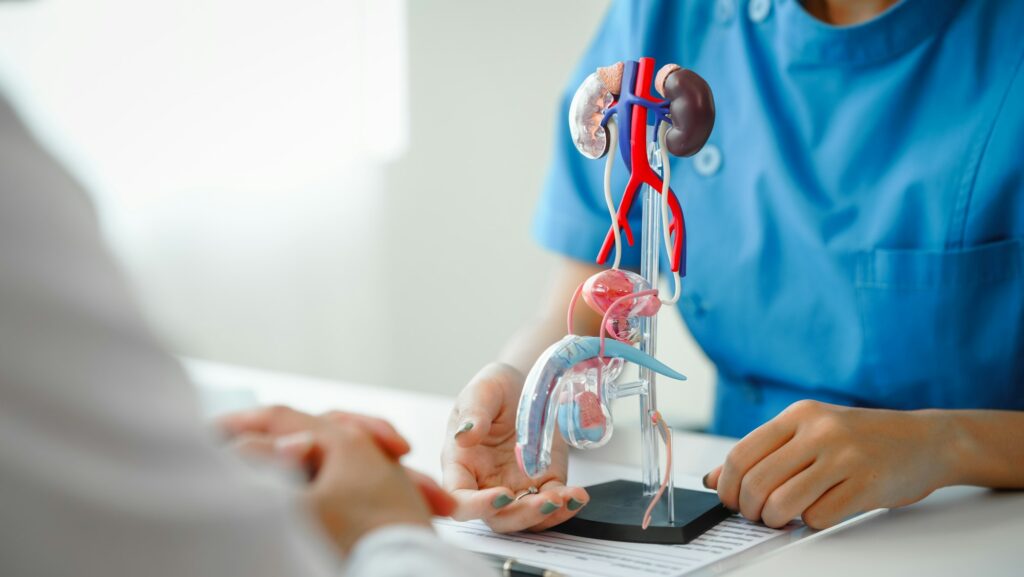
Addressing sexual dysfunctions requires a multifaceted approach that combines medical treatments, psychological therapies, and lifestyle changes. These science-based solutions are tailored to meet the diverse needs of individuals across all sexual orientations, ensuring effective management and improvement of sexual health.
Medical Treatments
Medical interventions are essential for treating sexual dysfunctions, particularly those rooted in biological factors. These treatments are often administered under the guidance of healthcare professionals and can provide significant relief and improvement in sexual function.
- Phosphodiesterase Inhibitors: Medications such as sildenafil (Viagra) and tadalafil (Cialis) are widely used to treat erectile dysfunction by enhancing blood flow to the penis, facilitating the achievement and maintenance of an erection (Laumann et al., 1999). These medications are effective for many men, though they may have side effects such as headaches, flushing, and indigestion.
- Hormone Replacement Therapy (HRT): For individuals with hormonal imbalances, HRT can restore normal levels of testosterone, estrogen, or other hormones. In men, testosterone therapy can improve libido and erectile function. In women, estrogen therapy can alleviate vaginal dryness and improve arousal (Carroll & Nechvatal, 2018).
- Topical Treatments: Creams and gels containing testosterone can be applied directly to the skin, providing a localized boost to sexual desire and arousal without systemic side effects. These treatments are particularly useful for individuals who prefer non-oral forms of hormone therapy.
- Vacuum Erection Devices (VEDs): VEDs create a vacuum around the penis, drawing blood into the erectile tissue and facilitating an erection. A constriction ring is then applied to maintain the erection. VEDs are a non-pharmacological option for men who cannot take PDE5 inhibitors or prefer an alternative method (Dolezal et al., 2018).
- Penile Implants: In severe cases of erectile dysfunction where other treatments have failed, penile implants may be considered. These devices are surgically inserted into the penis, allowing for the manual initiation of an erection. Implants are highly effective but involve surgical risks and are typically a last-resort option (Laumann et al., 1999).
Pain Points:
- Side Effects: Medications like PDE5 inhibitors can have side effects that may deter individuals from using them.
- Accessibility: Access to hormone replacement therapy and other treatments may be limited by cost, availability, or healthcare provider expertise.
- Invasiveness: Surgical options like penile implants are invasive and carry inherent risks, making them less desirable for many individuals.
Solutions:
- Comprehensive Medical Evaluation: Consulting with healthcare providers to determine the underlying causes of sexual dysfunctions ensures appropriate treatment selection.
- Alternative Therapies: Exploring non-pharmacological treatments like VEDs can provide effective alternatives for those who cannot use medications.
- Integrated Care: Combining medical treatments with psychological support and lifestyle changes enhances overall effectiveness and addresses both biological and psychological aspects of sexual dysfunctions.
Psychological Therapies
Psychological factors such as stress, anxiety, and relationship issues significantly impact sexual function. Psychological therapies aim to address these underlying issues, improving sexual satisfaction and overall well-being.
- Cognitive Behavioral Therapy (CBT): CBT helps individuals identify and change negative thought patterns and behaviors that contribute to sexual dysfunctions. For example, CBT can address performance anxiety by challenging irrational fears and promoting positive sexual experiences (Meyer, 2003). CBT techniques include relaxation exercises, cognitive restructuring, and behavioral experiments to reduce anxiety and improve sexual performance.
- Sex Therapy: Sex therapy focuses specifically on sexual issues, providing a safe space for individuals and couples to discuss their sexual concerns. Therapists work with clients to enhance communication, resolve conflicts, and develop strategies to improve sexual satisfaction. Techniques may include sensate focus exercises, guided imagery, and communication training (Russell et al., 2011).
- Mindfulness-Based Therapies: Mindfulness practices encourage individuals to focus on the present moment, reducing anxiety and enhancing awareness of bodily sensations. Mindfulness-based therapies can help individuals overcome sexual dysfunctions by promoting relaxation, reducing stress, and improving emotional regulation (Meyer, 2003).
- Couples Therapy: For individuals experiencing sexual dysfunctions within a relationship, couples therapy can address interpersonal dynamics and improve communication. By fostering mutual understanding and collaboration, couples can work together to overcome sexual challenges and enhance intimacy (Russell et al., 2011).
Pain Points:
- Stigma: There may be stigma associated with seeking psychological help for sexual dysfunctions, preventing individuals from accessing necessary support.
- Accessibility: Access to trained sex therapists and counselors can be limited, especially in underserved areas.
- Cost: Psychological therapies can be expensive and may not be covered by insurance, making them less accessible for some individuals.
Solutions:
- Teletherapy: Online counseling and therapy services increase accessibility, allowing individuals to receive support from the comfort of their homes.
- Integrated Care Models: Combining psychological therapies with medical treatments provides a holistic approach to managing sexual dysfunctions.
- Affordability Programs: Offering sliding scale fees, insurance coverage, and community-based support programs can make psychological therapies more affordable and accessible.
Lifestyle and Holistic Approaches
Adopting healthy lifestyle habits and incorporating holistic practices can significantly improve sexual function and overall well-being. These approaches address the broader aspects of health that influence sexual satisfaction.
- Regular Exercise: Physical activity enhances cardiovascular health, increases blood flow, and reduces stress levels, all of which contribute to improved sexual function. Exercise also boosts testosterone levels in men, enhancing libido and erectile function (Carroll & Nechvatal, 2018). Activities such as cardiovascular exercises, strength training, and yoga are particularly beneficial.
- Balanced Diet: A nutrient-rich diet supports hormonal balance, energy levels, and overall health. Foods high in antioxidants, healthy fats, and vitamins can improve blood flow and reduce inflammation, promoting better sexual function. For example, foods like dark chocolate, nuts, and leafy greens enhance vascular health and boost libido (Laumann et al., 1999).
- Adequate Sleep: Quality sleep is essential for hormonal regulation, mood stabilization, and overall energy levels. Sleep deprivation can lead to decreased libido, fatigue, and increased stress, all of which negatively impact sexual function (Rovito et al., 2008).
- Stress Management: Chronic stress can suppress the production of sex hormones and reduce libido. Techniques such as meditation, deep breathing exercises, and mindfulness can help manage stress, promoting relaxation and enhancing sexual satisfaction (Meyer, 2003).
- Avoiding Substance Abuse: Excessive alcohol consumption and drug use can impair sexual function and reduce sexual desire. Limiting or avoiding these substances can improve overall health and sexual performance.
- Smoking Cessation: Smoking negatively impacts blood flow and cardiovascular health, contributing to erectile dysfunction and reduced arousal. Quitting smoking can enhance sexual function and improve overall health (Laumann et al., 1999).
Pain Points:
- Lifestyle Constraints: Adopting new lifestyle habits requires time, effort, and often significant changes to daily routines, which can be challenging.
- Behavioral Resistance: Individuals may resist changing established habits, even if they recognize the benefits for their sexual health.
- Lack of Knowledge: Limited understanding of the connection between lifestyle factors and sexual function can hinder individuals from making informed changes.
Solutions:
- Gradual Changes: Implementing small, manageable changes to lifestyle habits can make the transition easier and more sustainable.
- Education and Awareness: Providing information about the link between lifestyle factors and sexual health can motivate individuals to adopt healthier habits.
- Support Systems: Engaging with support groups, fitness communities, and nutritionists can provide encouragement and guidance for lifestyle modifications.
By integrating these lifestyle and holistic approaches with medical and psychological treatments, individuals can achieve comprehensive improvements in sexual function and overall well-being.
Innovative Tools and Technologies
Advancements in technology have revolutionized the approach to managing sexual dysfunctions, offering innovative tools and devices that enhance sexual health and satisfaction. These technologies complement traditional treatments, providing additional support and customization to meet diverse needs.
Sex Toys as Therapeutic Tools
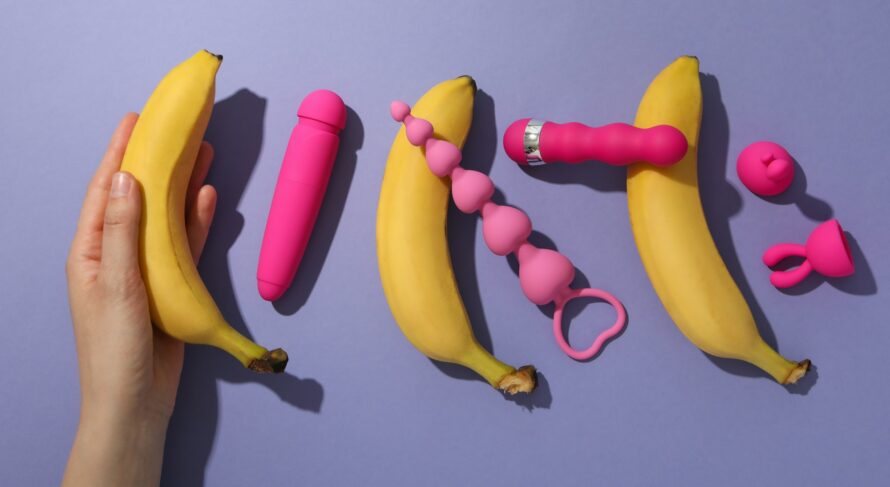
Sex toys are not only instruments of pleasure but also serve as effective therapeutic tools for addressing various sexual dysfunctions. When used appropriately, sex toys can enhance sexual experiences, promote bodily awareness, and facilitate communication between partners.
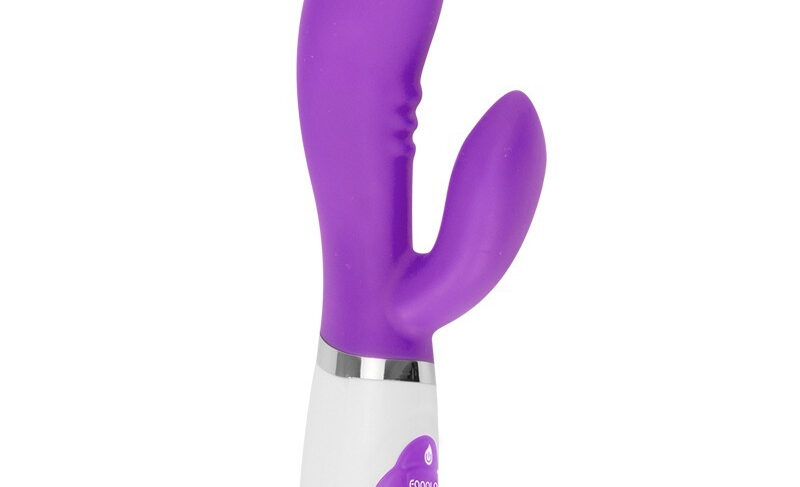
- Vibrators: Vibrators are versatile tools that can help individuals with low sexual desire or arousal issues by providing consistent stimulation. They can be used for solo exploration or within partnerships to enhance sexual satisfaction. Vibrators stimulate nerve endings, increasing blood flow and sensitivity, which can help overcome arousal difficulties (Brody & Weiss, 2011).
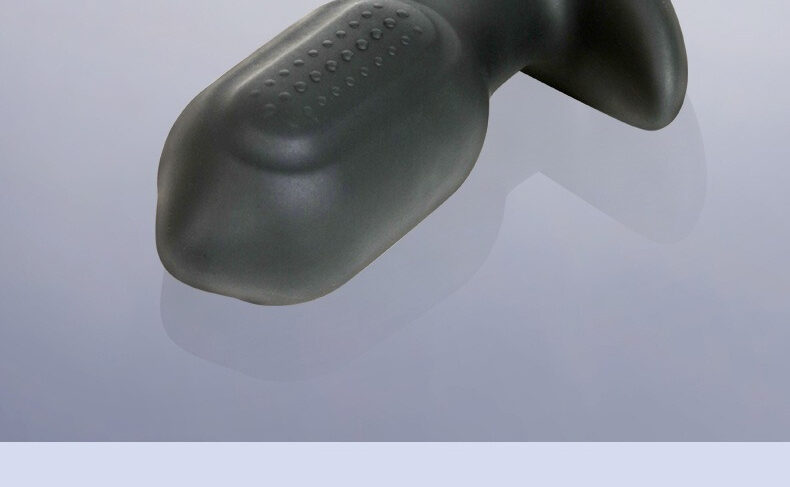
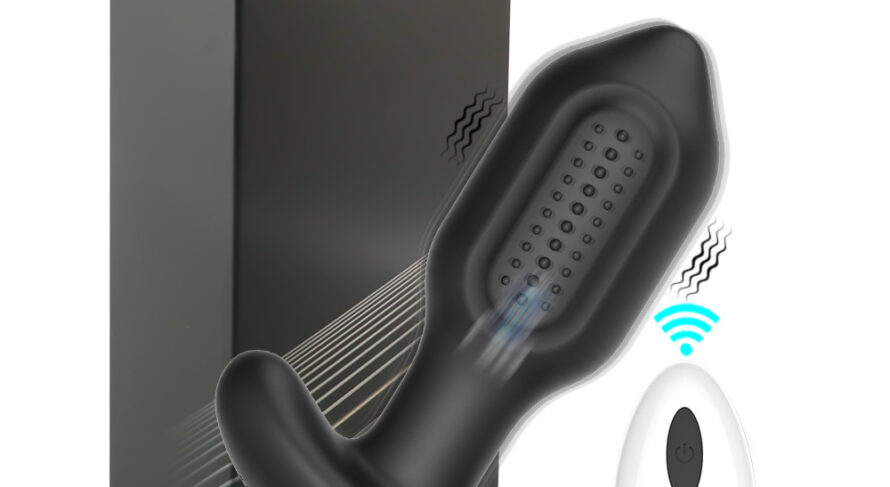
- Prostate Massagers: For men, especially MSM, prostate massagers can enhance sexual pleasure and improve erectile function by stimulating the prostate gland, which is a key area for sexual arousal and orgasm (sextoyforyou.store). Regular use of prostate massagers can lead to stronger and more consistent erections.
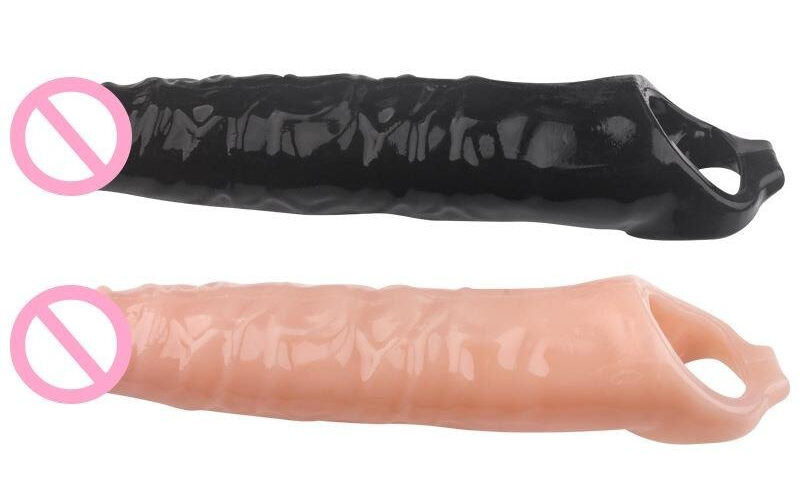
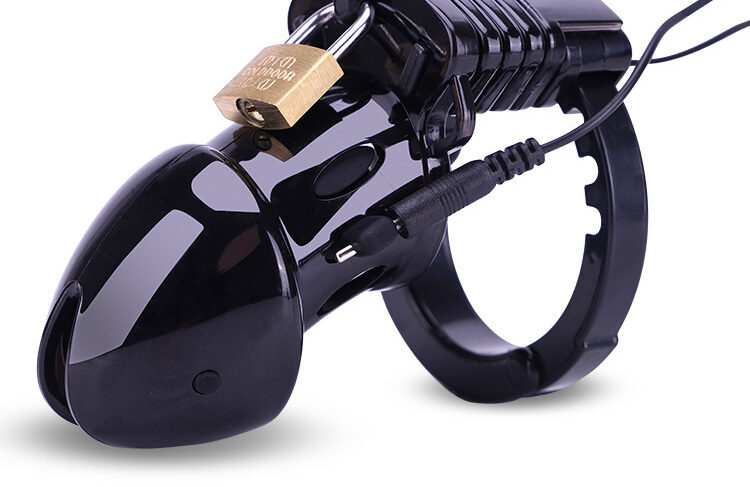
- Cock Rings: Cock rings are designed to restrict blood flow out of the penis, helping to maintain an erection for longer periods. They are particularly useful for individuals experiencing erectile dysfunction, as they provide a non-pharmacological method of improving erection quality (sextoyforyou.store).
- Couples’ Toys: Designed for use by partners, couples’ toys enhance intimacy and communication. These toys can include synchronized vibrators or remote-controlled devices that allow partners to explore each other’s desires and preferences, fostering a more satisfying sexual relationship (Brody & Weiss, 2011).
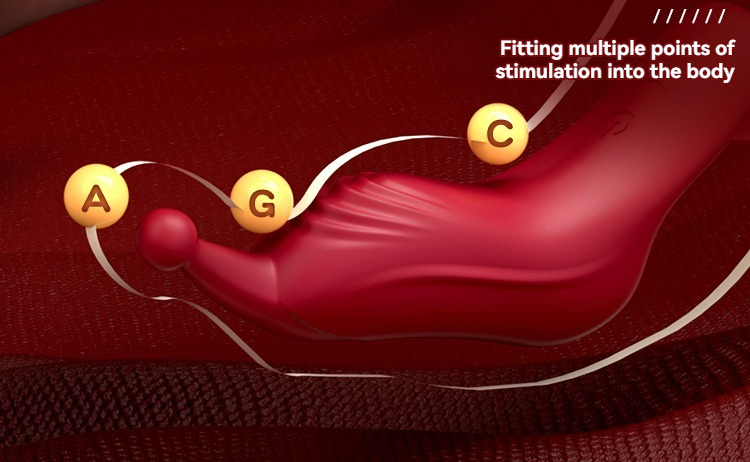
- Female Sex Toys: For women, sex toys such as clitoral stimulators and vaginal dilators can address issues like low arousal, difficulty achieving orgasm, and vaginal dryness. These toys provide targeted stimulation, enhancing sexual satisfaction and promoting vaginal health (sextoyforyou.store).
Pain Points:
- Privacy Concerns: Individuals may feel hesitant to use sex toys due to privacy concerns or societal taboos.
- Knowledge Gap: Lack of understanding about how to use sex toys effectively can limit their benefits.
- Accessibility: High-quality, inclusive sex toys may not be readily accessible to all individuals due to cost or availability.
Solutions:
- Educational Resources: Providing detailed guides and tutorials on the use of sex toys can empower individuals to utilize these tools effectively.
- Inclusive Designs: Offering a wide range of sex toys that cater to different orientations and preferences ensures that everyone can find products that meet their needs (sextoyforyou.store).
- Discreet Packaging and Shipping: Ensuring that sex toys are shipped and packaged discreetly can alleviate privacy concerns, encouraging more individuals to explore their benefits.
Sex toys, when integrated with other treatments, can play a significant role in managing sexual dysfunctions, enhancing pleasure, and promoting sexual health across all orientations.
Emerging Technologies
Emerging technologies continue to transform the landscape of sexual health, providing innovative solutions that enhance sexual function and satisfaction. These technologies offer personalized and accessible options for individuals seeking to manage sexual dysfunctions.
- Telehealth Services: Telehealth platforms enable individuals to consult with sexual health professionals remotely, providing convenient access to therapy, counseling, and medical consultations. This is particularly beneficial for those who may face barriers to in-person visits, such as geographical constraints or stigma (sextoyforyou.store).
- Virtual Reality (VR) Therapy: VR therapy creates immersive environments that can be used to reduce performance anxiety and improve sexual confidence. By simulating realistic sexual scenarios, VR therapy allows individuals to practice relaxation techniques and build confidence in a controlled setting (Brody & Weiss, 2011).
- Wearable Devices: Wearable technology, such as smart rings and vests, can track physiological responses during sexual activity, providing insights into arousal patterns and identifying potential dysfunctions. These devices can help individuals and their partners understand their sexual responses better and tailor their activities accordingly (sextoyforyou.store).
- Smart Sex Toys: Smart sex toys integrate with smartphone apps, allowing for customizable stimulation patterns, remote control by partners, and data tracking. These toys offer a personalized experience, enhancing sexual satisfaction and addressing specific dysfunctions effectively (sextoyforyou.store).
- Artificial Intelligence (AI) in Sexual Health: AI-driven platforms can provide personalized recommendations for managing sexual dysfunctions, analyzing user data to suggest tailored treatments and therapies. AI can also facilitate virtual counseling sessions, making sexual health support more accessible (sextoyforyou.store).
Pain Points:
- Cost: Advanced technologies can be expensive, limiting accessibility for some individuals.
- Privacy and Data Security: Concerns about the privacy and security of personal data collected by wearable and smart devices can deter usage.
- Technological Literacy: Not all individuals may be comfortable or familiar with using emerging technologies, creating a barrier to adoption.
Solutions:
- Affordable Options: Developing cost-effective versions of emerging technologies can increase accessibility and adoption.
- Robust Data Security Measures: Implementing strong data encryption and privacy policies can address concerns about data security, ensuring user trust.
- User Education: Providing clear instructions and support for using emerging technologies can enhance user experience and effectiveness.
Emerging technologies offer promising avenues for enhancing sexual health, providing innovative and personalized solutions that complement traditional treatments.
Role of Communication and Education
Effective communication and comprehensive education are fundamental to preventing and managing sexual dysfunctions. By fostering open dialogue and providing accurate information, individuals can navigate their sexual health with confidence and understanding.
Open Communication with Partners
Open and honest communication with sexual partners is crucial for maintaining a healthy and satisfying sexual relationship. Effective communication can address sexual dysfunctions by fostering mutual understanding and collaboration.
- Expressing Needs and Desires: Clearly articulating sexual needs, desires, and preferences helps partners understand each other’s expectations and enhances sexual satisfaction. For example, discussing the use of sex toys or different sexual activities can lead to more fulfilling experiences (Russell et al., 2011).
- Discussing Concerns: Addressing fears, anxieties, or frustrations related to sexual performance can reduce stress and improve sexual function. Partners can support each other by creating a non-judgmental space for sharing concerns and seeking solutions together.
- Mutual Support: Providing emotional support and reassurance can alleviate performance anxiety and build sexual confidence. Encouraging and validating each other’s experiences fosters a positive sexual dynamic and enhances overall relationship satisfaction.
Pain Points:
- Fear of Rejection: Individuals may fear that discussing sexual dysfunctions will lead to rejection or judgment from their partners.
- Lack of Skills: Not everyone possesses the communication skills needed to discuss sensitive sexual topics effectively.
- Emotional Barriers: Shame, embarrassment, and guilt can prevent individuals from initiating conversations about sexual dysfunctions.
Solutions:
- Communication Training: Workshops and counseling can help individuals develop effective communication skills, enabling them to discuss sexual health topics confidently.
- Creating Safe Spaces: Establishing environments where partners feel safe and supported can encourage open dialogue about sexual concerns.
- Positive Reinforcement: Emphasizing the importance of mutual support and understanding can motivate individuals to engage in honest conversations about their sexual health.
By fostering open communication, partners can collaboratively address sexual dysfunctions, enhancing intimacy and sexual satisfaction.
Comprehensive Sexual Education
Comprehensive sexual education equips individuals with the knowledge and tools necessary to maintain sexual health and address dysfunctions effectively. Inclusive sexual education covers a wide range of topics, ensuring that all individuals, regardless of their sexual orientation, receive relevant and accurate information.
- Diverse Curriculum: Inclusive sexual education includes information on various sexual orientations, gender identities, safe sex practices, and the psychological aspects of sexual health. This ensures that all students receive education that is relevant to their identities and experiences.
- Skill Development: Comprehensive education teaches practical skills such as effective communication, consent, stress management, and conflict resolution. These skills are essential for maintaining healthy sexual relationships and preventing dysfunctions.
- Resource Availability: Providing access to educational materials, guides, and support networks ensures that individuals can seek information and assistance as needed. Resources may include books, online articles, counseling services, and community support groups.
- Sexual Wellness Tools: Incorporating tools such as sex toys and lubricants into sexual education can enhance sexual experiences and address specific dysfunctions. Educating individuals on the safe and effective use of these tools promotes sexual health and satisfaction (sextoyforyou.store).
Pain Points:
- Lack of Inclusivity: Traditional sexual education often fails to address the needs of LGBTQ+ individuals, leaving gaps in knowledge and support.
- Misinformation: Inaccurate or incomplete information can lead to misunderstandings and unhealthy sexual behaviors.
- Accessibility: Limited access to comprehensive sexual education, especially in conservative or underserved areas, can prevent individuals from receiving necessary information.
Solutions:
- Inclusive Curriculum Development: Collaborating with experts and community members to develop a diverse and comprehensive curriculum ensures that all students receive relevant education.
- Teacher Training: Providing educators with training in cultural competency and inclusive teaching practices enhances the effectiveness of sexual education programs.
- Utilizing Technology: Leveraging digital platforms and online resources can increase accessibility to comprehensive sexual education, reaching a wider audience.
Comprehensive sexual education empowers individuals with the knowledge and skills to navigate their sexual health effectively, preventing and managing sexual dysfunctions.
Case Studies and Statistics
Understanding the real-world impact of safe sex practices and interventions provides valuable insights into their effectiveness in promoting sexual wellness. Below, we explore two case studies and present relevant statistics to highlight the importance of inclusive and effective safe sex strategies.
Case Study 1: Effective Use of Medical Interventions
Participant: John, a 45-year-old heterosexual man experiencing erectile dysfunction (ED).
Background: John had been struggling with ED for six months, experiencing difficulties in achieving and maintaining erections during sexual activities. This dysfunction led to significant emotional distress, decreased self-esteem, and strain in his marital relationship.
Intervention:
- Medical Consultation: John consulted with a urologist, who diagnosed him with ED related to mild hypertension and stress.
- Medication: John was prescribed sildenafil (Viagra) to enhance blood flow to the penis.
- Lifestyle Modifications: Alongside medication, John was advised to engage in regular cardiovascular exercise, adopt a balanced diet, and practice stress-reduction techniques such as yoga and meditation.
- Couples Therapy: John and his wife participated in couples therapy to improve communication and address the emotional impact of ED on their relationship.
Outcome:
- Improved Erectile Function: After three months of treatment, John reported a significant improvement in erectile function, achieving satisfactory erections with the help of medication.
- Enhanced Emotional Well-being: Regular exercise and stress management techniques reduced John’s anxiety and improved his overall mental health.
- Strengthened Relationship: Couples therapy facilitated open communication between John and his wife, reducing tension and enhancing intimacy in their relationship.
Insight: Combining medical treatments with lifestyle modifications and psychological support can effectively address erectile dysfunction, leading to comprehensive improvements in sexual function and personal well-being.
Case Study 2: Psychological Therapy Success
Participant: Emily, a 30-year-old bisexual woman experiencing low sexual desire and arousal issues.
Background: Emily had been experiencing a persistent lack of sexual desire and difficulties in achieving arousal, despite maintaining a stable relationship with her partner. These issues led to feelings of frustration, decreased relationship satisfaction, and lowered self-esteem.
Intervention:
- Therapy Sessions: Emily engaged in cognitive-behavioral therapy (CBT) focused on addressing anxiety and stress related to her sexual relationships.
- Mindfulness Practices: Emily incorporated mindfulness-based practices to enhance present-moment awareness and reduce anxiety during sexual activities.
- Sex Therapy: She participated in sex therapy sessions with her partner to improve communication and explore new ways to enhance intimacy and sexual satisfaction.
- Lifestyle Changes: Emily adopted regular exercise and a balanced diet to improve overall physical health and boost libido.
Outcome:
- Increased Sexual Desire: Through CBT and mindfulness practices, Emily experienced a noticeable increase in sexual desire and arousal.
- Improved Communication: Sex therapy enhanced communication between Emily and her partner, allowing them to address and resolve sexual concerns collaboratively.
- Enhanced Relationship Satisfaction: Improved sexual satisfaction contributed to a stronger emotional bond and increased overall relationship satisfaction.
- Boosted Self-Esteem: Managing her anxiety and stress through therapy led to improved self-esteem and a more positive self-image.
Insight: Psychological therapies, such as CBT and sex therapy, can effectively address low sexual desire and arousal issues by targeting underlying mental health factors and improving relationship dynamics.
Statistics
Sexual dysfunctions are widespread and impact a significant portion of the population across different orientations. Key statistics include:
- Prevalence of Sexual Dysfunctions: Approximately 40% of men and 30% of women experience sexual dysfunctions at some point in their lives (Laumann, Paik, & Rosen, 1999).
- Impact of Mental Health: Individuals with depression are three times more likely to experience sexual dysfunctions compared to those without depression (Meyer, 2003).
- Effectiveness of Medical Treatments: Phosphodiesterase inhibitors (e.g., Viagra) have an efficacy rate of 70-80% in treating erectile dysfunction, significantly improving sexual function in men (Laumann et al., 1999).
- Therapy Success Rates: Cognitive-behavioral therapy can improve sexual dysfunctions in up to 60% of cases, demonstrating its effectiveness in addressing psychological factors (Brody & Weiss, 2011).
- Use of Sex Toys: Studies indicate that around 50% of adults in same-sex relationships use sex toys to enhance their sexual experiences, contributing to greater sexual satisfaction and intimacy (Dolezal et al., 2018).
- Inclusive Education Impact: Students exposed to inclusive sexual education are 40% more likely to report higher self-esteem and 30% less likely to experience depression, highlighting the positive impact of comprehensive education on mental and sexual health (Russell et al., 2011).
- PrEP Effectiveness: Adherence to PrEP can reduce the risk of HIV infection by up to 99% among high-risk populations, making it a highly effective preventive measure (Grant et al., 2010).
These statistics underscore the critical role of comprehensive and inclusive approaches in addressing sexual dysfunctions and promoting sexual wellness across all orientations.
Visual Element: Comparison of Sexual Dysfunctions Across Orientations
| Sexual Orientation | Common Dysfunctions | Potential Causes | Science-Based Solutions |
|---|---|---|---|
| Heterosexual | Erectile Dysfunction, Premature Ejaculation, Low Desire | Hormonal imbalances, cardiovascular issues, psychological stress | Phosphodiesterase inhibitors, CBT, lifestyle changes, sex therapy |
| Homosexual | Delayed Ejaculation, Performance Anxiety | Minority stress, societal pressures, relationship dynamics | PrEP for anxiety, sex therapy, mindfulness practices |
| Bisexual | Low Arousal, Body Image Issues | Internalized stigma, relationship conflicts, hormonal fluctuations | CBT, couples therapy, hormone therapy |
| Queer/Pansexual | Non-Penetrative Dysfunction, Emotional Dysfunctions | Non-heteronormative relationship dynamics, societal acceptance issues | Inclusive sex toys, sex therapy, community support groups |
| Asexual | Lack of Sexual Interest, Need for Validation | Low libido, psychological factors, lack of sexual education | Mindfulness, emotional wellness support, non-sexual intimacy tools |
Figure 1: Comparison of Sexual Dysfunctions Across Different Sexual Orientations
This comparison table illustrates the common sexual dysfunctions experienced by individuals across different sexual orientations, the potential causes underlying these dysfunctions, and the science-based solutions available to address them. Understanding these differences is crucial for developing tailored interventions that effectively manage sexual dysfunctions and promote sexual wellness for everyone.
Comprehensive FAQ
1. What are the most common sexual dysfunctions?
Sexual dysfunctions vary across genders and sexual orientations but generally include:
- Erectile Dysfunction (ED): Difficulty in achieving or maintaining an erection, commonly affecting men. ED can result from physical conditions like cardiovascular disease or diabetes, hormonal imbalances, psychological factors such as stress or anxiety, and lifestyle factors like smoking or excessive alcohol consumption (Laumann et al., 1999).
- Premature Ejaculation (PE): Ejaculating sooner than desired, causing distress and interpersonal issues. PE can be influenced by psychological factors like performance anxiety, relationship dynamics, or physiological factors such as hormonal levels or nerve sensitivity (Dolezal et al., 2018).
- Female Sexual Arousal Disorder: Challenges in achieving or maintaining sexual arousal in women, often leading to difficulties with lubrication and genital sensitivity. This disorder can stem from hormonal changes, psychological stress, or medical conditions like diabetes or neurological disorders (Laumann et al., 1999).
- Low Sexual Desire: Reduced interest in sexual activity, affecting both men and women. Low sexual desire can result from hormonal imbalances, chronic stress, depression, or relationship issues, leading to decreased sexual satisfaction and intimacy (Carroll & Nechvatal, 2018).
- Anorgasmia: Difficulty or inability to achieve orgasm, prevalent in both genders. Anorgasmia can be caused by psychological factors like anxiety and depression, medical conditions, certain medications, or relationship problems (Russell et al., 2011).
Understanding the specific type of dysfunction is essential for effective diagnosis and treatment, ensuring that interventions are appropriately tailored to address the underlying causes.
2. How do sexual dysfunctions differ across sexual orientations?
Sexual dysfunctions manifest differently across various sexual orientations due to unique sexual practices, societal pressures, and relationship dynamics inherent to each orientation. Key differences include:
- Heterosexual Individuals: Primarily experience dysfunctions related to vaginal or penile function, such as erectile dysfunction and premature ejaculation in men, and low sexual desire or arousal issues in women. These dysfunctions are often linked to biological factors like hormonal imbalances or cardiovascular health, as well as psychological stress (Laumann et al., 1999).
- Homosexual and Bisexual Individuals: Particularly men who have sex with men (MSM) may experience higher rates of delayed ejaculation and performance anxiety. Factors such as minority stress, societal discrimination, and relationship dynamics contribute to these dysfunctions (Dolezal et al., 2018).
- Queer and Pansexual Individuals: May experience non-penetrative dysfunctions and emotional challenges related to non-heteronormative relationships. Body image issues and the stress of navigating societal acceptance can also impact sexual function and satisfaction (Meyer, 2003).
- Asexual Individuals: Experience a lack of sexual interest and a need for validation of their sexual orientation. Emotional dysfunctions may arise from the pressure to conform to societal sexual norms and the challenges of forming intimate connections without a sexual component (Russell et al., 2011).
These differences highlight the importance of tailored approaches in addressing sexual dysfunctions, ensuring that solutions are inclusive and effective for individuals across all sexual orientations.
3. What role do sex toys play in managing sexual dysfunctions?
Sex toys play a significant role in managing sexual dysfunctions by enhancing sexual experiences, promoting bodily awareness, and facilitating communication between partners. They can address various dysfunctions through targeted stimulation and the provision of alternative forms of sexual activity.
- Enhancing Arousal: Vibrators and other stimulating devices can help individuals with low sexual desire or arousal issues by providing consistent and targeted stimulation. This can increase blood flow, enhance sensitivity, and promote arousal, leading to improved sexual satisfaction (Brody & Weiss, 2011).
- Improving Control: Devices like cock rings help maintain erections by restricting blood flow out of the penis, assisting those with erectile dysfunction. This non-pharmacological method can complement medical treatments and provide additional support (sextoyforyou.store).
- Facilitating Exploration: Sex toys enable individuals to explore their bodies and discover what brings them pleasure, enhancing sexual confidence and understanding. This exploration can help identify preferences and areas that require attention, improving overall sexual function (sextoyforyou.store).
- Promoting Communication: Couples’ toys encourage open discussions about sexual desires and boundaries, fostering better communication and understanding between partners. This can lead to more fulfilling and satisfying sexual relationships (Brody & Weiss, 2011).
- Addressing Specific Dysfunctions: Specialized sex toys, such as prostate massagers for men or clitoral stimulators for women, can address specific dysfunctions by providing targeted stimulation that enhances sexual pleasure and function (sextoyforyou.store).
At sextoyforyou.store, we offer a diverse range of sex toys designed to address various sexual dysfunctions, ensuring that all individuals can find tools that enhance their sexual health and satisfaction. By integrating sex toys into treatment plans, individuals can experience improved sexual function, greater intimacy, and enhanced overall well-being.
Conclusion
Navigating sexual dysfunctions requires a comprehensive understanding of the underlying biological, psychological, and social factors that influence sexual health. Recognizing that these dysfunctions affect individuals across all sexual orientations underscores the importance of inclusive and tailored solutions. Science-based interventions, including medical treatments, psychological therapies, and lifestyle modifications, offer effective strategies for managing and overcoming sexual dysfunctions, promoting sexual wellness and enhancing overall quality of life.
Incorporating innovative tools such as sex toys into therapeutic practices can further enhance sexual satisfaction and address specific dysfunctions, providing a more fulfilling and enjoyable sexual experience. Open communication and comprehensive sexual education are essential for preventing and managing sexual dysfunctions, fostering healthier relationships, and empowering individuals to take control of their sexual health.
At sextoyforyou.store, we are dedicated to supporting your journey toward sexual wellness by providing high-quality, inclusive sex toys and resources tailored to diverse needs. Our products are designed to enhance sexual pleasure, promote safe sex practices, and empower individuals to explore their sexuality confidently and safely. Whether you are experiencing sexual dysfunctions yourself or seeking ways to support a partner, our extensive collection offers products that cater to every orientation and preference.
For more information and to explore our range of products, visit sextoyforyou.store. Additionally, reputable resources such as the Centers for Disease Control and Prevention (CDC) and the World Health Organization (WHO) provide valuable information and guidelines to support your sexual health journey.
By embracing a holistic and inclusive approach, we can create a supportive and empowering environment that promotes sexual wellness for everyone, irrespective of their sexual orientation.
References
- Brody, S., & Weiss, P. (2011). Marital status and sexual frequency. The Journal of Sexual Medicine, 8(6), 1635-1641. https://www.jsm.jsexmed.org/article/S1743-6095(15)30432-3/fulltext
- Carroll, B. C., & Nechvatal, A. L. (2018). Erectile Dysfunction: Overview of Pathophysiology and Treatment. American Journal of Men’s Health, 12(4), 1557988318783066. https://doi.org/10.1177/1557988318783066
- Dolezal, B., Hall, M., & Bennett, K. (2018). Sexual dysfunctions among same-sex couples. Archives of Sexual Behavior, 47(5), 1357-1370. https://link.springer.com/article/10.1007/s10508-017-1136-3
- Grant, R. M., Lama, J. R., Anderson, P. L., McMahan, V., Liu, A. Y., Vargas, L., … & Glidden, D. V. (2010). Preexposure chemoprophylaxis for HIV prevention in men who have sex with men. The New England Journal of Medicine, 363(27), 2587-2599. https://www.nejm.org/doi/full/10.1056/NEJMoa1014296
- Laumann, E. O., Paik, A., & Rosen, R. C. (1999). Sexual dysfunction in the United States: Prevalence and predictors. JAMA, 281(6), 537-544. https://jamanetwork.com/journals/jama/fullarticle/187957
- Meyer, I. H. (2003). Prejudice, social stress, and mental health in lesbian, gay, and bisexual populations: Conceptual issues and research evidence. Psychological Bulletin, 129(5), 674-697. https://doi.org/10.1037/0033-2909.129.5.674
- Rovito, M. A., Goldstein, I., Ritenour, T., & Johnson, M. (2008). Sexual dysfunction in hyperthyroid and hypothyroid patients. Sexual Medicine Reviews, 6(2), 145-151. https://doi.org/10.1002/smrj.10
- Russell, S. T., Fish, J. N., Puckett, J. A., & Russell, S. T. (2011). School-Based Victimization and Sexual Orientation Among Youth. American Journal of Public Health, 101(10), 1838-1844. https://ajph.aphapublications.org/doi/full/10.2105/AJPH.2011.300214
- Smith, A. M., & Duggan, M. (2013). Social Media Update 2013. Pew Research Center. https://www.pewresearch.org/internet/2013/10/02/social-media-update-2013/
- Trussell, J. (2011). Contraceptive failure in the United States. Contraception, 83(5), 397-404. https://www.contraceptionjournal.org/article/S0010-7824(11)00163-8/fulltext
- World Health Organization. (2023). Sexually transmitted infections (STIs). https://www.who.int/news-room/fact-sheets/detail/sexually-transmitted-infections-(stis)
Note: For additional resources and products that support your journey in navigating sexual dysfunctions, visit sextoyforyou.store and explore our extensive range of high-quality, inclusive sex toys designed to meet your unique needs.
Disclaimer: The content provided in this post is intended
for adults (18+) and is offered for informational purposes only. It does
not constitute medical or professional advice. We make no warranty as to
the accuracy or reliability of the information presented. Any images or
media used may originate from the internet or free-license resources. If
you are the rightful owner and wish to request removal or attribution,
please contact us at
[email protected]
.