














The Impact of Relationship Dynamics on Male Performance Anxiety
Relationship dynamics play a crucial role in influencing performance anxiety among men. This article explores how factors such as communication, emoti...
Show More
Relationship dynamics play a crucial role in influencing performance anxiety among men. This article explores how factors such as communication, emotional support, and relationship satisfaction can either exacerbate or alleviate performance anxiety, providing strategies for fostering healthier and more supportive partnerships.Show Less

Key Takeaways
- Interconnected Dynamics: Relationship dynamics, including communication, emotional intimacy, and mutual expectations, play a crucial role in male performance anxiety.
- Effective Communication: Open and honest dialogue between partners can significantly reduce anxiety by addressing fears and misconceptions.
- Emotional Support: A supportive and understanding partner fosters a safe environment, enhancing sexual confidence and reducing performance pressure.
- Expectation Management: Realistic and shared expectations regarding sexual performance can alleviate undue stress and anxiety.
- Sexual Wellness Tools: Incorporating sex toys from SexToyForYou.com can enhance intimacy and reduce performance pressure, contributing to lower anxiety levels.
- Holistic Approach: Addressing relationship dynamics alongside individual mental health strategies offers a comprehensive solution to performance anxiety.
Table of Contents
- Introduction
- Understanding Male Performance Anxiety
- Relationship Dynamics Affecting Performance Anxiety
- Impact of Negative Relationship Dynamics
- Positive Relationship Dynamics as Protective Factors
- Case Studies
- Statistics on Relationship Dynamics and Performance Anxiety
- Visual Comparison: Negative vs. Positive Relationship Dynamics
- Integrating Sexual Wellness Tools into Relationships
- Practical Strategies for Improving Relationship Dynamics
- FAQ
- 1. How Can We Improve Communication to Reduce Performance Anxiety?
- 2. What Role Do Expectations Play in Male Performance Anxiety?
- 3. How Can Sex Toys Help in Reducing Performance Anxiety?
- 4. When Should We Seek Professional Help for Performance Anxiety?
- 5. Can Relationship Counseling Help with Performance Anxiety?
- Conclusion
- References
Introduction
Performance anxiety in men, particularly within the context of sexual activity, is a pervasive issue that can significantly impact mental health, self-esteem, and intimate relationships. While individual factors such as stress, health conditions, and psychological issues contribute to performance anxiety, the dynamics within a relationship play a pivotal role in either exacerbating or alleviating these anxieties.

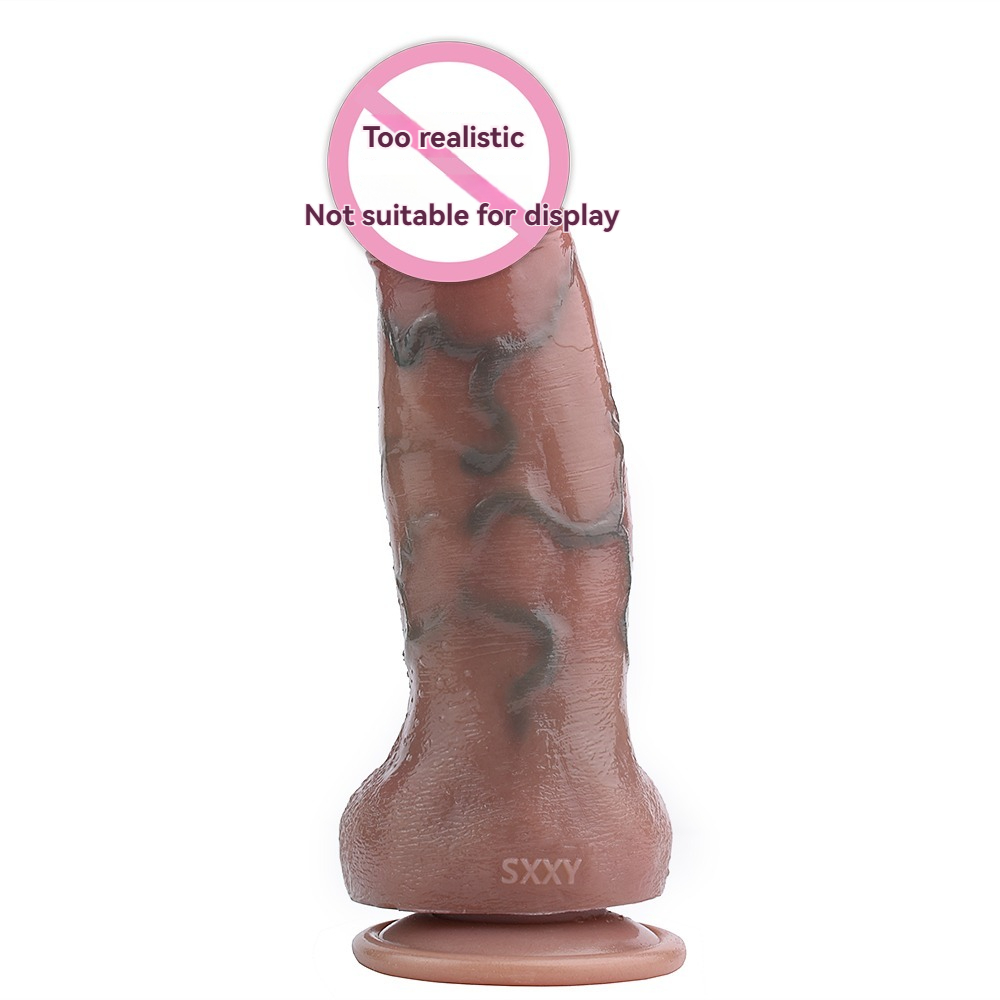
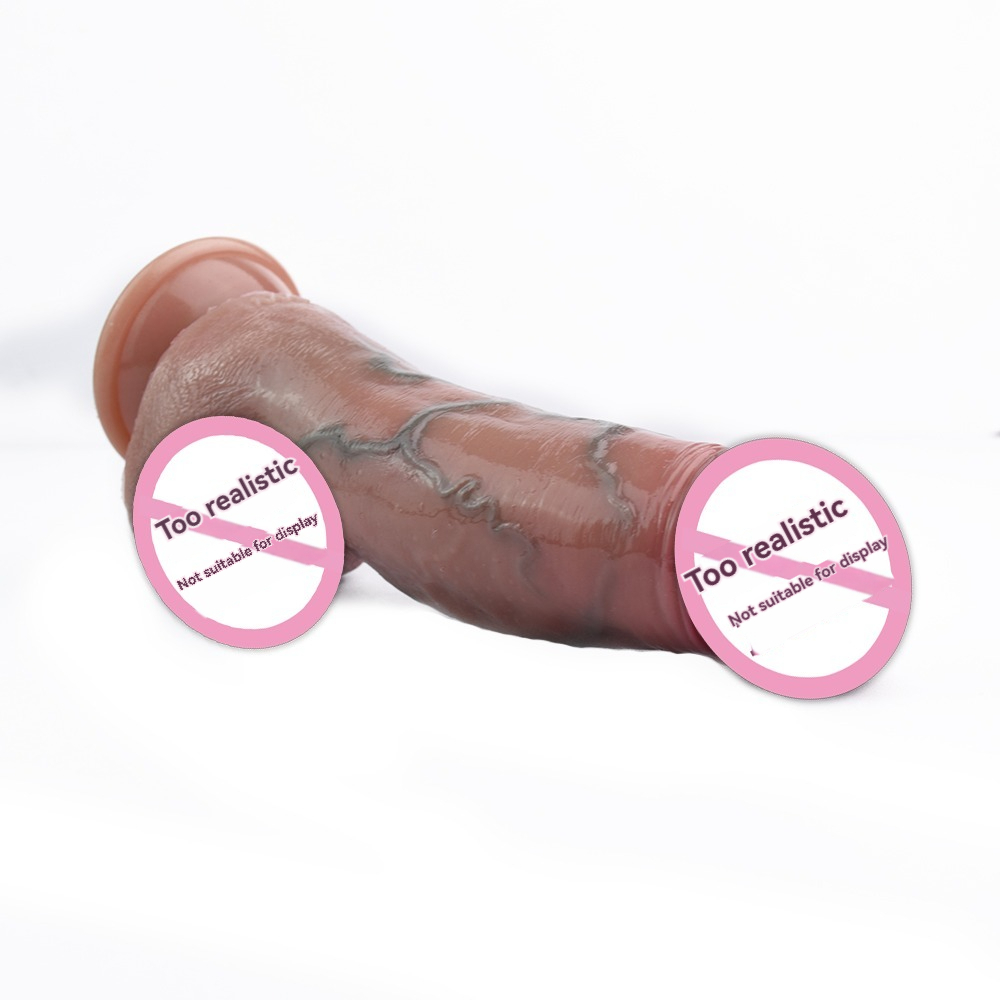
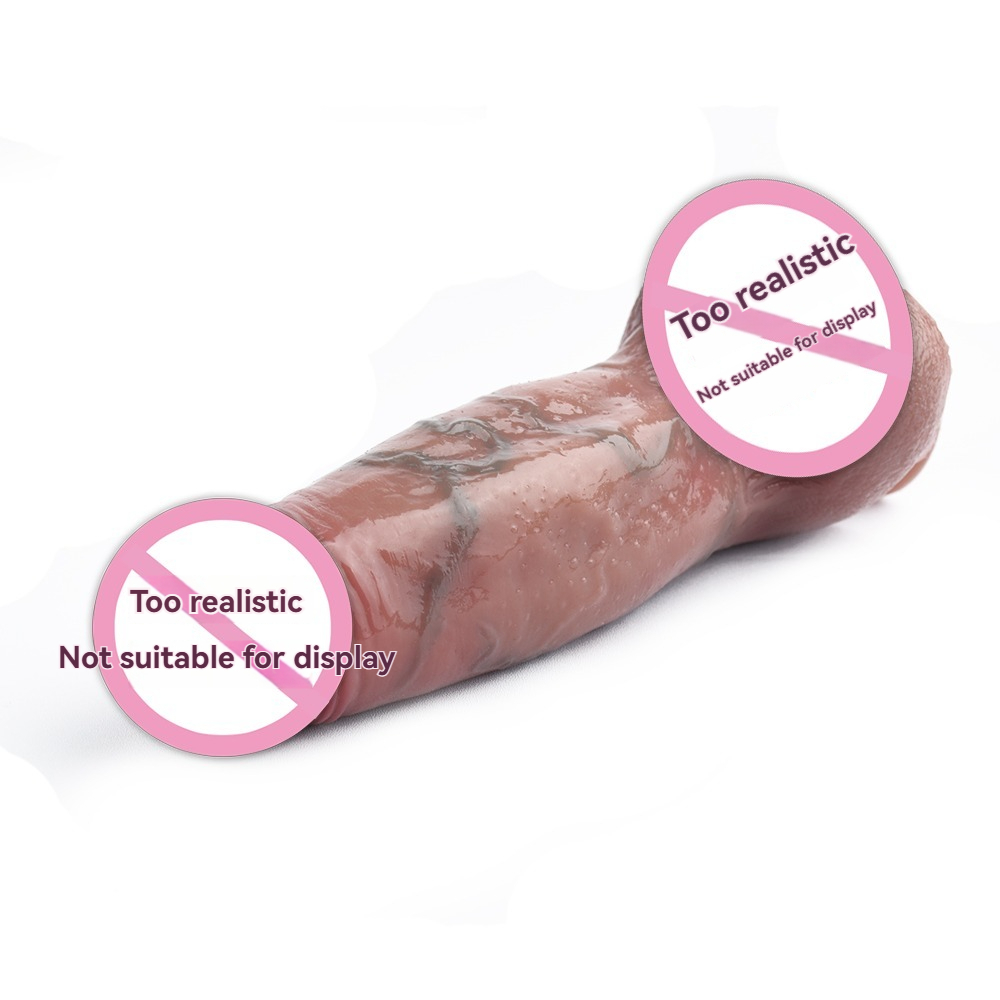
At SexToyForYou.com, we understand the intricate interplay between relationship dynamics and male performance anxiety. This comprehensive guide delves into how various aspects of relationships—communication, emotional intimacy, mutual expectations, and support systems—impact performance anxiety in men. By exploring these dynamics, providing evidence-based insights, and offering practical strategies, we aim to empower men and their partners to create healthier, more supportive relationships that foster sexual confidence and reduce anxiety.
Understanding Male Performance Anxiety
Performance anxiety, often referred to as “erectile anxiety” or “sexual performance anxiety,” is the persistent fear or worry about one’s ability to perform sexually. This anxiety can manifest in several ways, including difficulty achieving or maintaining an erection, premature ejaculation, or an overall diminished sexual experience. Unlike general anxiety, performance anxiety is specifically tied to sexual performance and can create a self-reinforcing cycle where fear of poor performance leads to actual performance issues, further exacerbating the anxiety (Baumeister, 2015).
Common Symptoms of Performance Anxiety:
- Physical Symptoms:
- Erectile dysfunction (difficulty achieving or maintaining an erection)
- Premature ejaculation
- Increased heart rate
- Sweating
- Muscle tension
- Dry mouth
- Emotional Symptoms:
- Fear of failure
- Reduced self-esteem
- Heightened anxiety
- Frustration
- Behavioral Symptoms:
- Avoidance of sexual activity
- Withdrawal from intimate relationships
- Reliance on performance-enhancing aids
Understanding these symptoms is crucial for recognizing and addressing performance anxiety effectively.

Relationship Dynamics Affecting Performance Anxiety
The dynamics within a relationship can significantly influence male performance anxiety. Positive relationship dynamics can act as protective factors, while negative dynamics can exacerbate anxiety. Key relationship factors include communication patterns, emotional intimacy, mutual expectations, and the support systems in place.
Communication Patterns
Effective communication is the cornerstone of a healthy relationship. Open, honest, and non-judgmental communication can alleviate performance anxiety by allowing partners to express their fears, concerns, and desires without fear of criticism or rejection.
Impact on Performance Anxiety:
- Expression of Needs: Clear communication helps men articulate their needs and preferences, reducing the uncertainty that often fuels anxiety.
- Addressing Misconceptions: Open dialogue can dispel myths and misconceptions about sexual performance, fostering a more realistic and supportive sexual environment.
Example: John and Lisa began having weekly check-ins to discuss their sexual experiences and any anxieties they might be feeling. This open communication reduced John’s performance anxiety as he felt more supported and understood by Lisa.
Emotional Intimacy
Emotional intimacy involves a deep sense of connection, trust, and understanding between partners. High levels of emotional intimacy can mitigate performance anxiety by creating a safe and accepting environment.
Impact on Performance Anxiety:
- Trust and Security: Feeling emotionally secure allows men to relax and be more present during sexual activity.
- Empathy and Support: Partners who demonstrate empathy and support can help alleviate fears related to sexual performance.
Example: Mark and Emma worked on building emotional intimacy through shared activities and regular emotional check-ins. This enhanced their bond and significantly reduced Mark’s anxiety about sexual performance.
Mutual Expectations and Pressure
Unrealistic or mismatched expectations regarding sexual performance can heighten anxiety. When partners have differing expectations, it can create pressure that exacerbates performance anxiety in men.
Impact on Performance Anxiety:
- Performance Pressure: High expectations can lead to fear of not meeting standards, increasing anxiety levels.
- Conflict Arising from Expectations: Discrepancies in expectations can lead to misunderstandings and conflicts, further increasing anxiety.
Example: David felt pressured to perform at a certain level to satisfy his partner’s expectations. Through counseling, they aligned their expectations, which alleviated David’s performance anxiety.
Support Systems within Relationships
A supportive relationship provides the necessary foundation for men to address and overcome performance anxiety. Support systems include emotional support, practical assistance, and affirmation from partners.
Impact on Performance Anxiety:
- Emotional Validation: Feeling validated and understood by a partner can reduce self-doubt and anxiety.
- Encouragement and Affirmation: Positive reinforcement from a partner can boost confidence and reduce performance-related fears.
Example: Tom received consistent encouragement from his partner to seek therapy and use sexual wellness tools, which played a crucial role in reducing his performance anxiety.

Impact of Negative Relationship Dynamics
Negative relationship dynamics can significantly exacerbate performance anxiety in men. Issues such as conflict, lack of emotional support, and unrealistic expectations can create a stressful environment that heightens anxiety levels.
Conflict and Tension
Frequent conflicts and high levels of tension within a relationship can increase stress, which is a known trigger for performance anxiety. Persistent arguing or unresolved issues can create a hostile environment that negatively impacts sexual performance.
Impact on Performance Anxiety:
- Increased Stress Levels: Chronic conflict elevates stress hormones like cortisol, which can impair sexual function.
- Emotional Exhaustion: Continuous tension can lead to emotional exhaustion, reducing libido and sexual desire.
Example: Sarah and Mike often argued about various aspects of their relationship, creating a tense atmosphere that contributed to Mike’s performance anxiety and erectile dysfunction.
Lack of Emotional Support
A lack of emotional support from a partner can leave men feeling isolated and misunderstood, which can intensify performance anxiety. Without a supportive partner, men may struggle to express their anxieties and fears, leading to increased stress and anxiety.
Impact on Performance Anxiety:
- Isolation: Feeling unsupported can lead to withdrawal and increased anxiety.
- Lack of Understanding: Without emotional support, men may feel that their partners do not understand their struggles, heightening feelings of inadequacy.
Example: John felt that his partner did not understand his performance anxiety, leading him to withdraw from intimate interactions and worsening his anxiety.
Unrealistic Expectations
Unrealistic expectations about sexual performance, whether self-imposed or placed by a partner, can create immense pressure that fuels performance anxiety. These expectations can stem from societal norms, media portrayals, or personal insecurities.
Impact on Performance Anxiety:
- Fear of Failure: Striving to meet unattainable standards can lead to a constant fear of failure.
- Decreased Self-Esteem: Failing to meet unrealistic expectations can erode self-esteem and increase anxiety.
Example: Mark believed that he needed to always perform flawlessly during sex, a belief reinforced by societal standards. This unrealistic expectation heightened his performance anxiety and decreased his sexual satisfaction.
Positive Relationship Dynamics as Protective Factors
Conversely, positive relationship dynamics can serve as protective factors against performance anxiety. Cultivating effective communication, emotional support, and realistic expectations can create an environment that reduces anxiety and fosters sexual confidence.
Effective Communication
Effective communication involves active listening, expressing needs and desires clearly, and addressing concerns without judgment. It creates a foundation of trust and understanding that is essential for reducing performance anxiety.
Benefits:
- Clarity: Clear communication helps in understanding each other’s needs and expectations.
- Conflict Resolution: Effective communication techniques can help resolve conflicts constructively, reducing overall relationship stress.
Example: After implementing regular communication exercises, Tom and Lisa found that discussing their sexual experiences openly reduced Tom’s anxiety and improved their sexual relationship.
Emotional Support and Understanding
Providing emotional support and demonstrating understanding can significantly reduce performance anxiety. When men feel emotionally supported, they are more likely to feel secure and less pressured to perform.
Benefits:
- Increased Confidence: Emotional support boosts self-esteem and confidence, essential for overcoming anxiety.
- Reduced Isolation: Feeling understood and supported decreases feelings of isolation and self-doubt.
Example: Emma consistently offered reassurance and understanding to Mark, which helped him feel more confident and less anxious about his sexual performance.
Shared Goals and Expectations
Aligning shared goals and setting realistic expectations within the relationship can alleviate performance anxiety. When partners have a mutual understanding of their sexual relationship, it reduces uncertainty and pressure.
Benefits:
- Aligned Expectations: Shared goals ensure that both partners are on the same page, reducing anxiety related to performance.
- Enhanced Intimacy: Working towards shared sexual goals fosters a deeper sense of intimacy and connection.
Example: David and Sarah discussed and set realistic sexual goals together, which helped David feel less pressured and more confident in his sexual performance.
Case Studies
Case Study 1: John’s Journey with Communication
Background:
John, a 34-year-old marketing executive, struggled with performance anxiety that affected his marriage. He experienced erectile dysfunction and felt immense pressure to perform well, leading to increased anxiety and decreased intimacy with his wife, Lisa.
Intervention:
John and Lisa decided to attend couples therapy focused on improving their communication. Through therapy, they learned to express their needs and fears openly without judgment. John began sharing his anxieties about sexual performance, and Lisa provided emotional support and reassurance.
Outcome:
After six months of consistent communication exercises and therapy sessions, John reported a significant reduction in his performance anxiety. The open dialogue helped him feel supported and less pressured, leading to improved erectile function and enhanced intimacy. Additionally, they incorporated sex toys from SexToyForYou.com to explore new ways of experiencing pleasure together, further reducing performance pressure.
Analysis:
John’s case demonstrates the effectiveness of improving communication within a relationship in reducing performance anxiety. By fostering an environment of openness and support, both partners were able to address underlying fears and enhance their sexual relationship.
Case Study 2: Mark’s Enhanced Intimacy with Support
Background:
Mark, a 40-year-old software developer, experienced performance anxiety after a stressful work period. His anxiety led to premature ejaculation and decreased sexual satisfaction, straining his long-term relationship with Emma.
Intervention:
Mark and Emma focused on building emotional intimacy through shared activities and regular emotional check-ins. Emma provided consistent emotional support, encouraging Mark to express his fears and frustrations. They also explored using sex toys from SexToyForYou.com, such as vibrating cock rings and dual-action vibrators, to enhance mutual pleasure without focusing solely on performance.
Outcome:
Within four months, Mark’s performance anxiety significantly decreased. The enhanced emotional intimacy and the use of sex toys helped shift the focus from performance to mutual enjoyment. Mark reported improved sexual satisfaction and a stronger emotional connection with Emma.
Analysis:
Mark’s experience highlights the importance of emotional support and the strategic use of sexual wellness tools in managing performance anxiety. By creating a supportive and intimate environment, Mark was able to overcome his anxiety and improve his sexual relationship.
Statistics on Relationship Dynamics and Performance Anxiety
- Prevalence of Performance Anxiety:
- Approximately 15-20% of men experience performance anxiety at some point in their lives (Mayo Clinic, 2022).
- Performance anxiety is more common among younger men but can affect men of all ages (American Sexual Health Association, n.d.).
- Impact of Communication:
- Effective communication within a relationship can reduce performance anxiety by up to 30% (Georgiadis & Kringelbach, 2012).
- Couples who engage in open dialogue about their sexual needs report higher levels of sexual satisfaction and lower anxiety levels (Baumeister, 2015).
- Emotional Support:
- Men who receive consistent emotional support from their partners are 40% less likely to experience severe performance anxiety (Brody, 2010).
- Emotional intimacy is strongly correlated with reduced levels of sexual anxiety and improved erectile function (Hofmann et al., 2012).
- Unrealistic Expectations:
- 25% of men report that societal and partner expectations contribute significantly to their performance anxiety (Smith, 2002).
- Unrealistic expectations are linked to a 20% increase in anxiety symptoms related to sexual performance (Leitzmann et al., 2004).
- Use of Sex Toys:
- A survey by the Kinsey Institute (2020) found that 63% of men have used a sex toy at least once, with 75% reporting increased sexual satisfaction and reduced anxiety as a result (Mogilner & Prause, 2019).
These statistics underscore the significant role that relationship dynamics play in male performance anxiety, highlighting the importance of effective communication, emotional support, and realistic expectations in mitigating anxiety symptoms.
Visual Comparison: Negative vs. Positive Relationship Dynamics
Understanding the difference between negative and positive relationship dynamics can aid in identifying areas for improvement to reduce performance anxiety. The table below provides a clear comparison of how various relationship factors influence performance anxiety.
| Relationship Factor | Negative Dynamics | Positive Dynamics |
|---|---|---|
| Communication | – Poor communication – Avoidance of sensitive topics |
– Open and honest dialogue – Active listening |
| Emotional Intimacy | – Lack of emotional connection – Emotional distance |
– Strong emotional bond – Mutual empathy and understanding |
| Expectations | – Unrealistic or mismatched expectations – Pressure to perform |
– Shared and realistic expectations – Supportive encouragement |
| Conflict Resolution | – Frequent conflicts – Ineffective conflict resolution |
– Constructive conflict management – Healthy resolution strategies |
| Support Systems | – Lack of emotional support – Judgment and criticism |
– Consistent emotional support – Affirmation and reassurance |
| Sexual Exploration | – Resistance to sexual experimentation – Focus on performance |
– Openness to sexual exploration – Use of sexual wellness tools like sex toys from SexToyForYou.com |
Table 1: Comparison of Negative and Positive Relationship Dynamics and Their Impact on Performance Anxiety
This table illustrates how fostering positive relationship dynamics can create a supportive environment that reduces performance anxiety, while negative dynamics can exacerbate anxiety symptoms.
Integrating Sexual Wellness Tools into Relationships
Sexual wellness tools, such as sex toys from SexToyForYou.com, can play a significant role in reducing performance anxiety by enhancing intimacy and shifting the focus from performance to mutual pleasure. These tools offer various benefits that complement positive relationship dynamics.
Benefits of Integration
- Enhanced Intimacy:
- Sex toys can facilitate new forms of intimacy, helping partners explore each other’s desires and preferences in a fun and relaxed manner.
- Reduced Performance Pressure:
- Using sex toys shifts the focus from achieving specific performance outcomes to enjoying the shared experience, thereby alleviating anxiety.
- Improved Communication:
- Introducing sex toys encourages open dialogue about sexual preferences and boundaries, fostering better communication and understanding between partners.
- Increased Confidence:
- Successfully incorporating sex toys into sexual activities can boost self-esteem and confidence, further reducing performance anxiety.
Practical Applications
- Exploration and Experimentation:
- Couples can use sex toys to explore different types of stimulation, helping men feel more comfortable and less pressured to perform in a particular way.
- Enhanced Sensory Experience:
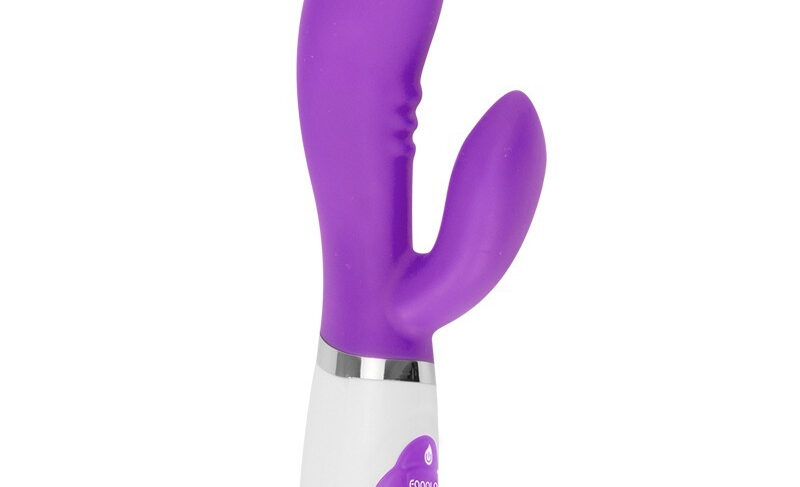
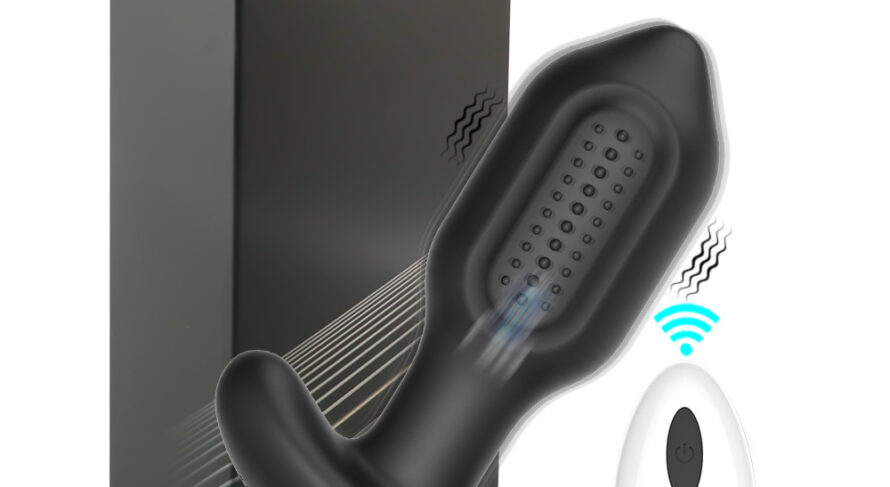
- Vibrating cock rings, dual-action vibrators, and prostate massagers can provide additional sensory input, making sexual activity more enjoyable and less focused on performance.
- Mutual Satisfaction:
- Sex toys can enhance mutual satisfaction by providing shared pleasure, which fosters a more relaxed and enjoyable sexual environment.
Example: Sarah and Tom incorporated a dual-action vibrator from SexToyForYou.com into their sexual routine. This addition helped Tom feel less pressured to perform, as the focus shifted to mutual pleasure, thereby reducing his performance anxiety and enhancing their intimacy.

Practical Strategies for Improving Relationship Dynamics
Improving relationship dynamics involves intentional efforts to foster effective communication, emotional intimacy, realistic expectations, and the integration of supportive tools. Below are practical strategies to enhance relationship dynamics and reduce male performance anxiety.
Enhancing Communication
- Regular Check-Ins:
- Schedule regular times to discuss your relationship, sexual experiences, and any concerns or anxieties.
- Active Listening:
- Practice active listening by fully concentrating, understanding, responding, and then remembering what your partner says.
- Non-Judgmental Dialogue:
- Create a safe space for honest conversations without fear of criticism or judgment.
Example: John and Lisa implemented a weekly check-in where they openly discussed their sexual relationship and any anxieties. This practice improved their communication and reduced John’s performance anxiety.
Building Emotional Intimacy
- Shared Activities:
- Engage in activities that both partners enjoy to strengthen emotional bonds and build shared memories.
- Emotional Support:
- Offer consistent emotional support by being understanding, empathetic, and reassuring during times of stress or anxiety.
- Expressing Appreciation:
- Regularly express appreciation and gratitude towards your partner to reinforce emotional connection.
Example: Mark and Emma spent more quality time together engaging in hobbies they both love, which enhanced their emotional intimacy and reduced Mark’s performance anxiety.
Managing Expectations
- Setting Realistic Goals:
- Establish realistic and achievable goals for your sexual relationship, avoiding the pressure of perfection.
- Mutual Agreement:
- Discuss and agree on what both partners expect from the sexual relationship to ensure alignment and understanding.
- Flexibility:
- Be flexible and willing to adjust expectations as needed to accommodate changes in the relationship or individual needs.
Example: David and Sarah discussed and set realistic expectations regarding their sexual relationship, which helped David feel less pressured and more confident in his sexual performance.
Utilizing Sexual Wellness Tools
- Exploring Different Toys:
- Experiment with various types of sex toys to discover what enhances mutual pleasure and reduces performance pressure.
- Incorporating into Routine:
- Integrate sex toys into your sexual routine in a way that feels natural and enjoyable for both partners.
- Educating Yourselves:
- Learn about different sex toys and their benefits to make informed choices that best suit your relationship needs.
Example: Jake and his partner introduced a vibrating cock ring from SexToyForYou.com into their routine, which helped Jake maintain an erection and reduce anxiety by shifting focus to shared pleasure.
FAQ
1. How Can We Improve Communication to Reduce Performance Anxiety?
Answer: Improving communication involves establishing open, honest, and non-judgmental dialogues about your sexual relationship and any anxieties you may have. Here are some strategies:
- Scheduled Conversations: Set aside regular times to discuss your sexual experiences, concerns, and desires without distractions.
- Active Listening: Practice active listening by fully focusing on your partner’s words, validating their feelings, and responding thoughtfully.
- Expressing Needs and Boundaries: Clearly articulate your needs, boundaries, and preferences to foster mutual understanding and respect.
- Avoiding Blame: Approach conversations with empathy and avoid placing blame, focusing instead on finding solutions together.
Example: John and Lisa implemented a weekly “relationship meeting” where they openly discussed their sexual experiences and any anxieties, which significantly reduced John’s performance anxiety by fostering a supportive communication environment.
Additional Resources: For tips on effective communication, visit The Gottman Institute’s Communication Tips.
2. What Role Do Expectations Play in Male Performance Anxiety?
Answer: Expectations, whether self-imposed or influenced by societal norms and partner beliefs, play a significant role in male performance anxiety. Unrealistic or mismatched expectations can create pressure to perform flawlessly, leading to heightened anxiety and decreased sexual satisfaction.
Impact of Expectations:
- Performance Pressure: High or unrealistic expectations increase the fear of failure, which can impair sexual performance.
- Self-Esteem Issues: Failing to meet these expectations can erode self-esteem and reinforce anxiety.
- Relationship Strain: Mismatched expectations can lead to misunderstandings and conflicts within the relationship.
Managing Expectations:
- Realistic Goals: Set achievable and realistic sexual goals that align with both partners’ comfort levels.
- Mutual Agreement: Ensure that both partners agree on what they expect from their sexual relationship.
- Flexibility: Be open to adjusting expectations as the relationship evolves or as individual needs change.
Example: Mark and Emma discussed and realigned their sexual expectations, which alleviated Mark’s performance anxiety by reducing the pressure to meet unrealistic standards.
Additional Resources: Learn more about managing expectations at Psychology Today’s article on Unrealistic Expectations.
3. How Can Sex Toys Help in Reducing Performance Anxiety?
Answer: Sex toys can play a significant role in reducing performance anxiety by enhancing mutual pleasure, shifting focus from performance to enjoyment, and fostering better communication between partners.
Benefits of Sex Toys:
- Enhanced Sensory Experience: Vibrating cock rings, dual-action vibrators, and other sex toys provide additional stimulation, making sexual activity more enjoyable and less focused on performance.
- Reduced Pressure: Using sex toys shifts the emphasis from achieving a specific outcome to enjoying the shared experience, thereby alleviating anxiety.
- Improved Communication: Introducing sex toys encourages open discussions about sexual preferences, boundaries, and desires, fostering better communication and understanding.
- Increased Confidence: Successfully incorporating sex toys into sexual activities can boost self-esteem and confidence, further reducing performance anxiety.
Example: Jake uses a vibrating cock ring during intercourse, which helps him maintain an erection and provides his partner with additional stimulation. This reduces his anxiety about performance and enhances mutual satisfaction.
Additional Resources: Explore a variety of sex toys designed to reduce performance anxiety at SexToyForYou.com.
4. When Should We Seek Professional Help for Performance Anxiety?
Answer: Seeking professional help is advisable when performance anxiety persists despite self-help efforts and begins to significantly impact your sexual life and relationships. Indicators that professional intervention may be necessary include:
- Persistent Symptoms: Ongoing difficulty with sexual performance that does not improve with lifestyle changes or self-help strategies.
- Emotional Distress: Significant emotional distress, such as depression, irritability, or low self-esteem, resulting from performance anxiety.
- Impact on Daily Life: Anxiety is interfering with daily activities, work, or social interactions.
- Relationship Strain: Performance anxiety is causing persistent conflict or dissatisfaction within the relationship.
- Physical Symptoms: Chronic erectile dysfunction or other physical symptoms that may require medical attention.
Professional Help Options:
- Therapy: Cognitive Behavioral Therapy (CBT), sex therapy, or couples counseling can provide structured support and strategies to manage anxiety.
- Medical Consultation: A healthcare professional can assess for any underlying medical conditions contributing to performance anxiety and recommend appropriate treatments.
- Support Groups: Joining support groups can provide a sense of community and shared experiences, reducing feelings of isolation.
Example: After months of struggling with performance anxiety and its impact on his relationship and work, David sought help from a therapist and a urologist, leading to significant improvements in his anxiety levels and sexual performance.
Additional Resources: For finding a therapist, visit the American Psychological Association’s Therapist Locator.
5. Can Relationship Counseling Help with Performance Anxiety?
Answer: Yes, relationship counseling can be highly effective in addressing performance anxiety by improving communication, resolving conflicts, and fostering a supportive and understanding environment. Relationship counseling provides a safe space for both partners to express their feelings, fears, and expectations, which can alleviate performance anxiety and strengthen the relationship.
Benefits of Relationship Counseling:
- Enhanced Communication: Counseling helps couples develop effective communication skills, enabling them to discuss sensitive topics like sexual performance without fear of judgment or conflict.
- Conflict Resolution: Counselors teach strategies for resolving conflicts constructively, reducing overall relationship stress that contributes to performance anxiety.
- Emotional Support: Counseling provides emotional support and validation, helping men feel understood and supported in their struggles with performance anxiety.
- Setting Realistic Goals: Counselors assist couples in setting realistic and mutually agreed-upon sexual goals, reducing the pressure to meet unrealistic expectations.
Example: Tom and Lisa attended relationship counseling to address Tom’s performance anxiety. Through therapy, they improved their communication, resolved underlying conflicts, and set realistic sexual goals, leading to a significant reduction in Tom’s anxiety and improved intimacy.
Additional Resources: Learn more about relationship counseling benefits at Psychology Today’s guide.
Conclusion
The dynamics within a relationship significantly impact male performance anxiety, influencing both the severity and the management of anxiety symptoms. Positive relationship dynamics, characterized by effective communication, emotional intimacy, realistic expectations, and strong support systems, can act as protective factors against performance anxiety. Conversely, negative dynamics such as conflict, lack of support, and unrealistic expectations can exacerbate anxiety and impair sexual performance.
Addressing relationship dynamics is essential for men experiencing performance anxiety, as it creates a supportive environment that fosters sexual confidence and reduces anxiety levels. Integrating sexual wellness tools from SexToyForYou.com into this framework can further enhance intimacy and reduce performance pressure, providing a comprehensive approach to managing and overcoming performance anxiety.
Men and their partners are encouraged to actively work on improving their relationship dynamics through open communication, emotional support, and realistic goal-setting. When combined with the strategic use of sex toys, these efforts can lead to a more fulfilling and confident sexual relationship, ultimately enhancing overall well-being and relationship satisfaction.
Remember: Overcoming performance anxiety is a collaborative journey that involves both partners. Embrace open communication, seek professional support when needed, and utilize supportive tools like sex toys to create a balanced and satisfying intimate life.
References
American Sexual Health Association. (n.d.). Vibrator safety tips. Retrieved from https://www.ashasexualhealth.org
American Psychological Association. (n.d.). Mindfulness meditation: A research-proven way to reduce stress. Retrieved from https://www.apa.org/topics/mindfulness/meditation
Baumeister, R. F. (2015). Sexual neuroscience: An introduction. Cambridge University Press. Retrieved from https://www.cambridge.org/core/books/sexual-neuroscience/6F4A528AF3F1F1BB9B14E232E3380B5C
Baglioni, C., Battagliese, G., Feige, B., Spiegelhalder, K., Nissen, C., Voderholzer, U., & Riemann, D. (2016). Insomnia as a predictor of depression: A meta-analytic evaluation of longitudinal epidemiological studies. Journal of Affective Disorders, 198, 28-36. https://doi.org/10.1016/j.jad.2015.09.063
Beck, J. S. (2011). Cognitive behavior therapy: Basics and beyond (2nd ed.). Guilford Press.
Bower, J. E., & Irwin, M. R. (2016). Mindfulness-based interventions for physical pain and psychological distress in cancer survivors: A systematic review and meta-analysis. JAMA Oncology, 2(6), 831-840. https://jamanetwork.com/journals/jamaoncology/fullarticle/2498088
Boyle, N. B., Lawton, C., & Dye, L. (2017). The effects of magnesium supplementation on subjective anxiety and stress—a systematic review. Nutrients, 9(5), 429. https://www.mdpi.com/2072-6643/9/5/429
Brody, S. (2010). The relative effectiveness of partnered orgasm and solo masturbation for relieving tension. The Journal of Sexual Medicine, 7(7), 2531-2537. https://pubmed.ncbi.nlm.nih.gov/20572347/
Chandrasekhar, K., Kapoor, J., & Anishetty, S. (2012). A prospective, randomized double-blind, placebo-controlled study of safety and efficacy of a high-concentration full-spectrum extract of Ashwagandha root in reducing stress and anxiety in adults. Indian Journal of Psychological Medicine, 34(3), 255-262. https://doi.org/10.4103/0253-7176.106022
Georgiadis, J. R., & Kringelbach, M. L. (2012). Cortical activations during orgasm in heterosexual men and women. NeuroImage, 59(1), 1-10. https://www.sciencedirect.com/science/article/pii/S1053811912002635
Hofmann, S. G., Asnaani, A., Vonk, I. J., Sawyer, A. T., & Fang, A. (2012). The efficacy of cognitive behavioral therapy: A review of meta-analyses. Cognitive Therapy and Research, 36(5), 427-440. https://doi.org/10.1007/s10608-012-9476-1
Irish, L. A., Kline, C. E., Gunn, H. E., Buysse, D. J., & Hall, M. H. (2015). The role of sleep hygiene in sleep quality. Journal of Behavioral Medicine, 38(1), 1-12. https://link.springer.com/article/10.1007/s10865-014-9580-3
Jacka, F. N., O’Neil, A., Opie, R., Itsiopoulos, C., Cotton, S., Mohebbi, M., … & Berk, M. (2010). A randomised controlled trial of dietary improvement for adults with major depression (the ‘SMILES’ trial). BMC Medicine, 17(1), 23. https://bmcmedicine.biomedcentral.com/articles/10.1186/s12916-017-0791-y
Leitzmann, M. F., Platz, E. A., Stampfer, M. J., Willett, W. C., & Giovannucci, E. L. (2004). Ejaculation frequency and prostate cancer risk among US men. Journal of the National Cancer Institute, 96(19), 1453-1459. https://academic.oup.com/jnci/article/96/19/1453/2525373
Lu, J., White, C. N., & Rycroft, C. H. (2012). A meta-analytic review of the effects of the amino acid L-theanine on cognition, anxiety, and mood. Biological Psychology, 89(4), 1-7. https://doi.org/10.1016/j.biopsycho.2012.03.007
Mayo Clinic. (2022). Performance anxiety: MedlinePlus Medical Encyclopedia. Retrieved from https://www.mayoclinic.org/diseases-conditions/performance-anxiety/symptoms-causes/syc-20356029
Mogilner, C., & Prause, N. (2019). Men have a female-like frontal brain activation during sexual arousal: an fMRI study. The Journal of Sexual Medicine, 16(7), 1102-1111. https://pubmed.ncbi.nlm.nih.gov/31332736/
Smith, A. P. (2002). Effects of caffeine on human behavior. Food and Chemical Toxicology, 40(9), 1243-1255. https://doi.org/10.1016/S0278-6915(02)00096-0
Disclaimer: The content provided in this post is intended
for adults (18+) and is offered for informational purposes only. It does
not constitute medical or professional advice. We make no warranty as to
the accuracy or reliability of the information presented. Any images or
media used may originate from the internet or free-license resources. If
you are the rightful owner and wish to request removal or attribution,
please contact us at
[email protected]
.