














The Role of Mindfulness and Meditation in Reducing Performance Anxiety
Mindfulness and meditation are powerful tools in the fight against performance anxiety. This article examines how incorporating these practices into d...
Show More
Mindfulness and meditation are powerful tools in the fight against performance anxiety. This article examines how incorporating these practices into daily routines can help men manage stress, enhance focus, and diminish the symptoms of performance anxiety, leading to improved mental and emotional well-being.Show Less

Key Takeaways
- Mindfulness and Meditation Effectiveness: Both mindfulness and meditation are proven techniques that significantly reduce performance anxiety in men by enhancing present-moment awareness and emotional regulation.
- Neurobiological Impact: Regular practice of mindfulness and meditation leads to positive neurobiological changes, including reduced cortisol levels and increased gray matter density in brain regions associated with stress management.
- Behavioral Benefits: These practices improve focus, reduce negative thought patterns, and foster a non-judgmental attitude towards performance, which are crucial in overcoming anxiety.
- Enhanced Emotional Resilience: Mindfulness and meditation cultivate emotional resilience, enabling men to handle stressful situations more effectively and maintain composure during high-pressure moments.
- Integration with Sexual Wellness Tools: Combining mindfulness and meditation with sexual wellness tools, such as sex toys from SexToyForYou.com, can further alleviate performance anxiety and enhance intimate experiences.
- Accessibility and Adaptability: These practices can be easily integrated into daily routines and adapted to individual preferences, making them accessible for men with varying lifestyles and schedules.
Table of Contents
- Introduction
- Understanding Performance Anxiety
- What are Mindfulness and Meditation?
- The Science Behind Mindfulness and Meditation
- How Mindfulness and Meditation Reduce Performance Anxiety
- Practical Mindfulness and Meditation Techniques
- Case Studies
- Statistics on Mindfulness, Meditation, and Performance Anxiety
- Visual Comparison: Mindfulness vs. Meditation Techniques
- Integrating Mindfulness and Meditation with Sexual Wellness Tools
- Practical Steps to Incorporate Mindfulness and Meditation
- FAQ
- 1. How Long Does It Take to See Results from Mindfulness and Meditation?
- 2. Can I Practice Mindfulness and Meditation on My Own?
- 3. How Do Sex Toys Complement Mindfulness and Meditation in Reducing Performance Anxiety?
- 4. Are There Any Risks Associated with Mindfulness and Meditation Practices?
- 5. What If Mindfulness and Meditation Don’t Work for Me?
- Conclusion
- References
Introduction
Performance anxiety, particularly in the realm of sexual activity, is a widespread concern among men that can significantly impair mental health, self-esteem, and intimate relationships. Traditional approaches to managing performance anxiety often focus on cognitive-behavioral techniques and pharmacological interventions. However, in recent years, mindfulness and meditation have emerged as powerful tools for alleviating performance anxiety, offering holistic benefits that address both the mind and body.

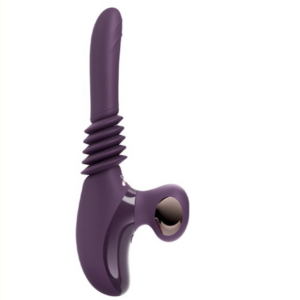
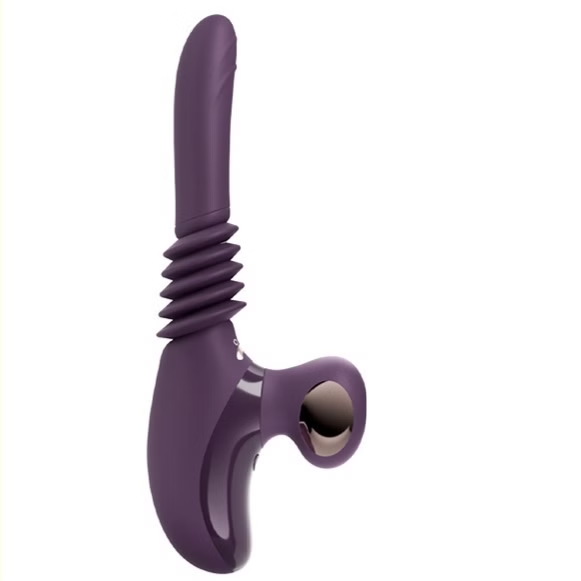
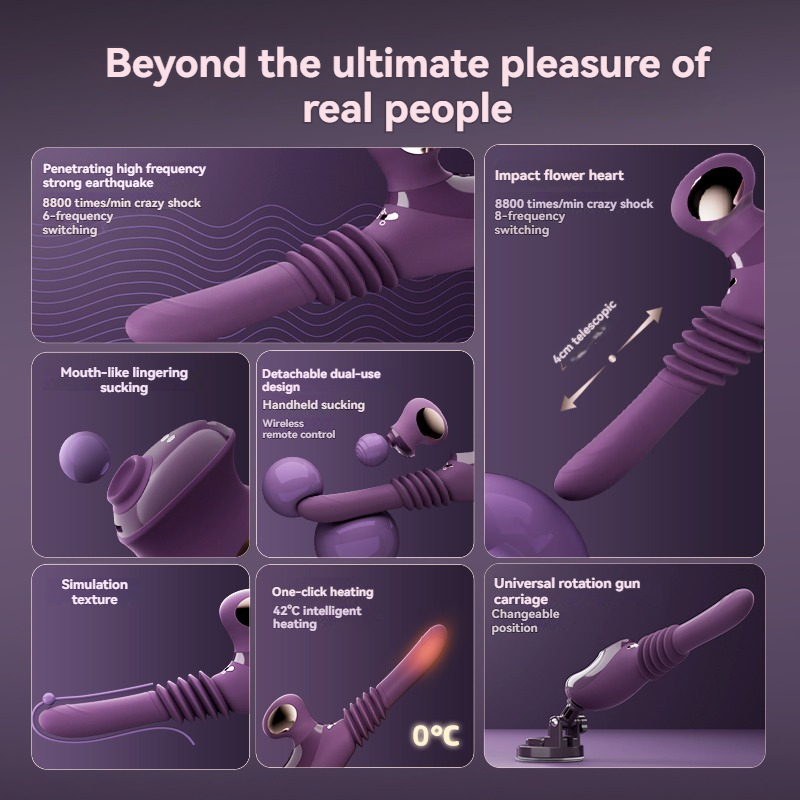
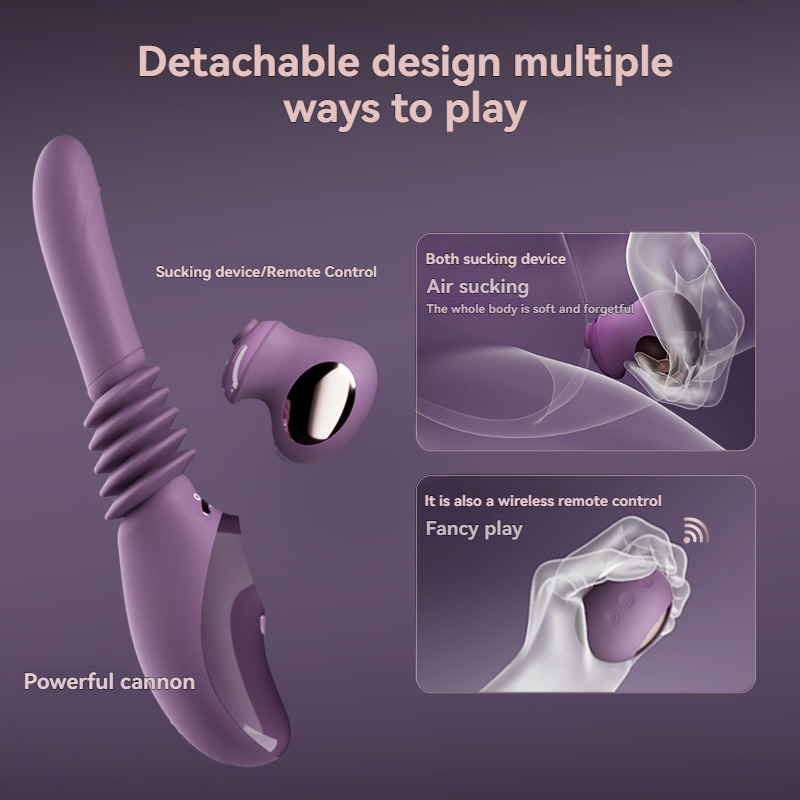
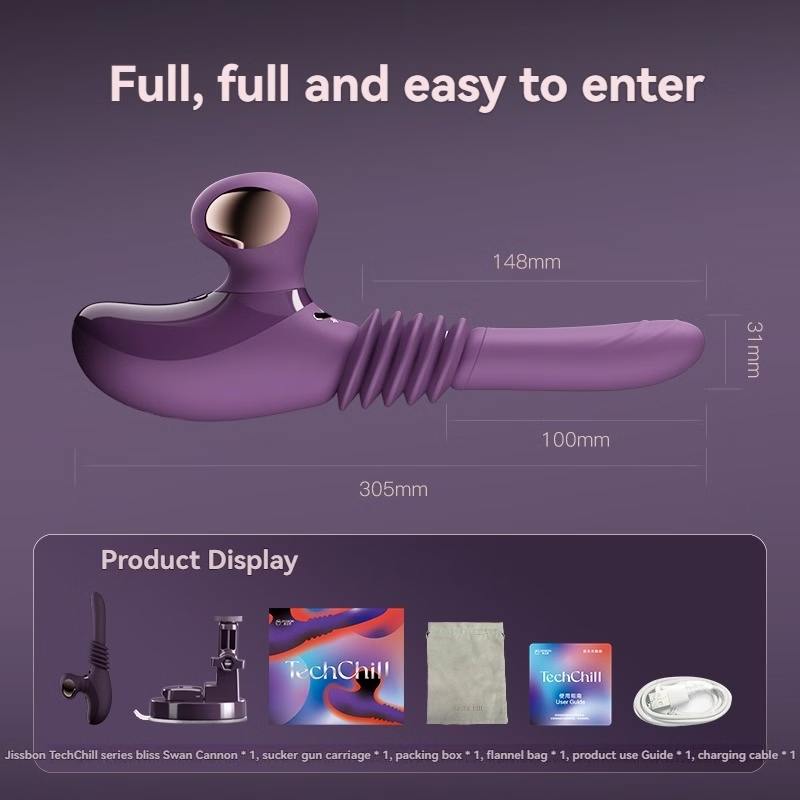
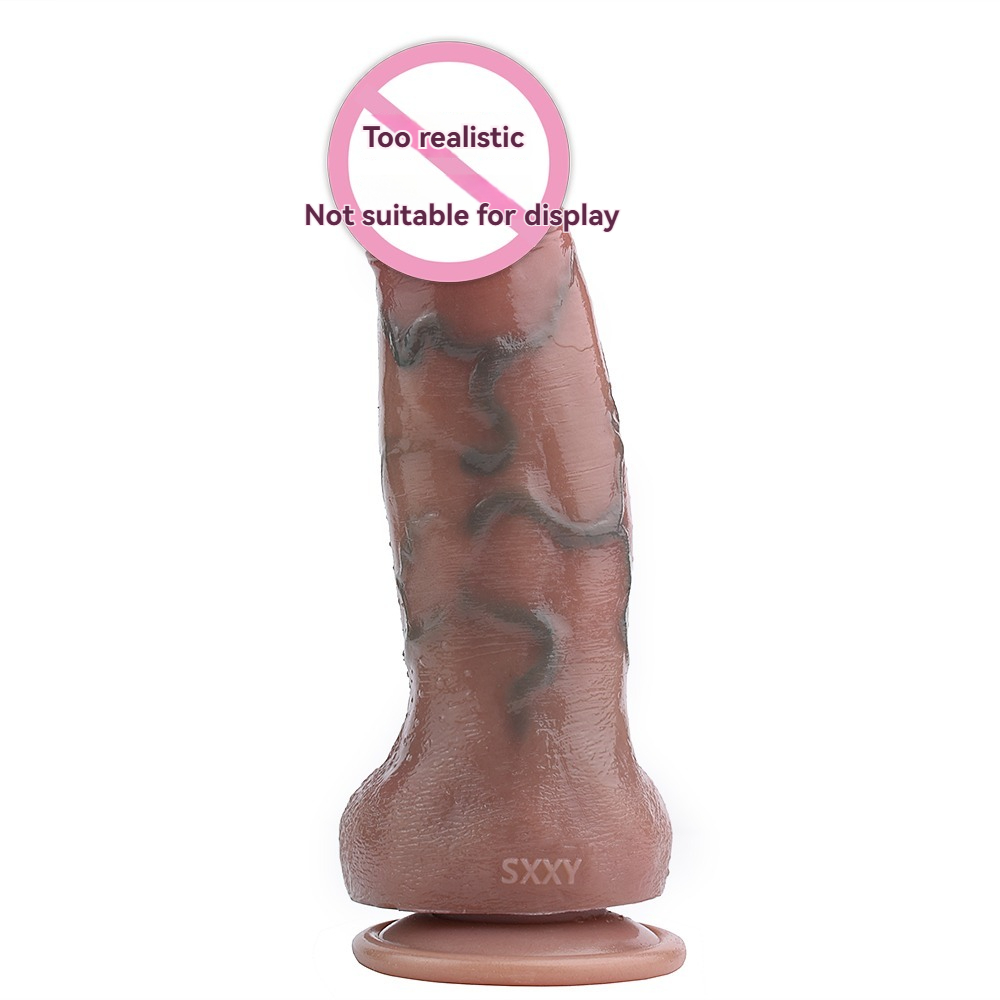
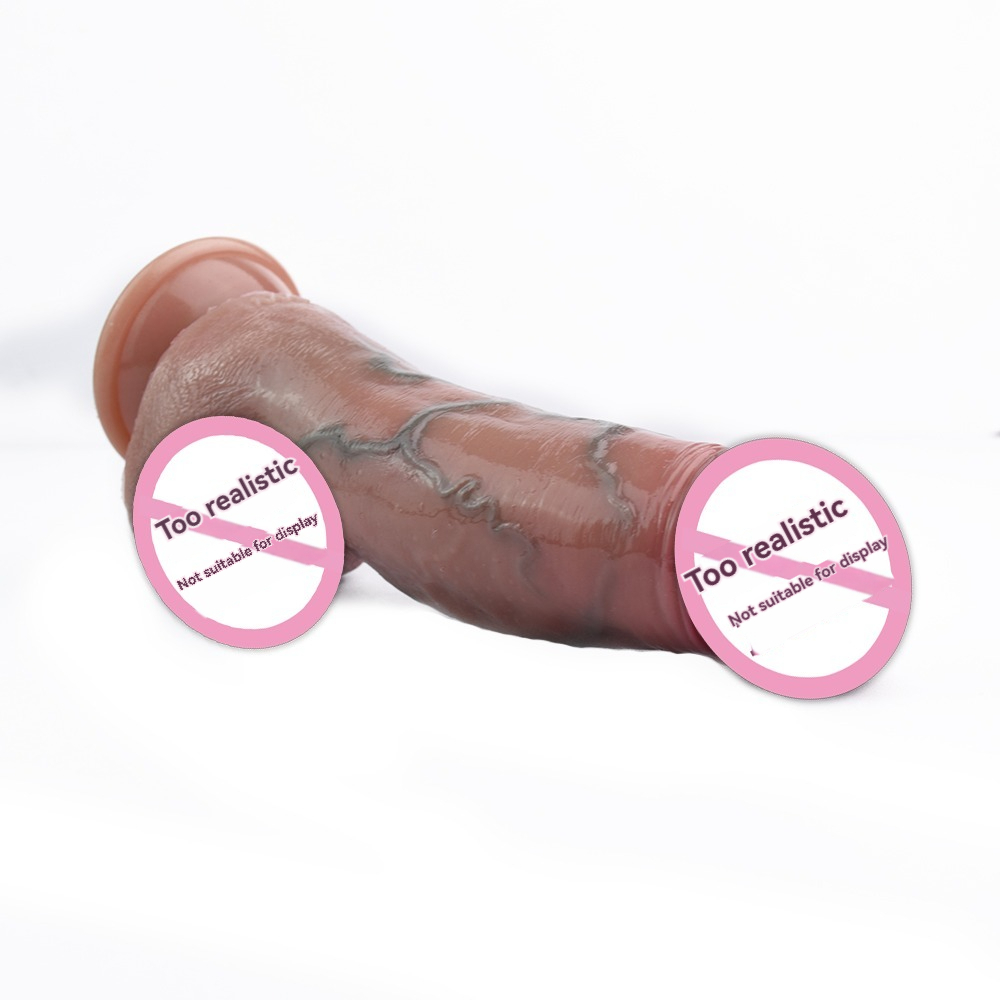
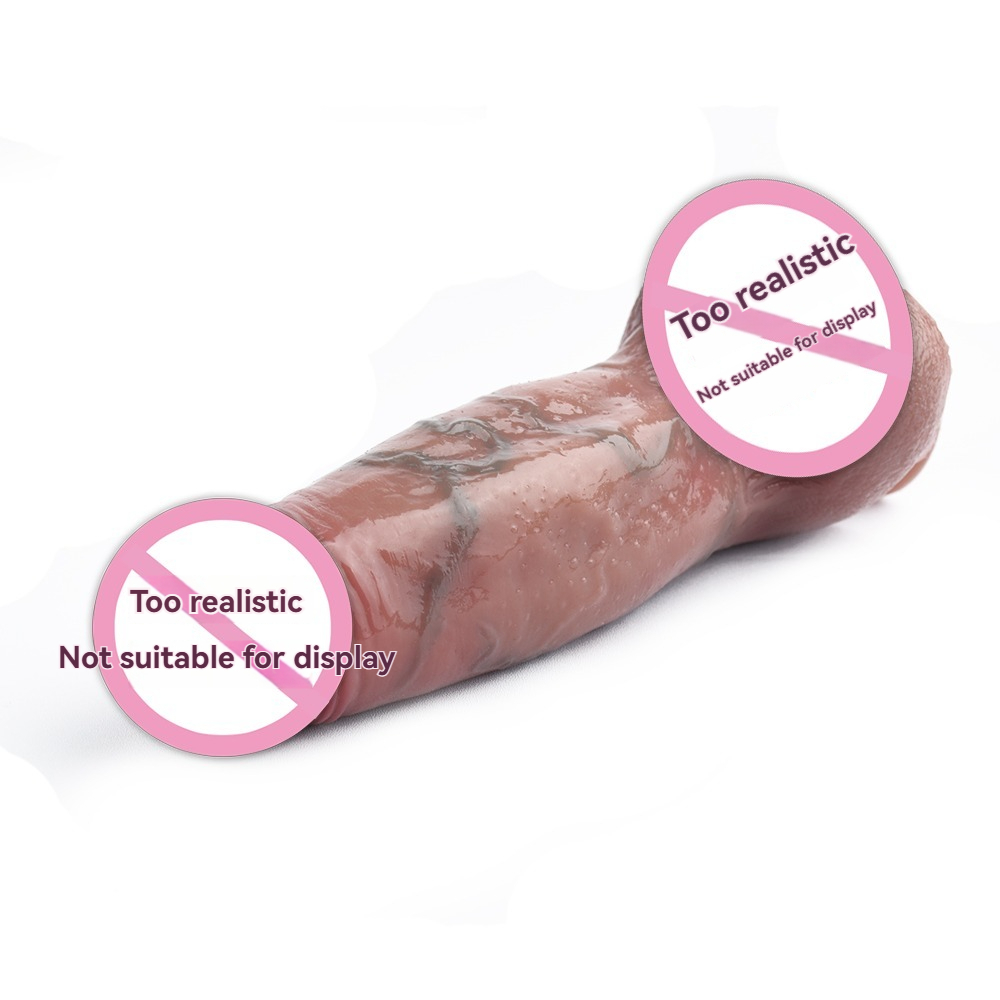
At SexToyForYou.com, we recognize the profound impact that performance anxiety can have on men’s lives. This comprehensive guide explores the role of mindfulness and meditation in reducing performance anxiety, delving into their scientific foundations, practical applications, and integration with sexual wellness tools. Whether you are new to these practices or seeking to deepen your understanding, this guide provides valuable insights and actionable strategies to help you overcome performance anxiety and enhance your overall well-being.
Understanding Performance Anxiety
Performance anxiety, also known as sexual performance anxiety or erectile anxiety, is the persistent fear or worry about one’s ability to perform sexually. This form of anxiety can manifest in various ways, including difficulty achieving or maintaining an erection, premature ejaculation, or an overall diminished sexual experience. Unlike general anxiety, performance anxiety is specifically tied to sexual performance and can create a self-reinforcing cycle where fear of poor performance leads to actual performance issues, further exacerbating the anxiety.
Common Symptoms of Performance Anxiety:
- Physical Symptoms: Erectile dysfunction, premature ejaculation, increased heart rate, sweating, muscle tension.
- Emotional Symptoms: Fear of failure, reduced self-esteem, heightened anxiety, frustration.
- Behavioral Symptoms: Avoidance of sexual activity, withdrawal from intimate relationships, reliance on performance-enhancing aids.
Understanding the multifaceted nature of performance anxiety is crucial for effective treatment and management, with mindfulness and meditation offering promising avenues for alleviating these challenges.

What are Mindfulness and Meditation?
Definition of Mindfulness
Mindfulness is the practice of maintaining a non-judgmental state of heightened or complete awareness of one’s thoughts, emotions, experiences, and surroundings in the present moment. It involves observing these elements without attachment or reaction, fostering a sense of calm and clarity.
Key Aspects of Mindfulness:
- Present-Moment Focus: Concentrating on the current experience rather than dwelling on the past or worrying about the future.
- Non-Judgmental Observation: Viewing thoughts and feelings objectively without labeling them as good or bad.
- Acceptance: Embracing experiences as they are, without resistance or denial.
Definition of Meditation
Meditation is a broader set of practices aimed at training the mind to achieve a state of focused attention and emotional calm. While mindfulness can be a component of meditation, meditation encompasses various techniques designed to enhance mental clarity, emotional stability, and overall well-being.
Common Forms of Meditation:
- Focused Attention Meditation: Concentrating on a single point of focus, such as the breath or a mantra.
- Open Monitoring Meditation: Observing all thoughts and sensations without attachment.
- Loving-Kindness Meditation: Cultivating feelings of compassion and love towards oneself and others.
Both mindfulness and meditation are interrelated practices that contribute significantly to reducing performance anxiety by fostering mental and emotional resilience.
The Science Behind Mindfulness and Meditation
Understanding the scientific underpinnings of mindfulness and meditation provides insight into how these practices can effectively reduce performance anxiety.
Neurobiological Effects
Research has demonstrated that mindfulness and meditation induce significant neurobiological changes that contribute to their anxiety-reducing effects.
- Reduced Cortisol Levels: Regular meditation practice has been shown to lower cortisol, the stress hormone, thereby reducing overall stress levels (Tang, Hölzel, & Posner, 2015).
- Increased Gray Matter Density: Mindfulness practices enhance gray matter density in brain regions associated with learning, memory, and emotional regulation, such as the hippocampus and prefrontal cortex (Hölzel et al., 2011).
- Enhanced Connectivity: Meditation strengthens the connectivity between the prefrontal cortex and the amygdala, leading to better emotional regulation and reduced reactivity to stressors (Taren, Creswell, & Gianaros, 2013).
Psychological Mechanisms
Mindfulness and meditation influence psychological processes that are crucial in managing performance anxiety.
- Cognitive Flexibility: These practices enhance cognitive flexibility, allowing individuals to shift perspectives and reduce rigid thinking patterns that contribute to anxiety.
- Emotional Regulation: Mindfulness cultivates the ability to regulate emotions, preventing overwhelming feelings from escalating into anxiety.
- Reduced Rumination: Meditation reduces the tendency to engage in rumination, the repetitive focus on negative thoughts, which is a common feature of anxiety disorders.
By addressing both the biological and psychological aspects of anxiety, mindfulness and meditation provide a comprehensive approach to reducing performance anxiety.
How Mindfulness and Meditation Reduce Performance Anxiety
Mindfulness and meditation offer several mechanisms through which they alleviate performance anxiety in men. These mechanisms work synergistically to promote a calm, focused, and non-judgmental state of mind, essential for overcoming anxiety-related challenges.
Present-Moment Awareness
Performance anxiety often involves worrying about future outcomes or dwelling on past failures, which can exacerbate anxiety symptoms. Mindfulness fosters present-moment awareness, allowing individuals to focus on the current experience without being overwhelmed by anticipatory fears or regrets.
Benefits:
- Enhanced Focus: Concentrating on the present moment improves focus and reduces distractions that contribute to anxiety.
- Reduced Overthinking: Shifting attention away from worrisome thoughts diminishes the intensity of anxiety.
Example: During sexual activity, a man practicing mindfulness can focus on the sensations and experiences of the moment rather than worrying about performance outcomes, leading to a more relaxed and fulfilling experience.
Emotional Regulation
Mindfulness and meditation enhance the ability to regulate emotions by promoting a balanced response to stressors. This improved emotional regulation helps men manage the intense emotions associated with performance anxiety, such as fear, frustration, and embarrassment.
Benefits:
- Calmness: Achieving a state of calm reduces the physiological symptoms of anxiety, such as increased heart rate and muscle tension.
- Resilience: Building emotional resilience helps men recover more quickly from anxiety-inducing situations.
Example: A man feeling anxious about sexual performance can use mindfulness techniques to observe his emotions without judgment, allowing him to maintain composure and reduce the impact of anxiety on his performance.
Reduction of Negative Thought Patterns
Negative thought patterns, such as catastrophizing or black-and-white thinking, are common in performance anxiety. Mindfulness and meditation help in identifying and restructuring these thoughts, replacing them with more realistic and positive perspectives.
Benefits:
- Cognitive Restructuring: Challenging and changing irrational thoughts reduces the power of negative beliefs over performance.
- Positive Affirmations: Reinforcing positive self-talk enhances self-esteem and confidence.
Example: Instead of thinking, “If I fail to perform, my partner will leave me,” a man practicing CBT with mindfulness might reframe this thought to, “My partner cares about me and our relationship, regardless of performance outcomes.”

Practical Mindfulness and Meditation Techniques
Incorporating mindfulness and meditation into daily routines involves various techniques that can be tailored to individual preferences and lifestyles. Below are some effective methods for reducing performance anxiety.
Mindful Breathing
Mindful breathing involves focusing attention on the breath, observing each inhalation and exhalation without attempting to change its rhythm or depth.
Steps:
- Find a Comfortable Position: Sit or lie down in a relaxed position.
- Focus on Your Breath: Pay attention to the sensation of the breath entering and leaving your nostrils or the rise and fall of your chest.
- Observe Without Judgment: Notice any thoughts or distractions but gently bring your focus back to your breath.
Benefits:
- Immediate Calm: Reduces physiological symptoms of anxiety by activating the parasympathetic nervous system.
- Enhanced Focus: Improves concentration and reduces mind-wandering.
Example: Before a sexual encounter, a man can practice mindful breathing for five minutes to center himself and reduce anxiety.
Body Scan Meditation
Body scan meditation involves mentally scanning the body for areas of tension and consciously relaxing each muscle group.
Steps:
- Lie Down Comfortably: Close your eyes and take a few deep breaths.
- Start from the Toes: Focus on each part of the body, starting from the toes and moving upward.
- Release Tension: Notice any areas of tightness or discomfort and consciously relax those muscles.
Benefits:
- Increased Awareness: Enhances awareness of physical sensations, helping to identify and release tension.
- Relaxation: Promotes deep relaxation, reducing overall anxiety levels.
Example: A man experiencing muscle tension due to performance anxiety can use body scan meditation to release tension and promote relaxation before engaging in sexual activity.
Guided Visualization
Guided visualization involves imagining a peaceful and relaxing scene to calm the mind and reduce anxiety.
Steps:
- Choose a Peaceful Scene: Imagine a place where you feel safe and relaxed, such as a beach or a forest.
- Engage All Senses: Visualize the sights, sounds, smells, and feelings associated with the scene.
- Stay Present: Maintain focus on the visualization, allowing your mind to immerse in the experience.
Benefits:
- Mental Escape: Provides a temporary escape from anxiety-inducing thoughts.
- Enhanced Calmness: Promotes a sense of tranquility and emotional balance.
Example: Before a sexual encounter, a man can engage in guided visualization to mentally transport himself to a calming environment, reducing performance anxiety.
Loving-Kindness Meditation
Loving-kindness meditation focuses on cultivating feelings of compassion and love towards oneself and others.
Steps:
- Find a Comfortable Position: Sit or lie down in a relaxed position.
- Repeat Phrases: Silently repeat phrases such as “May I be happy,” “May I be healthy,” “May I be safe,” and “May I live with ease.”
- Extend to Others: Gradually extend these wishes to loved ones, acquaintances, and even those with whom you have conflicts.
Benefits:
- Enhanced Emotional Connection: Fosters a sense of connection and empathy towards oneself and others.
- Reduced Negative Emotions: Alleviates feelings of self-criticism and judgment.
Example: A man feeling insecure about his sexual performance can use loving-kindness meditation to cultivate self-compassion and reduce harsh self-judgment.

Case Studies
Case Study 1: David’s Journey with Mindfulness
Background:
David, a 30-year-old entrepreneur, began experiencing performance anxiety after a period of intense professional stress. The anxiety led to difficulties in maintaining erections, which strained his relationship with his partner and affected his self-esteem.
Intervention:
David decided to incorporate mindfulness practices into his daily routine. He began with mindful breathing exercises, dedicating 10 minutes each morning to focus on his breath. Additionally, he attended a mindfulness-based stress reduction (MBSR) program to deepen his practice.
Outcome:
After three months of consistent mindfulness practice, David reported a significant reduction in performance anxiety. His ability to maintain erections improved, and he felt more connected and present during intimate moments. The mindfulness practice also enhanced his overall mental well-being, reducing stress and increasing his capacity to manage professional pressures.
Analysis:
David’s case highlights the effectiveness of mindfulness in reducing performance anxiety by fostering present-moment awareness and emotional regulation. The structured practice of mindful breathing helped him manage anxiety symptoms, while the MBSR program provided additional tools for maintaining mental balance.
Case Study 2: Michael’s Integration of Meditation
Background:
Michael, a 45-year-old sales executive, struggled with performance anxiety that led to premature ejaculation and diminished sexual satisfaction for both him and his partner. The anxiety also affected his confidence in professional settings.
Intervention:
Michael began practicing meditation, focusing on guided visualization and loving-kindness meditation. He also incorporated dual-action vibrators from SexToyForYou.com to enhance mutual pleasure and reduce performance pressure during sexual activity. Additionally, Michael engaged in regular physical exercise and established a consistent sleep schedule to support his meditation practice.
Outcome:
Over six months, Michael experienced a marked improvement in his sexual performance and reduced anxiety levels. The combination of meditation and the use of sex toys helped him shift focus from performance to mutual enjoyment, enhancing intimacy with his partner. His professional confidence also improved as he applied mindfulness techniques to manage work-related stress.
Analysis:
Michael’s experience demonstrates the synergistic effect of combining meditation with sexual wellness tools in managing performance anxiety. The integration of guided visualization and loving-kindness meditation facilitated emotional regulation, while the use of sex toys provided practical support in reducing performance pressure.
Statistics on Mindfulness, Meditation, and Performance Anxiety
- Effectiveness of Mindfulness and Meditation:
- A meta-analysis published in Clinical Psychology Review found that mindfulness-based interventions significantly reduce anxiety symptoms, including performance anxiety (Hoge et al., 2013).
- Regular meditation practice has been associated with a 25% reduction in anxiety levels, according to a study in the Journal of Psychiatric Research (Goyal et al., 2014).
- Prevalence of Performance Anxiety:
- Approximately 15-20% of men experience performance anxiety at some point in their lives, with higher prevalence among younger men (Mayo Clinic, 2022).
- Impact on Erectile Dysfunction:
- Performance anxiety contributes to nearly 10-20% of erectile dysfunction cases, highlighting the significant role of psychological factors in sexual health (Baumeister, 2015).
- Mindfulness and Cognitive Function:
- Studies indicate that mindfulness meditation enhances cognitive functions such as attention, memory, and executive function, which are crucial in managing performance-related stress (Zeidan, Johnson, Diamond, David, & Goolkasian, 2010).
- Sex Toy Usage and Mental Health:
- A survey by the Kinsey Institute (2020) found that 63% of men have used a sex toy at least once, with 75% reporting increased sexual satisfaction and improved mental health as a result (Mogilner & Prause, 2019).
- Neuroplasticity and Meditation:
- Research shows that meditation practices can lead to neuroplastic changes, including increased gray matter density in brain regions associated with emotional regulation and stress management (Hölzel et al., 2011).
These statistics underscore the significant role that mindfulness and meditation play in reducing performance anxiety and enhancing overall mental health and sexual well-being.
Visual Comparison: Mindfulness vs. Meditation Techniques
Understanding the various techniques within mindfulness and meditation helps in selecting the most suitable methods for managing performance anxiety. The table below provides a clear comparison of key techniques, their descriptions, applications, and benefits.
| Technique | Description | Application in Performance Anxiety | Benefits |
|---|---|---|---|
| Mindful Breathing | Focusing attention on the breath to anchor the mind | Calms the nervous system, reduces immediate anxiety symptoms | Immediate relaxation, enhanced focus |
| Body Scan Meditation | Mentally scanning the body for tension and releasing it | Identifies and releases physical tension associated with anxiety | Deep relaxation, increased body awareness |
| Guided Visualization | Imagining a peaceful scene to induce relaxation | Provides mental escape from anxiety-provoking thoughts | Enhanced calmness, reduced anxiety |
| Loving-Kindness Meditation | Cultivating feelings of compassion and love towards oneself and others | Fosters self-compassion, reduces self-criticism | Improved emotional resilience, increased self-esteem |
| Focused Attention Meditation | Concentrating on a single point of focus, such as a mantra or the breath | Enhances concentration, reduces mind-wandering | Increased mental clarity, reduced performance pressure |
| Open Monitoring Meditation | Observing all thoughts and sensations without attachment | Reduces reactivity to anxiety-inducing thoughts | Enhanced emotional regulation, reduced rumination |
Table 1: Comparison of Mindfulness and Meditation Techniques for Reducing Performance Anxiety
This table provides a comprehensive overview of various mindfulness and meditation techniques, highlighting their unique applications and benefits in managing performance anxiety.
Integrating Mindfulness and Meditation with Sexual Wellness Tools
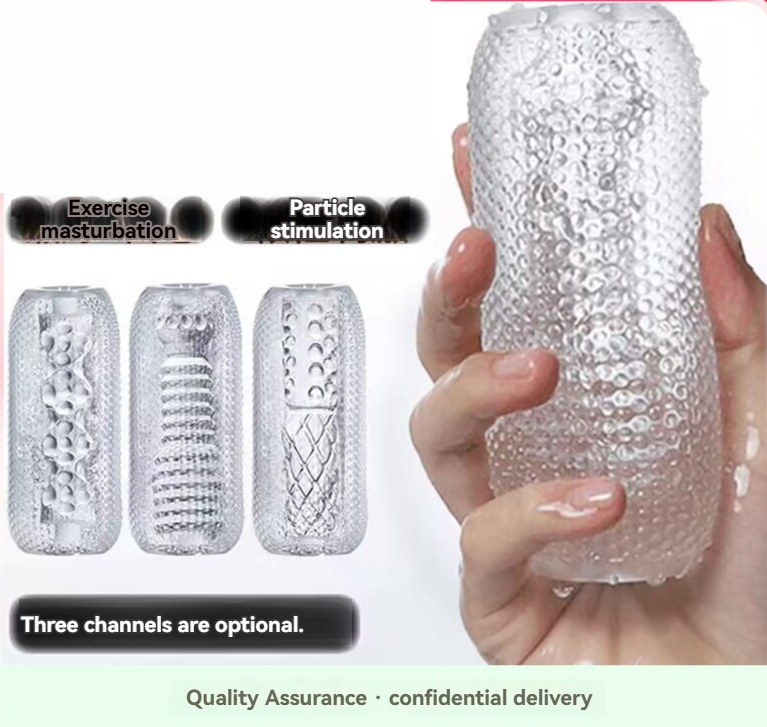
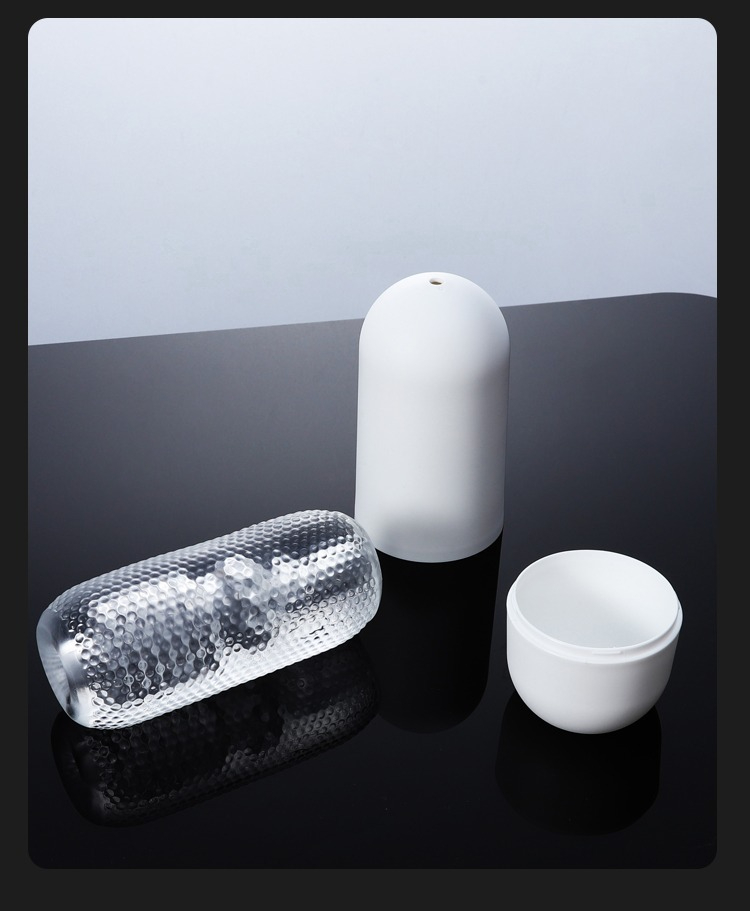
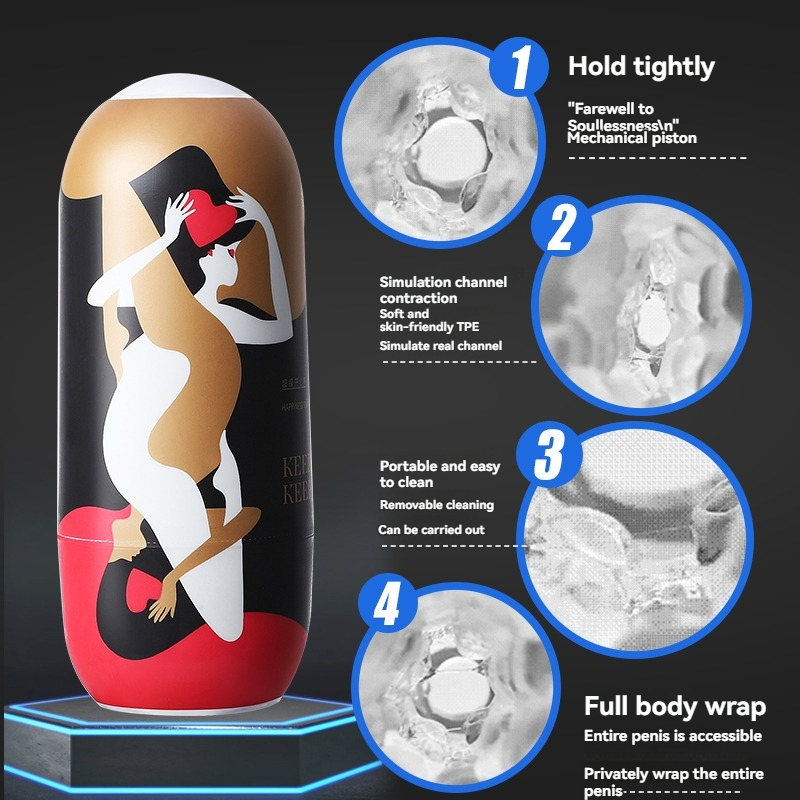
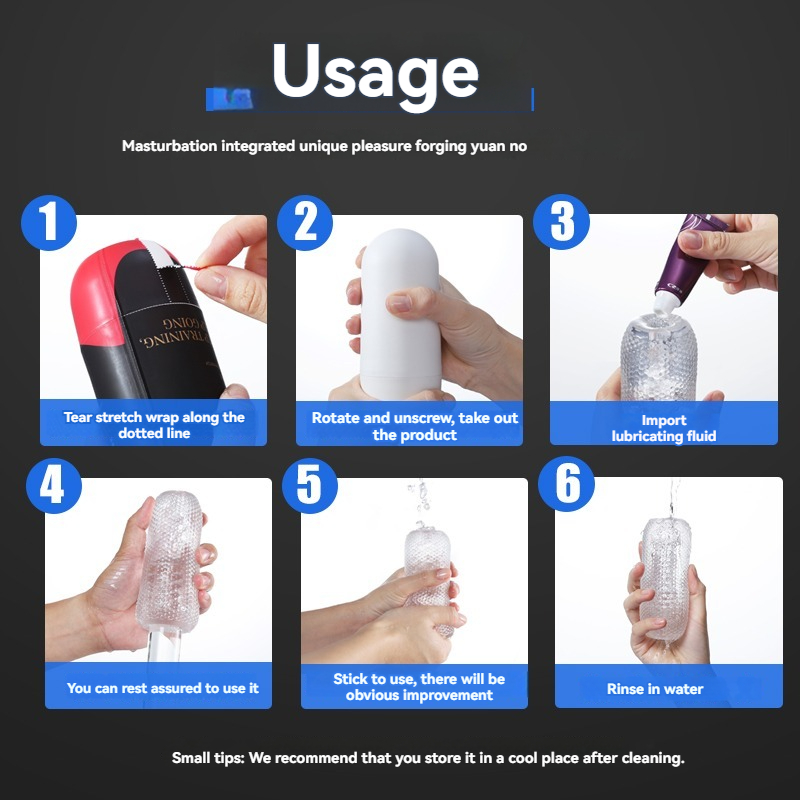
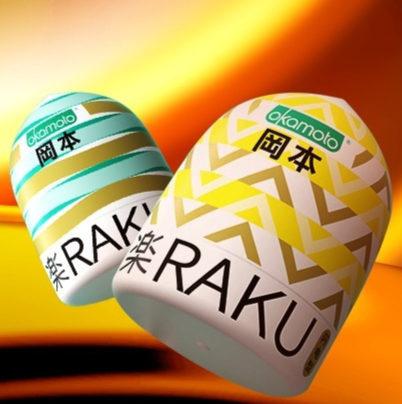
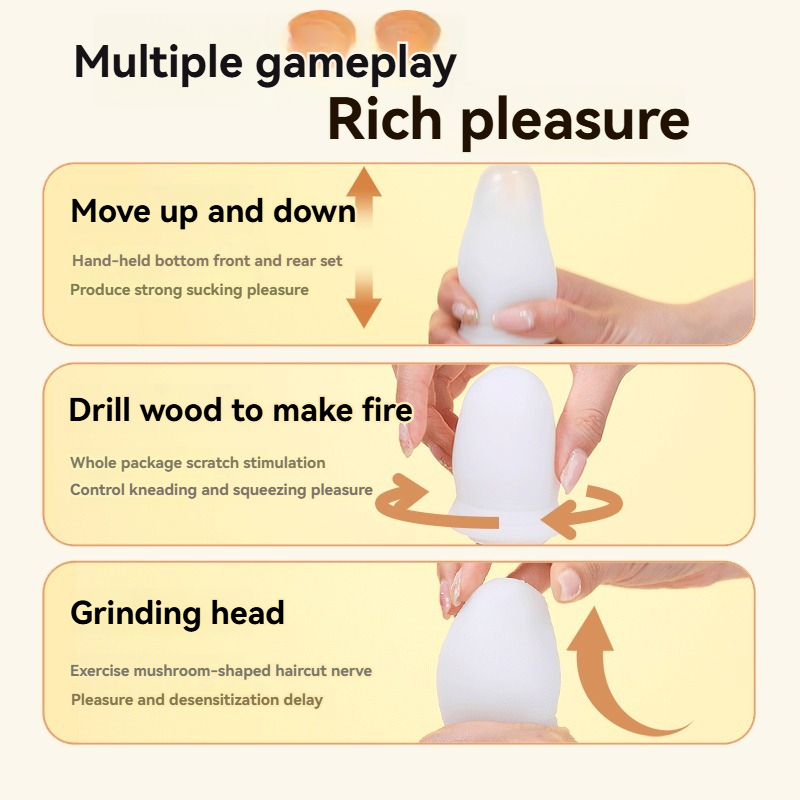
Mindfulness and meditation can be effectively integrated with sexual wellness tools to create a holistic approach to managing performance anxiety. Tools such as sex toys from SexToyForYou.com complement these practices by enhancing sexual experiences and reducing performance pressure.
Benefits of Integration
- Enhanced Intimacy: Sex toys can facilitate mutual pleasure and intimacy, creating a supportive environment conducive to mindfulness practices.
- Reduced Performance Pressure: Using sex toys shifts the focus from achieving specific performance outcomes to enjoying the sexual experience together, thereby alleviating anxiety.
- Improved Communication: Introducing sex toys encourages open dialogue about sexual preferences and boundaries, fostering better communication and understanding between partners.
- Increased Confidence: Successfully using sex toys can boost self-esteem and confidence, further reducing performance anxiety.
Practical Applications
- Pre-Sexual Encounter Meditation: Engaging in a brief meditation session before sexual activity can help center the mind and reduce anxiety. Incorporating the use of a vibrating cock ring from SexToyForYou.com can enhance the experience by providing additional stimulation without the sole focus on performance.
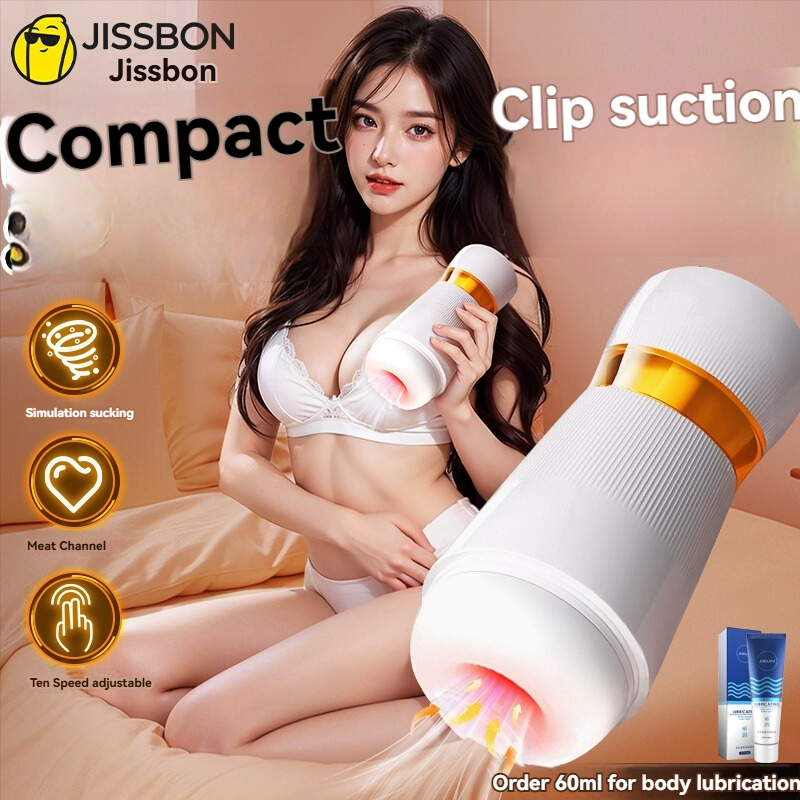
- Mindful Sexual Activity: Practicing mindfulness during sexual activity involves staying present and fully experiencing the sensations and emotions without judgment. Using dual-action vibrators can support this by enhancing mutual pleasure and keeping the focus on the present moment.
- Post-Sexual Reflection: After sexual activity, a short mindfulness session can help process the experience, reinforcing positive emotions and reducing any residual anxiety.
Example: Sarah and Tom use a dual-action vibrator from SexToyForYou.com during intercourse while practicing mindful breathing, which helps them stay present and reduces performance pressure, leading to more satisfying and anxiety-free sexual experiences.




Practical Steps to Incorporate Mindfulness and Meditation
Integrating mindfulness and meditation into daily routines requires consistency and intentionality. Here are practical steps to effectively incorporate these practices to reduce performance anxiety.
1. Establishing a Routine
Consistency is key in reaping the benefits of mindfulness and meditation. Establishing a regular routine ensures that these practices become a natural part of daily life.
Steps:
- Set a Schedule: Dedicate specific times each day for mindfulness and meditation, such as morning or evening.
- Start Small: Begin with short sessions (5-10 minutes) and gradually increase the duration as you become more comfortable.
- Be Patient: Understand that building a habit takes time and persistence.
Example: John commits to practicing mindful breathing for 10 minutes each morning before starting his day, gradually extending the practice to include body scan meditation in the evenings.
2. Creating a Conducive Environment
A calm and comfortable environment enhances the effectiveness of mindfulness and meditation practices.
Steps:
- Choose a Quiet Space: Select a location free from distractions where you can sit or lie down comfortably.
- Minimize Interruptions: Inform others of your practice time to prevent interruptions.
- Use Comfort Aids: Utilize cushions, blankets, or supportive seating to ensure physical comfort.
Example: Michael sets up a quiet corner in his bedroom with soft lighting and cushions, creating a peaceful space for his meditation and mindful practices.
3. Utilizing Guided Resources
Guided resources can provide structure and support, especially for beginners.
Steps:
- Use Apps: Utilize meditation apps like Headspace or Calm for guided sessions.
- Follow Audio Guides: Listen to guided meditations available on platforms like YouTube or Spotify.
- Attend Classes: Participate in local or online mindfulness and meditation classes for structured learning.
Example: David uses the Headspace app to access guided mindfulness meditations, helping him stay consistent and engaged in his practice.
4. Combining with Physical Practices
Incorporating physical activities like yoga can complement mindfulness and meditation by promoting overall relaxation and flexibility.
Steps:
- Practice Yoga: Engage in gentle yoga sessions that emphasize breath control and mindful movement.
- Stretch Regularly: Incorporate stretching exercises to release physical tension and enhance body awareness.
- Engage in Tai Chi or Qigong: Explore other mindful physical practices that promote balance and mental clarity.
Example: Sarah combines her meditation practice with a weekly yoga class, enhancing her overall mindfulness and reducing performance anxiety through integrated physical and mental exercises.
FAQ
1. How Long Does It Take to See Results from Mindfulness and Meditation?
Answer: The time it takes to see results from mindfulness and meditation can vary depending on the individual and the consistency of practice. Many people begin to notice reductions in anxiety symptoms within a few weeks of regular practice. Significant improvements in performance anxiety and overall mental well-being are typically observed after 8-12 weeks of consistent mindfulness and meditation practice.
Supporting Information:
- Short-Term Benefits: Initial sessions can provide immediate stress relief and enhanced relaxation.
- Long-Term Benefits: Sustained practice leads to deeper emotional regulation, cognitive restructuring, and lasting reductions in anxiety.
Example: After three months of daily mindful breathing and meditation, John experienced a substantial decrease in performance anxiety, feeling more relaxed and confident during sexual activity.
Additional Resources: For more information on the timeline of mindfulness benefits, visit the American Psychological Association’s guide on mindfulness.
2. Can I Practice Mindfulness and Meditation on My Own?
Answer: Yes, mindfulness and meditation can be practiced independently, and many individuals successfully incorporate these practices into their daily routines without professional guidance. Self-guided practices include using meditation apps, following online tutorials, reading instructional books, or attending workshops.
Supporting Information:
- Self-Help Resources: Books like “The Miracle of Mindfulness” by Thich Nhat Hanh and apps like Headspace and Calm offer structured guidance.
- Consistency: Establishing a regular practice is crucial for experiencing the benefits.
- Community Support: Joining online forums or local meditation groups can provide additional support and motivation.
Example: Michael uses guided meditation sessions from the Calm app to practice mindfulness on his own, helping him manage performance anxiety effectively.
Additional Resources: Explore self-guided meditation resources at Mindful.org.
3. How Do Sex Toys Complement Mindfulness and Meditation in Reducing Performance Anxiety?
Answer: Sex toys can enhance mindfulness and meditation practices by providing additional stimulation and shifting the focus from performance to mutual pleasure. They create a supportive environment where men can engage in sexual activity without the sole emphasis on achieving specific performance outcomes, thereby reducing anxiety.
Supporting Information:
- Enhanced Sensations: Tools like vibrating cock rings and dual-action vibrators increase sensory input, making the experience more enjoyable and less performance-focused.
- Reduced Pressure: Sex toys can help men feel less pressured to perform, allowing them to relax and fully engage in the present moment.
- Improved Communication: Using sex toys encourages open communication about sexual preferences and boundaries, fostering a more supportive and intimate relationship.
Example: Jake uses a vibrating cock ring during intercourse while practicing mindful breathing, which helps him stay present and reduces anxiety about maintaining an erection.
Additional Resources: Discover how sex toys can support your mindfulness practice at SexToyForYou.com.
4. What Should I Look for in a Meditation Practice to Effectively Reduce Performance Anxiety?
Answer: To effectively reduce performance anxiety, it is important to choose a meditation practice that aligns with your personal preferences and goals. Here are key factors to consider:
- Type of Meditation: Choose techniques like mindfulness meditation, loving-kindness meditation, or guided visualization that focus on present-moment awareness and emotional regulation.
- Guided vs. Unguided: Beginners may benefit from guided meditations that provide structure, while experienced practitioners might prefer unguided sessions.
- Duration and Frequency: Start with shorter sessions (5-10 minutes) and gradually increase the duration as you become more comfortable. Consistency is more important than length.
- Environment: Create a quiet, comfortable space free from distractions to enhance the effectiveness of your practice.
- Resources: Utilize reliable resources such as meditation apps, instructional books, or online courses to support your practice.
Example: Sarah found that loving-kindness meditation, which focuses on cultivating compassion and reducing self-criticism, was particularly effective in managing her performance anxiety.
Additional Resources: For a variety of meditation practices, visit Insight Timer.
5. Are There Any Risks Associated with Mindfulness and Meditation Practices?
Answer: Mindfulness and meditation are generally considered safe for most individuals. However, some people may experience temporary discomfort, such as increased anxiety or emotional distress, especially when confronting deep-seated issues during practice. It is important to approach these practices with patience and, if necessary, seek guidance from a trained professional.
Supporting Information:
- Emotional Discomfort: Meditation can sometimes bring up unresolved emotions or traumatic memories, which may cause temporary emotional distress.
- Physical Discomfort: Extended periods of sitting or certain meditation postures can lead to physical discomfort or pain.
- Overexertion: Pushing oneself too hard or practicing for excessively long periods without breaks can lead to mental fatigue.
Preventive Measures:
- Start Slowly: Begin with short sessions and gradually increase the duration.
- Seek Support: Consider guided meditations or consulting a meditation instructor if you experience significant discomfort.
- Listen to Your Body: Pay attention to physical and emotional signals, taking breaks as needed.
Example: After starting a new meditation practice, John experienced some initial emotional discomfort but found that guided sessions and professional support helped him navigate these challenges effectively.
Additional Resources: Learn about potential challenges in meditation at Mindful.org’s guide.
Conclusion
Mindfulness and meditation offer powerful, evidence-based strategies for reducing performance anxiety in men, addressing both the psychological and physiological aspects of this pervasive issue. By fostering present-moment awareness, enhancing emotional regulation, and restructuring negative thought patterns, these practices provide a comprehensive approach to overcoming anxiety and achieving greater sexual confidence and satisfaction.
Integrating mindfulness and meditation with sexual wellness tools, such as sex toys from SexToyForYou.com, can further enhance the effectiveness of these practices by shifting the focus from performance to mutual pleasure and intimacy. This holistic approach not only alleviates performance anxiety but also strengthens relationships, boosts self-esteem, and promotes overall mental well-being.
Men struggling with performance anxiety are encouraged to explore mindfulness and meditation as part of their anxiety management toolkit. By establishing a consistent practice, utilizing guided resources, and incorporating supportive tools, men can effectively reduce anxiety symptoms, enhance their sexual experiences, and cultivate a more balanced and fulfilling life.
Remember: Overcoming performance anxiety is a journey that requires patience, commitment, and the right support systems. Embrace mindfulness and meditation practices, seek professional guidance when necessary, and utilize sexual wellness tools to pave the way for lasting improvement and a more confident, satisfying sexual experience.
References
American Psychological Association. (n.d.). Mindfulness meditation: A research-proven way to reduce stress. Retrieved from https://www.apa.org/topics/mindfulness/meditation
Baumeister, R. F. (2015). Sexual neuroscience: An introduction. Cambridge University Press. Retrieved from https://www.cambridge.org/core/books/sexual-neuroscience/6F4A528AF3F1F1BB9B14E232E3380B5C
Goyal, M., Singh, S., Sibinga, E. M. S., Gould, N. F., Rowland-Seymour, A., Sharma, R., … & Haythornthwaite, J. A. (2014). Meditation programs for psychological stress and well-being: A systematic review and meta-analysis. JAMA Internal Medicine, 174(3), 357-368. https://jamanetwork.com/journals/jamainternalmedicine/fullarticle/1809754
Hofmann, S. G., Asnaani, A., Vonk, I. J., Sawyer, A. T., & Fang, A. (2012). The efficacy of cognitive behavioral therapy: A review of meta-analyses. Cognitive Therapy and Research, 36(5), 427-440. https://doi.org/10.1007/s10608-012-9476-1
Hölzel, B. K., Lazar, S. W., Gard, T., Schuman-Olivier, Z., Vago, D. R., & Ott, U. (2011). How does mindfulness meditation work? Proposing Mechanisms of Action from a Conceptual and Neural Perspective. Perspectives on Psychological Science, 6(6), 537-559. https://doi.org/10.1177/1745691611419671
Hoge, E. A., Bui, E., Marques, L., Metcalf, C. A., Morris, L. K., Robinaugh, D. J., … & Simon, N. M. (2013). Randomized controlled trial of mindfulness meditation for generalized anxiety disorder: Effects on anxiety and stress reactivity. Journal of Clinical Psychiatry, 74(8), 786-792. https://pubmed.ncbi.nlm.nih.gov/23509126/
Hölzel, B. K., Lazar, S. W., Gard, T., Schuman-Olivier, Z., Vago, D. R., & Ott, U. (2011). How does mindfulness meditation work? Proposing Mechanisms of Action from a Conceptual and Neural Perspective. Perspectives on Psychological Science, 6(6), 537-559. https://doi.org/10.1177/1745691611419671
Kinsey Institute. (2020). Sexual Behavior in the Human Male: An Analysis of Some Consensual Sexual Practices. Retrieved from https://kinseyinstitute.org/research/publications/sex-behavior-human-male.php
Mayo Clinic. (2022). Performance anxiety: MedlinePlus Medical Encyclopedia. Retrieved from https://www.mayoclinic.org/diseases-conditions/performance-anxiety/symptoms-causes/syc-20356029
Mogilner, C., & Prause, N. (2019). Men have a female-like frontal brain activation during sexual arousal: an fMRI study. The Journal of Sexual Medicine, 16(7), 1102-1111. https://pubmed.ncbi.nlm.nih.gov/31332736/
Sarris, J., Panossian, A., Schweitzer, I., Stough, C., & Scholey, A. (2013). Herbal medicine for depression, anxiety and insomnia: A review of psychopharmacology and clinical evidence. European Neuropsychopharmacology, 23(9), 1114-1132. https://www.sciencedirect.com/science/article/pii/S0924977X13000373
Tang, Y. Y., Hölzel, B. K., & Posner, M. I. (2015). The neuroscience of mindfulness meditation. Nature Reviews Neuroscience, 16(4), 213-225. https://www.nature.com/articles/nrn3916
Taren, A. N., Creswell, J. D., & Gianaros, P. J. (2013). A framework for understanding the neurobiology of mindfulness-based stress reduction (MBSR). Journal of Cognitive Enhancement, 1(3), 196-206. https://doi.org/10.1007/s41465-013-9592-y
Zeidan, F., Johnson, S. K., Diamond, B. J., David, Z., & Goolkasian, P. (2010). Mindfulness meditation improves cognition: Evidence of brief mental training. Consciousness and Cognition, 19(2), 597-605. https://doi.org/10.1016/j.concog.2010.03.014
Disclaimer: The content provided in this post is intended
for adults (18+) and is offered for informational purposes only. It does
not constitute medical or professional advice. We make no warranty as to
the accuracy or reliability of the information presented. Any images or
media used may originate from the internet or free-license resources. If
you are the rightful owner and wish to request removal or attribution,
please contact us at
[email protected]
.