
















Understanding Pain During Intimacy: Exploring Why It Hurts Your Wife When You Make Love and How to Help
Is your wife experiencing pain during lovemaking? This comprehensive guide explores the physical and emotional reasons behind painful intercourse, off...
Show More
Is your wife experiencing pain during lovemaking? This comprehensive guide explores the physical and emotional reasons behind painful intercourse, offering practical solutions and insights to help you both rediscover comfort and intimacy. Learn how open communication, medical support, and simple changes can make a significant difference in your relationship.Show Less

Key Takeaways
- Recognize Common Causes: Understand the physical and psychological reasons why pain may occur during intercourse.
- Importance of Communication: Learn how open, empathetic dialogue can help identify issues and strengthen intimacy.
- Medical Conditions and Treatments: Explore underlying medical causes and the importance of seeking professional care.
- Emotional and Psychological Factors: Acknowledge the impact of stress, anxiety, and past experiences on comfort.
- Practical Solutions and Support: Discover strategies like lubrication, foreplay, and counseling to enhance intimacy and well-being.
- Promote Intimacy and Connection: Build a stronger relationship through patience, empathy, and mutual support.
Table of Contents
- Introduction
- Understanding Painful Intercourse (Dyspareunia)
- Common Physical Causes of Pain
- Emotional and Psychological Factors
- The Importance of Communication
- Medical Evaluation and Treatment
- Practical Solutions to Enhance Comfort
- Emotional Support and Counseling
- Lifestyle Changes and Home Remedies
- Frequently Asked Questions
- Conclusion
- References
1. Introduction
The Prevalence of Pain During Intercourse
Painful intercourse, also known as dyspareunia, is more common than many realize. Research indicates that up to 75% of women experience pain during sex at some point in their lives (Graziottin & Koochaki, 2017). For some, it’s a fleeting issue; for others, it can persist and deeply affect their relationships and self-esteem.
Pain during sex can range from mild discomfort to severe pain, occurring at the vaginal opening (superficial dyspareunia) or deeper in the pelvis (deep dyspareunia). Regardless of severity, it is a distressing issue that warrants understanding and attention.






Purpose of This Guide
This guide aims to provide couples with the tools and knowledge needed to address painful intercourse with confidence. By exploring common causes, medical treatments, and emotional factors, we hope to:
- Empower couples to approach the issue with compassion and teamwork.
- Encourage open communication and professional consultation.
- Promote comfort and intimacy through practical solutions.
Whether you’re newly experiencing this issue or have been struggling with it for years, this guide offers actionable steps to regain connection and comfort in your intimate life.

2. Understanding Painful Intercourse (Dyspareunia)
Definition and Types
Dyspareunia refers to persistent or recurrent pain during sexual intercourse. It can manifest in different ways, depending on the location and cause of the discomfort:
- Superficial Dyspareunia: Pain felt at the vaginal opening, often associated with dryness, inflammation, or scarring.
- Deep Dyspareunia: Pain experienced deeper in the pelvis, frequently linked to conditions like endometriosis or pelvic inflammatory disease (PID).
Statistics and Impact on Relationships
Approximately 10-20% of women report experiencing dyspareunia as a chronic condition, while many more encounter it sporadically. Beyond the physical discomfort, the emotional toll can be significant, including:
- Decreased Intimacy: Painful sex may lead to avoidance of intimacy, straining the relationship.
- Emotional Distress: Women may feel frustration, guilt, or inadequacy, which can affect their mental health.
- Communication Challenges: Partners may struggle to discuss the issue openly, creating misunderstandings or resentment.
Understanding the prevalence and emotional impact of dyspareunia is the first step toward finding solutions and restoring intimacy.
3. Common Physical Causes of Pain
Vaginal Dryness
Vaginal dryness is one of the most common causes of painful intercourse. It occurs when the vaginal tissues lack adequate moisture, leading to friction and discomfort during penetration.
Key Causes of Vaginal Dryness:
- Hormonal Changes: Menopause, breastfeeding, and the use of hormonal contraceptives can lower estrogen levels, reducing natural lubrication.
- Medications: Antihistamines, antidepressants, and certain acne treatments may cause dryness as a side effect.
- Insufficient Arousal: Rushed or inadequate foreplay can leave the vaginal tissues unprepared for penetration.
Solutions for Vaginal Dryness:
- Lubricants: Water-based and silicone-based lubricants can reduce friction and enhance comfort.
- Vaginal Moisturizers: Regular use of over-the-counter moisturizers can improve hydration over time.
- Hormonal Treatments: Prescription estrogen creams or vaginal rings may be helpful for postmenopausal women.
Infections and Inflammations
Infections in the vaginal area or reproductive organs can cause pain and discomfort during sex.
Common Infections:
- Yeast Infections: Overgrowth of Candida can lead to itching, burning, and irritation.
- Bacterial Vaginosis: An imbalance in vaginal bacteria can cause inflammation and discomfort.
- STIs: Sexually transmitted infections like chlamydia and gonorrhea can cause pain, inflammation, and unusual discharge.
Treatment Options:
- Antifungal Medications: For yeast infections.
- Antibiotics: For bacterial vaginosis and STIs.
- Safe Sex Practices: Consistent condom use can help prevent infections.
Pelvic Floor Disorders
The pelvic floor is a group of muscles that support the bladder, uterus, and rectum. When these muscles become too tight or weak, they can cause pain during sex.
Key Disorders:
- Vaginismus: Involuntary tightening of the vaginal muscles during penetration, often linked to anxiety or past trauma.
- Pelvic Floor Dysfunction: Chronic tension or imbalance in the pelvic muscles.
Treatment Options:
- Pelvic Floor Therapy: Guided exercises and relaxation techniques to retrain the muscles.
- Dilators: Gradually introducing dilators can help reduce muscle tightness and desensitize the area.
Endometriosis
Endometriosis is a condition where tissue similar to the uterine lining grows outside the uterus, causing pain and inflammation.
Symptoms Beyond Painful Sex:
- Heavy, painful periods.
- Chronic pelvic pain.
- Difficulty conceiving.
Treatment Options:
- Hormonal Therapy: To reduce the growth of endometrial tissue.
- Surgical Intervention: Laparoscopy to remove abnormal tissue.
Vulvodynia and Vestibulodynia
These chronic pain conditions affect the vulva or vestibule (entrance of the vagina). Women may feel burning, stinging, or throbbing pain, even without penetration.
Management Strategies:
- Topical Medications: Lidocaine or estrogen creams.
- Nerve Block Injections: For severe cases.
- Physical Therapy: To reduce sensitivity and improve muscle coordination.
4. Emotional and Psychological Factors
Physical causes of pain during intercourse are often intertwined with emotional and psychological factors. These elements can exacerbate discomfort or even serve as the primary source of pain for some women. Addressing these issues is crucial for a comprehensive solution.
Stress and Anxiety
Stress and anxiety are significant contributors to painful intercourse. Emotional distress can create a physical response, leading to muscle tension and decreased arousal.
How Stress Impacts Intimacy:
- Reduced Arousal: Chronic stress suppresses libido and diminishes the body’s ability to produce natural lubrication.
- Increased Muscle Tension: The pelvic floor muscles may tighten involuntarily, causing pain during penetration.
- Cycle of Fear: Anticipating pain can heighten anxiety, creating a cycle of tension and discomfort.
Techniques to Manage Stress:
- Mindfulness Practices: Engage in meditation, deep-breathing exercises, or yoga to promote relaxation.
- Couple’s Bonding Activities: Non-sexual activities like massages or shared hobbies can reduce performance pressure.
- Professional Support: A counselor or therapist can help identify and address underlying stressors.
Past Trauma or Abuse
For some women, pain during sex may stem from unresolved trauma or experiences of sexual abuse. These deeply personal issues can create both physical and emotional barriers to intimacy.
Effects of Past Trauma:
- Hypervigilance: The body may react defensively to sexual activity, causing involuntary tightening of muscles.
- Fear and Avoidance: Emotional triggers can make intimacy feel overwhelming or unsafe.
- Low Self-Worth: Trauma survivors may struggle with feelings of inadequacy or shame.
Healing Strategies:
- Therapeutic Interventions: Seek a trauma-informed therapist who specializes in sexual health or post-trauma recovery.
- Open Communication: Build a safe and understanding dialogue with your partner about boundaries and feelings.
- Gradual Exploration: Take small steps to rebuild comfort, starting with non-penetrative intimacy.
Body Image and Self-Esteem Issues
Negative body image or low self-esteem can affect a woman’s ability to relax and enjoy intimacy. These feelings may stem from societal pressures, past experiences, or personal insecurities.
How Body Image Influences Pain:
- Discomfort with Vulnerability: Feeling self-conscious can prevent relaxation, leading to physical discomfort.
- Reduced Arousal: Negative self-talk can diminish sexual desire and excitement.
- Emotional Withdrawal: Women may avoid intimacy altogether, fearing judgment or rejection.
Steps to Build Confidence:
- Positive Affirmations: Practice self-compassion by focusing on strengths and celebrating your body’s capabilities.
- Partner Reassurance: Partners can play a vital role in affirming beauty and worth, building trust and confidence.
- Self-Care: Regular exercise, skincare, and dressing in ways that make you feel good can improve self-esteem.

A woman sits on a couch, thoughtfully examining her hand, reflecting on her bodys signals with a sense of care and introspection.

5. The Importance of Communication
Open, honest communication is the cornerstone of addressing painful intercourse. Discussing the issue with your wife in a compassionate and non-judgmental way creates a safe space to explore solutions together.
Initiating the Conversation
Starting the conversation may feel intimidating, but a sensitive and supportive approach can make all the difference.
Tips for Starting the Dialogue:
- Choose the Right Moment: Find a calm, private setting where both partners can focus on the discussion without distractions.
- Express Empathy: Begin by acknowledging her feelings, e.g., “I’ve noticed you seem uncomfortable, and I want to understand how I can help.”
- Avoid Blame: Frame the issue as a shared concern rather than a problem with one person.
Active Listening and Empathy
Active listening fosters trust and encourages your partner to open up about her experiences and concerns.
How to Practice Active Listening:
- Maintain Eye Contact: Show genuine interest and attentiveness.
- Paraphrase Her Words: Reflect back on what she says to ensure understanding, e.g., “It sounds like you’re feeling anxious about intimacy.”
- Avoid Interruptions: Let her express herself fully before responding.
Setting Mutual Goals for Improvement
Working as a team to find solutions strengthens your bond and reinforces your commitment to each other.
Steps to Set Goals:
- Define the Problem Together: Identify specific challenges, such as dryness, pain, or emotional barriers.
- Explore Solutions: Research treatment options, products, or lifestyle changes together.
- Celebrate Progress: Acknowledge and celebrate small victories, such as a pain-free moment or improved communication.
6. Medical Evaluation and Treatment
When pain during intercourse persists despite lifestyle changes, it’s essential to seek medical advice. Early evaluation can prevent complications and provide effective treatment.
When to See a Doctor
Knowing when to consult a healthcare professional is crucial for addressing underlying causes.
Signs It’s Time for a Medical Visit:
- Persistent pain that doesn’t improve with lubrication or relaxation.
- Pain accompanied by abnormal discharge, fever, or bleeding.
- Significant emotional distress related to intimacy.
Diagnostic Tests and Examinations
Doctors use various methods to identify the root cause of dyspareunia.
What to Expect During a Medical Visit:
- Pelvic Examination: A physical assessment to check for signs of infection, inflammation, or anatomical abnormalities.
- Ultrasound or MRI: Imaging tests to evaluate the uterus, ovaries, and pelvic floor.
- Blood Tests: To detect hormonal imbalances or infections.
Treatment Options
Depending on the diagnosis, treatment may involve a combination of therapies.
Medical Interventions:
- Medications: Antibiotics for infections, estrogen creams for dryness, or muscle relaxants for vaginismus.
- Physical Therapy: Targeted exercises and techniques to improve pelvic floor function.
- Surgical Procedures: For conditions like endometriosis or fibroids, minimally invasive surgery may be recommended.

Serene woman on a bed, reflecting on her thoughts while dealing with knee pain and leg discomfort.

7. Practical Solutions to Enhance Comfort
Finding ways to enhance comfort during intimacy is a vital step in addressing painful intercourse. These practical solutions focus on physical preparation, technique adjustments, and incorporating tools to promote ease and pleasure.
Use of Lubricants and Moisturizers
Lubrication plays a critical role in reducing friction and preventing irritation during sex, particularly for women experiencing dryness.
Types of Lubricants:
- Water-Based Lubricants:
- Easily available and compatible with condoms and sex toys.
- May require reapplication during extended activity.
- Silicone-Based Lubricants:
- Long-lasting and ideal for those needing extra moisture.
- Not suitable for use with silicone-based toys.
- Oil-Based Lubricants:
- Provide deep hydration but can weaken latex condoms.
Recommendations:
- Experiment with different brands and formulas to find what works best for both partners.
- For long-term hydration, use vaginal moisturizers regularly to maintain tissue elasticity and comfort.
Extended Foreplay and Gentle Techniques
Rushing into intercourse without adequate arousal can exacerbate discomfort. Extended foreplay helps ensure the body is fully prepared for penetration.
Benefits of Foreplay:
- Stimulates natural lubrication by increasing blood flow to the genital area.
- Relaxes pelvic muscles, reducing the likelihood of pain.
- Strengthens emotional connection and reduces performance pressure.
Gentle Techniques to Consider:
- Start with light massage, kissing, or oral stimulation to create a relaxing atmosphere.
- Use verbal and non-verbal cues to gauge your partner’s comfort level.
Exploring Different Positions
Certain sexual positions can reduce pressure on sensitive areas, making intercourse more comfortable.
Recommended Positions for Comfort:
- Missionary with Pillow Support: Placing a pillow under the hips can create a more favorable angle.
- Spooning: This side-by-side position minimizes deep penetration and allows for a slower pace.
- Woman on Top: Enables the receiving partner to control depth and rhythm.
Adjust and Communicate:
Experimenting with positions should be a collaborative process. Regular check-ins during intimacy can help ensure both partners feel at ease.
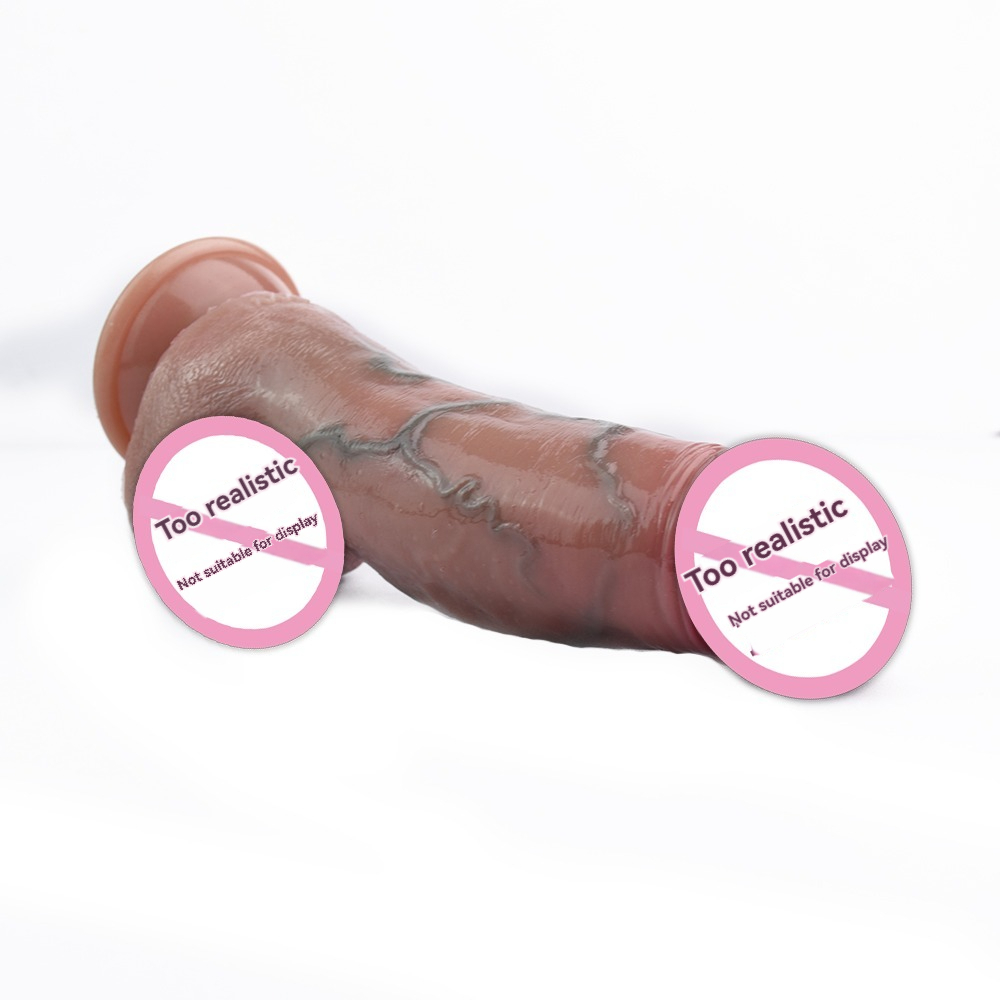
Incorporating Intimacy Aids
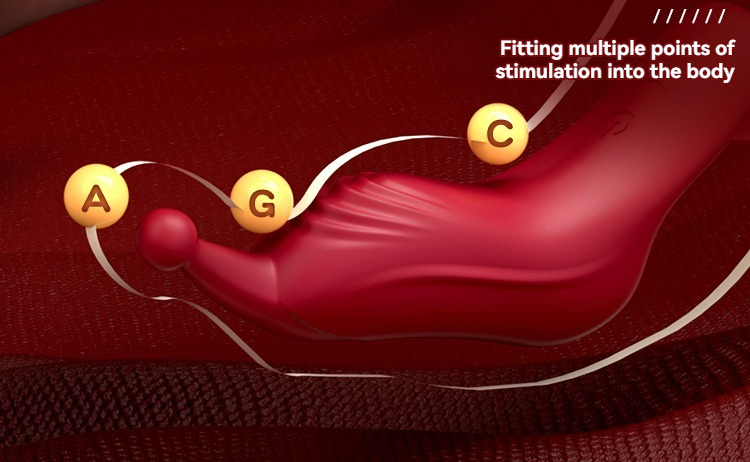
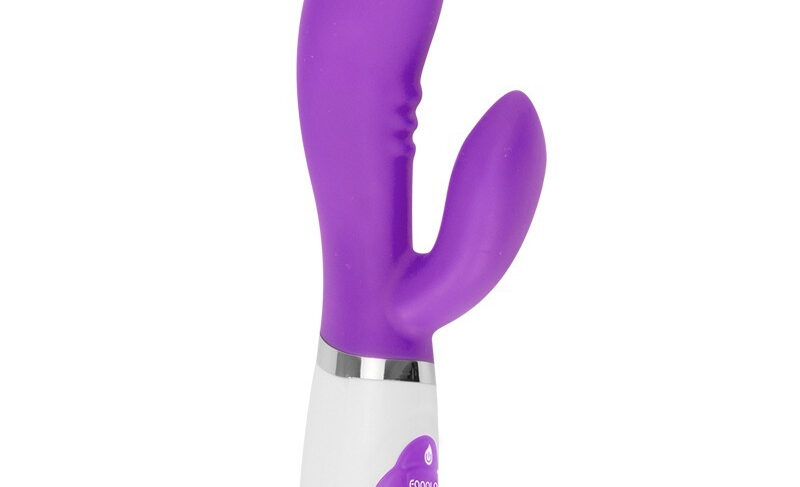
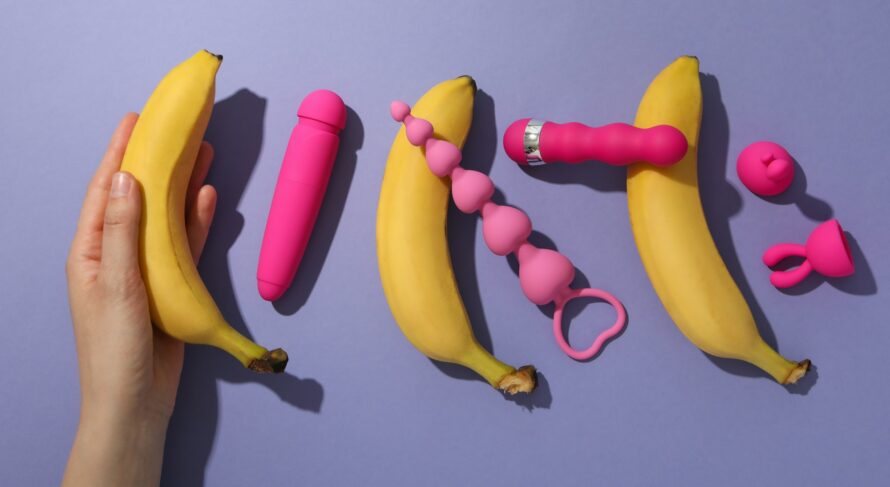
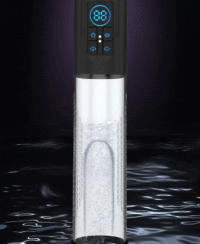
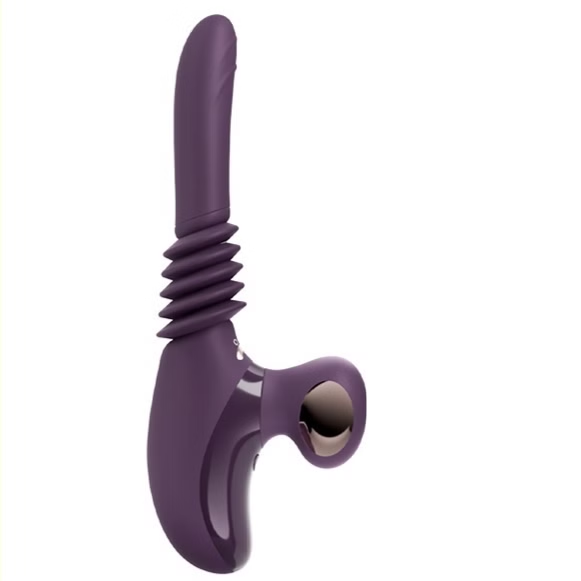
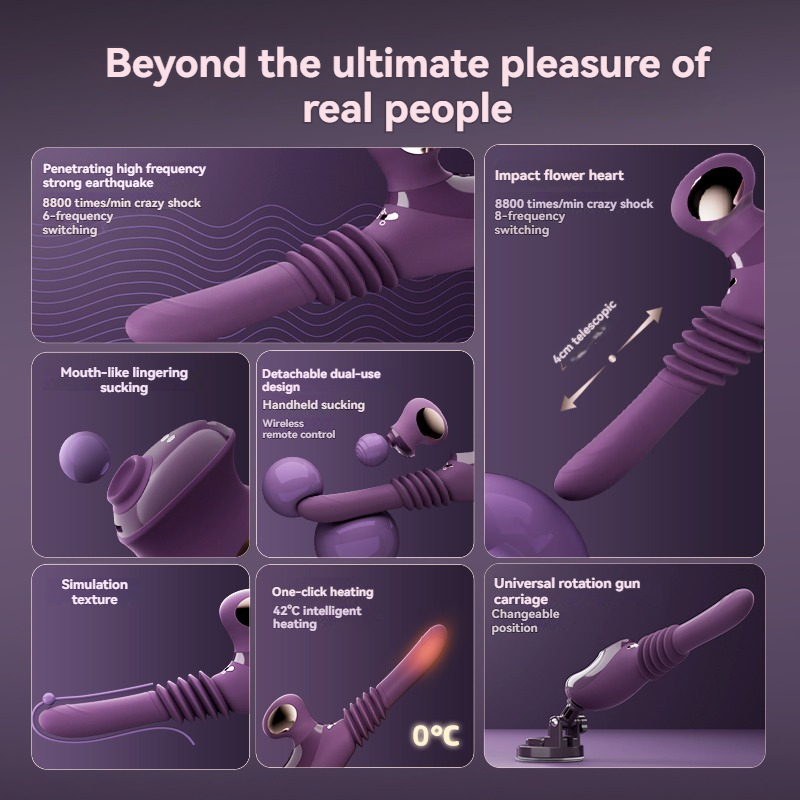
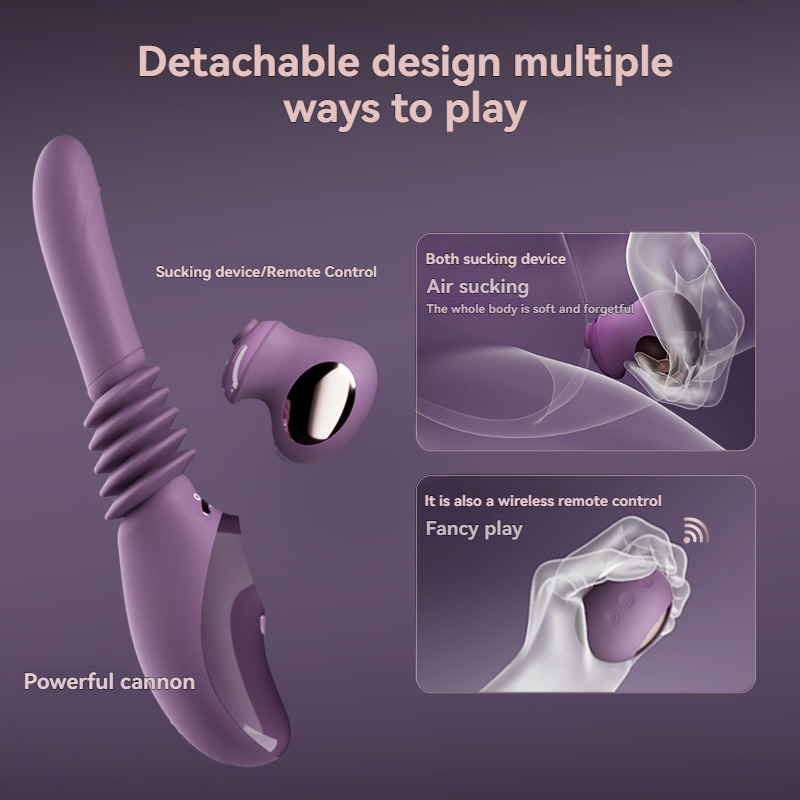
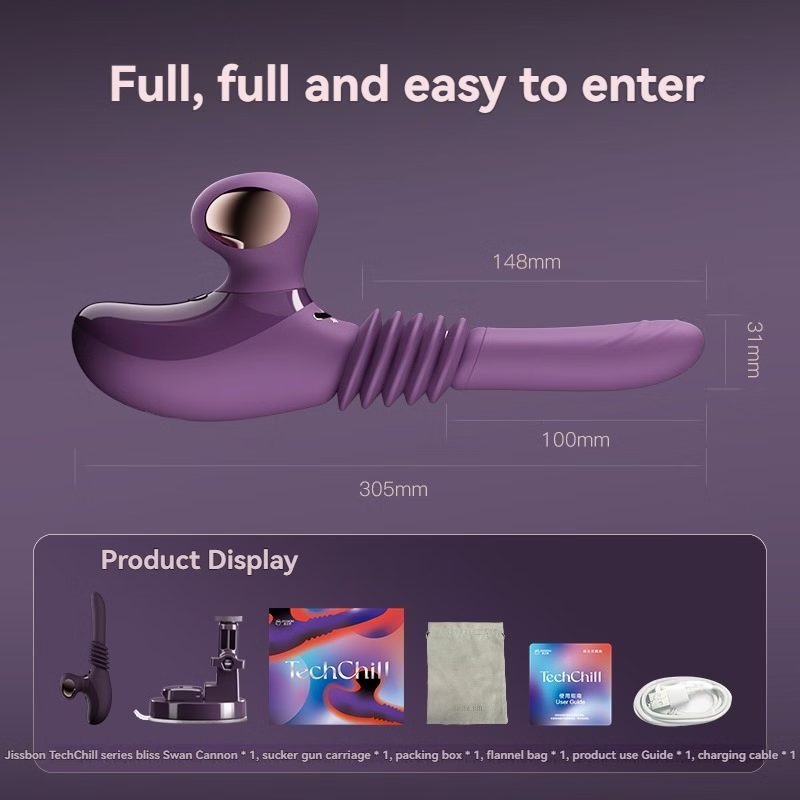
Sex toys and accessories can be helpful in enhancing arousal and comfort during intimacy. These tools allow couples to explore new sensations and build confidence gradually.
Safe Usage Tips:
- Start Small: Use beginner-friendly toys, such as small vibrators or dilators.
- Focus on Hygiene: Clean toys thoroughly before and after use with warm water and toy-safe cleaners.
- Explore Together: Incorporate toys as part of foreplay to create a sense of shared exploration.
Recommendations:
Discover a range of high-quality products designed for comfort and pleasure at Sextoyforyou.com.
8. Emotional Support and Counseling
Painful intercourse often impacts emotional well-being and the dynamics of a relationship. Addressing these challenges together can pave the way for a healthier, more fulfilling partnership.
Couples Therapy
Working with a therapist who specializes in sexual health can help couples navigate the challenges of dyspareunia.
Benefits of Couples Therapy:
- Facilitates open and productive conversations about intimacy.
- Identifies patterns of communication that may be contributing to misunderstandings.
- Develops actionable strategies for rebuilding trust and connection.
Individual Counseling
For women experiencing pain due to past trauma, anxiety, or self-esteem issues, individual therapy provides a safe space for healing.
When to Seek Individual Counseling:
- If unresolved trauma is interfering with intimacy.
- When personal anxieties or fears make it difficult to relax during sex.
- To explore self-identity and build confidence in intimate relationships.
Support Groups and Resources
Connecting with others who share similar experiences can be incredibly validating. Support groups provide a platform to exchange advice, share progress, and gain emotional support.
Where to Find Support:
- Online forums dedicated to sexual health and wellness.
- Community-based groups facilitated by therapists or healthcare organizations.
- Resources from professional organizations like the American Sexual Health Association.
9. Lifestyle Changes and Home Remedies
Adopting a holistic approach to health can improve not only sexual comfort but also overall well-being.
Stress Management Techniques
Stress affects every aspect of health, including intimacy. Learning to manage stress effectively can reduce physical tension and improve sexual experiences.
Effective Stress-Relief Practices:
- Meditation and Deep Breathing: Calms the nervous system and promotes relaxation.
- Yoga and Stretching: Releases muscle tension and improves pelvic flexibility.
- Journaling: Allows individuals to process emotions and identify stress triggers.
Pelvic Floor Exercises
Strengthening and relaxing the pelvic floor muscles is crucial for addressing conditions like vaginismus or pelvic floor dysfunction.
How to Perform Kegels:
- Identify the pelvic floor muscles by stopping the flow of urine midstream.
- Contract the muscles for 3-5 seconds, then relax for an equal amount of time.
- Repeat 10-15 times daily for optimal results.
Guided Therapy:
Work with a pelvic floor therapist for personalized exercises and biofeedback tools.
Healthy Diet and Exercise
A nutritious diet and regular physical activity support hormonal balance, energy levels, and overall sexual health.
Foods to Include:
- Omega-3 Fatty Acids: Found in fish, nuts, and seeds, these reduce inflammation and improve circulation.
- Leafy Greens: High in magnesium, which supports muscle relaxation.
- Water-Rich Fruits: Like watermelon and cucumber, to improve hydration and tissue elasticity.

A woman outdoors cradles her shoulder in discomfort, portraying vulnerability amidst a serene, vibrant garden setting.

10. Frequently Asked Questions
Is pain during sex common among women?
Yes, it’s estimated that 10-20% of women experience chronic dyspareunia (persistent pain during intercourse), while many more encounter occasional discomfort. This can be due to various factors, including physical, hormonal, or psychological reasons. While this condition is common, it is important to note that it is not normal and should not be ignored. The good news is that with proper care, diagnosis, and support, pain during sex is often manageable, allowing women to enjoy a fulfilling and pain-free intimate life.
Can hormonal changes cause pain during intercourse?
Absolutely. Hormonal fluctuations, such as those experienced during menopause, pregnancy, postpartum, or as a result of birth control methods, can significantly impact vaginal health. These changes often lead to vaginal dryness, reduced elasticity, or thinning of the vaginal tissues (a condition called vaginal atrophy). These factors can make intercourse uncomfortable or even painful. Treating the underlying hormonal imbalance, such as through estrogen therapy, lubricants, or vaginal moisturizers, often alleviates this pain.
How can I support my wife emotionally if she experiences pain during sex?
Supporting your partner emotionally is crucial in overcoming the challenges of painful intercourse. Here’s how you can help:
- Be Patient: Understand that addressing painful intercourse is a journey that requires time, effort, and understanding. Avoid putting pressure on her or expecting immediate results.
- Encourage Open Communication: Create a safe space where she feels comfortable discussing her feelings and concerns without judgment. Reassure her that you’re on this journey together.
- Participate in Finding Solutions: Show your commitment by attending medical appointments, counseling sessions, or therapy together. This demonstrates that you care deeply about her well-being and your shared intimacy.
- Avoid Blame or Guilt: Pain during intercourse is a medical condition, not a fault. Let her know that she isn’t to blame and that your focus is on finding solutions together.
Are there medical treatments available for painful intercourse?
Yes, there are a variety of medical treatments available, depending on the underlying cause of the pain. Some common options include:
- Topical Treatments: Lubricants, vaginal moisturizers, or prescription estrogen creams can help address dryness and tissue thinning.
- Medications: Hormone replacement therapy (HRT), pain relievers, or other medications targeting specific conditions like endometriosis.
- Physical Therapy: Specialized pelvic floor physical therapy can strengthen and relax pelvic muscles, relieving tension and reducing pain.
- Minimally Invasive Procedures: For conditions like vaginismus or scar tissue, minimally invasive options, such as vaginal dilators or laser therapy, can help restore comfort.
- Counseling or Therapy: Psychosexual therapy or counseling can address emotional barriers, trauma, or anxiety that may exacerbate the condition.
Consult a qualified healthcare provider to determine the most effective treatment plan for your situation.
Can intimacy be enjoyable again after experiencing pain during sex?
Yes, with proper care, emotional support, and professional guidance, many couples successfully overcome painful intercourse and rebuild a satisfying and fulfilling intimate life. It’s important to address the issue holistically—combining medical treatment with emotional and physical support. Patience, understanding, and mutual effort are key to restoring intimacy. Focus on non-penetrative forms of intimacy initially, such as cuddling, kissing, and other acts of affection, to rebuild connection and trust.
In time, with open communication and the right interventions, many women and their partners find renewed pleasure and comfort in their intimate relationships.
11. Conclusion
Recap of Key Points
Painful intercourse is a complex issue influenced by physical, emotional, and relational factors. By addressing the root causes, seeking professional help, and incorporating practical solutions, couples can work together to overcome this challenge.
Encouragement to Seek Help and Stay Connected
Your relationship can thrive even in the face of difficulties. Prioritize open communication, empathy, and patience as you navigate this journey together. With the right tools and support, intimacy can once again be a source of joy and connection.
12. References
- Graziottin, A., & Koochaki, P. E. (2017). Dyspareunia: A comprehensive review. Journal of Sexual Medicine, 14(5), 1-15.
- Levine, S. B. (2017). Vaginal dryness and its impact on sexual health. Sexual Medicine Reviews, 5(4), 309-320.
- American Sexual Health Association. (2021). Managing painful intercourse. Retrieved from www.ashasexualhealth.org.
- Nicolson, P., & Burris, M. E. (2020). The role of pelvic floor exercises in improving intimacy. International Journal of Sexual Health, 32(2), 143-154.
- Stewart, E. A., et al. (2016). Pelvic floor disorders and dyspareunia. Obstetrics & Gynecology Clinics, 43(4), 567-582.
Disclaimer: The content provided in this post is intended
for adults (18+) and is offered for informational purposes only. It does
not constitute medical or professional advice. We make no warranty as to
the accuracy or reliability of the information presented. Any images or
media used may originate from the internet or free-license resources. If
you are the rightful owner and wish to request removal or attribution,
please contact us at
[email protected]
.